


Top 10 Foods for a Healthy Heart
Healthy Eating Habits
Top 10 Foods for a Healthy Heart: The concept that particular foods promote healthier hearts is not new. It is a fact that a well-balanced nutritional diet contributes to good health throughout a lifetime. For many people, the risk of diseases such as Type II diabetes, high cholesterol, heart disease and coronary artery issues may be reduced by consuming healthy diets. While it is important to begin healthy eating habits early in life, it can be just as vital to good health when healthy eating practices are followed in later years. The effects of some illnesses can be controlled and perhaps averted by practicing good nutritional habits.
Related Article: Senior Hydration
Eating well is especially important for seniors who become more susceptible over time to the effects from aging and symptoms of illnesses that afflict the elderly. Seniors often battle loss of appetite, challenges in cooking healthy foods for one, and other health-related obstacles. These challenges affect their overall health and wellbeing which allows them to continue living independent lives in their own homes. For these reasons, it is critical seniors consume healthy foods and snacks that promote good health. A doctor should be consulted before making any diet changes.
With these challenges in mind, Comfort Keepers® has researched what experts advise are the top 10 best foods for health. Many of these foods take little or no time to prepare and can be added to existing diets to add nutritional components that promote better heart health.
Top 10 Foods for a Healthy Heart:
- Berries and grapes: While blueberries are a number one choice because they contain high levels of antioxidants, other berries such as raspberries, strawberries and even red grapes are beneficial. Add a handful of berries to your morning cereal, or munch on grapes for a healthy snack.
- Fish: Salmon, mackerel and tuna are good sources of omega-3 fatty acids. Experts advise having fish at least twice a week for maximum benefits.
- Whole grains: Choose breads, cereals, oatmeal, pasta and even snack crackers made of whole grains to reduce risk of heart disease and other chronic diseases.
- Soy: Daily servings of soybeans like edamame, tofu, soy milk and yogurt are excellent sources of soy protein, linked to reduced risks of cardiovascular diseases, weight loss, and some types of cancers.
- Nuts: Almonds, walnuts and pecans as daily snacks can reduce the risk of blood clots and may facilitate healthy arterial lining.
- Olive oil: Olive oil contains a healthy type of fat that, when consumed in moderation, may help reduce risk of heart disease and promotes lower cholesterol levels.
- Beans and lentils: Packed with protein, beans and lentils also contain levels of magnesium, iron and potassium that can support muscle and organ function, blood flow, and healthy bones. Choices of beans include chickpeas, kidney beans and black beans, all of which can be added to salads or soups. Red and green lentils are also excellent choices to add in soups.
- Fruits and vegetables: Think color. Dark leafy green, deep reds, yellows and oranges found in spinach, cooked tomatoes, squash and oranges are some choices. Daily intake of these foods has been linked to lower blood pressure, reduced risk of heart disease, and possible decreased risk of some cancers, along with lowered risk of eye diseases and digestive issues.
- Yogurt: Yogurt containing live and active cultures is considered a probiotic by scientists. Research shows probiotics are connected with lowering some risk factors for cardiovascular disease.
- Tea and coffee: Flavonoids found in both may reduce heart disease. Studies found that those who drink 3-6 cups of green and black tea or 2-4 cups of coffee a day are at lower risk for heart disease. However, go easy on the sugar added to these beverages to avoid complications sugar may cause!
Good heart health does not depend on food alone. Physical exercise, not smoking and other factors are crucial to maintain healthy heart function. Being aware of bodily changes during the aging process plays a large part in maintaining overall good health. Seniors should also visit their doctors regularly to ensure early detection of any issue that may involve the heart.
Comfort Keepers® Can Help
For every client, our Comfort Keepers team does a thorough home evaluation to minimize hazards in the home. Our caregivers can help with mobility issues, provide transportation to scheduled appointments, and support physician-prescribed exercise regimens and diets. And, our goal is to elevate the spirits of our clients and their families every day. As part of an individualized care plan, caregivers can also help with activities like cooking, cleaning and physical care. Whether a senior is recovering from a fall or needs help with fall prevention, we can provide services to help.
To learn more about Calgary’s in-home care services, contact your Calgary Comfort Keepers location today.
Bonus Article: Custom In-Home Care
References:
Zelman, Kathleen M., MPH, RD, LD. 5 heart healthy foods. Retrieved on December 16, 2001 from http://www.webmd.com/heart-disease/features/5-heart-healthy-foods.
Mayo Clinic (2011). Heart healthy diet: 8 steps to prevent heart disease. Retrieved on December 16, 2011 from http://www.mayoclinic.com/health/heart-healthy-diet/NU00196.
Zelman, Kathleen, M., MPH, RD, LD. Top 10 heart healthy foods. Retrieved on December 16, 2011 from http://www.webmd.com/diet/features/top-10-heart-healthy-foods.
Mayo Clinic (2011). Whole grains: hearty options for a healthy diet. Retrieved on December 16, 2011 from http://www.mayoclinic.com/health/whole-grains/NU00204.
Mayo Clinic (2011). Nuts and your heart: eating nuts for heart health. Retrieved on December 16, 2011 from http://www.mayoclinic.com/health/nuts/HB00085.
Mayo Clinic (2011). Olive oil: what are the health benefits? Retrieved on December 16, 2011 from http://www.mayoclinic.com/health/food-and-nutrition/AN01037.
Harvard School of Public Health. The nutrition source – vegetables and fruits. Retrieved on December 16, 2011 from http://www.hsph.harvard.edu/nutritionsource/what-should-you-eat/vegetabl….
Oprah.com (2005). Dr. Perricone’s number 10 superfood: yogurt and kelfer. Retrieved on December 17, 2011 from http://www.oprah.com/health/Yogurt-and-Kefir-Dr-Perricones-No-10-Superfood.
Boyles, Salynn. WebMd (2010). Tea, coffee drinkers have lower heart risk. Retrieved on December 17, 2011 from http://www.webmd.com/heart-disease/news/20100618/tea-coffee-drinkers-hav…
Cespedes, Angela. Livestrong.com (2011). What are the benefits of eating beans and lentils? Retrieved on December 17, 2011 from http://www.livestrong.com/article/479593-what-are-the-benefits-of-eating-beans-lentils/.
Senior Hydration

Senior Hydration
Senior Hydration: Staying hydrated is a crucial part of good health. And sometimes, it can be tough to keep seniors hydrated. This is because as we get older, we lose some of our sense of thirst and our ability to notice when we’re too hot. Plus, many seniors take medications that are dehydrating, which means that they should be keeping an extra close eye on their hydration. Dehydration can be a serious medical emergency in seniors, which is why it’s so important to keep your loved one hydrated.
Signs of Dehydration in Seniors
Common signs of dehydration include weakness, fatigue, dry mouth, headaches, low blood pressure, and in severe cases, the inability to sweat. One great way to keep track of hydration is urine color. Light or pale yellow urine indicates good hydration, while darker urine indicates dehydration. Some seniors may take medications that change urine color, so be sure to note that. You can also tell whether someone is dehydrated by pinching the skin on the back of their hand and seeing how fast it snaps back. If the skin stays in that pinched position for longer than usual, your senior is very likely dehydrated.
Related Article: Keeping Bones, Muscles and Joints Healthy and Strong
Keeping Seniors Hydrated
One way that you can keep your loved one hydrated is by educating them about proper hydration and reminding them to drink water. Encourage them to carry a water bottle with them or keep water bottles in places they most commonly spend their time so that they can remember to drink throughout the day. It’s much easier for seniors to drink a little bit throughout the day than to have a large glass all at once.
You can also encourage seniors to stay hydrated by suggesting that they eat foods high in water. Things like celery, apples, or oranges are great choices. Popsicles, herbal tea, and sports drinks can be good choices as well, especially if your senior doesn’t like regular water.
Finally, do your best to keep them in a cool, air conditioned place. If their home doesn’t currently have air conditioning, consider getting some fans or portable air conditioning units to help them cool down. If they are outside, make sure they’re staying hydrated and resting in the shade when needed.
Comfort Keepers Can Help
At Comfort Keepers, we offer in-home caregiving services to seniors who want to live independently in their own homes. Our caregivers can provide a number of services to help your loved one stay healthy, including making sure that they stay hydrated.
If you’re interested in our services at Comfort Keepers, contact us at our Calgary location today so that we can get started on creating a specialized care plan for your senior. We look forward to meeting you and your loved one!
Bonus Article: Custom In-Home Senior Care
Personality Changes & Senior Caregivers
What To Do When Your Aging Loved One’s Personality Changes
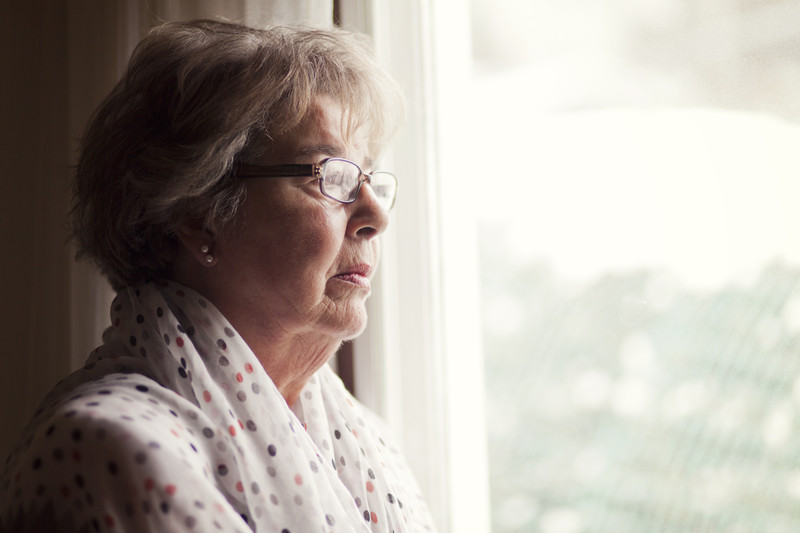
Personality Changes in Seniors | There are many reasons a senior’s personality may change. As we age, people experience numerous physical, emotional, and psychological challenges, and each person handles these experiences differently. One of the common results of various stressors in a person’s life is a change in personality. For example, a person who was always calm and reserved may become angry and outspoken, or a person who was always gregarious may become withdrawn.
Personality changes are not always negative or bad, but they do typically indicate that something has changed in a senior’s life. Therefore, it is important that a senior caregiver take note of any personality changes in case there is an underlying medical condition causing it.
Three of the more common reasons behind personality changes in seniors:
- The death of a spouse or significant other. Many seniors have spent the majority of their life with a person who “completed” them. When their other half passes on, many seniors do not know how to function or cope with the world in which they are now left alone. Many seniors will require the help of a senior caregiver if their loved one who passed supported them in daily living activities or took care of many of life’s tasks. In addition to requiring this physical support, they may also need help coping with their emotions. Emotions range from anger, resentment, and hostility to depression, sadness, and isolation. There seems to be little connection between a person’s personality prior to such a significant loss and the emotions displayed after. In loss, personality changes are often profound.
- Medication. Most seniors over the age of 65 are on at least five to ten different medications. Many times these medications can impact a person’s hormones, chemical balance, and brain functions. It is no wonder that changes in personality are common side effects of many common medications. Senior caregivers should watch for sudden personality changes after new medications are added and when medications are stopped. Should a personality change occur unexpectedly, checking to see if the senior has been taking all of their medication as prescribed is a good place to start. For example, a senior may have run out of a medication and not had it refilled.
- Dementia, Alzheimer’s, TBI, and other brain-related diseases or injuries. Any sickness, injury, or disease can cause significant changes in a senior’s personality, but those ailments that directly impact the brain are known for causing such shifts. As different areas of the brain die, the controls and filters that were there are gone as well. This means that if a brain center that blocked hostility is damaged or lost, a person may find themselves getting frequently angry. Without impulse control, a person may become quite aggressive, sexual, hyper-emotional, and so forth.
Comfort Keepers® Calgary Can Help with In Home Care for Seniors
If you are concerned about the safety of your aging loved ones, especially in regard to fire, we can help. While it’s important to rely on the expertise of licensed professionals for certain precautions, we can provide home safety assessments and ensure your loved ones’ environment is safe.
Contact the Comfort Keepers Calgary office to learn more about how we can help maintain safety, comfort, and happiness in the home.
In Home Care for Calgary, AB and the surrounding areas of: Airdrie, Aldersyde, Banff, Black Diamond, Calgary, Chestermere, Cochrane, Crossfield, High River, Okotoks, Redwood Meadows and Sherwood, AB.