


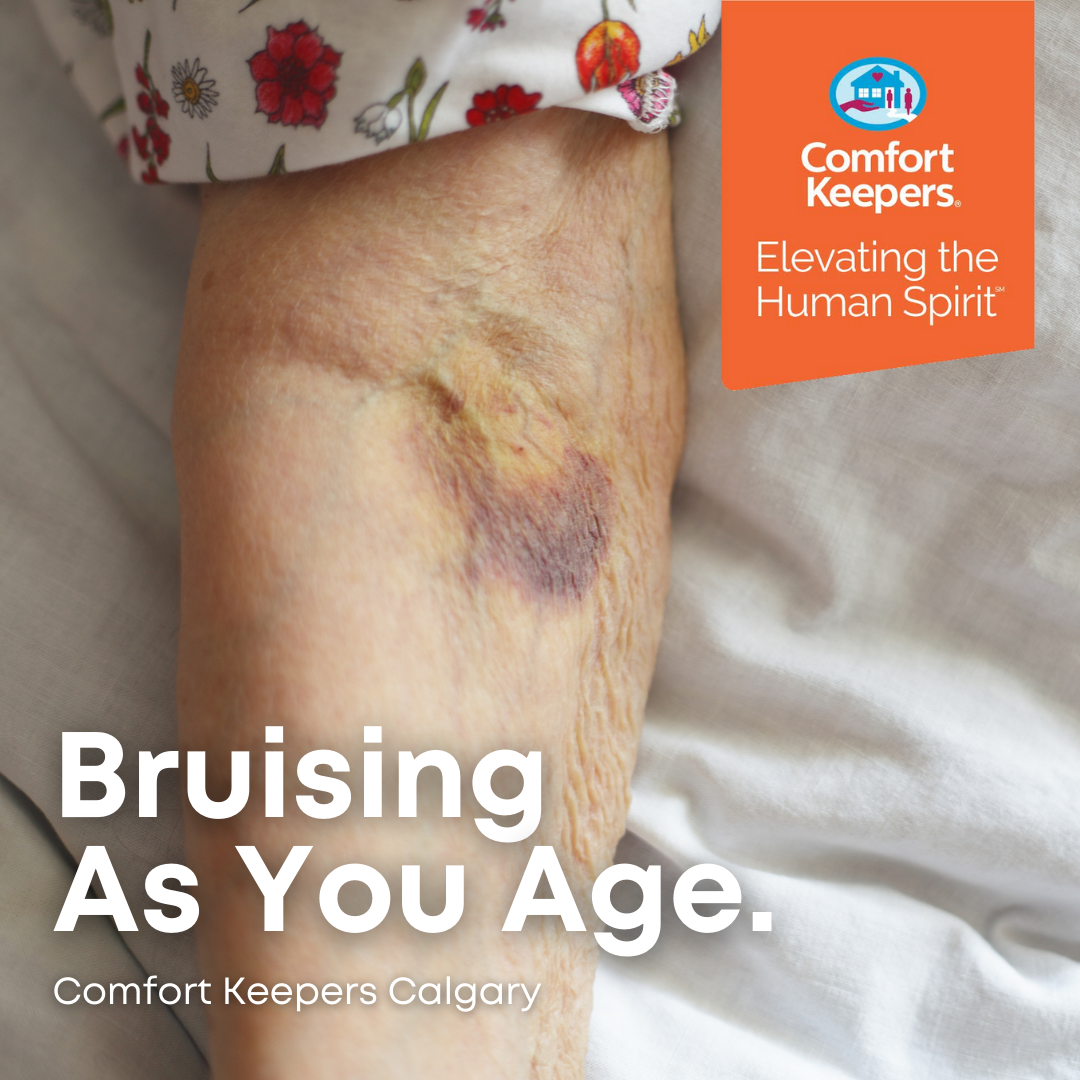
Bruising As You Age
Bruising As You Age – Does the senior in your life often have unexplainable bruises? Do you as a caregiver have questions about what causes him or her to have unsightly black and blue marks and worry that there might be something seriously wrong with your loved one that needs attention? As alarming as these purplish marks can be, they’re usually harmless.
With passing years, easy bruising becomes increasingly more common with the mildest bump or blow. Exactly what causes this? Over time our capillaries age and become more fragile and prone to rupture. Our skin also becomes thinner, losing the protective fatty layer that helps to cushion blood vessels against injury. Bruises form when the small blood vessels or capillaries near the skin’s surface are broken by an injury. This causes blood to leak out of the vessels and a bright or dark red, purple or black mark appears.
Bruising As We Age – How Sun Damage Can Make it Worse
The problem of frequent bruising with no apparent reason usually starts to show up after age 55, but long-time sun worshippers may see changes earlier. For many people, in fact, sun damage is thought to account for nearly all of age-related changes in the skin. The problem may be compounded if you smoke, too. Certain dietary supplements such as fish oil and ginkgo can have a blood-thinning effect and also increase your risk of bruising. So do some medications used in treating common conditions like allergies, asthma and eczema or more serious issues like blood clots that can cause strokes or heart attacks.
Medications that can cause bruising include:
- Nonsteroidal anti-inflammatory drugs, such as ibuprofen.
- Aspirin
- Anticoagulants such as coumadin or heparin.
- Antiplatelet medications.
- Corticosteroid-containing medications (applied to the skin, taken orally or injected).
- Medications that affect coordination can make you more prone to falls.
Related Article: Seniors and Wandering
While you as a caregiver might not be able to completely prevent easy bruising in the senior in your life, there are some practical measures you can take that will go a long way towards helping to keep him or her bruise-free. De-clutter your household and remove items that could cause bumps or falls. Dress your senior in long-sleeved shirts and pants to add an extra layer of protection for their skin. Limit exposure to the sun and try to reduce further harm by applying sunscreen and covering up while outdoors. Apply moisturizers to the skin. That will relieve dryness and make skin give more easily.
There isn’t much that can be done to treat a bruise once it has formed, although most bruises disappear eventually as the body reabsorbs the blood. Healing may take longer because of age.
Brusing Easier As We Age
Easy bruising can be an indication of a more serious condition such as a blood disease or a clotting problem. You should consult a doctor if you notice unusually large or painful bruises that develop for no reason. Easy bruising and abnormal bleeding elsewhere — for instance from the nose, gums or intestinal tract — should also be checked. If the senior starts a new medication and suddenly begins bruising or develops bruising during an illness in addition to a fever and confusion, he or she should be seen by a doctor.
Comfort Keepers® Can Help
Our goal is to provide uplifting in-home care that benefits seniors and their families. The individualized care plans we create for our clients consider physical goals as well as non-physical mental health needs. Our caregivers can provide companionship and support physician-prescribed exercise regimens, provide transportation to appointments and help to families that want to stay connected through technology. We strive to elevate the human spirit through quality, compassionate, joyful care.
To learn more about our in-home care services, contact the Comfort Keepers Calgary location today.
Bonus Article – The Comfort Keeper Difference
References
‘Easy bruising: Common as you age’, published by Mayo Clinic, (http://www.mayoclinic.com/health/easy-bruising/HQ00355)
Post Hospital Care After Pneumonia
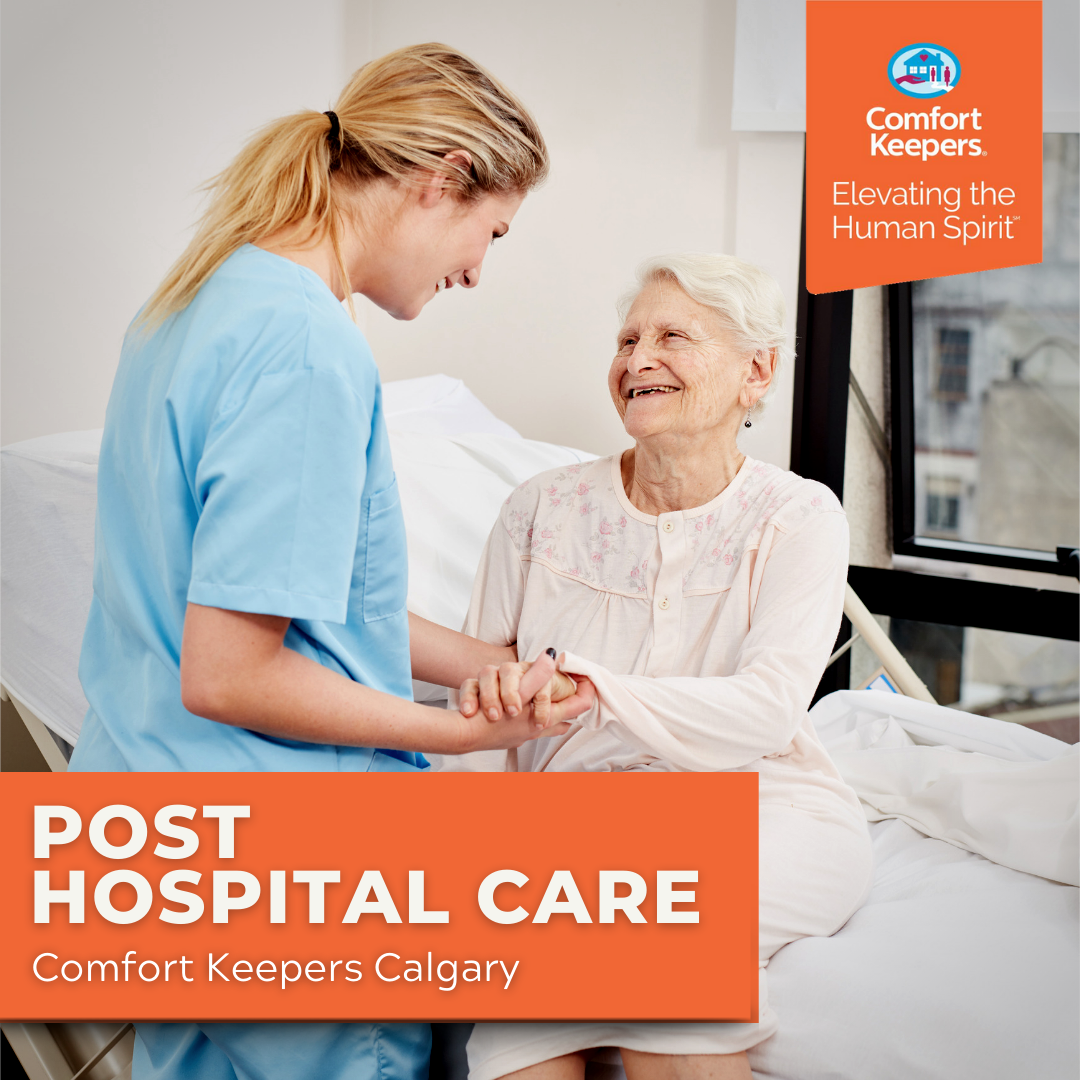
Post Hospital Care After Pneumonia
Even though pneumonia is a serious illness for most individuals contracting the disease, it can often be successfully treated at home. Seniors, however, or more specifically, those with compromised immune systems or other health issues, may require hospitalization. Because pneumonia causes fluid to be collected in the lungs as well as inflammation, seniors can experience difficulty in breathing. High fever and rapid heart rate often accompany the symptoms of pneumonia along with a cough and rapid, labored breathing.
What to Expect In & Out of Hospital
Care provided in a hospital usually involves intravenous fluids and antibiotics. Hospital staff usually monitor vital signs such as temperature, pulse, and blood pressure, as well as breathing, to ensure the condition improves under their care. Most bacterial pneumonia responds well to antibiotics. Pneumonia caused by a virus is not treated with antibiotics as medicine does not kill viral infections. Viral pneumonia usually resolves on its own although a health care provider will likely treat the symptoms.
Release from the hospital may be a relief but does not indicate the senior has fully recovered. Pneumonia is particularly taxing on the body, resulting in a feeling of tiredness. It may take a while for the senior to regain strength and feel good again. This home recovery period can be crucial for pneumonia patients. In order to fully recover, it is important to follow the health care provider’s directions. Be aware of your loved one’s body and if you or him or her feel any slight decline, contact your doctor for advice.
Related Article: Immunization for Seniors
Post Hospital Care – Home Recovery Expectations
Some things you can expect during the home recovery period include continuation of an antibiotic and an order by the doctor to keep hydrated. Medicine, including each and every dose, should be taken for as long as it has been prescribed. Failure to do so may allow levels of bacteria to remain, grow and possibly cause a relapse. Drinking plenty of water aids the mucus membranes in the body to remain moist and healthy. If prescribed, a cough expectorant may help clear your loved one’s lungs of excess mucus, but know that this type of medicine requires proper hydration to be effective.
The senior may be sent home with a nebulizer for breathing treatments. Make sure you, any other caregivers, and the senior, him or herself, are well-trained in using the machine for optimum effectiveness. Additionally, cool mist humidifiers or vaporizers help keep the air moist inside the home and may make breathing easier and ease lingering coughs.
Upon coming home, you may be asked to monitor the senior’s heart rate and the number of breaths taken each minute during a state of rest. A higher than normal heart rate and/or excessive breathing may signify a relapse.
The senior can expect a cough and general fatigue to last for some time after pneumonia subsides. It is essential for the senior to get ample sleep as well as proper nourishment during this time. If nighttime sleep is interrupted, encourage a nap during the day. Rest helps the body’s healing process just as maintaining a healthy diet can boost the immune system. It is important that the senior not smoke or venture outdoors if there is smoke from a fire in the air as this can hinder the breathing process and cause infection in the lungs. Alcohol consumption should be avoided as it can inhibit the effectiveness of antibiotics.
Above all, make sure you and the senior have plenty of help when you need it from family, friends, or other caregivers. Those close to the senior can help monitor progress as well as lend a helping hand around the house. Sometimes, just a little extra tender loving care can provide a much needed boost to becoming well.
Comfort Keepers®Can Help
Maintaining senior health and wellbeing is a priority for the team at Comfort Keepers®. Our caregivers can assist in providing seniors with transportation to and from the doctor’s office or clinics to receive their vaccinations. In addition, caregivers can also work to promote a healthy lifestyle by supporting physician-recommended diet and exercise plans, as well as medication reminders. Contact your the Comfort Keepers Calgary office today to learn more.
Bonus Article: The Comfort Keepers Difference
References
Physicians Desk Reference (2011). Pneumonia in adults treatment. Retrieved on December 2, 2012 from http://www.pdrhealth.com/diseases/pneumonia-in-adults/treatment.
BMJ Publishing Group Limited (2010). Pneumonia. Retrieved on December 3, 2012 from http://bestpractice.bmj.com/best-practice/pdf/patient-summaries/community-acquired-pneumonia-standard.pdf.
Mutually Beneficial: The Value of Respite Care

Mutually Beneficial: The Value of Respite Care – Caring for an aging loved one can be a rewarding experience. In many cases, it provides the opportunity to give back to someone who may have played an important part in your life, allowing for a genuine reconnection. Caring for a parent, in particular, can be especially valuable, as there is often a sense of things coming “full circle.”
|
Mutually Beneficial: The Value of Respite Care – Knowing Your Limits
However, even in the most ideal situations, caregiving can ultimately become a demanding job – one that’s taxing on the mind, body, and spirit. And for those who work a full-time job and have a family to take care of, assisting a loved one can add a great deal of stress. Many discover that, while initially rewarding, family caregiving can yield negative results in the long run. In fact, a recent study, conducted by the Stanford Center for Longevity and the Stanford University of Psychology Department, found that family caregivers are more likely to experience depression when caring for a severely ill loved one.
It seems only natural that family caregivers would desire a break, but we often push ourselves past reasonable limits, with the mentality of “I can do it all” and that anything less would be seen as a sign of weakness. In reality, asking for help is anything but selfish – and finding temporary relief, or respite care, can greatly benefit both parties.
Mutually Beneficial: The Value of Respite Care for Your Family
- Look at the caregiving situation from a different perspective
- Catch up with family and friends or even meet new people
- Focus on personal health and wellbeing
- Remain involved in hobbies or pastimes
- Find time for relaxation and personal comfort
- Run errands or take care of finances
- Return to the loved one with a renewed sense of purpose
Respite care allows seniors to still receive the appropriate level of care, even in the absence of a family caregiver. Additionally, seniors may feel as if they’re a burden on their loved ones, so having a care professional substitute can help reduce feelings of guilt.
Next Steps for Mutually Beneficial Respite Care for Your Family:
There is no set protocol for getting respite care for an aging loved one, as it will always depend on the situation itself and the individuals involved. There are, however, certain things to consider, the first and most important of which is communication with your loved one. He or she should be apprised of not only the desire to find respite care, but also how much time will be needed, where you will be, and why you’re doing it in the first place. The discussion should ultimately reference the benefits listed above, and focus on the long-term goal of strengthening the relationship.
Related Article: Considering Respite Care
Cost is certainly a factor, and knowing the exact needs of your loved will dictate the level of expertise and skillset needed in his or her caregiver. Carefully assess what he or she requires on a daily basis, and communicate everything to the care providers you speak to. Organization is the other important factor. While relief from caregiving certainly will offer peace of mind, you’ll feel much better knowing who is watching your loved one and when. Similarly, you will want to keep family and friends updated so that they don’t needlessly worry about the loved one’s care situation and arrangements.
Caregiver support can come from other family members, friends, faith group volunteers, adult daycare centers, in-home care services, and residential facilities. While there are plenty of options to explore, it’s important to remember that what you choose should ultimately align with your loved one’s needs and your budget. No matter what, it will take careful planning and organization, but the benefits are invaluable – for both you and your loved one.
Comfort Keepers®Calgary Can Help
Trusting your loved one with someone else is not any easy decision, but with Comfort Keepers®, you can trust that he or she will be in capable hands. Our compassionate, professional caregivers – who we call Comfort Keepers® – will stay with your loved one while you take care of yourself, for as much, or as little, time as you need. To learn more about our style of respite care and other in-home services, contact the Comfort Keepers Calgary office today.
Bonus Article: What to Expect with In-Home Care
References:
AARP. “Develop a Respite Plan.” Web. 2017.
AARP. “What is Respite Care? A Break for the Caregiver.” Web. 2017.
Alzheimer’s Association. “Alzheimer’s and Dementia Caregiver Center: Respite Care.” Web. 2017
Stanford Center on Longevity. “Age and Emotional Well-Being: The Varied Emotional Experience of Family Caregivers” by Sarah Raposo, Jessica Barnes, Tamara Sims, Amy Yotopoulos, Lara Carstensen, Mary Bowman, Jacquelyn Kung. Web. 2017.
Statistics Canada. “Portrait of caregivers, 2012.” Web. 2017.
Summer Safety For Seniors

Summer Safety for Seniors | Summer can get quite hot, and it’s especially important to make sure seniors are staying healthy and safe during warm days. Here are some ways to make sure your senior is safe this summer.
Watch for Heat Stroke
Heat exhaustion and heat stroke can be dangerous to seniors. Although heat exhaustion is not life-threatening, it can turn into heat stroke – which can be life-threatening – if not treated. Symptoms of heat exhaustion are heavy sweating, muscle cramps, tiredness or weakness, cold or clammy skin, headache, and nausea. You may also notice a fast and weak pulse. If your loved one is showing these symptoms, get them into a cool place immediately and have them drink water or an electrolyte drink. If they have high blood pressure or heart problems, call 911.
Heat stroke has similar symptoms, except they will have a temperature of 104 degrees Fahrenheit or more, and they will not be sweating. People with heat stroke often faint as well. In this case, get them to a cooler area, but do not have them drink water, as they may be in and out of consciousness which can increase risk of choking. Place cool compresses on their skin to help bring down their temperature, and call 911 immediately.
Stay Hydrated
Prevent your senior from getting heat stroke by making sure they stay hydrated. Some seniors lose their sense of thirst and don’t drink enough water, so it’s important to make sure that they’re regularly drinking water throughout the day. Seniors should drink around 7 or 8 cups of water per day. Supplementing with sports drinks is great in the heat as well.
Related Article: Senior Hydration – Calgary (comfortkeepers.ca)
Sunscreen
Aging skin needs special care, especially when in the sun. Make sure your loved one applies sunscreen anytime they’re spending time outside. Look for SPF 30 and make sure to reapply every two hours. Not only are sunburns painful, but sun damage can cause skin cancer.
#DYK – Many Older Adults Don’t Protect Their Skin from the Sun – Less than half of older adults protect their skin from the sun when outside for an hour or more on a warm, sunny day. This may raise their risk of getting skin cancer. (Source: CDC.gov)
Avoid Direct Sun Exposure
UV rays are strongest between 10am and 4pm, so if possible, limit your senior’s sun exposure during that time. Evenings and mornings are great times for your loved one to get their vitamin D while lowering their risk of heat exhaustion or sunburn. If they do choose to be out in the sun during the hottest part of the day, encourage them to spend some of the time in the shade. And either way, a pair of sunglasses and a wide-brimmed hat are great ways to protect the eyes and face from too much UV.
Comfort Keepers® Calgary Can Help | Summer Safety for Seniors
At Comfort Keepers®, can help keep your loved one safe during the summer by accompanying them on outdoor excursions or helping them apply sunscreen. If in-home caregiving seems like a good option for your loved one, contact us at our Calgary location today. We look forward to bringing more cheer into your loved one’s life. For more information about Comfort Keepers’ services, reach out to the Calgary, Alberta office today.
What Seniors in Calgary Should Know About Cataracts

What Seniors in Calgary Should Know About Cataracts | Cataracts are the leading cause of blindness and are quite common in seniors. In fact, more than half of seniors 80 or older have had or will have cataracts. As someone who is caring for a senior – or even someone who is a senior – you might be wondering what you need to know about cataracts how senior care can help. Here are some answers to the most common questions people have.
What Are Cataracts?
A cataract happens when the lens part of the eye becomes cloudy. This can happen simply due to aging – as the proteins in the lens start to deteriorate – or due to trauma of the eye. In a healthy eye, the lens is clear, allowing us to see well. However, when a cataract forms, the cloudy lens makes it more difficult to see clearly. Cataracts tend to develop slowly over time, and someone with cataracts might start to notice their vision getting worse and worse.
How To Recognize Cataracts in Seniors
Cloudy, dim, or blurry vision are the most common signs of a cataract. Things may appear to be tinted yellowish or brownish, and you could also experience halos around lights. You might be more sensitive to light and have trouble seeing in the dark. If left untreated, a cataract can sometimes even be seen visually, causing the pupil to become a cloudy white color.
Related Article: Vision Loss – Calgary (comfortkeepers.ca)
What Happens If You Have Cataracts?
Luckily, cataract surgery is available to fix cataracts. In cataract surgery, the doctor will remove your original lens and replace it with a new one, called an intraocular lens. This is an outpatient procedure and most people recover quite quickly, with any pain resolving in less than a week. With cataract surgery, the original cataract will not be able to return, since an entirely new lens has been placed.
#DYK – Eat your carrots. A daily dose of the vitamins and minerals found in melons, citrus fruit, carrots, spinach, and kale may help slow the progress
of age-related eye diseases such as macular degeneration, glaucoma,
and cataracts. (Source: Seniors and Aging: Vision Care)
Can You Prevent Cataracts in Seniors?
While cataracts are very common in seniors, there are some steps that can be taken to reduce the risk. Diabetes, obesity, smoking, excessive alcohol use, and high blood pressure all increase your risk, so making sure to eat well and take care of your body can help to prevent cataracts. Previous eye injury, surgery, or long term use of corticosteroid medications can increase risk as well. If other members of your family have had cataracts, your risk is higher, since it can be hereditary.
Additionally, remember to wear sunglasses when you’re in the sun, as excessive exposure to sunlight can increase the risk as well.
Comfort Keepers® Can Help | What Seniors in Calgary Should Know About Cataracts
If your loved one is losing their vision and needs assistance around the house, Comfort Keepers senior care services can help. We provide in-home caregiving services to help keep your loved one safe. If your loved one has recently had surgery – like cataract surgery – we can help with tasks around the house during their recovery so that they can focus on healing.
If you’re interested in learning more about senior care and working with Comfort Keepers Home Care, reach out to the Calgary, Alberta office today.
Bonus Article: Aging and Driving: Staying Safe and Keeping Independence
How to Notice Vision Changes in Seniors

How to Notice Vision Changes in Seniors
How to notice vision changes in seniors as changes in vision can happen quickly for seniors and should be treated as soon as possible. If your senior is having vision changes, here’s what you need to know and how home care solutions can help.
The best way to notice vision changes in your senior is to make sure they get an eye exam every year. Your senior’s eye doctor can make sure your loved one has an up-to-date glasses prescription, and can even detect certain eye conditions, like glaucoma.
Observe your senior and see if they’re having more trouble reading than usual. Do they have to get really close to signs or magazines in order to read them? If they drive, are they able to read signs from enough of a distance?
You can also educate your loved one on signs of vision changes. As we age, lots of things about the body change, and some of them go unnoticed or are ignored. By checking in with your loved one and utilizing at home care solutions, you can catch signs of vision changes early.
Common Vision Changes and Conditions
Over half of American seniors have cataracts, which is when the lens inside your eye becomes cloudy. This causes blurred vision and can be treated with surgery to replace the lens.
Glaucoma is another common vision condition, which happens when the nerve connecting the eye and the brain gets damaged. It often doesn’t have many symptoms aside from a slow loss of vision – which is why it’s important for your senior to see their doctor if they’re noticing any loss of vision. Eye drops, laser treatment, and surgery can help to treat glaucoma, but if left untreated, it can lead to blindness.
Macular Degeneration affects ones’ central vision. This condition causes the fine detail and sharp edges of our vision to deteriorate, which can make it difficult to do daily tasks. It can also affect how we see color. Getting regular eye check-ups can allow your loved one’s doctor to catch this condition quickly so that they can start treatment. While it can’t be completely reversed, the degeneration can be slowed.
That being said, there are many normal changes in vision as we get older and home care solutions are available to provide comfort and aide. For example, many seniors need reading glasses or even full-time glasses. Dark colors may be a bit more difficult to tell apart from each other, and they might need more light in order to see well.
Comfort Keepers Can Help
Discover the many benefits of home care solutions and let Comfort Keepers transport your loved one to their next eye doctor appointment, or help them set up their home so that they can see better. We offer a variety of in-home caregiving services to make your senior live a better life. If you’re interested in working with us, reach out to Comfort Keepers of Calgary to find out more.
Comfort Keepers Calgary is here to help you and your loved ones get the best care possible.
If you liked this article; How to Notice Vision Changes in Seniors, here a couple more suggestions:
Keeping Bones, Muscles and Joints Healthy and Strong
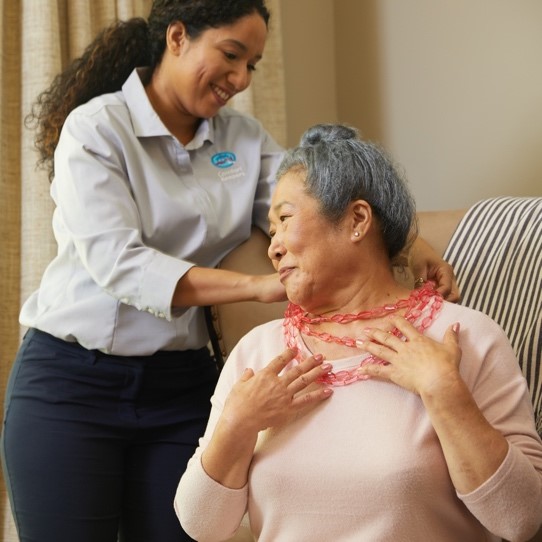
Comfort Keepers provides home health care services in Calgary, AB that help keep bones, muscles, and joints healthy and strong
Keeping Bones, Muscles and Joints Healthy and Strong | After decades of movement, your bones, muscles, and joints get weaker. Bones lose density, while muscle becomes less flexible and begins to weaken. Our joints become worn out and may start to hurt. These parts of our body are incredibly important and help us do everyday basic functions, like walking. It’s important to keep these parts of the body in as good of shape as possible.
Strong bones, muscles, and joints can prevent injury. For seniors, breaking a bone can be serious, since it’s much harder to heal at an older age. By being proactive and utilizing home health care services, seniors can follow these tips to keep themselves healthy.
Get Plenty of Calcium
We’ve all probably heard how calcium is good for strong bones and home health care services can help your loved one receive a sufficient amount through proper nutrition. If you don’t have enough calcium in your diet, your body will start to take calcium from your bones where it’s stored and use that up instead. This will cause your bones to become brittle and weak. Calcium also helps muscles and cells work well. Dairy products, like milk, are a great source of calcium. Leafy greens and seafood are great too.
Soak Up Some Vitamin D
Vitamin D is important because it helps the body absorb calcium. For seniors with osteoporosis, it’s especially important to supplement vitamin D along with calcium. Our home health care services and providers will help ensure that your love one is getting the proper amount of vitamin D. Aside from spending some time in the sun, fatty fish like tuna, mushrooms, or egg yolks are a great source of vitamin D. Some dairy products, like milk, are fortified with vitamin D as well.
Eat Some Fish for Omega 3s
If anything, it’s crucial for seniors to get their Omega 3s. Not only does it benefit bone health, but it helps with building muscle and can reduce joint inflammation. For seniors with arthritis, incorporating Omega 3s into their diet can greatly help with joint pain. Fish, nuts, and plant oils are good ways to get Omega 3s.
Maintain a Healthy Weight
Being overweight can put extra pressure on joints and bones. And for seniors who already have aging joints and bones, being overweight can make it even worse. Staying at a healthy weight can lessen that pressure on your joints and bones, which can even lessen pain.
Try Strength Training
Strength training improves bone density and muscle mass, which makes it perfect for seniors. And don’t be intimidated – there are many strength training exercises that can be done at home with no equipment. For example, lying hip bridges, wall push-ups, and squats with a chair are good ways to start building strength. Of course, have your senior talk to their doctor before starting exercise, especially if they have never exercised or haven’t exercised in several years.
Stretch Daily
Keep joints mobile by doing stretches each day. Yoga is a good way for seniors to maintain and improve flexibility. Even just 5-10 minutes each day can make a difference.
Comfort Keepers® Calgary Can Help
If your loved one is looking for support when it comes to staying healthy and mobile, Comfort Keepers home health care services can help. Contact us at our Calgary, AB location today to find out more..
Comfort Keepers Calgary is here to help you and your loved ones get the best care possible.
If you liked this article; Keeping Bones, Muscles and Joints Healthy and Strong, here a couple more suggestions:
Looking Forward to Fall & Winter: Senior Activities for the Cooler Months
Living With Arthritis
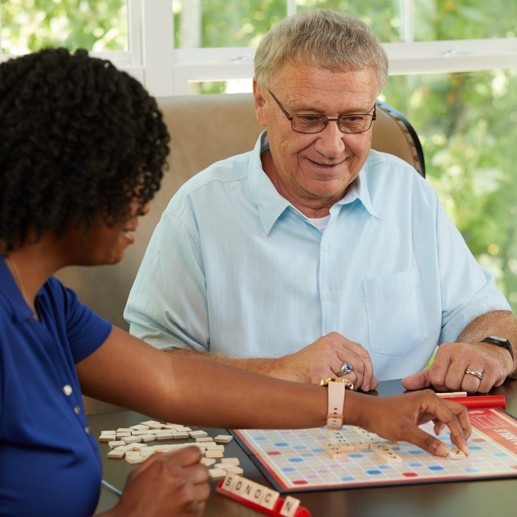
Living With Arthritis and Elderly Care in Calgary, AB
Comfort Keepers offers elderly care services that help seniors navigate life with arthritis in Calgary, AB
Living With Arthritis | There are two types of arthritis – osteoarthritis and rheumatoid arthritis. Osteoarthritis is more common and is likely the type of arthritis someone might get as they age. With this type of arthritis, the cartilage that usually acts as a padding or cushion to the bone gets worn down to the point that bone rubs against bone, which causes pain and swelling.
Rheumatoid arthritis is an autoimmune disorder where the immune system attacks the body’s own tissue, which leads to weakened cartilage.
Signs of Arthritis
The main symptoms of arthritis are pain, stiffness, and swelling of the joints. This may affect only certain areas of the body, like the fingers or knees, or may affect multiple areas. There may also be redness in the area, and you might notice a decreased range of motion.
What to do if you think you or your loved one has arthritis?
If you or your loved one may have arthritis, a visit to the doctor can help to confirm the diagnosis and get you started with elderly care and placed on a management plan. In order to diagnose arthritis, your doctor may take a sample of joint fluid. They may also take an X-ray, which can show if there’s any cartilage loss or bone damage.
How to Manage Arthritis
While there isn’t a cure for arthritis, there are many elderly care options to manage it. In fact, many people live with arthritis and are able to do most of the things they used to do. Starting treatment at the first sign of arthritis can help to prevent it from getting worse later on.
Anti-inflammatory and painkiller medication are often suggested to patients with arthritis, and for mild to moderate arthritis, over-the-counter medications work well. Physical therapy is also helpful for many seniors who have arthritis.
Regular movement and exercise can help manage arthritis inflammation and pain. Standing or sitting in one position for too long can aggravate arthritis for some people, so adjusting your position regularly can help manage flare-ups.
Eating well and maintaining a healthy weight can also help reduce arthritis symptoms. Make sure to get nutrients that help promote healthy joints – for example, Omega 3s are great for joint and bone health. And maintaining a healthy weight reduces the amount of pressure that is put on joints.
For the Elderly Living with Arthritis, Comfort Keepers® Calgary Can Help
If your loved one was recently diagnosed with arthritis, you may be looking for support. At Comfort Keepers Home Care in Calgary, AB, we provide elderly care services b working with seniors to ensure that they stick to their management program. Whether they need help taking medicine or a reminder to do their daily exercise, we can help. Contact us at our Calgary location today to find out more information about elderly care and to schedule an appointment.
Comfort Keepers Calgary is here to help you and your loved ones get the best care possible.
If you liked this article; Living With Arthritis, here a couple more suggestions:
Looking Forward to Fall & Winter: Senior Activities for the Cooler Months