



Imagine standing at the edge of a vast ocean, the waves of responsibility crashing around you. Now, imagine doing that while holding the hand of someone you love, knowing that the journey ahead, while sacred, is also leading to an inevitable farewell. This is often the unspoken reality for family caregivers in palliative care – a journey filled with profound love, immense dedication, and a “silent burden” that can take an unimaginable toll.
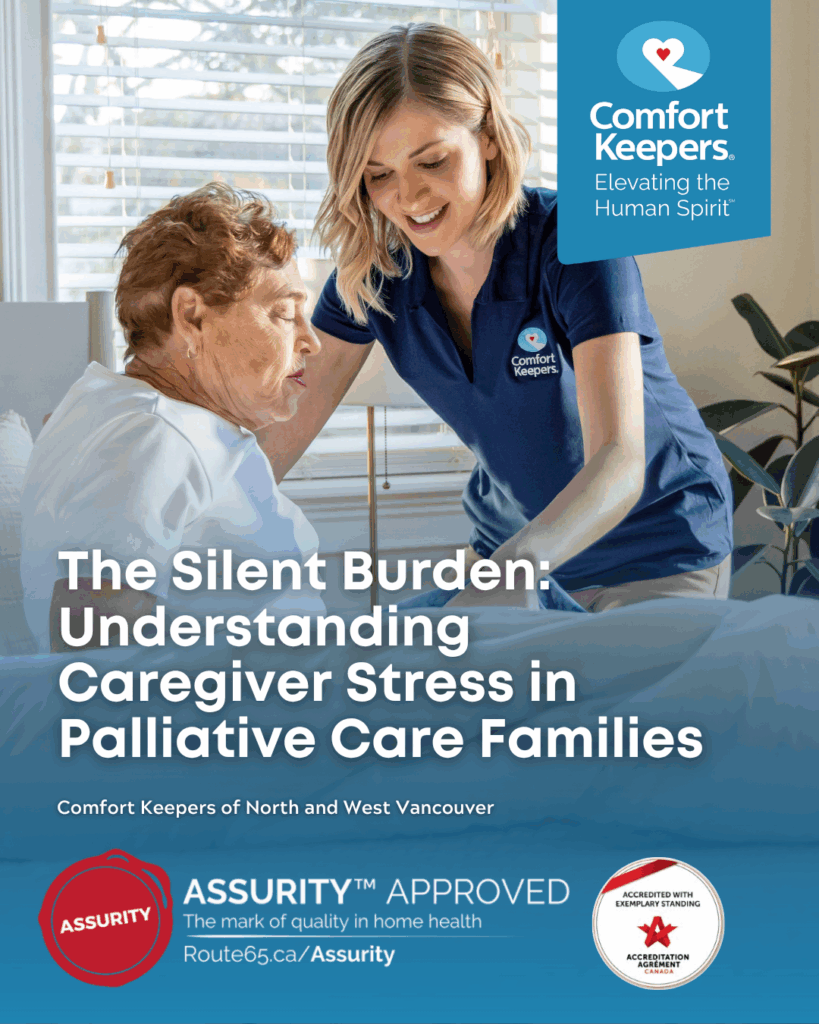
You might be feeling overwhelmed, exhausted, or even guilty for needing a break. If so, please know this: you are not alone. Caring for a loved one in palliative care is one of the most demanding, yet often least acknowledged, roles someone can undertake. It’s a journey that touches every part of your life, from your emotional well-being to your physical health, and it’s perfectly normal to feel the immense weight of it all.
Research consistently shows the intensity of this role. According to a study published in the journal Health Affairs, approximately 1 in 3 adults in North America is an informal caregiver, and those caring for individuals with progressive illnesses, like those often in palliative care, report significantly higher stress levels than other caregivers. Another comprehensive review found that over 60% of caregivers experience symptoms consistent with burnout, including emotional exhaustion and depersonalization. This isn’t just about feeling tired; it’s a deep, pervasive weariness that demands our attention.
Decoding the Burden: What is Caregiver Stress & Burnout in Palliative Care?
When we talk about caregiver stress, burnout, and even compassion fatigue in palliative care, we’re not just discussing everyday worries. We’re delving into a unique set of challenges that arise when you’re caring for someone nearing the end of their life journey.
Caregiver Stress:
The initial reaction to the demands of caregiving. It’s the feeling of being overwhelmed by tasks, responsibilities, and emotional pressures. In palliative care, this can intensify due to the patient’s declining health and the emotional weight of anticipating loss.
Caregiver Burnout:
A more severe, prolonged state of physical, emotional, and mental exhaustion. It often happens when you don’t get the support you need, and you continually push yourself beyond your limits.
Compassion Fatigue:
Sometimes intertwined with burnout, is the emotional and physical exhaustion experienced by those who care for others in distress, particularly when there is repeated exposure to suffering. For palliative caregivers, this is particularly relevant as they witness their loved one’s decline.
The causes of this heightened stress in palliative care are multifaceted and deeply personal. It’s not just the physical demands of care – helping with personal care, managing medications, or coordinating appointments. But also the emotional landscape you navigate on a daily basis.
- Anticipatory Grief: This is a profound, often overlooked, stressor. You’re grieving the impending loss of your loved one while they are still with you. It’s like living with a heavy heart, mourning what was and what will never be, all while trying to remain strong and present.
- Complex Medical Needs: Palliative care often involves managing increasingly complex symptoms, pain, and medications, which can be daunting for someone without a medical background.
- Emotional Intensity of End-of-Life: Witnessing a loved one’s decline, making difficult decisions, and trying to ensure their comfort and dignity can be emotionally exhausting.
- Social Isolation: Your world can shrink to focus solely on caregiving, leading to a profound sense of loneliness and disconnection from friends and hobbies.
- Financial Strain: Reduced work hours, increased medical costs, and specialized equipment can create significant financial pressure.
- Existential Weight: Facing the profound questions of life, death, and meaning can be emotionally and spiritually taxing.
It’s a lot to carry, and recognizing these unique stressors is the first step toward finding relief.
The Unique Weight of Caring in Palliative Settings
Beyond the general stressors, palliative caregiving introduces layers of complexity that can make the burden feel uniquely heavy. These are the “silent” parts of the burden that often go unacknowledged:
Navigating Moral Dilemmas and Difficult Decisions
“Do we pursue aggressive treatment, or focus solely on comfort? How do I ensure their wishes are honored when they can no longer communicate them?” These are heavy questions, and often, family caregivers are at the heart of making these decisions. The weight of responsibility and the fear of making the “wrong” choice can be immense.
Communication Challenges
Talking about declining health, end-of-life wishes, and personal feelings can be incredibly difficult, both with your loved one and with other family members. How do you share bad news gently? How do you ask for help from a sibling who seems absent? These conversations require immense emotional energy and can lead to frustration and misunderstanding if not approached carefully.
The “Aha!” Moment: It’s Not Just Sadness, It’s Grief.
Many caregivers experience anticipatory grief without realizing that’s what it is. You might find yourself crying over small things, feeling detached, or experiencing mood swings. This isn’t just “being stressed”; it’s a deep, ongoing process of grieving what is being lost, moment by moment. Recognizing this can be a powerful “aha moment,” validating your intense emotional experience.
Recognizing the Signs: Are You Carrying Too Much?
It’s easy to dismiss your own needs when someone you love is unwell. You might think, “I just need to power through,” or “I don’t have time to feel tired.” But ignoring the signs of caregiver stress and burnout is like ignoring the warning lights on your car’s dashboard – eventually, something will break down.
Here are common signs that you might be carrying too much, often mirroring symptoms of depression and anxiety:
- Physical Exhaustion: Persistent fatigue, even after sleep; frequent headaches or muscle aches; weakened immune system (getting sick often).
- Emotional Changes: Feelings of sadness, hopelessness, irritability, or anger; anxiety and constant worry; feeling overwhelmed or helpless.
- Loss of Interest: Losing pleasure in activities you once enjoyed; withdrawing from friends and family.
- Sleep and Appetite Disturbances: Difficulty sleeping (insomnia or oversleeping); significant weight loss or gain.
- Concentration Problems: Difficulty focusing, remembering things, or making decisions.
- Resentment or Guilt: Feeling resentment towards your loved one or other family members, followed by intense guilt.
- Increased Use of Coping Mechanisms: Turning to alcohol, drugs, or food to cope.
Think of it as a personal “oxygen mask check.” Just like on an airplane, you need to put on your own oxygen mask first before you can effectively help others. Ignoring these signs doesn’t make you stronger; it compromises your ability to provide compassionate, sustained care.

Your Oxygen Mask First: Strategies for Sustainable Caregiving
Sustainable caregiving isn’t about being a superhero; it’s about being human and understanding your limits. Prioritizing your well-being isn’t selfish – it’s essential for both you and your loved one.
Small Steps, Big Impact: Self-Care in Practice
Self-care doesn’t have to be grand gestures. Even small, consistent efforts can make a world of difference.
- 5-Minute Mindfulness: Take short breaks for deep breathing, meditation, or simply quiet reflection. There are many free apps and online guides available.
- Movement Matters: Even a short walk around the block can boost your mood and energy.
- Healthy Habits: Try to maintain a balanced diet and a consistent sleep schedule as much as possible.
- Journaling for Grief: Writing down your thoughts and feelings can be a powerful way to process anticipatory grief and emotional intensity without judgment.
The Power of Your Village: Asking for and Accepting Help
This is often the hardest part for caregivers. There can be immense guilt associated with asking for help, or a feeling that “no one can do it like I can.” However, a strong support network is your greatest asset.
Identify Your Needs: Be specific. Instead of “I need help,” try “Could you sit with Mom for an hour on Tuesday while I go for a walk?” or “Would you mind picking up groceries?”
Communicate Effectively: Don’t wait until you’re at your breaking point. Use simple, direct language. “I’m feeling overwhelmed and could really use your support with X.”
Accept Help Graciously: When someone offers, say “yes!” Even if it’s not exactly what you expected, every bit of support lightens the load.
Leveraging Your Palliative Care Team
Many caregivers don’t realize the full scope of support available through palliative care team support. They are there for both the patient and the family.
- Emotional Support: Palliative care social workers, counselors, and spiritual advisors can provide a safe space for you to express your fears, grief, and frustrations.
- Symptom Management Guidance: They can offer practical advice on managing your loved one’s symptoms, reducing your worry and workload.
- Resource Connection: Your team can connect you with local support groups, financial assistance programs, and other community resources.
- Respite Planning: They can help you explore respite care options and integrate breaks into your care plan.
Don’t hesitate to ask your palliative care team how they can support you. Their expertise extends beyond medical care to the holistic well-being of the entire family unit.
The Gift of a Break: Embracing Respite Care
“Taking a break means I’m failing.” This is a common and understandable thought, but it’s a misconception. Respite care is not a luxury; it’s a vital component of sustainable caregiving, especially in palliative settings. It’s permission to step back, recharge, and return to your role renewed.
Respite care offers temporary relief, allowing you to attend to your own health, appointments, work, or simply enjoy personal time. It can take many forms:
- In-Home Respite: A professional caregiver comes to your home to care for your loved one, allowing you to leave the house. This is an excellent option for maintaining familiarity and comfort for your loved one.
- Day Programs: Your loved one attends a supervised program for a few hours or a day, offering social engagement for them and a break for you.
- Short-Term Stays: Your loved one stays in a facility (like a hospice residence or care home) for a few days or weeks, providing a more extended break.
Proactive planning for respite is key. Talk to your palliative care team or a local in-home care provider about what options are available and how they can be integrated into your overall care strategy. Taking these breaks isn’t about abandoning your loved one; it’s about ensuring you have the energy and emotional capacity to continue providing the best care possible.
Beyond Coping: Finding Strength and Meaning Amidst the Journey
While the journey of palliative caregiving is undeniably challenging, it can also be a time of profound connection, growth, and finding unexpected strength.
- Processing Grief (Anticipatory and Post-Loss): Allow yourself to feel the full spectrum of emotions. Consider grief counseling or joining a support group where you can share your experiences with others who truly understand. There’s no “right” way to grieve, and it’s an ongoing process.
- Finding Meaning and Resilience: Even in the hardest moments, look for the small joys, the moments of connection, the expressions of love. Caregiving, particularly in palliative care, is an act of deep love and devotion. Acknowledging this can help you find meaning in your efforts and build resilience for the path ahead. It’s about celebrating small victories – a comfortable day, a shared smile, a peaceful moment.
Remember, your well-being matters. This journey is not just about caring for someone else; it’s about navigating one of life’s most profound experiences with courage, compassion, and self-awareness.
Frequently Asked Questions (FAQ)
Q1: How is caregiver stress in palliative care different from general caregiver stress?
A1: While many symptoms overlap, palliative caregiving adds unique layers of emotional intensity, primarily due to anticipatory grief (grieving before the loss), navigating complex medical decisions at end-of-life, and the profound existential weight of accompanying a loved one on their final journey. The emotional toll can be particularly deep and persistent.
Q2: I feel guilty whenever I try to take time for myself. Is this normal?
A2: Absolutely. Guilt is one of the most common emotions for caregivers. There’s a powerful societal narrative that caregiving must be selfless and constant. However, remember that taking time for yourself is not selfish; it’s essential for your long-term capacity to care effectively and lovingly. It helps prevent burnout, which ultimately benefits your loved one.
Q3: What should I do if my loved one resists outside help or respite care?
A3: This is a common challenge. Try to explain the benefits gently and from your perspective: “I love caring for you, and to continue doing my best, I need a little time to rest. This person will help me be a better caregiver for you.” Sometimes, introducing a new caregiver gradually, perhaps for short periods initially, can ease the transition. Involve your palliative care team for support and advice on how to approach this conversation.
Q4: How can I talk to other family members about sharing the caregiving responsibilities?
A4: Communication is key, but it can be tough. Try to schedule a specific time to talk, rather than bringing it up in a moment of stress. Clearly state your needs and ask for specific types of help. For example, “I’m finding it hard to manage all the appointments. Could you take over coordinating Dad’s doctor visits?” Be open to different forms of support, even if it’s not direct patient care (e.g., meal delivery, emotional check-ins, financial assistance).
Q5: When should I consider professional help for my own stress?
A5: If your symptoms of stress, anxiety, or depression are persistent, interfering with your daily life, affecting your ability to care, or if you feel hopeless or overwhelmed, it’s definitely time to reach out. A therapist or counselor specializing in grief or caregiver support can provide invaluable tools and a safe space for you. Your family doctor or palliative care team can offer referrals.

Your Next Steps: A Personalized Caregiver Support Plan
Understanding the silent burden of palliative caregiving is the first, crucial step. The next step is taking action to support yourself.
- Acknowledge Your Feelings: Give yourself permission to feel what you feel – the love, the sadness, the frustration, the exhaustion. All of it is valid.
- Talk to Your Support System: Share this article with trusted friends or family. Start a conversation about your needs and what kind of help would make a real difference.
Explore Your Options:
- Professional in-home care services: Learn about how professional caregivers can provide compassionate support, companionship, and personal care, offering you invaluable relief.
- Respite care options: Consider scheduling regular breaks. Even a few hours can significantly impact your well-being.
- Local support groups and resources: Connect with others on a similar journey. Organizations like the North Shore Senior Services Circle (of which Comfort Keepers North and West Vancouver is a founding member) often host free Senior Service Fairs and Speaker Series, offering education and connection.
- Palliative Care Team: Reiterate your needs with your loved one’s care team. They are a powerful ally.
Remember, the goal isn’t to eliminate all stress, but to manage it sustainably, allowing you to navigate this sacred journey with strength, compassion, and self-preservation. You deserve support, respect, and dignity, just as you provide it for your loved one.
For more information and personalized support, we encourage you to visit Comfort Keepers North and West Vancouver. We are accredited with “Exemplary Standing” by Accreditation Canada, reflecting our commitment to providing safe, high-quality care that supports both clients and their dedicated family caregivers. Our unique Interactive Caregiving™ approach engages clients and helps ensure that the care journey is as positive and supportive as possible for everyone involved.
The Best Senior Home Care in North and West Vancouver is Comfort Keepers®
Our senior home care agency offers in-home care focusing on aging in place. Our services include dementia care, end-of-life care, post-surgery care, and palliative care. Comfort Keepers can assist seniors with living transition services, personal care, companionship care, and more!
Quality and Accredited Elderly Care: Happier, Healthier, and at Home with 24/7 Senior Care Opportunities!
Do you need a home care solution for yourself or a loved one? Have you been thinking about retirement homes and their alternatives as a solution? Comfort Keepers® enables seniors to maintain happy, healthy lives in the comfort of their own homes. In-home care services are available in North Vancouver, West Vancouver, and the surrounding areas.
Comfort Keepers® is a Senior Care Agency That Can Make a Difference with Interactive Caregiving™
Our in-home caregivers ensure our senior clients have the best quality of life. The Interactive Caregiving™ program ensures that a senior’s safety, nutrition, mental well-being, and everyday needs are met. This program brings joy and good health to each client’s home.
Comfort Keepers® North Vancouver and West Vancouver Can Help with In-Home Elderly Care Services!
If you are concerned about the health and well-being of a loved one we can help! Comfort Keepers offers 24-hour care and delivers top-quality and compassionate care for seniors. We are dedicated to safety technology solutions that foster independence and enhance well-being.
Locally Owned and Operated Home Health Care Agency
Our care centers around companionship for seniors. Empathetic care originates from the soul and allows us to meet our client’s requirements. The seasoned in-home caregivers employed by Comfort Keepers are carefully chosen based on their empathetic qualities.
Contact the Comfort Keepers® North Vancouver and West Vancouver office at (604) 998-8806 to learn more about our unique in-home care solutions for seniors.
Comfort Keepers is an Accredited Senior Care Agency in North and West Vancouver, BC
Accreditation is a rigorous process that involves industry experts evaluating an organization’s processes, policies, and procedures. Comfort Keepers® North and West Vancouver has been awarded Exemplary Standing by Accreditation Canada. This achievement recognizes that Comfort Keepers® meets or exceeds the stringent quality standards for Home Care companies established by Accreditation Canada.
Respite Care in North & West Vancouver: A Guide for Palliative Caregivers Needing a Break

Palliative caregiving is an act of devotion that demands strength, patience, and emotional resilience. Providing care for a loved one facing a terminal illness in North and West Vancouver often includes managing physical needs, navigating complex emotions, and coordinating medical support. The responsibility does not pause. It becomes an around-the-clock commitment.
Caregiver burnout is a recognized medical and psychological condition caused by sustained emotional and physical strain. According to Mental Health Research Canada (MHRC), 33% of working caregivers report experiencing symptoms of burnout.
For those providing care to individuals with dementia or Alzheimer’s disease, this figure rises to 45%, highlighting the substantial impact of long-term caregiving responsibilities.
Professional support, such as End-of-Life Care and Dementia Care, offers structured relief. Without this support, the caregiving role risks becoming unsustainable. Recognizing this reality is important to building a plan that protects the caregiver’s health while ensuring dignified, compassionate support for the care recipient.

Recognizing Burnout: Early Signs and Emotional Depletion in Palliative Caregiving
Caregiver burnout is a clinical and emotional syndrome that arises from sustained stress, high emotional load, and inadequate recovery time. Burnout affects up to 45% of Canadian dementia caregivers, a statistic that underscores how intense and isolating this role can become.
The symptoms of caregiver burnout are listed below:
- Chronic exhaustion despite adequate sleep
- Irritability or emotional instability, often without a clear cause
- Withdrawal from hobbies, social circles, or previously enjoyed activities
- Physical symptoms such as headaches, fatigue, or gastrointestinal discomfort
- Perceived helplessness when responsibilities feel insurmountable
- Reduced empathy, followed by guilt
These indicators signal compromised emotional capacity and diminished personal health. Caregivers navigating palliative care for loved ones in North & West Vancouver often experience anticipatory grief, a phenomenon that arises when mourning begins before physical loss occurs.
Without formal intervention or routine relief, symptoms can escalate, leading to emotional fatigue, caregiver detachment, or medical complications.
For families unsure of their risk level, Comfort Keepers offers a simple, self-guided Care Survey to assess individual needs and determine the urgency of relief.
Recognizing burnout at an early stage enables caregivers to implement sustainable plans that preserve both compassion and capacity. Respite care does not disrupt care continuity; it reinforces it.
The Role of Respite Care: An Essential Support System
Respite care is a professional service designed to temporarily relieve family caregivers from their daily duties while ensuring uninterrupted, high-quality care for the recipient.
Unlike long-term care or hospitalization, respite services are flexible and short-term in nature, designed to address both physical exhaustion and emotional fatigue.
In-home respite care provides comfort through familiar surroundings and personalized attention. Overnight respite options and adult day programs serve those who require extended support.
These structured services address core needs such as nutrition, mobility, medication reminders, and emotional companionship, without removing the loved one from their established environment.
Comfort Keepers enhances respite through Interactive Caregiving™, a model that emphasizes active engagement, mental stimulation, and personalized interaction. These methods strengthen caregiver-client trust while promoting wellness for seniors.
In-home care complements respite by supporting more advanced health needs. This includes wound care, medication monitoring, and mobility assistance, delivered with professionalism and compassion.
Learn more about structured Respite Care Services built specifically for families in North and West Vancouver.
Your Recharge Plan with Comfort Keepers
A structured care plan designed by Comfort Keepers enables family caregivers in North and West Vancouver to receive personalized support while ensuring consistent, compassionate care for their loved one. This “Recharge Plan” allows for breaks that can span a few hours to several days, depending on each family’s needs.
The services included in each care plan are given below:
- Personal care: Bathing, grooming, dressing, and toileting with respect and dignity.
- Meal preparation: Nutritious meals suited to dietary preferences and medical conditions.
- Mobility assistance: Help with safe movement around the home.
- Companionship: Engaging conversation and emotional support to reduce isolation.
- Housekeeping: Light cleaning, laundry, and other practical household tasks.
- Transportation: Access to safe Transportation Services for appointments or errands.
- Nurse assessment support: Clinical tasks such as wound care, medication management, and Nurse Assessments when needed.
Comfort Keepers is more than a care provider. It is a trusted partner. As a locally operated agency with deep ties to the North Shore, Comfort Keepers has earned Accreditation Canada’s “Exemplary Standing,” the highest level of recognition for safe, high-quality service.
Families can review the full Care Services Overview to explore how every component supports caregiver rest and patient wellness.
Public vs Private Respite in North and West Vancouver: What Are Your Options?
Respite services in North and West Vancouver include a mix of public, non-profit, and private care providers. Understanding the differences between these systems enables families to make informed choices about support.
The main care models are described below:
- Subsidized respite care is available through publicly funded programs that offer short-term stays to relieve family caregivers. Access typically involves eligibility assessments and coordination through health service networks.
- Community-based services are expanding through local partnerships to include adult day programs and occasional overnight support, aimed at reducing caregiver fatigue and enhancing senior well-being.
- Private in-home care: Personalized plans like those from Comfort Keepers offer immediate access, flexible scheduling, and specialized support tailored to family dynamics.
Home support programs help transition care between hospital, home, and temporary stays. Comfort Keepers offers Transition Services that bridge these care phases smoothly, ensuring continuity and emotional stability for both the caregiver and recipient.
Preparing Your Loved One for Respite: Emotional Readiness & Trust Building
Successful respite care begins with trust and emotional preparation. Many caregivers worry that their loved one might feel abandoned or confused by a new caregiver entering their home.
Suggestions for smooth transitions are given below:
- Explain the benefit: Frame the visit as a helpful friend or professional providing support while the primary caregiver takes a short break.
- Personalized caregiver matching: Comfort Keepers selects professionals based on compatibility, personality, and care needs.
- Gradual onboarding: Introduction visits and familiarization routines reduce anxiety and ensure emotional comfort.
A supportive care environment reduces the risk of emotional disruption during the caregiver’s absence. Home previews and trial visits ease the transition process and establish a routine that promotes mutual trust.
Cost Transparency: Understanding Pricing for Respite Care
Respite care pricing in North and West Vancouver is determined by several factors, including the level of care required, the duration of support, and any additional services provided. These variables affect the total cost, which is why Comfort Keepers builds custom care plans tailored to each family’s specific situation.
The pricing factors are outlined below:
- Care hours per week or month: More extended care plans may offer flexible rates.
- Service type: Tasks like nurse assessment, mobility support, or overnight supervision require specialized caregivers.
- Subsidy eligibility: Some families may be eligible for government support or community funding to offset their expenses.
Comfort Keepers provides full transparency throughout the planning phase, including detailed cost breakdowns and guidance on available funding options. Each family begins with a no-obligation, free consultation to assess needs and create a plan that works financially and emotionally.
Why Families in North and West Vancouver Trust Comfort Keepers
Trust is earned through real-life experiences, and Comfort Keepers has supported hundreds of families across the North Shore with compassionate, professional respite care.
A caregiver from Canyon Heights recently shared:
“When my father’s dementia progressed, I was completely overwhelmed. Comfort Keepers matched us with a caregiver who not only understood memory care but truly cared about my dad as a person. It changed everything for us.”
The care team is deeply embedded in the North and West Vancouver community, including areas like Delbrook, Edgemont Village, and Deep Cove. Caregivers are not just service providers; they are neighbors, allies, and trained professionals invested in preserving dignity and comfort at every stage.
Local trust is also fostered through strong connections with community partners, healthcare networks, and families who recommend Comfort Keepers based on consistent results.
Taking the First Step Toward Caregiver Recovery
Self-care is not indulgence; it is a responsibility. Sustainable caregiving requires emotional and physical recovery. Acknowledging the need for respite is a proactive act of love, not withdrawal.
Comfort Keepers offers more than service. We offer a partnership. Through personalized respite planning, local coordination, and transparent communication, families in North and West Vancouver can rest, recharge, and return to caregiving with renewed strength.
Transition services are available for those moving between hospital, hospice, or home-based care. Integrated plans ensure comfort for the client and recovery for the caregiver.
Schedule your no-cost consultation today. Let the Comfort Keepers team support you through every step of your caregiving journey.
Frequently Asked Questions: Addressing Caregiver Concerns
Respite care services are designed to support both the caregiver and the individual receiving care. Below are answers to the most common questions families in North & West Vancouver ask when considering professional respite support:
Will my loved one feel abandoned during respite care?
Comfort Keepers’ caregiver-matching process is built around trust and comfort. Respite care is introduced gradually, with a familiar, friendly face who feels more like a companion than a clinician. Visits are framed as supportive, personalized interactions, not clinical interventions.
How do I prepare a senior loved one for a new caregiver?
Preparation begins with open communication and positivity. Framing the visit as a helpful friend arriving to provide companionship and assistance encourages acceptance. For further support, Comfort Keepers provides a guide on easing the transition into Interactive Caregiving™ routines.
What qualifications do Comfort Keepers caregivers have?
Every caregiver undergoes rigorous background screening, insurance verification, and ongoing training. Caregivers are trained in dementia care, in-home senior care, and personalized engagement through the Interactive Caregiving™ model. Each professional is selected for empathy and reliability.
What does respite care cost in North & West Vancouver?
Pricing is determined by duration, care level, and services provided. Comfort Keepers offers transparent, customized care plans starting with a free in-home consultation. Some families may also qualify for subsidies or government-supported services, discussed during the consultation.

The Best Senior Home Care in North and West Vancouver is Comfort Keepers®
Our senior home care agency offers in-home care focusing on aging in place. Our services include dementia care, end-of-life care, post-surgery care, and palliative care. Comfort Keepers can assist seniors with living transition services, personal care, companionship care, and more!
Quality and Accredited Elderly Care: Happier, Healthier, and at Home with 24/7 Senior Care Opportunities!
Do you need a home care solution for yourself or a loved one? Have you been thinking about retirement homes and their alternatives as a solution? Comfort Keepers® enables seniors to maintain happy, healthy lives in the comfort of their own homes. In-home care services are available in North Vancouver, West Vancouver, and the surrounding areas.
Comfort Keepers® is a Senior Care Agency That Can Make a Difference with Interactive Caregiving™
Our in-home caregivers ensure our senior clients have the best quality of life. The Interactive Caregiving™ program ensures that a senior’s safety, nutrition, mental well-being, and everyday needs are met. This program brings joy and good health to each client’s home.
Comfort Keepers® North Vancouver and West Vancouver Can Help with In-Home Elderly Care Services!
If you are concerned about the health and well-being of a loved one we can help! Comfort Keepers offers 24-hour care and delivers top-quality and compassionate care for seniors. We are dedicated to safety technology solutions that foster independence and enhance well-being.
Locally Owned and Operated Home Health Care Agency
Our care centers around companionship for seniors. Empathetic care originates from the soul and allows us to meet our client’s requirements. The seasoned in-home caregivers employed by Comfort Keepers are carefully chosen based on their empathetic qualities.
Contact the Comfort Keepers® North Vancouver and West Vancouver office at (604) 998-8806 to learn more about our unique in-home care solutions for seniors.
Comfort Keepers is an Accredited Senior Care Agency in North and West Vancouver, BC
Accreditation is a rigorous process that involves industry experts evaluating an organization’s processes, policies, and procedures. Comfort Keepers® North and West Vancouver has been awarded Exemplary Standing by Accreditation Canada. This achievement recognizes that Comfort Keepers® meets or exceeds the stringent quality standards for Home Care companies established by Accreditation Canada.