


What Every Senior in North Vancouver and West Vancouver Needs to Know About Winter Health Risks
Winter Health Risks for Seniors | When the temperature drops, older adults run a higher risk of health problems and injuries related to the weather. It’s important that they, and those who care for them, take certain precautions at this time of year.
Winter Health Risks – Health Hazards to Avoid:
- Hypothermia means the body has a temperature that has fallen below 95 degrees (35° C) and can’t produce enough energy to stay warm enough. The elderly are at special risk because they may have limited ability to communicate, impaired mobility, less subcutaneous fat, and a diminished ability to sense temperature. Symptoms of hypothermia include; shivering, cold skin that is pale or ashy, lack of coordination, mental confusion, slowed reactions, breathing or heart rate, weakness, and sleepiness. Do not rely on shivering alone as a warning sign, since seniors tend to shiver less or not at all as their body temperature drops. Call 911 if you think someone has hypothermia.
- Frostbite can cause damage to the skin and progress to the bone. It usually affects the nose, ears, cheeks, chin, fingers, and toes. Frostbite can even result in the loss of limbs. Seniors with heart disease and other circulation problems are at risk. Prevention includes covering up all parts of the body when going outside. If the skin turns red, dark, or starts to hurt it’s time to go inside right away. Symptoms of frostbite include; skin that’s white, ashy, or grayish-yellow; feels hard or waxy; or is numb. If frostbite occurs, place frostbitten parts of the body in warm (not hot) water, and call for medical help immediately. A person with frostbite may also have hypothermia, so check for those symptoms, too.
- Heart attacks and high blood pressure are more common in winter because cold snaps increase blood pressure and strain on the heart. The heart has to work harder to maintain body heat, while falling temperatures may cause an unhealthy rise in high blood pressure ─ especially in seniors. In winter, blood pressure increases are seen in both the systolic (top) and diastolic (bottom) numbers. Possible explanations of the cold weather effect include activation of the sympathetic nervous system which helps control how the body responds to stress, and release of the hormone catecholamine, which may increase blood pressure by speeding the heart rate and decreasing the responsiveness of blood vessels.
- Painful joints occur more often in winter, though it’s not clear why this is the case. While many people with arthritis say their joints become more painful and stiff, there is no evidence that weather changes cause joint damage. Mild daily exercise can help, and many seniors rely on indoor swimming sessions during the winter months because swimming is easy on the joints.
- Winter depression is common among seniors, and this can make them perceive pain more acutely. Everything feels worse, including medical conditions. Vitamin D can help. Encourage seniors to consume foods fortified with Vitamin D, such as milk, grains, and seafood like tuna and salmon.
- Lung spasms can occur in seniors with respiratory conditions, including asthma and COPD. Seniors are particularly sensitive to cold air, which can trigger these spasms. Suggest using face or “ski” masks from an outdoor or sporting goods store to use their breath to warm the air before it enters the lungs.
- Influenza can result in pneumonia in seniors. Flu vaccines, while not always effective in preventing illness, can reduce the severity of the symptoms and protect against complications.
Flu vaccines are strongly recommended for persons 65+ years old and those who suffer from chronic health problems such as heart disease, respiratory problems, renal disease, diabetes, anemia, or any disease that weakens the body’s immune system.
Persons allergic to eggs or who have a high fever, however, should avoid or postpone getting a flu shot. Because the influenza vaccine is only effective for one year and viruses vary annually, it is necessary to get a flu shot every year. Do so early, since it takes about two weeks to develop full immunity. However, even a shot in January may protect against a late winter outbreak.
Tips for Avoid Winter Health Risks for Seniors:
- Stay Indoors. Cold temperatures, high winds, snow, and rain can all steal body heat. Wind, especially, because it removes the layer of heated air from around the body. If seniors feel they must go outside, don’t let them stay out for very long, and they should go indoors if they start to shiver. Indoors, set the heat at about 65 degrees and keep up on furnace maintenance.
- Stay Dry. Wet clothing chills the body quickly.
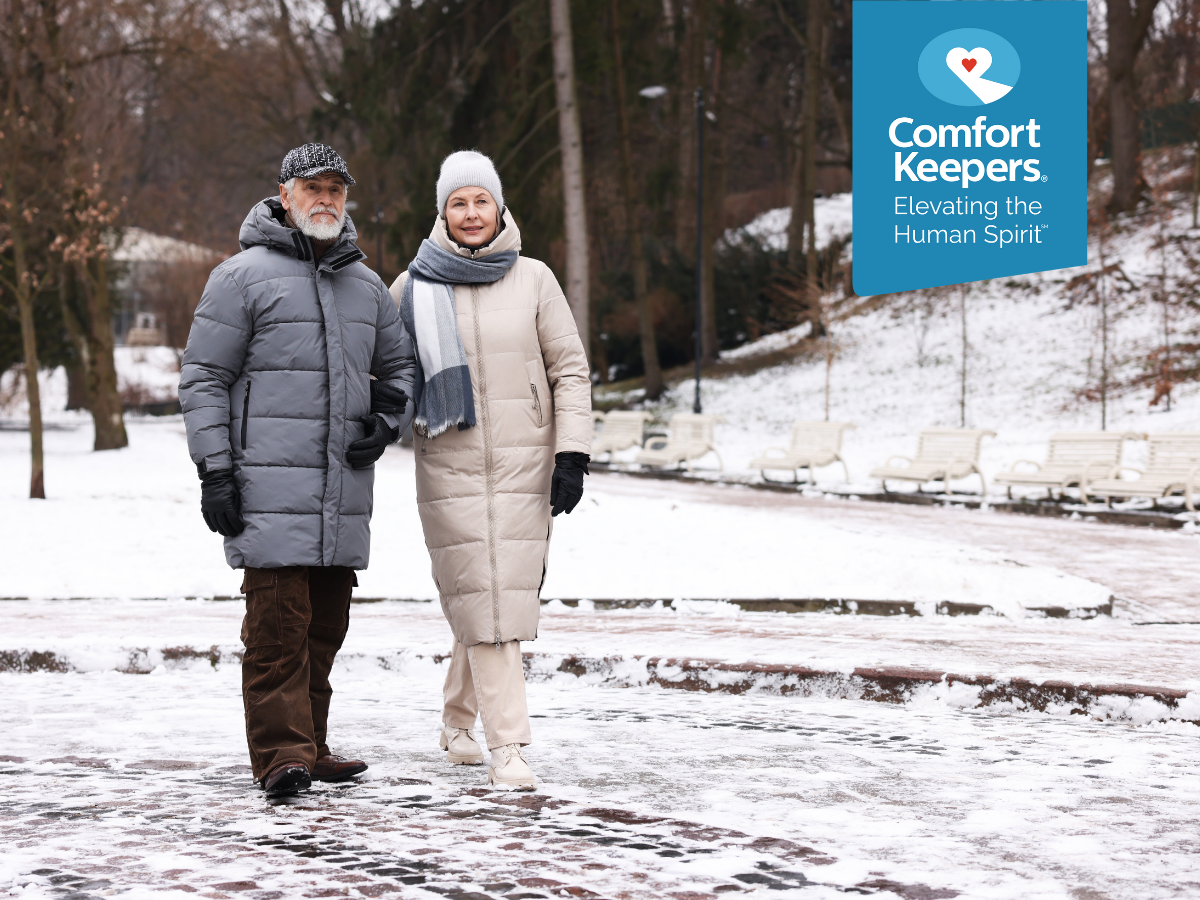
- Wear Layers. Wearing two or three thinner layers of loose-fitting clothing is warmer than a single layer of thick clothing. Seniors should always wear layers, as well as a hat, gloves or mittens, a coat and boots, and a scarf to cover the mouth and nose and protect the lungs from cold air.
The Best Senior Home Care in North and West Vancouver is Comfort Keepers®
Our senior home care agency offers in-home care focusing on aging in place. Our services include: dementia care, end-of-life care, post-surgery care, and palliative care. Comfort Keepers can assist seniors with living transition services, personal care, companionship care, and more!
Quality and Accredited Elderly Care: Happier, Healthier, and at Home with 24/7 Senior Care Opportunities!
Do you need a home care solution for yourself or a loved one? Have you been thinking about retirement homes and their alternatives as a solution? Comfort Keepers® enables seniors to maintain happy, healthy lives in the comfort of their own homes. In-home care services are available in North Vancouver, West Vancouver, and the surrounding areas.
Comfort Keepers® is a Senior Care Agency That Can Make a Difference with Interactive Caregiving™
Our in-home caregivers ensure our senior clients have the best quality of life. The Interactive Caregiving™ program ensures that a senior’s safety, nutrition, mental well-being, and everyday needs are met. This program brings joy and good health to each client’s home.
Comfort Keepers® North Vancouver and West Vancouver Can Help with In-Home Elderly Care Services!
If you are concerned about the health and well-being of a loved one we can help! Comfort Keepers offers 24-hour care and delivers top-quality and compassionate care for seniors. We are dedicated to safety technology solutions that foster independence and enhance well-being.
Locally Owned and Operated Home Health Care Agency
Our care centers around companionship for seniors. Empathetic care originates from the soul and allows us to meet our client’s requirements. The seasoned in-home caregivers employed by Comfort Keepers are carefully chosen based on their empathetic qualities.
Contact the Comfort Keepers® North Vancouver and West Vancouver office at (604) 998-8806 to learn more about our unique in-home care solutions for seniors.
Comfort Keepers is an Accredited Senior Care Agency in North and West Vancouver, BC
Comfort Keepers®, the premium home care service for Seniors on the North Shore, was awarded the “Accredited with Exemplary Standing” seal by Accreditation Canada. Achieving the highest available certification in Canada for Accredited Home care services demonstrates Comfort Keepers® commitment to offering safe, high-quality home care to its senior clients in North Vancouver and West Vancouver.
References:
AgingCare.com. “Little-Known Winter Dangers for Elders”. Web. 2015.
HealthInAging.org. “Winter Safety Tips for Older Adults”. Web. 2011.
National Institutes of Health (NIH). “When the Weather Gets Cold”. News in Health. January 2009. MedicineNet. “Winter Can Pose Hazards for Seniors, Expert Warns”. Web. 2013.
Senior Winter Safety: Keeping British Columbians Safe During Inclement Weather
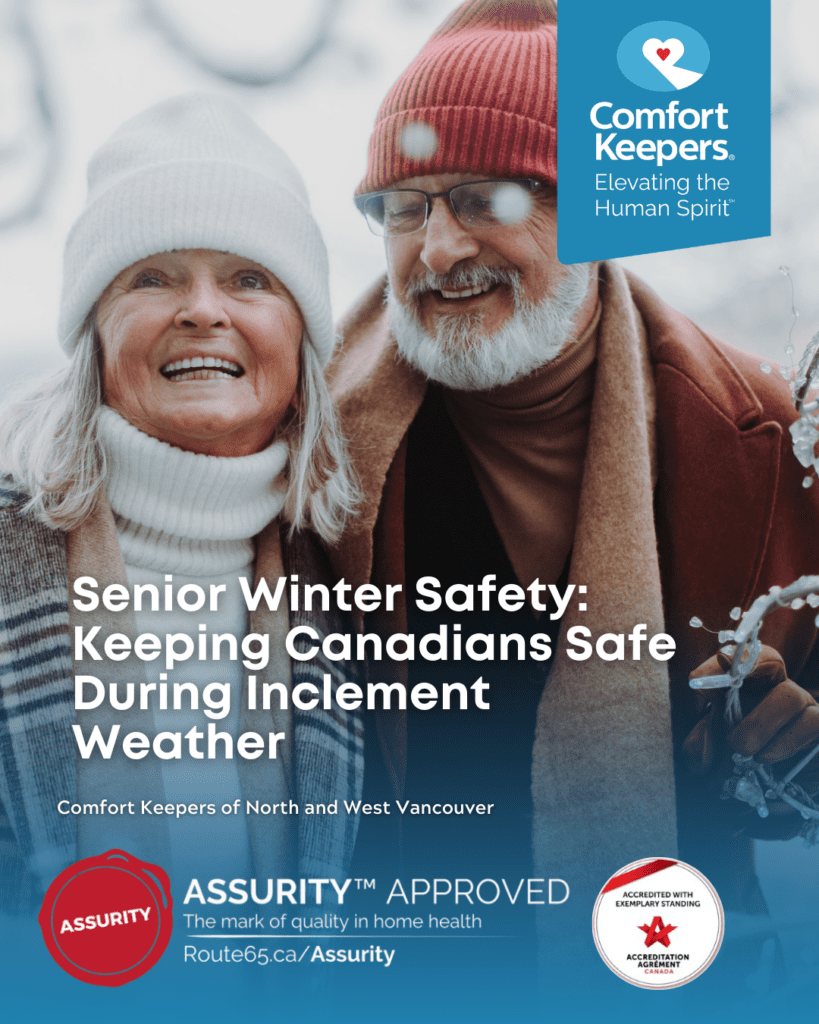
What Every Family in North Vancouver and West Vancouver Needs to Know About Inclement Weather Safety for Seniors
No matter where your client or loved one lives, bad or unexpected weather is bound to happen. It’s time to talk about Senior Winter Safety!
Here is a quick guide for protecting seniors around their homes ─ and when they are out and about.
Senior Winter Safety Fast Facts: The Red Cross online guide, “Disaster Preparedness For Seniors By Seniors” includes tips and supply checklists.
Senior Winter Safety and Power Outages
Whether it’s a winter storm, during a flood, or hurricane season ─ snow, ice, rain, and wind can cause power outages.
How to prepare a senior for power outages:
#1. Emergency Numbers:
Supply the phone numbers of all utility companies including power, gas, and water. Also include emergency numbers such as the fire department, police, doctor, and home care provider. Quick access to these phone numbers is crucial.
#2. Working Flashlights
Make sure seniors are equipped with working flashlights and a battery-powered radio. Have extra batteries on hand.
#3. Be Prepared:
Seniors should stockpile warm blankets and non-perishable foods, and if it’s cold or damp, wear several layers of clothing, including a hat. Moving around also raises body temperature.
#4. Alert Authorities of Home Medical Devices
Does your senior rely on a home medical device powered by energy? As soon as an essential medical device is put in service in the home, the local electric utility (and sometimes other authorities) should be notified of its existence and need. This can put your loved one on a list for immediate attention during a power outage.
Senior Winter Safety and Carbon Monoxide Poisoning
Burning wood, natural gas, kerosene and other fuels produce carbon monoxide, a deadly gas that no one can see or smell. Unless fireplaces, wood and gas stoves, and gas appliances are properly vented, cleaned, and used, they can leak dangerous amounts of carbon monoxide.
These and other appliances, such as kerosene and electric heaters, can also be fire hazards.
Here are some sound safety measures to prevent carbon monoxide poisoning:
#1. Call an inspector:
Chimneys and flues need to be inspected yearly and cleaned when necessary. (Ask the local fire department to recommend an inspector, or look up “chimney cleaning” for your area.)
#2. Air the room out:
Open a window. Just a crack will do when using a kerosene stove.
#3. Install detectors:
Use carbon monoxide detectors. Put battery-operated carbon monoxide and smoke detectors near fireplaces, wood stoves, or kerosene heaters.
#4. Ensure proper heating appliances:
Never allow someone to heat a home using a gas stove. Charcoal grills or other stoves are not made for home heating.
Senior Winter Safety and Driving Tips
Adults 65 and older are involved in more car accidents per mile driven than those in any other age group.
Because driving can be more hazardous during bad weather, seniors should:
#1. Winter vehicle maintenance:
Have the car weatherized ahead of time. This means having antifreeze, tires, and windshield wipers checked and changed, as needed.
#2. Travel with phone:
Take a cell phone when driving in bad weather. Seniors should always let someone know where they are going and when they expect to arrive, in case a call for help is necessary.
#3. Plan your route:
Avoid wet or icy roadways, overpasses, or bridges, if possible. Check the news (or go online) for road conditions. It may be wise to consider a different route.
#4. Prepare a winter kit for the car:
Stock the car with basic emergency supplies, such as:
- a first aid kit
- blankets
- extra warm clothes
- booster cables
- a good quality windshield scraper
- rock salt, a bag of sand, or cat litter for wheel traction
- containers of water, canned or dried foods, and a can opener
- a flashlight and a shovel
Senior Winter Safety and Slippery Surfaces
Falls are common for senior citizens and can cause major injuries such as hip and wrist fractures, head trauma, and major lacerations. It is easy to slip and fall, especially in wet, icy, and snowy conditions.
Here are some precautions that can be taken:
#1. Shovelling:
Shovel snowy steps and walkways for seniors or hire someone. At home, seniors should stay inside until pathways are shovelled. When away, they should look for sidewalks that are dry and cleared.
#2. Proper footwear:
Seniors should wear boots with non-skid soles to prevent slippage. Have them remove footwear as soon as they return indoors because rain, snow, and ice can be tracked in and lead to slippery conditions inside.
#3. Secure walking aides:
If a senior uses a cane, replace the rubber tip before it is worn smooth. You might also buy (at a medical supply store) an ice pick-like attachment that fits onto the end of the cane.
With a sound plan in place, seniors can be properly prepared for inclement weather.
The Best Senior Home Care in North and West Vancouver is Comfort Keepers®
Our senior home care agency offers in-home care focusing on aging in place. Our services include; dementia care, end-of-life care, post-surgery care, and palliative care. Comfort Keepers can assist seniors with living transition services, personal care, companionship care, and more!
Quality and Accredited Elderly Care: Happier, Healthier, and at Home with 24/7 Senior Care Opportunities!
Do you need a home care solution for yourself or a loved one? Have you been thinking about retirement homes and their alternatives as a solution? Comfort Keepers® enables seniors to maintain happy, healthy lives in the comfort of their own homes. In-home care services are available in North Vancouver, West Vancouver, and the surrounding areas.
Comfort Keepers® is a Senior Care Agency That Can Make a Difference with Interactive Caregiving™
Our in-home caregivers ensure our senior clients have the best quality of life. The Interactive Caregiving™ program ensures that a senior’s safety, nutrition, mental well-being, and everyday needs are met. This program brings joy and good health to each client’s home.
Comfort Keepers® North Vancouver and West Vancouver Can Help with In-Home Elderly Care Services!
If you are concerned about the health and well-being of a loved one we can help! Comfort Keepers offers 24-hour care and delivers top-quality and compassionate care for seniors. We are dedicated to safety technology solutions that foster independence and enhance well-being.
Locally Owned and Operated Home Health Care Agency
Our care centers around companionship for seniors. Empathetic care originates from the soul and allows us to meet our client’s requirements. The seasoned in-home caregivers employed by Comfort Keepers are carefully chosen based on their empathetic qualities.
Contact the Comfort Keepers® North Vancouver and West Vancouver office at (604) 998-8806 to learn more about our unique in-home care solutions for seniors.
Comfort Keepers is an Accredited Senior Care Agency in North and West Vancouver, BC
Comfort Keepers® North and West Vancouver accredited with Exemplary Standing with Accreditation Canada. Accreditation is an intensive process in which industry experts examine an organization’s processes, policies, and procedures against quality standards. To achieve accredited status, Comfort Keepers® met or exceeded the rigorous standards for Home Care companies, outlined by Accreditation Canada.
References:
- American Red Cross. “Disaster Preparedness for Seniors by Seniors”. Web. 2015.
- AgingCare.com. “Little-Known Winter Dangers for Elders”. Web. 2015.
- HealthInAging.org. “Winter Safety Tips for Older Adults”. Web. 2011.
- National Institutes of Health (NIH). “When the Weather Gets Cold”. News in Health. January 2009.
- MedicineNet. “Winter Can Pose Hazards for Seniors, Expert Warns”. Web. 2013.