



Caring for a loved one with dementia can be overwhelming. Families often struggle with questions like “Is it safe for them to live alone?” or “How do we manage memory loss, confusion, or daily care?”
At Comfort Keepers Prince George, we provide specialized dementia home care that helps seniors remain safe, comfortable, and independent right where they feel best: at home.
What Is Dementia Home Care?
Dementia home care is professional, in-home support designed for seniors living with:
- Alzheimer’s disease
- Vascular dementia
- Lewy body dementia
- Other forms of memory loss
Unlike basic home support, dementia care focuses on routine, safety, emotional reassurance, and cognitive support, all tailored to the individual.
Why Families in Prince George Choose Dementia Care at Home
Many families search for dementia home care in Prince George, Quesnel and Vanderhoof because they want to avoid or delay long-term care placement.
In-home dementia care can help by:
- Reducing confusion caused by unfamiliar environments
- Supporting daily routines that calm anxiety
- Lowering the risk of falls and wandering
- Providing companionship and emotional stability
Familiar surroundings often lead to better quality of life for seniors with dementia.
Our Dementia Home Care Services in Prince George, Quesnel and Vanderhoof area
Comfort Keepers provides personalized dementia home care plans, including:
Cognitive & Emotional Support
- Gentle reminders and structured routines
- Calm communication techniques
- Activities that stimulate memory and engagement
Daily Living Assistance
- Bathing, grooming, and dressing
- Meal preparation and hydration reminders
- Light housekeeping and laundry
Safety & Mobility Support
- Fall prevention
- Wandering prevention strategies
- Supervision for day and night
Companionship
- Meaningful conversation
- Familiar activities and hobbies
- Emotional reassurance for both seniors and families
Signs Your Loved One May Need Dementia Home Care
Families often delay seeking help. If you notice these signs, it may be time to consider professional support:
- Forgetting medications or meals
- Increased confusion or agitation
- Difficulty with personal hygiene
- Unsafe behaviors (leaving stove on, wandering)
- Caregiver burnout or exhaustion
Early dementia home care can prevent emergencies and ease stress for everyone involved.
Why Choose Comfort Keepers Prince George?
Families trust Comfort Keepers because we offer:
✔ Specially trained caregivers
✔ Personalized care plans
✔ Flexible schedules (part-time to 24/7 care)
✔ Local Prince George care team
✔ Focus on dignity, respect, and independence
Our approach goes beyond basic care—we support the whole person.
Frequently Asked Questions (FAQ)
What is the difference between dementia care and regular home care?
Dementia care includes specialized training, communication techniques, safety planning, and cognitive support tailored specifically for memory loss.
Can dementia home care delay long-term care placement?
Yes. Many families use in-home dementia care to safely keep loved ones at home longer.
Is dementia home care available 24/7 in Prince George, Quesnel and Vanderhoof?
Yes. Comfort Keepers offers flexible care schedules, including overnight and 24-hour care.
Do caregivers have dementia-specific training?
Yes. Comfort Keepers caregivers receive training focused on dementia and Alzheimer’s care.
How soon can care start?
In many cases, care can begin within days after an assessment.

Get Dementia Home Care in Prince George Today
If someone you love is living with dementia, you don’t have to navigate this journey alone.
Contact Comfort Keepers Prince George today to schedule a free in-home consultation and learn how our dementia care services can enhance safety, comfort, and peace of mind.
Call now or request care online to speak with our local care team.
Comfort Keepers® is here to assist. We provide support to loved ones at home with daily living activities, household chores, and by promoting healthy eating habits and medication adherence. Reach out to your local Comfort Keepers office to explore the various in-home care services we provide.
7 Early Signs of Alzheimer’s and Dementia Families in Prince George Shouldn’t Ignore

Alzheimer’s disease and other forms of dementia affect thousands of Canadian families every year—including many right here in the Prince George area. While some forgetfulness is a normal part of aging, certain changes in memory, behaviour, or thinking may be early warning signs of something more serious.
Recognizing these symptoms early can make a big difference in getting the right care and support for your loved one.
Here are 7 early signs of Alzheimer’s and dementia to watch for:
1. Memory Loss That Affects Daily Life
It’s normal to forget names or misplace keys occasionally. But when memory problems start to disrupt everyday life, such as forgetting important dates, repeating the same questions, or putting items in unusual places, it may signal something more serious.
2. Difficulty Planning or Solving Problems
Tasks that once felt simple, like managing household bills, following a recipe, or keeping track of medications, may suddenly become confusing or overwhelming. This can be an early sign of cognitive decline.
3. Trouble Completing Familiar Activities
Everyday routines can become difficult. Someone might struggle to drive to a familiar location, operate the coffee maker, or remember the rules to a favourite card game.
4. Confusion with Time or Place
Losing track of dates, seasons, or even where they are is common in the early stages of dementia. A loved one may feel disoriented, forgetting how they got somewhere or believing they are living in another year.
5. Changes in Communication and Language
Finding the right words, following a conversation, or expressing thoughts can become harder. A loved one may stop mid-sentence, repeat themselves often, or call objects by the wrong name.
6. Poor Judgment or Decision-Making
Declining judgment can lead to unusual choices, such as dressing inappropriately for the weather, neglecting personal hygiene, or giving away large amounts of money.
7. Withdrawing from Social Activities
A person may pull away from hobbies, community groups, or family gatherings they once enjoyed. This withdrawal is often caused by frustration, embarrassment, or confusion.
How Comfort Keepers Prince George Can Help
If you notice these changes in someone you love, it can feel overwhelming, but you don’t have to face it alone. At Comfort Keepers Prince George, our compassionate caregivers provide specialized dementia and Alzheimer’s care right in the home.
We focus on keeping seniors safe, comfortable, and engaged, while giving families the peace of mind that their loved one is in good hands.
📞 Contact Comfort Keepers Prince George today to learn how we can support your family with personalized care services.
Comfort Keepers® is here to assist. We provide support to loved ones at home with daily living activities, household chores, and by promoting healthy eating habits and medication adherence. Reach out to your local Comfort Keepers office to explore the various in-home care services we provide.
Alzheimer’s & Dementia Home Care: How Comfort Keepers Prince George Can Help Your Loved Ones

Caring for a loved one with Alzheimer’s or dementia can be challenging, but Comfort Keepers Prince George is here to make the process easier and more fulfilling. We’re committed to helping seniors maintain their independence, dignity, and quality of life, all while providing the care and support they need to live safely in the comfort of their own homes.
If you have a loved one who is facing the challenges of Alzheimer’s or dementia, Comfort Keepers Prince George offers specialized in-home care that can make a world of difference. Here’s how we help families manage the complex needs of seniors living with dementia.
1. Specialized Caregivers for Alzheimer’s and Dementia
At Comfort Keepers Prince George, we know that every individual is unique, especially when it comes to Alzheimer’s and dementia care. Our caregivers are specially trained to handle the challenges associated with these conditions. With empathy and expertise, our team develops a personalized care plan that meets the physical, emotional, and mental needs of your loved one.
2. Education and Support for Families
Caring for someone with dementia can feel overwhelming, but you don’t have to do it alone. We provide family education that helps you understand the symptoms and progression of Alzheimer’s disease and dementia. This empowers you with the knowledge to better support your loved one and navigate the caregiving journey with confidence.
3. Engaging Activities for Cognitive and Emotional Well-being
Our caregivers use engaging, tailored activities to promote mental stimulation and emotional wellness. We understand the importance of keeping the mind active and the spirit uplifted. From listening to music from their favorite era, reading beloved books, or working on memory exercises through family photos and stories, we aim to bring joy and mental stimulation to each day.
4. Comprehensive In-Home Services
Comfort Keepers Prince George offers a wide range of in-home services designed to support every aspect of your loved one’s well-being, including:
- Personal care: Assistance with daily tasks such as bathing, dressing, and grooming.
- Companionship: Meaningful social interaction to help reduce feelings of loneliness.
- Medication reminders: Ensuring that medications are taken on time.
- Family respite care: Providing relief for family caregivers by offering professional support.
5. SafetyChoice® Technology for Peace of Mind
Safety is a top priority, especially when caring for someone with dementia. Comfort Keepers Prince George offers SafetyChoice® in-home safety technologies, including medical alert systems and motion detectors, to ensure that your loved one is safe at all times. These technologies provide you with peace of mind, knowing that help is just a button press away.
6. Personalized Care Plans for Individual Needs
Alzheimer’s and dementia affect each person differently, which is why our caregivers create individualized care plans tailored to your loved one’s specific needs. As their condition evolves, so does the care plan. Comfort Keepers Prince George ensures that the care provided is always aligned with their current needs, whether physical, emotional, or cognitive.
7. Support for Nutrition and Exercise
Maintaining a healthy body is just as important as keeping the mind sharp. Our caregivers assist with physician-prescribed nutrition and exercise programs, helping seniors maintain strength and mobility. We also ensure that meals are prepared according to any specific dietary needs or restrictions.
8. Referral to Medical Professionals and Support Networks
Beyond providing in-home care, Comfort Keepers Prince George connects families with local medical professionals, support groups, and other resources that can make a significant difference in managing Alzheimer’s and dementia. Our goal is to ensure you have all the support you need, both professionally and emotionally.
How Comfort Keepers Prince George’s Interactive Caregiving™ Can Improve Dementia Care
One of the key elements of our caregiving approach is Interactive Caregiving™. This philosophy emphasizes personal engagement between the caregiver and the senior. By developing a relationship built on understanding, Comfort Keepers caregivers are able to incorporate activities that are both mentally stimulating and emotionally fulfilling.
Our caregivers take the time to get to know each client personally, learning about their preferences, history, and hobbies. These insights help us create a care plan that not only meets their physical needs but also supports their cognitive and emotional well-being. Activities like reminiscing through family photos, enjoying their favorite music, or simply having a meaningful conversation all contribute to a higher quality of life.
What Comfort Keepers Caregivers Provide:
- Personalized care plans focused on both physical and non-physical needs.
- Meaningful activities that promote mental and physical stimulation, based on individual interests and capabilities.
- Companionship to reduce isolation and support emotional well-being.
- Support for medical nutrition and exercise programs prescribed by physicians.
- Referral to professionals and resources for additional support and guidance.
Expert Tips for Caring for Alzheimer’s and Dementia Patients at Home
Caring for a loved one with Alzheimer’s or dementia requires patience, flexibility, and a calm approach. The Mayo Clinic offers several tips to help manage daily tasks and care for someone with dementia:
- Reduce frustrations: Give your loved one extra time to complete tasks and avoid rushing them.
- Be flexible: Understand that their needs may change as dementia progresses.
- Create a safe environment: Make sure the home is free of hazards and well-suited for their condition.
- Focus on individualized care: Tailor your caregiving approach to suit their specific preferences and needs.
Comfort Keepers Prince George caregivers are trained to follow these guidelines, ensuring that your loved one receives the best possible care in a safe and supportive environment.
Conclusion
Comfort Keepers Prince George is here to offer compassionate, specialized care for seniors living with Alzheimer’s or dementia. Our caregivers not only help with daily activities but also engage your loved one in meaningful ways that enhance their emotional and cognitive health. With personalized care plans, expert training, and cutting-edge safety technologies, we aim to improve the lives of seniors and provide families with peace of mind.
If you’re looking for support in caring for a loved one with Alzheimer’s or dementia, reach out to Comfort Keepers Prince George today. We’re here to help make this challenging journey a little easier and a lot more rewarding for both you and your loved one.





Comfort Keepers® is here to assist. We provide support to loved ones at home with daily living activities, household chores, and by promoting healthy eating habits and medication adherence. Reach out to your local Comfort Keepers office to explore the various in-home care services we provide.
Effective Strategies for Communicating with Seniors with Dementia – part I
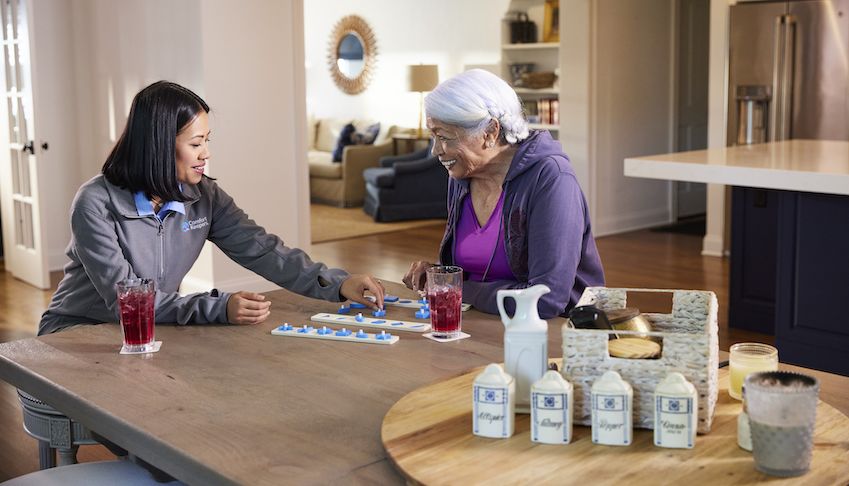
People with dementia not only have difficulty expressing thoughts and emotions but also have trouble understanding others.
Dementia, a complex ailment, defies classification as a standalone disease. Rather, it represents a collection of distressing symptoms that profoundly impact memory, cognition, and social skills, ultimately disrupting one’s everyday life. By definition, dementia signifies a breakdown in two or more brain functions, spanning from memory loss to compromised decision-making, extending to an inability to execute routine tasks like managing finances or preparing meals. In addition, Alzheimer’s disease and other types of dementia gradually erode an individual’s capacity to communicate effectively.
Difficulty with Senior Communication: Look for Clues
Changes in the ability to communicate are unique to each person with dementia. The family and/or caregiver may recognize changes such as:
- Using familiar words repeatedly
- Inventing new words to describe familiar objects
- Easily losing his or her train of thought
- Reverting to a native language
- Having difficulty organizing words logically
- Speaking less often
A Guide to Effective Communication During the Different Stages of Dementia
Stage 1: Mild Cognitive Impairment (MCI) During the early stage of Alzheimer’s or other dementias, seniors may experience mild memory loss and occasional difficulty finding the right words. Communication may still be relatively unaffected, but you should be prepared for subtle changes. Here are a few tips for effective communication during this stage:
- Use simple and straightforward language: Keep your sentences concise and avoid complex vocabulary. Use familiar terms and try to speak in a calm and reassuring tone.
- Be patient and offer support: Allow the person time to gather their thoughts and avoid rushing them. Offer gentle reminders if they struggle to find the right words. Express empathy and lend a listening ear.
- Use visual aids and gestures: Incorporate visual cues or gestures to reinforce your message. This can be helpful for individuals experiencing mild memory loss.
Stage 2: Moderate Cognitive Decline During the moderate stage of Alzheimer’s or other dementias, communication becomes more challenging. Memory loss intensifies, and individuals may struggle to communicate their needs and thoughts effectively. Here are some strategies to enhance communication during this stage:
- Maintain eye contact and be mindful of non-verbal cues: Pay attention to facial expressions and body language to better understand their emotions and needs. Maintain eye contact, as it can help establish a connection and build trust.
- Simplify choices: Avoid overwhelming the person with too many options. Instead, present choices one at a time, using visual aids if necessary. For example, when asking what they would like to eat, show them pictures of available options.
- Use reminiscence as a communication tool: Tap into the person’s long-term memory by encouraging conversations about their past. This can evoke positive emotions and stimulate dialogue.
Stage 3: Severe Cognitive Decline In the advanced stage of Alzheimer’s or other dementias, communication abilities deteriorate significantly. Individuals may struggle to understand or respond to verbal cues. However, it’s important to continue engaging with them and making efforts to communicate effectively:
- Non-verbal communication becomes crucial: Utilize touch, facial expressions, and gentle gestures to convey your emotions and intentions. Physical contact, such as holding their hand, can provide comfort and a sense of security.
- Engage through sensory stimulation: Explore activities that engage the person’s senses, such as listening to familiar music or touching textured objects. These activities can help evoke memories and provide a means of connection.
- Remain present and validate emotions: Despite the decline in communication abilities, emotions still play a significant role. Show empathy and validate their feelings through non-verbal cues, even if they struggle to express themselves verbally.
Communicating with elders during the different stages of Alzheimer’s and other dementias requires flexibility, patience, and understanding. By adjusting your approach to fit their evolving needs, you can create meaningful connections and maintain their dignity throughout their journey. Remember to always be present, compassionate, and receptive to their non-verbal cues.
Always remember to treat a person with dementia with dignity and respect. Don’t talk about them as if they are not there, or talk to them as you would to a young child, and be patient. Offer them ongoing comfort and reassurance, too. If he or she is having trouble communicating, let the person know that it’s okay. Encourage the person to continue to explain his or her thoughts, no matter what.