
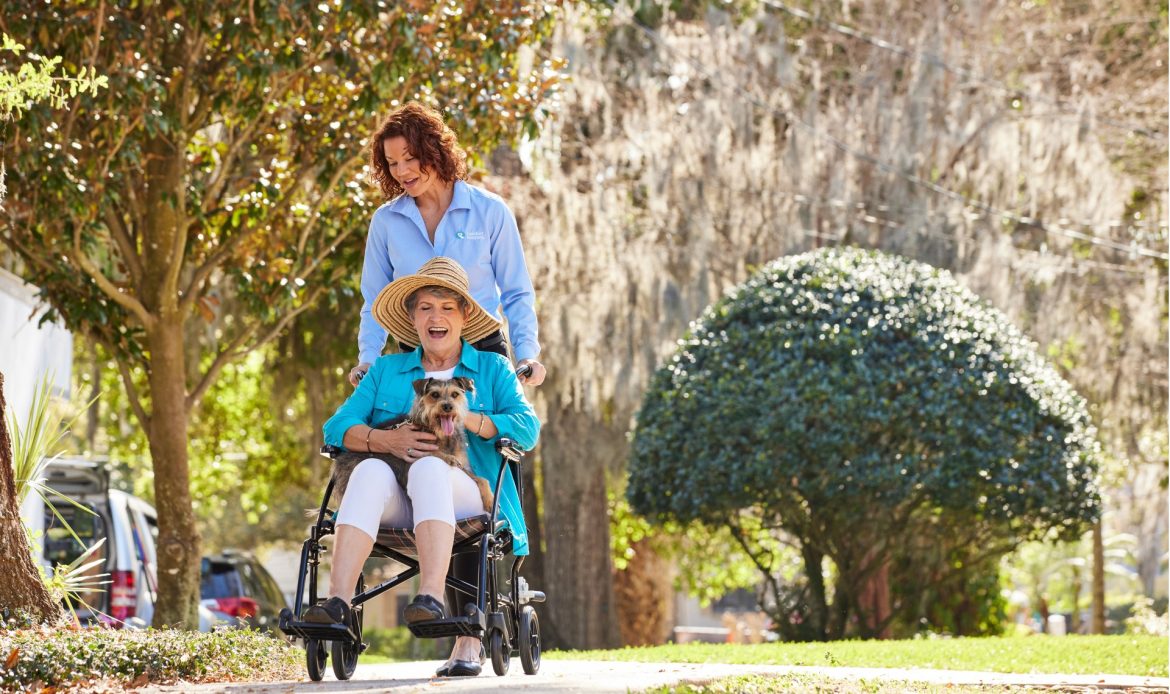
Being out in the sunshine is a summertime tradition. Many seniors say being outside is one of the things they enjoy most. But it’s important to practice sun safety, which means protecting your skin and enjoying long summer days safely. Skin cancer is the most common of all cancer types in Canada. About one-third of all new cases of cancer in Canada are skin cancers, and the rate continues to rise.
For seniors, these prevention steps can be even more important than at any other age. For most people, skin cancer is the result of a series of sun-damaging events that occur throughout life. It makes sense that more years of living can mean more cumulative sun exposure over time.
Between 40% and 50% of Canadians who live to age 65 will have skin cancer at least once.
Every suntan and sunburn has the potential to contribute to future skin cancer. Factor in the increase in outdoor activities that some seniors embrace in retirement, plus the fact that skin can become more sensitive with age, and it’s easy to see why skin cancer may be a concern.
Taking a few precautions to prevent skin damage can allow seniors to continue to enjoy the sunshine with more confidence:
- Avoiding the hottest time of the day – From 10am-4pm, the sun’s rays are often most intense. To reduce sun exposure, seniors can plan outdoor activities for the morning or evening when possible. If heat is also a concern, they should avoid the hottest part of the day and watch for signs of dehydration.
- Having appropriate cover – Planning ahead to ensure shade is available is an important step in avoiding sun damage. For outdoor activities where shade is limited, a wide-brimmed hat or parasol can provide some protection. Sun-protective clothing can also help, such as light-coloured, long-sleeved shirts and long pants. It’s also important for seniors to develop the habit of wearing sunglasses whenever they’re outdoors.
- Remember to use sunscreen – For seniors spending time in the sun, broad-spectrum, water-resistant sunscreen with SPF 30 or higher is essential. It should be reapplied at least every two hours, and right after swimming or heavy sweating.
- Practicing medication safety – Seniors should talk to a doctor or pharmacist about their medications before participating in outdoor activities. Some prescriptions can increase sun sensitivity, and additional precautions may be necessary.
- Knowing the signs of skin cancer – Seniors should ask a doctor what skin changes to watch for and whether regular skin checks are recommended. Early detection is important for treating skin cancer effectively.
Comfort Keepers Can Help
For seniors who want to get outside and enjoy the summer safely, the trusted care team at Comfort Keepers can help. Our caregivers can assist with transportation to appointments and events, help support warm-weather safety at home and outdoors, and support physician-prescribed exercise and activity plans. Our goal is to help clients find joy and comfort in each day, regardless of age.
To learn more about our in-home care services, contact Comfort Keepers today.
References
Government of Canada. “Skin Cancer.” Web. 2018.
Skin Cancer Foundation. “The Sun Keeps Rising: Why Seniors Can’t Skip UV Protection.” Web. 2015.
Aging and Disease. “Skin Cancer Epidemics in the Elderly as an Emerging Issue in Geriatric Oncology.” Web. 2017.
Cancer.Net. “Skin Cancer (Non-Melanoma): Risk Factors and Prevention.” Web. 2018.
American Academy of Dermatology. “Skin Cancer.” Web. 2018.It’s also important for seniors to develop the habit of wearing sunglasses whenever they’re outdoors