
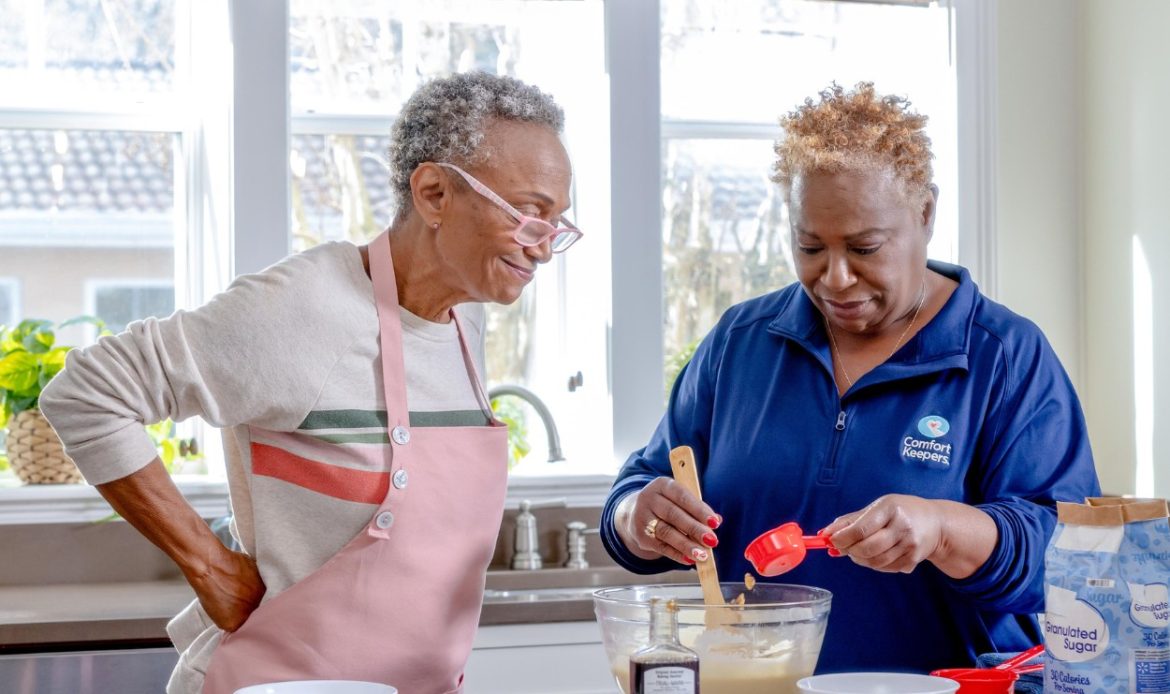
The kitchen is often the central gathering place in a home. Family dinners, special occasions, and time together all happen there. Making sure the kitchen stays safe and welcoming matters.
When it comes to kitchen safety for seniors, the risks tend to fall into three areas:
Fire risk: Cooking is a leading cause of home fires, and many fires start in the kitchen.
Fall risk: Items stored out of reach, slippery floors, and carrying meals to another room can all increase the chance of a fall.
Higher vulnerability: Older adults face a higher risk of serious injury or death in a home fire than the general population.
If you want to make the kitchen as safe as possible for an older loved one, focus on three key areas:
Fire prevention and safety: The primary cause of kitchen fires is unattended food. Seniors should not leave the kitchen when food is cooking. Automatic shut-off devices can help seniors who have memory concerns but still enjoy cooking. Loose clothing, kitchen towels, and potholders can catch fire if they are too close to the stove, so it’s important to keep fabric away from heat and flames. A qualified electrician should also check wiring and outlets regularly, especially in older homes.
Foodborne illness prevention: As our bodies change with age, foodborne illness can become more serious. Help reduce risk by storing food properly, checking fridge temperatures, reheating food thoroughly, cleaning old items out of the fridge and pantry regularly, and checking best-before and expiry dates.
Fall prevention: Reaching for items stored too high or too low can affect balance and increase fall risk. Keep frequently used items within easy reach, reduce clutter on counters, use bright lighting, and store heavier items at about waist height. Water is also a common issue in the kitchen. Spills from the sink, a leaking fridge, or pipe leaks can make floors slippery. Adding mats and checking water sources regularly can help.
The kitchen can still be a joyful place. A few intentional changes can help reduce the risk of accidents or illness, and reviewing kitchen safety tips is never a waste of time.
Comfort Keepers Can Help
Many Canadians aged 65+ need support with everyday activities such as eating, cooking, and getting in and out of bed or a chair. Our trained caregivers can help with these and other tasks, while engaging clients in activities that support quality of life. They can also support physician-approved diet and exercise plans, provide transportation to appointments and community events, and assess a home for safety issues and ways to reduce fall hazards.
To learn more about how we can help, contact us today.
REFERENCES:
Food and Drug Administration. “Food Safety for Older Adults.” Web. 2011.
Aging Care “Kitchen Fires: Make Cooking Safer for Seniors” Web. 2012.
The National Fire Protection Association. “Serve Up Safety in the Kitchen.” Web. 2020.
U.S. Fire Administration and the Federal Emergency Management Agency. “Fire Safety for Seniors.” Web. 2020.
Caring.com. “Making the Kitchen Safe and Convenient for Seniors.” Web.