

What is the most requested support service for the elderly?
Red Deer Senior Home Care | November 27, 2025
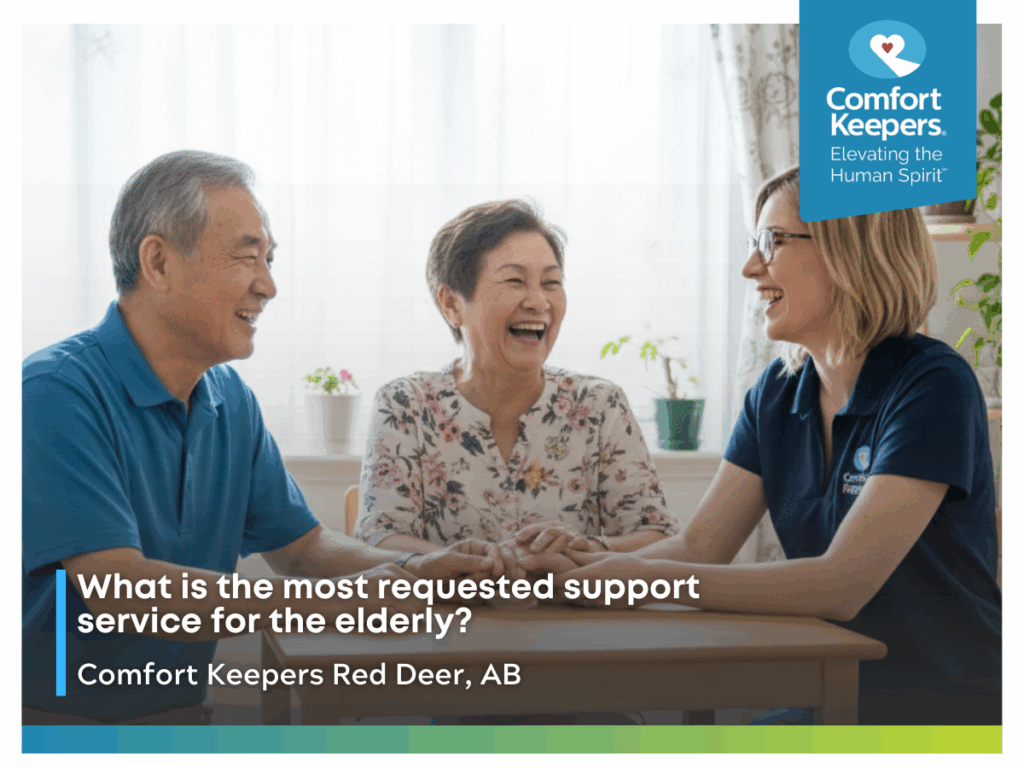
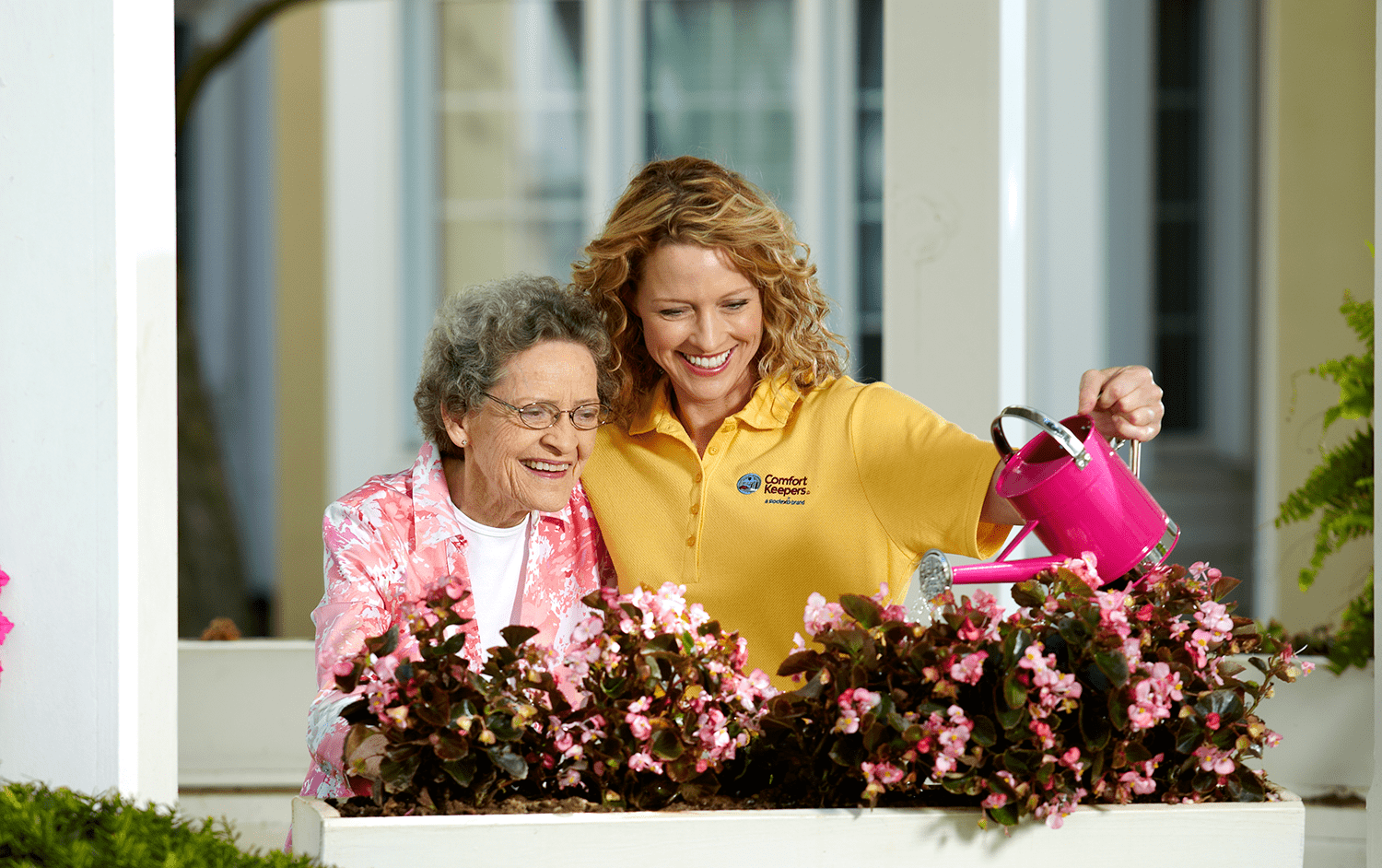
In-home care for the elderly is the most requested support service. This service allows seniors to maintain their independence, safety and well-being while staying in the comfort of their own homes.
Meeting the essential needs of older adults is crucial for ensuring their well-being, safety, and quality of life. While individual circumstances vary, the most important needs generally fall into several key categories that include physical, emotional, social, and practical support.
Physical Health and Personal Care
- Medical Needs & Healthcare: Managing chronic conditions, regular health check-ups, and medication management are vital. As people age, health complications like arthritis, diabetes, heart disease, and mobility issues become more common, requiring ongoing medical attention and support with medication routines.
- Assistance with Activities of Daily Living (ADLs): Many elderly individuals need help with everyday tasks such as bathing, dressing, toileting, grooming, and eating. Support in these areas ensures dignity, hygiene, and comfort.
- Mobility Assistance: With age, mobility can decrease due to muscle weakness, joint pain, or balance problems. Handrails, walkers, wheelchairs, and personal assistance can help seniors remain mobile and independent.
- Nutrition & Meal Preparation: Maintaining a healthy diet and receiving support with meal preparation is fundamental, especially for those with dietary restrictions or limited ability to shop or cook.
Safety and Home Environment
- Home Safety: Falls and accidents are a major concern for seniors. Home modifications – such as improved lighting, clutter removal, grab bars, and non-slip mats – are essential for reducing risks and enhancing independence.
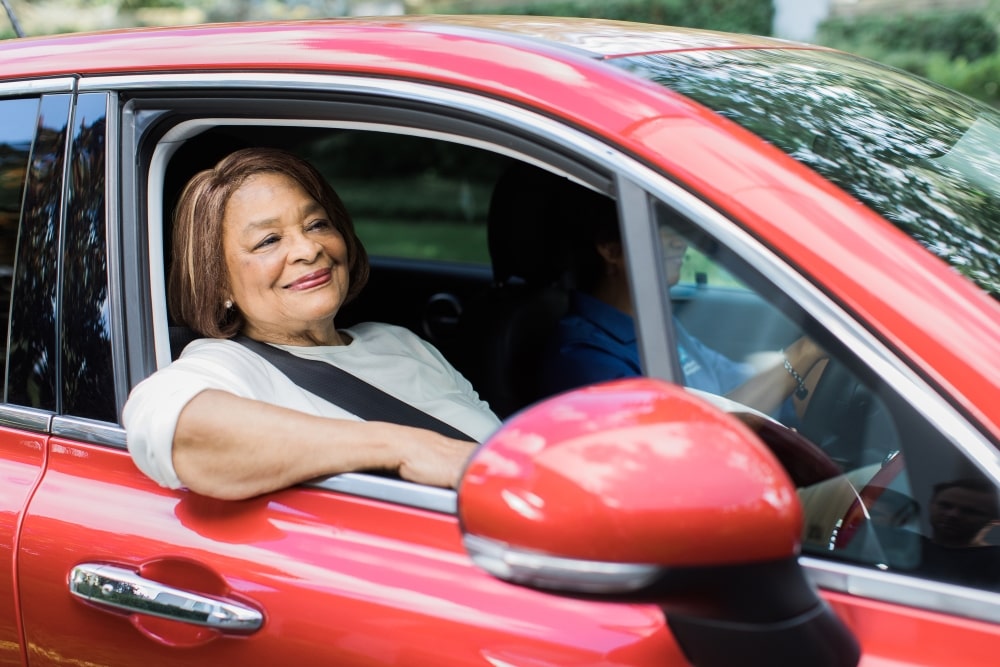
- Transportation: Driving may no longer be an option for some seniors. Access to reliable transportation for medical appointments, social events, and errands reduces isolation and supports autonomy.
Emotional and Psychological Well-being
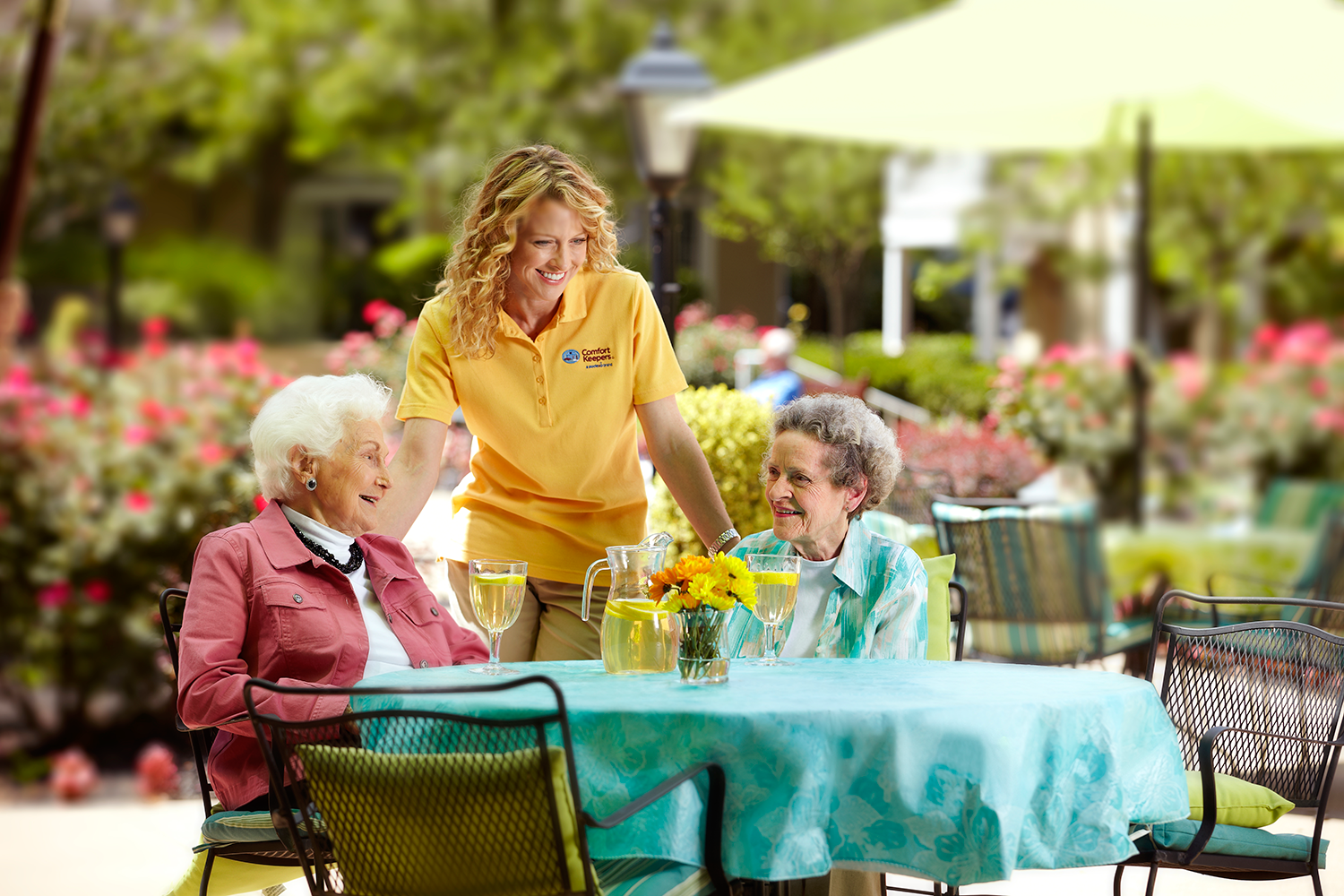
- Social Connection & Companionship: Loneliness is a significant threat to seniors’ mental health, increasing the risk of depression, anxiety, and cognitive decline. Regular interaction with family, friends, caregivers, or community groups is vital for maintaining purpose and joy.
- Community Engagement: Opportunities to participate in social, cultural, or religious activities help older adults stay connected and active in their communities, which fosters emotional fulfillment and reduces feelings of isolation.
- Cognitive Stimulation: Engaging in hobbies, puzzles, reading, and learning supports cognitive health and delays cognitive decline. Activities that challenge the mind are essential for ongoing mental stimulation.
Independence and Dignity
- Autonomy: Whenever possible, enabling seniors to make their own choices regarding daily activities, healthcare, and living arrangements supports their sense of self and dignity.
- Financial Security: Ensuring access to resources that help manage finances and pay for necessary services or support is an often overlooked but critical aspect of elder care.
Support Services and Practical Assistance
- Companion and Adult Day Services: In-home companion programs, friendly visitor services, and adult day care centers offer social interaction, supervision, and relief for family caregivers while enriching the senior’s daily experience.
- Technology and Assistive Devices: Tools such as medical alert systems, automatic jar openers, bed rails, and seat lifters can make daily life easier, safer, and more manageable for elderly individuals with physical limitations.
Expert Insights and Best Practices
- Experts recommend evaluating the individual needs of each older adult, as requirements can vary based on health, environment, support network, and personal preferences.
- Combining medical care with social, emotional, and practical support leads to the best outcomes for a senior’s health and happiness.
- Regular reassessment of needs is essential, as abilities and circumstances may change with time.
Actionable Steps for Families and Caregivers
- Conduct regular needs assessments with healthcare providers or care managers to identify gaps and necessary services.
- Support social interaction by organizing visits, encouraging participation in community events, or facilitating technology for virtual connections.
- Ensure a safe home by making modifications and using assistive devices tailored to the individual’s challenges and abilities.
- Maintain open communication with seniors about their preferences, concerns, and goals. Involve them in every aspect of their care plan.
Older adults need a holistic approach that blends health care, safety, social connection, cognitive engagement, and support for independence. These need to be tailored to their unique circumstances to promote fulfillment, dignity, and well-being as they age.
If you have questions about in-home care for the elderly, please contact Comfort Keepers Red Deer.
Individualized Home Care Options
Long-Term Home Care, 24 Hour Home Care & Short Term Care Options Customized for You