


Navigating the Heart of Home Care: Your Guide to a Smooth Transition
Making the decision to bring in-home care into a loved one’s life is rarely a single event. It’s a journey filled with complex emotions, practical questions, and a deep desire to do what’s best. You’re likely here because you see the need for extra support, but you’re also navigating the delicate balance of respecting independence while ensuring safety. It’s a path many families walk, especially as Canada’s senior population is set to reach over 10 million by 2037 and long-term care waitlists continue to grow.
You’re not just looking for a service; you’re looking for a partner. This guide is designed to be that partner, walking you through both the emotional landscape and the practical steps of this transition. We’ll transform confusion into confidence, helping you create a plan that brings peace of mind to your entire family.
Part 1: Recognising the Signs & Initiating the Conversation
The first, and often most difficult, step is starting the conversation. It requires empathy, patience, and a deep understanding of what your loved one might be feeling.
Understanding Resistance: The ‘Why’ Behind “No”
When a parent says, “I don’t need any help,” it’s rarely about the help itself. Research into the psychology of this transition shows that resistance is often rooted in profound, unspoken fears:
- Fear of Losing Independence: This is the most common concern. They fear that accepting help is the first step toward losing control over their life, their home, and their decisions.
- Fear of Being a Burden: Many seniors worry about the financial and emotional cost to their families, a feeling that can be intensified by bringing in professional care.
- Fear of the Unknown: A new person in their home disrupts deeply ingrained routines and a sense of privacy. It’s a significant change that can feel intrusive and unsettling.
Acknowledging these underlying emotions is the key. Instead of debating the need for help, start by validating their feelings. A simple, “I understand this is a big change, and it’s important to me that you feel in control,” can open the door to a more productive dialogue.
The Gentle Art of Conversation
Timing and approach are everything. Avoid bringing it up during a moment of crisis or frustration. Instead, use a strategy some experts call the 40/70 rule: have the conversation when you are 40% certain it’s needed, not 70% certain when you’re in an emergency.
Frame the conversation around a shared goal: maintaining their independence for as long as possible.
- Instead of: “You need help with cooking and cleaning.”
- Try: “I want to make sure you can stay in this house you love for years to come. What if we found someone to help with a few chores, so you have more energy for your gardening?”
By framing care as a tool to enable their lifestyle, you shift the focus from loss to empowerment. Involving them in the process from day one, researching agencies, interviewing caregivers, gives them a vital sense of agency.
Part 2: Planning the Practicalities: A Strategic Framework for Care
Once the conversation has begun, you can move toward building a practical framework. This stage is about gathering information and making informed decisions that align with your family’s needs and resources.
Mapping Out the Costs of In-Home Care
Financial questions are often a major source of stress. Gaining clarity here is crucial. The cost of in-home care varies based on the level of support needed, from a few hours of companionship per week to 24/7 medical supervision. It’s important to see this not just as an expense, but as an investment in safety and well-being. Quality in-home care can significantly reduce hospitalisations, which represents a “cost of not having care.”
When comparing options, look beyond the hourly rate. A professional agency provides vetted, insured, and trained caregivers, along with backup support if a caregiver is ill. This reliability is a critical part of the value.
Essential Legal Preparations
Proactive legal planning can prevent immense stress down the road. Before a crisis hits, ensure your loved one has key documents in place. This isn’t just about finances; it’s about honouring their wishes for their health and future.
Key documents to discuss include:
- Power of Attorney (POA) for Property: Appoints someone to manage financial affairs if they become unable.
- Power of Attorney for Personal Care: Appoints someone to make healthcare decisions on their behalf.
- A Will and/or Trust: Outlines their wishes for their estate.
Organising this information now ensures their choices are respected and reduces potential family disagreements.
Part 3: Preparing the Home and Welcoming Your Caregiver
With a plan in place, the focus shifts to creating an environment where both your loved one and their caregiver can thrive.
Creating a Safe and Supportive Home Environment
Simple modifications can make a world of difference in preventing falls and enhancing independence. Consider a home safety checklist that includes:
- Removing tripping hazards like throw rugs and clutter.
- Improving lighting in hallways, stairs, and bathrooms.
- Installing grab bars in the shower and next to the toilet.
Modern technology also offers incredible tools for peace of mind. Smart home devices, automated medication dispensers, and advanced fall detection systems can add a layer of safety without being intrusive, empowering seniors to live confidently at home.
What to Look For in a Caregiver: Beyond the Basics
Finding the right person is about more than just qualifications; it’s about connection. A trustworthy agency should be completely transparent about their hiring and training process. At Comfort Keepers, every caregiver undergoes a rigorous process including background checks, interviews, and comprehensive training.
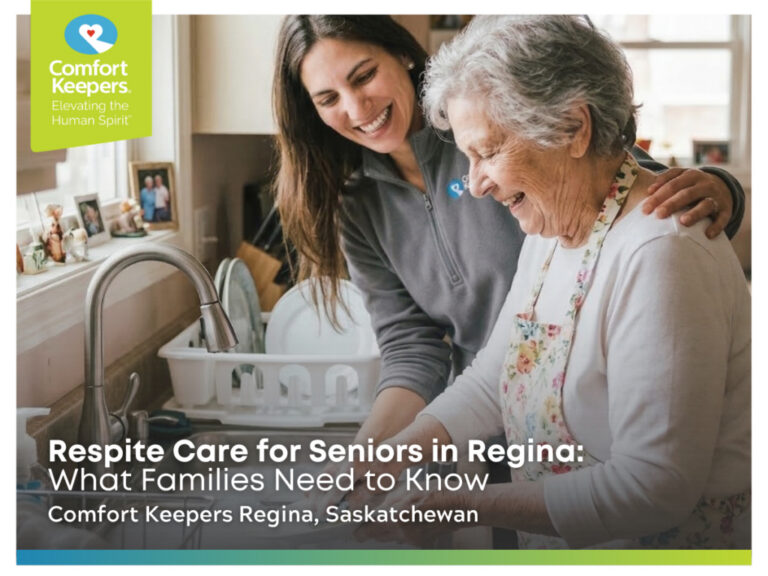
We go a step further with our Interactive Caregiving™ philosophy. This isn’t about passively doing tasks for a senior; it’s about actively doing things with them. Whether it’s preparing a meal together, working on a puzzle, or going for a walk, this approach fosters engagement, builds genuine relationships, and elevates their quality of life. The right caregiver becomes a trusted companion who brightens their day.
Part 4: Managing the Initial Adjustment and Fostering Acceptance
The first few weeks are a critical period of adjustment for everyone. Patience and realistic expectations are your best allies.
Starting Small: The “Trial Run” Approach
You don’t have to jump into a full-time schedule. Starting with just a few hours a week can be a powerful strategy. This “trial run” allows your loved one to get used to having a new person in their space on their own terms. It could begin with help for a specific task they find difficult, like grocery shopping or light housekeeping, creating an immediate, tangible benefit.
Establishing New Routines and Building Trust
Work with the caregiver to build a routine around your loved one’s existing preferences. Where do they like to read the paper? What time do they prefer to have lunch? Respecting these small rituals shows the caregiver is there to support their life, not disrupt it.
Encourage open communication. A simple logbook or a shared digital document where the family and caregiver can leave notes can be invaluable for ensuring everyone is on the same page. This is how trust is built, through reliability, respect, and clear communication.
Part 5: Sustaining Well-being for the Long Term
Successful in-home care is an evolving partnership that supports not just the senior, but the entire family.
For Family Caregivers: Preventing Burnout and Finding Support
Bringing in professional help can feel like a relief, but it can also bring up feelings of guilt. It’s vital to acknowledge that you are not failing; you are building a stronger support system. Family caregivers who get support are better able to provide loving oversight rather than exhausting hands-on care. Respite care services are specifically designed to give you a much-needed break to rest and recharge. Remember, taking care of yourself is essential to being able to care for others.
Evolving the Care Plan as Needs Change
A person’s care needs are not static. A great care provider will conduct regular assessments to ensure the care plan is still a perfect fit. The goal is to be a flexible, long-term partner, ready to adapt services as your loved one’s needs evolve, ensuring they always have the right level of support to thrive at home.

Your Questions About the Transition to In-Home Care, Answered
My parent is completely resistant to the idea. What can I do?
Start by listening. Acknowledge their fears about losing independence and privacy. Frame the conversation around how care can help them maintain their independence and stay in their own home. Suggest a trial run with just a few hours a week focused on a specific task they dislike, so they can experience the benefit firsthand.
How do we know we can trust a caregiver in our home?
This is a critical concern, and the answer lies in the agency’s process. Insist on transparency. Ask about background checks, insurance, training, and how they handle situations where a caregiver is ill. At Comfort Keepers, our rigorous vetting process and our philosophy of Interactive Caregiving™ are designed to build that essential trust from day one.
Is in-home care more expensive than a nursing home?
While 24/7 in-home care can be comparable in cost, many families find that a customized schedule of in-home care is more affordable and flexible than residential care. More importantly, it provides one-on-one attention and allows your loved one to stay in the familiar, comfortable environment they call home, a benefit that is truly priceless.
What if my parent’s needs change over time?
A key advantage of in-home care is its flexibility. A quality agency will work with you to regularly reassess needs and adjust the care plan accordingly. Services can easily be scaled up or down, from companionship to more specialised dementia or nursing care, ensuring your loved one always has the precise level of support they require.
How does Comfort Keepers’ Interactive Caregiving™ make a difference?
Traditional care can sometimes be passive. Interactive Caregiving™ is different. It’s a scientifically-based approach that transforms daily activities into opportunities for engagement, mentally, physically, and socially. By doing tasks with our clients instead of for them, we help them stay active and connected, which has been shown to improve overall health and well-being. It’s the difference between simply being cared for and truly living a joyful, purposeful life.
Your Partner on the Path to Peace of Mind
This transition is a journey of the heart. It’s about ensuring the person who once cared for you now receives the best possible care, dignity, and respect. You don’t have to navigate it alone.
At Comfort Keepers Regina, we are more than just a service provider, we are a partner in care. We understand the emotional and practical challenges you face, and we are here to provide the support, expertise, and compassion your family deserves.
Let’s create a personalized care plan together. Schedule a no-obligation in-home assessment with our Regina team today and take the first step toward lasting peace of mind.
The Best, Expert Senior Home Care in Regina, Saskatchewan is Comfort Keepers®
At Comfort Keepers®, we provide personalized, compassionate in-home care services for seniors in Regina, Moose Jaw, Weyburn, Estevan, Swift Current, Yorkton and White City.
The team at Comfort Keepers Regina is proud to provide home care that keeps seniors safe. We support Saskatchewan families each year with home care services for seniors—helping loved ones remain happy, and independent in the homes they love.
Home is The Best Place to Be for Senior Care
Providing home care can be very draining and taxing on family caretakers. That’s where we come in. With in-home assisted living as a lifestyle choice seniors can start a new, fresh take on daily living while remaining in the comfort and familiarity of home.
Comfort Keepers® Regina offers professional, flexible care solutions that lighten the load for families and give everyone peace of mind—knowing their loved one is in good hands.
We offer a range of services that include senior companionship and personal care services, light housekeeping and meal preparation. The team also provides specialized services for those with dementia and end of life care needs.
Comfort Keepers® Regina Can Help with Companion Care and Interactive Caregiving™
Our trained caregivers, or Comfort Keepers, help provide our elderly clients with personal home care to help maintain the highest possible quality of life. Caregivers deliver Interactive Caregiving™, a system of care that addresses safety, nutrition, mind, body, and activities of daily living (ADLs).
Interactive Caregiving™ is an opportunity to interact one-to-one with a senior. This model of elderly care helps increase seniors’ sense of well-being and independence by focusing on Senior Mind, Senior Body, Senior Nutrition, and Senior Safety.
It is through our Interactive Caregiving™ approach and the Nourish Senior Life Program® that Comfort Keepers of Regina provides top-notch home health care for seniors and the elderly.
Our partnership with the Canadian National Institute for the Blind provides specially trained care assistants who help the elderly with vision loss, helping seniors maintain their independence and remain in their homes.
Comfort Keepers® Regina Provides Home Care and a Wide Range of In-Home Care Services for Seniors
Are you looking for reliable home care in Regina and the surrounding region? Learn more about our unique service, which offers personal care, companionship care, palliative, and end-of-life care in Regina, Moose Jaw, Weyburn, Estevan, Swift Current, Yorkton and White City. Contact the Comfort Keepers® Regina office today, our professional staff will be ha