


The Power of Personalization: Tailoring Daily Routines for Senior Independence and Comfort at Home
Think about your morning. Do you savour a quiet cup of coffee before the world wakes up? Do you read the paper on the porch or listen to a favourite radio show? These aren’t just habits; they are small, personal rituals that make your house feel like a home. They are the anchors of your day, providing comfort, predictability, and a sense of self.
Now, imagine someone telling you that from now on, breakfast is at 8 AM sharp, followed by a scheduled activity, regardless of your lifelong preferences. Suddenly, that feeling of home begins to fade.
For many seniors, the prospect of needing more support is shadowed by this fear, the fear of losing the very routines that define their lives. But what if care wasn’t about imposing a rigid schedule? What if it was about honouring a lifetime of personal preferences to enhance independence, dignity, and comfort? This is the power of a truly personalized care plan.
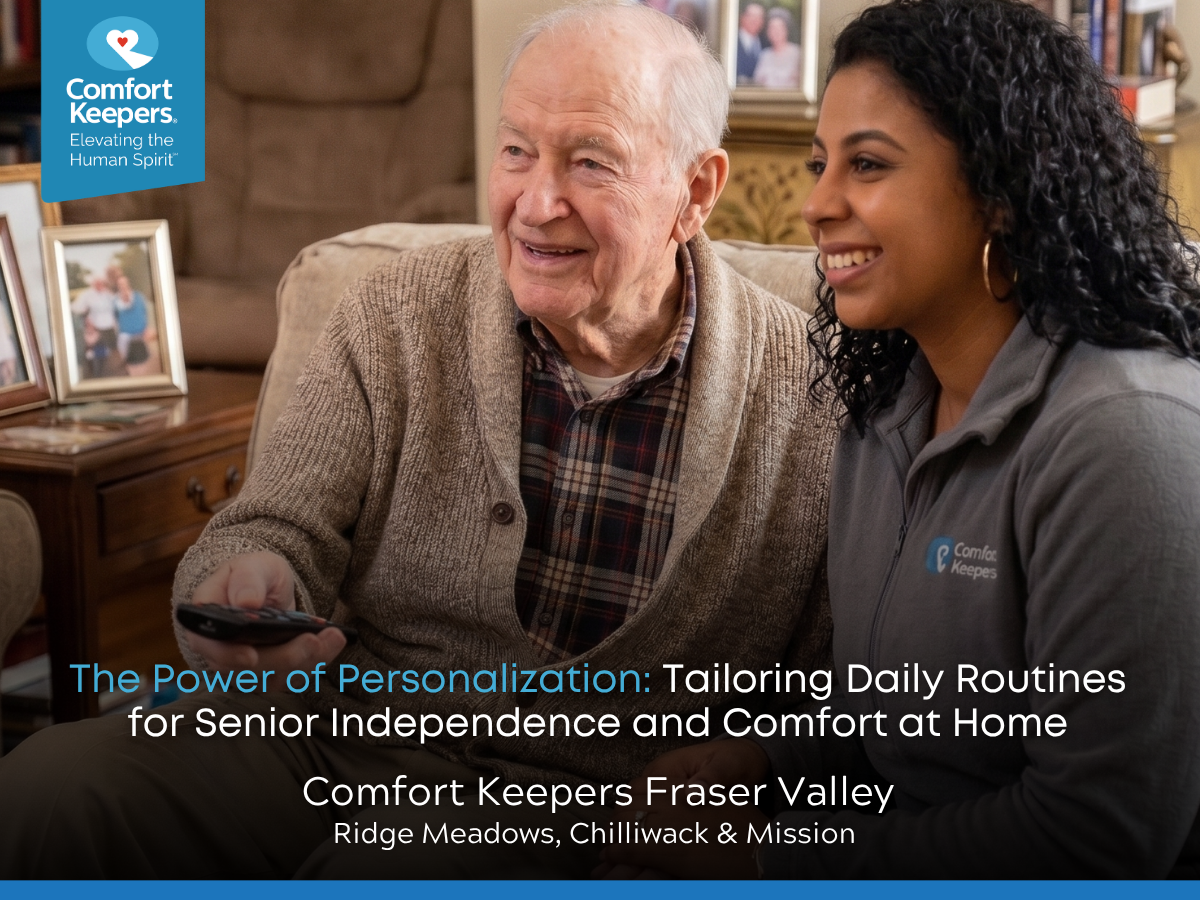
Beyond the Checklist: What Is Personalized Senior Care, Really?
In the world of senior care, “personalization” is a term you’ll hear a lot. But it’s much more than just remembering someone’s favourite food or their doctor’s appointment schedule. True personalization is a philosophy built on a foundation of deep respect for the individual. It moves beyond a one-size-fits-all checklist to create a living, breathing plan that reflects who a person is and what they value.
The core principles are simple, yet profound:
- Individual Assessment: Understanding the whole person, their physical health, mental and emotional state, social connections, and most importantly, their personal history and lifelong habits.
- Respect for Autonomy: Involving the senior in every decision about their care. Research consistently shows that when people have a say in their own care, they experience better health outcomes and a greater sense of well-being.
- Holistic Support: Addressing not just medical needs, but also the need for companionship, mental stimulation, and joyful activities.
- Flexibility and Adaptability: Recognizing that needs change. A great care plan is never set in stone; it evolves as a person’s abilities, health, or even their interests change over time.
One of the biggest misconceptions is that creating a routine means a loss of freedom. In reality, a thoughtfully co-created routine does the opposite. By providing a predictable structure for essential tasks (like meals and medication), it frees up mental and emotional energy for the things that bring joy and meaning, fostering a powerful sense of independence.
The Co-Creation Blueprint: Building a Routine That Feels Like Home
A personalized routine isn’t something that can be downloaded from the internet. It’s a handcrafted plan built on conversation, collaboration, and genuine understanding. It’s a process of “co-creation,” where the senior is the lead architect of their own day.
Step 1: The Art of Listening (The Assessment)
Before you can build a routine, you have to understand the person. This isn’t a clinical interrogation; it’s a series of warm conversations. Think of yourself as a biographer, learning the story of their days.
- Morning Rituals: Are they an early riser who loves the sunrise, or do they prefer a slow start? What’s the first thing they reach for, a cup of tea, the newspaper, a call to a friend?
- Energy Patterns: When do they have the most energy? Is it mid-morning, perfect for a walk, or later in the afternoon?
- Mealtime Habits: Do they enjoy cooking? Do they prefer several small meals or three larger ones? What are their “comfort foods”?
- Valued Activities: What brings them joy? Is it gardening, puzzles, watching classic films, listening to music, or talking with grandchildren?
- Social Preferences: Do they thrive on social interaction, or are they more introverted and value quiet time?
Step 2: From ‘Shoulds’ to ‘Wants’ (Collaborative Goal Setting)
Once you have a sense of their natural rhythm, you can begin to structure the day with them. The key is to frame it around their goals and preferences, not just a list of tasks.
Instead of saying, “You need to do your exercises at 10 AM,” try, “You mentioned you want to keep your legs strong for gardening. Would doing some simple stretches after breakfast work well for you?”
This collaborative approach empowers the senior, turning care from something that happens to them into something they actively participate in. This is a cornerstone of our comprehensive in-home care services, where our goal is to support, not take over.
Step 3: Crafting the Daily Rhythm (A Day in the Life)
Let’s see what this looks like for two very different people:
Meet Eleanor, “The Early Bird Gardener”
Eleanor has always been up with the sun. She has arthritis, so her energy is best in the morning.
- 7:00 AM: Wake up, listen to the news on the radio. A caregiver helps with morning stretches to ease her joints.
- 8:00 AM: Breakfast on the sun porch, oatmeal and tea, just how she likes it.
- 9:00 AM to 11:00 AM: “Golden Hours” for gardening. The caregiver helps carry tools and provides steadying support, but Eleanor directs the work, tending her beloved roses.
- 12:30 PM: Lunch, followed by a short rest.
- Afternoon: Quiet activities like reading, doing a puzzle, or having a friend visit for tea.
- Evening: A light dinner, watching her favourite game show, and preparing for a restful night.
Meet George, “The Night Owl Bookworm”
George was a professor and is most alert in the evenings. He is living with mild cognitive impairment, so predictability is comforting.
- 9:30 AM: Slow wake-up with coffee and the crossword puzzle. A caregiver provides gentle reminders for his morning medication and personal care routine.
- 11:00 AM: A short walk around the neighbourhood to get some fresh air.
- 1:00 PM: Lunch while listening to a classical music station.
- Afternoon: Often a nap, followed by looking through old photo albums or reading. This is a great time for a caregiver to assist with light housekeeping while George rests.
- 6:00 PM: Dinner together. The caregiver might engage him in conversation about a historical topic he loves.
- Evening: George’s “peak time.” He enjoys reading, listening to an audiobook, or watching a documentary. This is when he feels most like himself.
In both cases, the routine isn’t about control. It’s about creating a framework that honours their identity and maximizes their comfort and ability to engage with life.
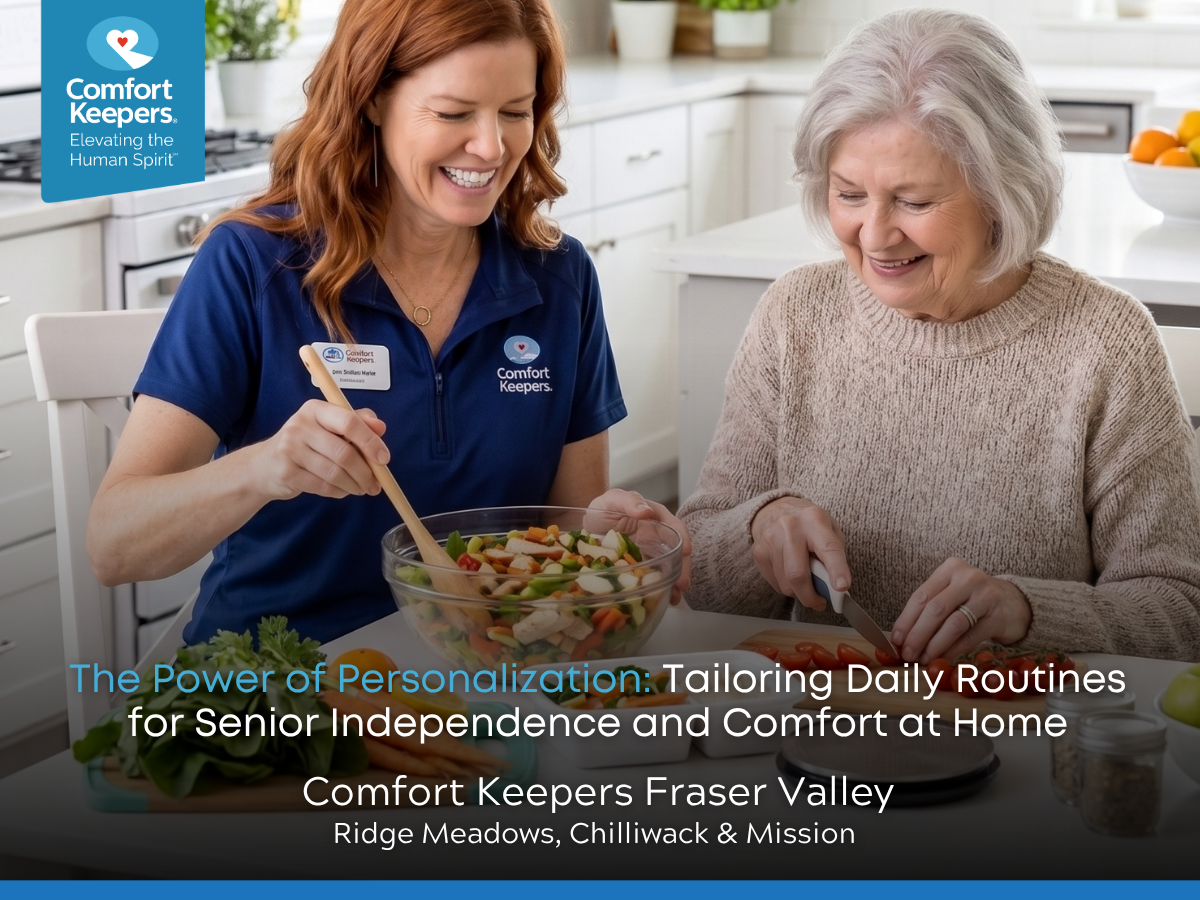
Navigating the Real World: Adapting Routines for Life’s Changes
Life is not static, and neither is a personalized care plan. A senior’s health, energy levels, and even interests can change. The beauty of a flexible routine is its ability to adapt without causing distress.
When the Path Changes: Modifying Routines for Health Conditions
A new diagnosis or a change in a chronic condition requires adjusting the routine, not abandoning it. For someone with dementia, for instance, the routine becomes an even more critical anchor. The focus might shift to simpler, one-step tasks and more visual cues. Providing specialized dementia care means understanding how to adapt a routine to reduce confusion and anxiety, breaking down tasks into manageable steps to preserve a sense of accomplishment.
“But I Don’t Want To!”: Handling Resistance with Empathy
Sometimes, a senior may resist a new routine or a specific activity. This is rarely about being difficult; it’s often a way of asserting control when they feel it’s slipping away.
Instead of insisting, get curious. Ask questions like:
- “I see you’re not in the mood for a walk today. Is there something else you’d rather do?”
- “It seems like this part of the routine isn’t working for you anymore. How can we make it better?”
This response validates their feelings and reinforces that they are in the driver’s seat. It’s a conversation, not a command.
The Unseen Benefits: How a Thoughtful Routine Elevates the Human Spirit
The most powerful outcomes of a personalized routine aren’t always visible. They are felt, in a renewed sense of purpose, a calmer household, and the simple dignity of being seen and respected as an individual.
More Than Just a Schedule: The Impact on Dignity and Mental Well-being
When a routine honours small preferences, like enjoying a specific TV show at 4 PM or having a window open for fresh air in the morning, it sends a powerful message: “You matter. Your preferences matter. You are still you.” This validation is incredibly important for mental and emotional health, combating feelings of helplessness and preserving a strong sense of identity.
A Ripple Effect of Calm: Reducing Anxiety for Everyone
A predictable daily rhythm reduces anxiety for seniors, especially those with cognitive decline who find change overwhelming. But the benefits extend to family caregivers, too. Knowing there is a plan in place, one that their loved one helped create and enjoys, can alleviate immense stress and worry. It replaces uncertainty with a comforting, reliable flow.
Frequently Asked Questions
What are the basic components of a daily routine for seniors?
A good routine typically anchors the day with consistent times for waking up, meals, and going to bed. In between, it weaves in time for personal care, physical movement (even if it’s just gentle stretching), mental stimulation (like puzzles or reading), social connection, and quiet rest.
How do I get my parent involved if they are resistant?
Start small and focus on collaboration. Instead of presenting a full schedule, pick one part of the day they find challenging and ask, “How can we make mornings a little easier?” Frame it as a team effort to solve a problem together.
How often should we review or change the routine?
There’s no set rule. A good practice is to check in regularly and be observant. If you notice a particular activity is becoming more difficult or less enjoyable, it’s time for a conversation. The plan should be a living document that adapts to their needs.
Does a routine mean every single minute is planned out?
Absolutely not! That would be rigid and stressful. A good routine is a framework, not a straitjacket. It’s crucial to build in plenty of downtime and flexibility for spontaneous activities, naps, or days when they simply don’t feel up to doing much.
Your Next Step on the Path to Personalized Care
Creating a daily routine that nurtures independence and comfort is one of the most loving things you can do for a senior in your life. It’s a journey that begins with a simple conversation.
Start today. Ask your loved one about their favourite part of the day. Talk about a small change that could make their mornings brighter or their evenings more peaceful. You’ll be taking the first step in co-creating a plan that does more than just manage their care, it celebrates their life.
When the time comes for professional support, remember that the goal is to find a partner who shares this philosophy. At Comfort Keepers Fraser Valley, our approach is rooted in this deep commitment to personalized, dignified care that helps seniors thrive in the comfort of their own home.
