


Beyond Loneliness: A Practical Guide to Fostering Meaningful Connection for Seniors
You’ve noticed the quiet signs. The phone calls that go unanswered a bit longer, the fading interest in once-loved hobbies, or the simple admission of, “It’s been a quiet week.” You understand that loneliness is more than just a feeling; it’s a void. And as you evaluate ways to help your loved one, you need more than a simple list of activities. You need a proven framework to rebuild meaningful, life-affirming social connections.
This isn’t just about filling time; it’s about restoring well-being. Chronic loneliness carries health risks comparable to smoking half a pack of cigarettes daily and increases the risk of premature death by 26%. It’s a silent epidemic, with recent studies showing that one in three adults aged 50 to 80 still reports feeling lonely.
This guide moves beyond the surface to provide a comprehensive strategy for seniors and their families in Maple Ridge, Pitt Meadows, and surrounding communities. We’ll explore the deep-seated causes of isolation and offer actionable solutions that foster dignity, purpose, and true companionship.
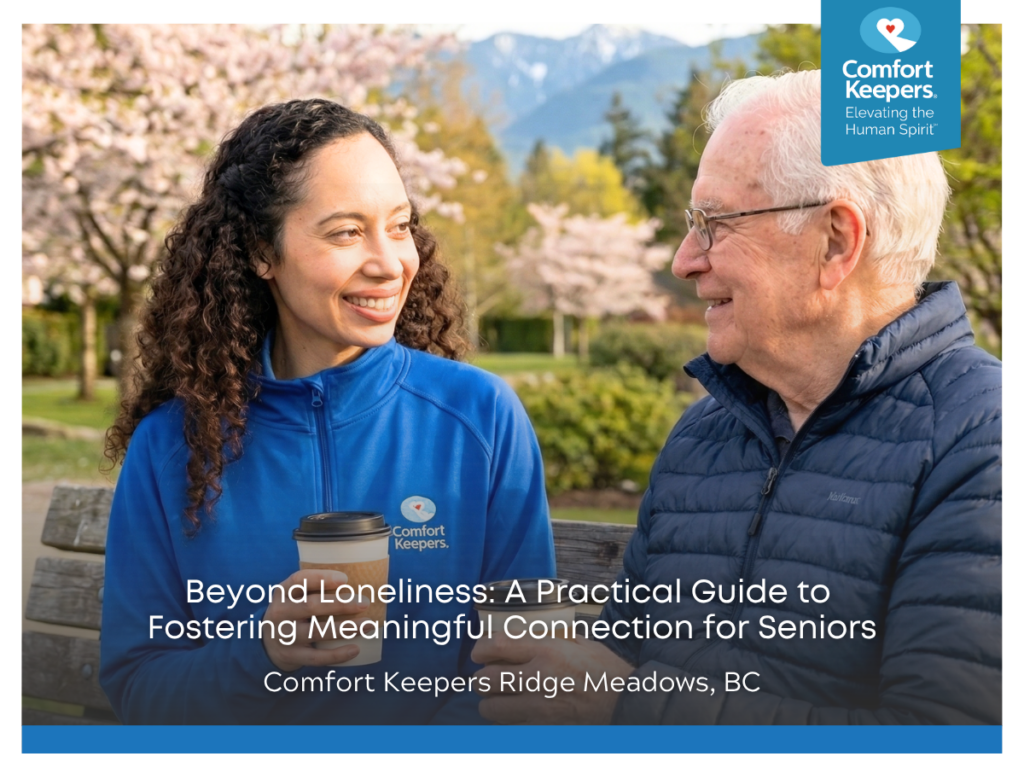
The Hidden Health Crisis: Understanding the True Impact of Isolation
Before we explore solutions, it’s crucial to understand the stakes. The Centers for Disease Control and Prevention (CDC) distinguishes between social isolation (the objective state of having few social relationships) and loneliness (the subjective feeling of being alone). Both have profound consequences.
Research paints a stark picture of the physical and mental toll:
- Cardiovascular Health: Lonely individuals face a significantly higher risk of cardiovascular disease and stroke.
- Cognitive Decline: Social isolation is a major risk factor for dementia and cognitive impairment.
- Mental Well-being: The link is undeniable. Lonely individuals are 36% more likely to feel sadness and are at a much higher risk for clinical depression and anxiety.
The World Health Organization (WHO) even attributes as many as 871,000 deaths annually to the effects of loneliness. It’s a genuine public health crisis that directly impacts quality of life and longevity. Recognising these risks is the first step in making a meaningful change.
Why Connection Fades: Unpacking the Root Causes
To build effective solutions, we must first understand why social circles tend to shrink in later life. While obvious factors like the loss of a spouse, retirement, or mobility challenges play a significant role, deeper psychological shifts are also at play.
The Social Relationship Expectations (SRE) framework helps explain this. As we age, our expectations for relationships change. We often prioritize deeper, more meaningful connections over a wide social network. Loneliness can set in when the reality of our social life doesn’t meet these evolving emotional needs. It’s not always about the number of people in our lives, but the quality of those bonds.
This is why simply pushing a senior to “join a club” can sometimes miss the mark. The goal is to facilitate connections that align with their personal interests, values, and what they now seek from their relationships.
A Blueprint for Connection: Strategies for Every Senior and Family
Combating isolation requires a multi-faceted approach that respects an individual’s personality, physical abilities, and personal interests. Here is a practical blueprint that families can adapt to create a personalized plan.
Re-engaging at Home and in the Community
Meaningful activity is the cornerstone of connection. It provides structure, purpose, and natural opportunities for interaction. The key is to find activities that engage the whole person, mind, body, and spirit.
- Cognitive & Creative Engagement: Activities like book clubs, learning a new instrument online, or joining a local painting class stimulate the mind and provide a shared interest to bond over. Even at home, working on puzzles, writing memoirs, or taking virtual museum tours can keep the mind sharp and engaged.
- Physical & Wellness Pursuits: Gentle activities like a walking group, community garden club, or a seniors’ yoga class offer dual benefits. They improve physical health while creating a regular, low-pressure social setting. Spending at least 120 minutes a week in nature has been directly linked to better health and well-being.
- Purpose-Driven Contributions: Many seniors find immense fulfilment through generativity, the act of guiding and contributing to the next generation. Volunteer opportunities, whether reading to children at the local library or mentoring a young person, can restore a powerful sense of purpose and value.
Bridging the Distance with Technology
While not a replacement for in-person contact, technology can be a powerful tool for maintaining connections, especially with family and friends who live far away.
The key is to move beyond basic video calls and explore platforms designed for engagement. Consider user-friendly tablets with pre-loaded apps for games, photo sharing, and simple messaging. For caregivers, introducing this technology patiently is crucial. Start with one platform, demonstrate its value clearly, and provide ongoing support to build their confidence.
The Power of Professional Companionship
Sometimes, the most significant barrier to social connection is the simple, day-to-day logistics of getting out and participating. This is where professional in-home care becomes a vital part of the solution.
A caregiver isn’t just there for physical tasks; they are a bridge to the outside world. They can provide transportation to a club meeting, accompany a client on a walk in the park, or simply be a consistent, friendly face for conversation and a shared cup of tea. This dedicated one-on-one time is central to our philosophy of Interactive Caregiving™, which transforms daily activities into opportunities for meaningful engagement.
What Does Success Really Look Like?
As you begin implementing these strategies, how do you measure success? It’s not about checking boxes on an activity calendar. True success lies in the qualitative improvements to a senior’s life.
Look for these signs:
- A Renewed Sense of Purpose: Are they talking about future events or projects with anticipation?
- Improved Mood and Energy: Do they seem more cheerful, engaged, and willing to initiate conversation?
- Verbal Cues of Belonging: Do they talk about “my friends at the club” or share stories from their recent outings?
Success is moving from a state of passive existence to one of active participation and emotional fulfilment. It’s about restoring the sense of belonging that is fundamental to the human spirit.
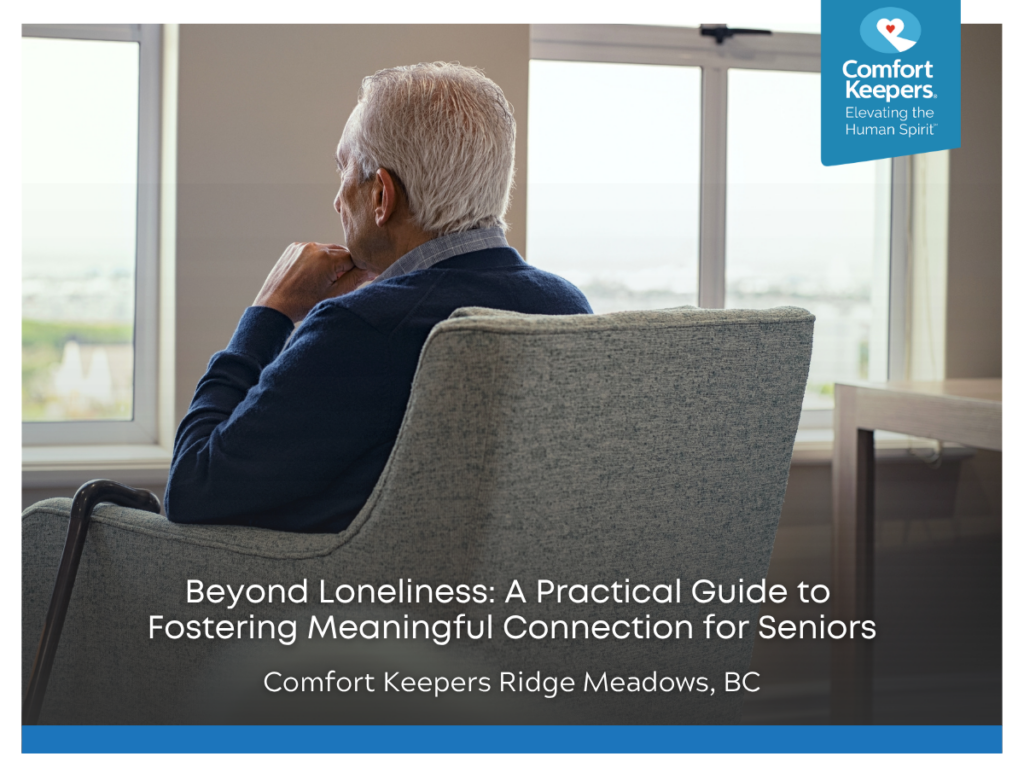
Frequently Asked Questions
1. My parent is very resistant to trying new things. How can I encourage them without being pushy?
Start small and connect new activities to their past interests. If they loved gardening, suggest visiting a local community garden before asking them to join. Frame it as an “experiment” with no pressure to continue. Often, a professional caregiver can act as a neutral third party, making suggestions that are sometimes more easily accepted than those from a family member.
2. We’re overwhelmed with our own responsibilities. How can professional caregivers specifically help with social connection?
A professional caregiver’s role extends far beyond basic needs. They are trained to be proactive companions. This includes planning outings based on the client’s interests, facilitating video calls with family, engaging in hobbies like cards or crafts, and providing consistent, stimulating conversation. They lift the logistical and emotional burden from the family, ensuring your loved one receives dedicated social support.
3. What’s the difference between a simple companion and an approach like Interactive Caregiving™?
Traditional companionship can sometimes be passive. Interactive Caregiving™ is an active philosophy where caregivers collaborate with seniors on daily tasks and activities. Instead of just making a meal, they might cook together. Instead of just tidying up, they might sort through old photos and share stories. This approach fosters a deeper bond, promotes independence, and enhances mental and physical well-being by turning every moment into an opportunity for connection.
4. How much social interaction is “enough”?
There’s no magic number. Research consistently shows that the quality of relationships is far more important than the quantity. One or two close, meaningful friendships and regular, positive interactions can be more beneficial than a calendar full of superficial activities. The goal is to find a rhythm that feels energizing, not draining, for your loved one.
Taking the First Step Toward Fostering Meaningful Connections
Rebuilding social connections is a journey, not a destination. It requires patience, empathy, and a personalised plan that honours your loved one’s unique personality and preferences. You don’t have to navigate this path alone.
By combining family support with purposeful strategies and professional assistance, you can help your loved one rediscover the joy and vitality that comes from genuine human connection.
Contact Comfort Keepers Chilliwack for a complimentary in-home assessment. Let’s build a bridge back to connection, together.
The Best, Expert Senior Home Care in Chilliwack, British Columbia is Comfort Keepers®
At Comfort Keepers®, we provide personalized, compassionate in-home care services for seniors in Chilliwack, and surrounding areas.
The team at Comfort Keepers Chilliwack is proud to provide home care that keeps seniors safe. We support thousands of families each year with home care services for seniors—helping loved ones remain happy, and independent in the homes they love.
Home is The Best Place to Be for Senior Care
Providing home care can be very draining and taxing on family caretakers. That’s where we come in. With in-home assisted living as a lifestyle choice seniors can start a new, fresh take on daily living while remaining in the comfort and familiarity of home.
Comfort Keepers® Chilliwack offers professional, flexible care solutions that lighten the load for families and give everyone peace of mind—knowing their loved one is in good hands.
We offer a range of services that include elderly homecare for seniors, senior independent support, personal care services, respite care, and more.
Comfort Keepers® Chilliwack Can Help with Companion Care and Interactive Caregiving™
Our trained caregivers, or Comfort Keepers, help provide our elderly clients with personal home care to help maintain the highest possible quality of life. Caregivers deliver Interactive Caregiving™, a system of care that addresses safety, nutrition, mind, body, and activities of daily living (ADLs).
Interactive Caregiving™ is an opportunity to interact one-to-one with a senior, engage them, learn about them, and give them the gift of personalized, thoughtful attention that allows them to maintain their independence.
At Comfort Keepers® Chilliwack, we believe keeping our clients physically, mentally, emotionally and socially involved can make a difference in their well-being. .
Comfort Keepers® Chilliwack Provides Home Care and a Wide Range of In-Home Care Services for Seniors
Are you looking for reliable home care in Chilliwack? Learn more about our unique service, which offers personal care, companionship care, palliative, and end-of-life care in Chilliwack, and surrounding areas. Contact the Comfort Keepers® Chilliwack office today, our professional staff will be happy to explain our customizable in-home care options and to schedule a free in-home consultation.