

The Unseen Hurdles: Navigating At-Home Recovery with Cognitive and Mobility Challenges
The return home from a hospital stay is supposed to be a moment of relief. The familiar comfort of one’s own space, the promise of recovery, the return to routine. But for many families, this relief is quickly replaced by a quiet, growing concern. The prescribed exercises are not happening. The pill organizer, meticulously filled on Sunday, is nearly untouched by Wednesday. Meals are skipped, and confusion seems to cloud more of the day than clarity.
If this sounds familiar, you are not alone. When a loved one is recovering at home, we often focus on the diagnosed illness or injury. But two powerful, often-overlooked factors can silently sabotage their recovery: cognitive decline and mobility limitations.
These are not just minor inconveniences; they are fundamental hurdles that change the entire landscape of care. Understanding how they work together is the first step toward creating a truly supportive environment that fosters genuine healing and independence.

Decoding the Challenges: More Than Just Forgetfulness and Frailty
To effectively help, we first need to speak the same language. Cognitive and mobility issues are broad terms, but at home, they have very specific, practical implications.
What Are Cognitive Challenges?
This is not just about the normal senior moments we all experience. It is a spectrum of conditions that affect memory, thinking, and reasoning. The most common you will encounter are:
- Dementia: A progressive decline in cognitive function, like that seen in Alzheimer’s disease, affecting memory, problem-solving, and the ability to sequence tasks. It is a gradual but persistent change.
- Delirium: A sudden state of confusion, often triggered by an infection (like a UTI), medication side effect, or hospitalization. Unlike dementia, delirium can fluctuate throughout the day and is often temporary if the underlying cause is treated. An important realization for many families is that a sudden, drastic change in a loved one’s mental state is a medical warning sign, not a sudden worsening of old age.
- Mild Cognitive Impairment (MCI): A noticeable decline in memory or thinking skills that is more than normal age-related change but not severe enough to be classified as dementia.
What Are Mobility Challenges?
This refers to any difficulty with moving around safely and independently. It can be caused by arthritis, stroke, surgery, muscle weakness, or a simple fear of falling. At home, this manifests as:
- Hesitancy to get up from a chair.
- Shuffling feet or an unsteady gait.
- Difficulty navigating stairs or uneven surfaces.
- An over-reliance on holding onto furniture for support.
The Vicious Cycle: How Cognition and Mobility Affect Each Other
Here is the crucial connection that is so often missed: cognitive and mobility challenges do not exist in separate boxes. They feed into each other, creating a cycle that can accelerate decline.
- Poor judgment (a cognitive issue) leads to unsafe movement: Someone with dementia might not recognize the danger of a slippery floor or try to carry too many things at once, leading to a fall.
- A fear of falling (a mobility issue) leads to inactivity: When a person stops moving, their muscles weaken and their balance worsens. This lack of physical and social stimulation can also hasten cognitive decline.
Recognizing this interplay is the key to breaking the cycle. Instead of seeing a missed medication as simple forgetfulness, we can ask: Was it because they could not safely get to the kitchen to take it? Instead of seeing a refusal to walk as stubbornness, we can ask: Are they confused about the exercise or afraid of their own instability?
The Three Pillars of At-Home Recovery: Where Adherence Breaks Down
When a recovery plan is made, it is built on the assumption that the person can follow instructions. But cognitive and mobility issues directly attack this foundation. Here is how it happens across the three most critical areas of recovery.
1. Treatment and Medication Adherence
Following a medical plan requires significant cognitive skill. A person must understand the instructions, remember to perform the task, and have the physical ability to do it.
Why it fails:
- Memory: Forgetting to take pills or go to a follow-up appointment is common.
- Sequencing: A multi-step physical therapy exercise can be overwhelming for someone whose brain struggles to order tasks.
- Problem-Solving: If a pill is dropped, can they safely retrieve it? If a side effect occurs, do they know who to call?
- Physical Access: Reaching for a pill bottle in a high cabinet or struggling to open a child-proof cap can be insurmountable obstacles for someone with arthritis or poor balance.
This is why simply using a pillbox is not always enough. The entire process, from remembering to retrieving to ingesting, must be supported.
2. Nutrition and Hydration
Good nutrition is the fuel for healing, but it is one of the first things to suffer.
Why it fails:
- Cognitive Barriers: A person with dementia may forget to eat or drink. The complex task of preparing even a simple meal, finding ingredients, following steps, using appliances safely, can become impossible.
- Mobility Barriers: Standing in the kitchen to cook can be exhausting or painful. The effort required to get a glass of water may feel too great, leading to dehydration, which in turn worsens confusion and creates a dangerous loop.
Proper assistance with activities of daily living, including meal preparation, is not just about convenience; it is a critical component of medical recovery.
3. Physical Activity and Therapy
Movement is medicine, especially during recovery. But it is also where the intersection of cognitive and mobility challenges becomes most apparent.
Why it fails:
- Fear and Anxiety: The fear of falling is a powerful deterrent. This fear is magnified by cognitive impairment, where a person may not trust their own body or judgment.
- Misunderstanding Instructions: A physical therapist might give clear instructions, but by the next day, a person with MCI may not remember the specific movements, pace, or duration.
- Lack of Motivation: The psychological toll of losing independence can lead to apathy or depression, making it incredibly difficult to muster the energy for prescribed exercises.
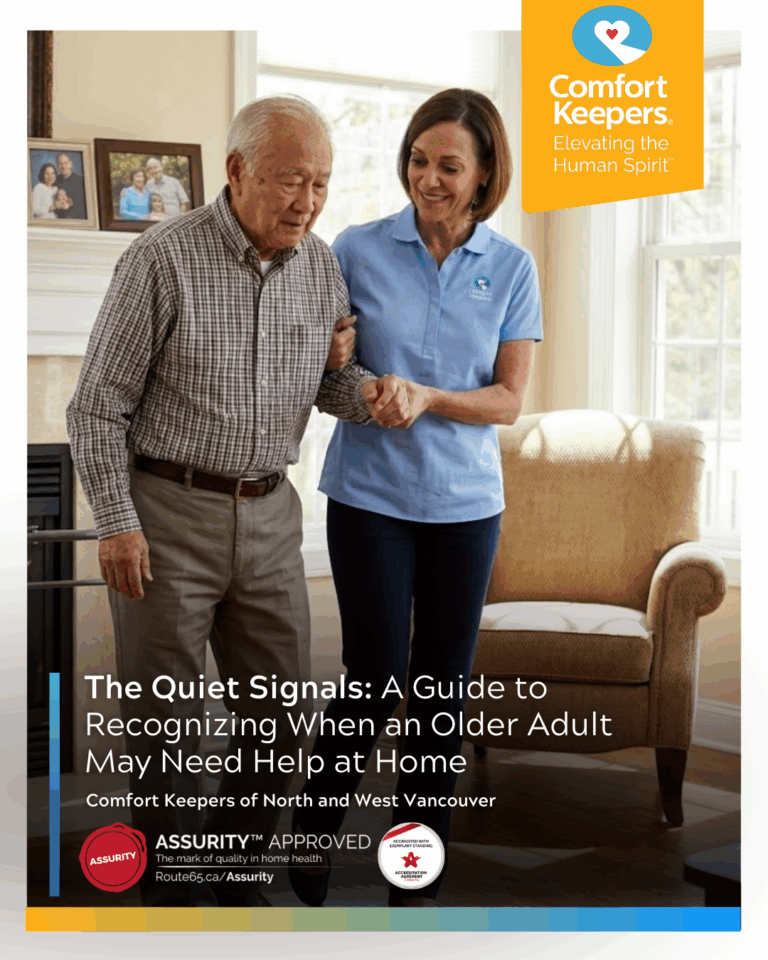
This is where the idea of doing with rather than doing for becomes so powerful. Having a companion to provide encouragement and ensure safety can make all the difference.
First Steps to Building a Supportive Environment
Recognizing these challenges is the first half of the battle. The next is to begin shifting the environment from one of obstacles to one of support. This is not about taking away independence, but about building smart, compassionate scaffolding that makes independence possible.
- Simplify Routines: Consistency is calming for a brain that is struggling. Try to schedule medications, meals, and activities at the same time each day. This creates what some therapists call cognitive anchors, reliable routines that reduce mental load.
- Adapt the Environment: Small changes make a big impact. Ensure pathways are clear of clutter. Use nightlights to illuminate the path to the bathroom. Place essential items (like water, phone, and medications) within easy reach of a favourite chair.
- Use Visual Cues: A picture of a toothbrush on the bathroom mirror or a simple, large-print sign that says Take Pills After Breakfast can be an effective, dignified reminder.
- Communicate Clearly: Break down instructions into single, simple steps. Instead of get ready for your walk, try: First, let us put on your shoes. Wait for that to be done before giving the next instruction.
The goal is to reduce the cognitive and physical effort required for daily tasks, freeing up your loved one’s energy for healing. By actively engaging clients in social activities and daily routines, you not only provide support but also help rebuild their confidence and sense of purpose.

Frequently Asked Questions
What is the biggest difference between dementia and delirium at home?
Think slow and steady versus fast and fluctuating. Dementia is a gradual decline over months and years. Delirium is a sudden, acute change over hours or days. If your loved one was relatively clear yesterday and is suddenly highly confused, agitated, or seeing things today, that is a red flag for delirium and you should contact their doctor immediately.
My dad refuses to use his walker. How can I help?
Resistance to mobility aids is common and often stems from pride or a feeling of lost identity. Try to understand the reason behind the refusal. Is it heavy? Does he feel it makes him look old? Sometimes the solution is finding a different type of aid, like a sleek cane instead of a bulky walker. Other times, it is about framing it as a tool for empowerment: This walker will help you stay steady so we can go for that walk in the garden you love.
How can I support my loved one without completely taking over?
This is the central challenge of caregiving. Focus on the Interactive Caregiving philosophy: do with them, not for them. If they are making a sandwich, let them do the parts they can, like spreading the mustard, while you do the parts they cannot, like safely slicing the tomato. This preserves their dignity and keeps them engaged, which is essential for both cognitive and physical well-being.
The Path Forward
Navigating at-home recovery is a journey, not a destination. It requires patience, observation, and a willingness to adapt. By understanding how the invisible forces of cognitive and mobility challenges can disrupt even the best-laid plans, you have already taken the most important step.
You have moved from being a spectator to a strategist, one who can anticipate needs, modify the environment, and provide the kind of support that transforms a house into a true place of healing. For those needing round-the-clock support, exploring options like 24-hour care can provide peace of mind and ensure a safe, nurturing environment for recovery.
The Best Senior Home Care in North and West Vancouver is Comfort Keepers®
Our senior home care agency offers in-home care focusing on aging in place. Our services include dementia care, end-of-life care, post-surgery care, and palliative care. Comfort Keepers can assist seniors with living transition services, personal care, companionship care, and more!
Quality and Accredited Elderly Care: Happier, Healthier, and at Home with 24/7 Senior Care Opportunities!
Do you need a home care solution for yourself or a loved one? Have you been thinking about retirement homes and their alternatives as a solution? Comfort Keepers® enables seniors to maintain happy, healthy lives in the comfort of their own homes. In-home care services are available in North Vancouver, West Vancouver, and the surrounding areas.
Comfort Keepers® is a Senior Care Agency That Can Make a Difference with Interactive Caregiving™
Our in-home caregivers ensure our senior clients have the best quality of life. The Interactive Caregiving™ program ensures that a senior’s safety, nutrition, mental well-being, and everyday needs are met. This program brings joy and good health to each client’s home.
Comfort Keepers® North Vancouver and West Vancouver Can Help with In-Home Elderly Care Services!
If you are concerned about the health and well-being of a loved one, we can help! Comfort Keepers offers 24-hour care and delivers top-quality and compassionate care for seniors. We are dedicated to safety technology solutions that foster independence and enhance well-being.
Locally Owned and Operated Home Health Care Agency
Our care centers around companionship for seniors. Empathetic care originates from the soul and allows us to meet our clients’ requirements. The seasoned in-home caregivers employed by Comfort Keepers are carefully chosen based on their empathetic qualities.
Contact the Comfort Keepers® North Vancouver and West Vancouver office at (604) 998-8806 to learn more about our unique in-home care solutions for seniors.