

When Home Strategies Aren’t Enough: Early Signs You Need a Trained, Engaging Care Partner
Respite Care | January 20, 2026
You’ve mastered the art of the colour-coded pill organizer. You’ve stocked the fridge with easy-to-prepare meals and installed non-slip mats in the bathroom. As a family caregiver, you’ve poured your love and energy into creating a safe, comfortable environment for your aging parent. You’re doing everything you can.
But lately, you’ve noticed a shift. The routines that once worked are starting to fray. Your parent, who always loved their garden, hasn’t picked up a trowel in weeks. Conversations feel more strained, and you leave each visit with a growing knot of worry in your stomach.
If this sounds familiar, you’re not alone. The desire to age in place is nearly universal – a staggering 92% of Canadian seniors report that they would prefer to stay in their own homes as long as possible. Family members like you are the backbone of this reality, but there comes a point in many care journeys where love and good intentions need to be paired with specialized skills. Recognizing this tipping point isn’t a sign of failure; it’s a sign of profound love and a commitment to your parents’ true well-being.
The Unspoken Shift: From Loving Support to Complex Needs
The transition is rarely a single, dramatic event. Instead, it’s a series of small, almost unnoticeable changes that accumulate over time. You might dismiss them at first, but together they paint a clear picture: your loved one’s needs are evolving beyond the scope of informal home strategies.
This isn’t about your capacity to love or your dedication. It’s about a fundamental shift in the type of support required. Let’s explore the subtle but significant signs that indicate it’s time to consider a trained, engaging care partner who can provide a new level of support.
5 Signs Your Loved One Needs More Engaging Support
Observing these signs objectively can help you understand the changing landscape of your loved one’s needs and empower you to take proactive steps.
1. The Forgotten Routine: A Decline in Personal Care and Home Management
One of the first and most telling signs is a subtle but consistent decline in Activities of Daily Living (ADLs) and Instrumental Activities of Daily Living (IADLs).
- ADLs are the basic tasks of self-care, like bathing, dressing, and grooming.
- IADLs are the more complex tasks needed for independent living, such as cooking, managing finances, cleaning, and taking medication.
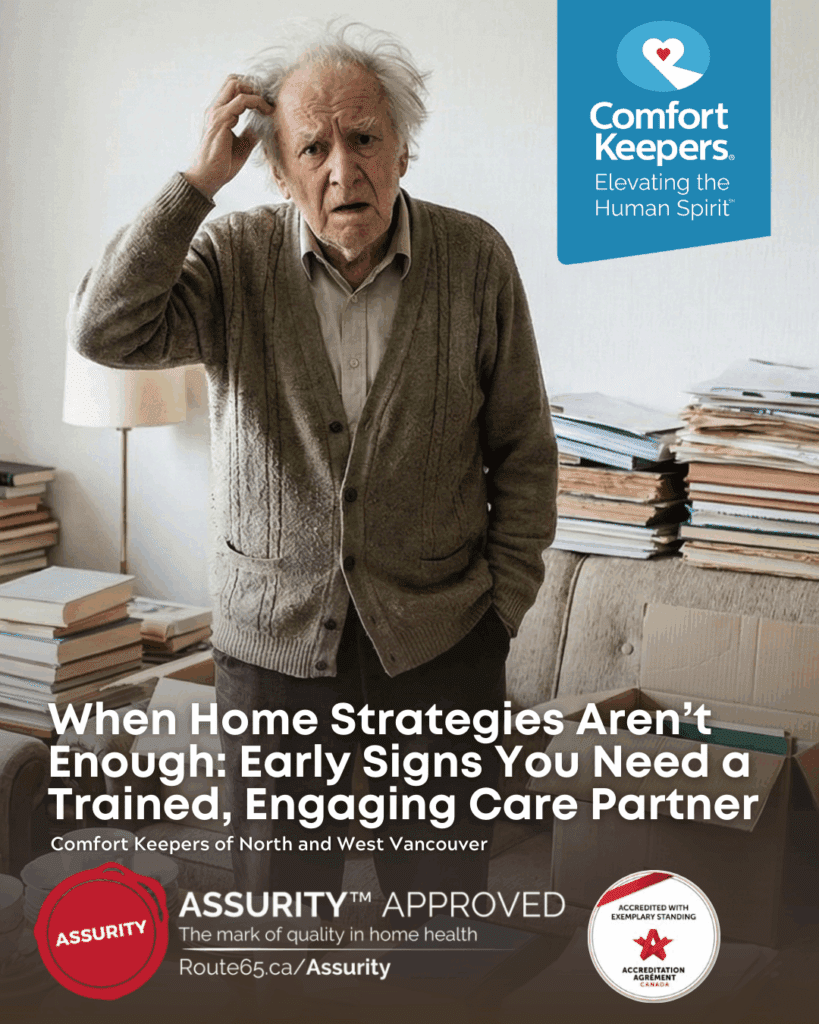
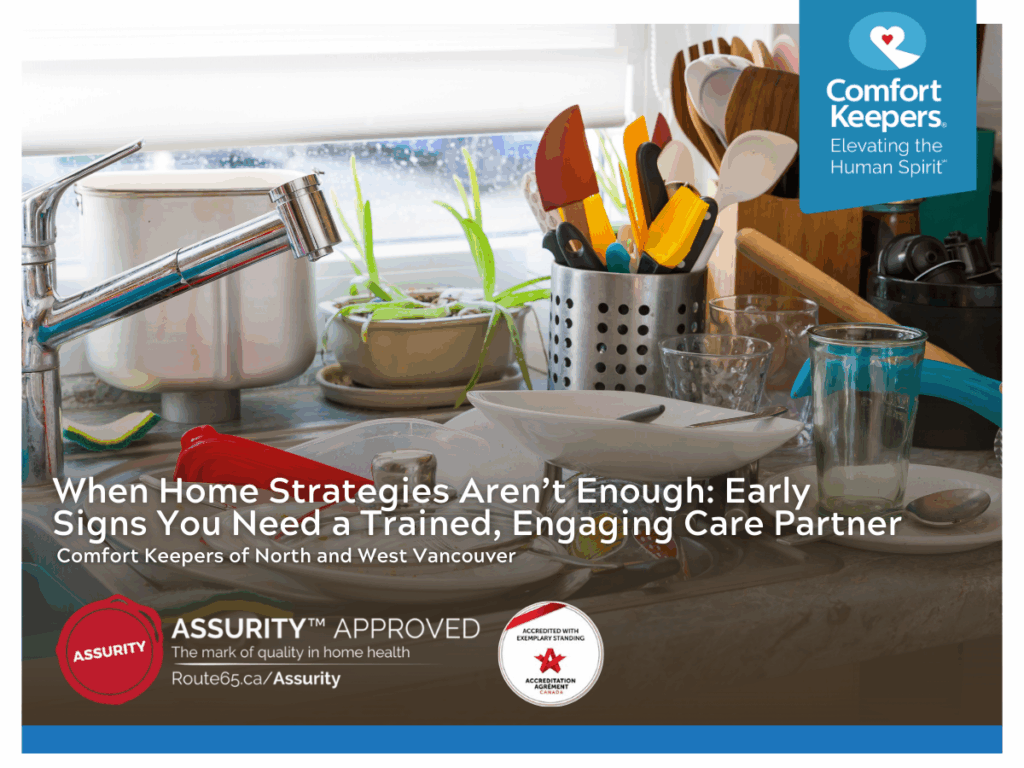
Have you noticed that your mom, once impeccably dressed, is wearing the same clothes for days? Is your dad’s usually tidy workshop now cluttered and disorganized? Perhaps fresh food in the fridge is going untouched while pantry items are depleted. These aren’t signs of laziness; they are often indicators of physical limitations, cognitive challenges, or depression that make these once-simple routines overwhelming.
2. The Quiet Retreat: When Social Circles Shrink
Humans are social creatures, and connection is vital to our health. For seniors, social isolation can be as detrimental as smoking or obesity. Research consistently shows that loneliness is a significant issue, with nearly 28% of seniors living alone reporting feelings of isolation. This isolation is linked to a higher risk of dementia, heart disease, and stroke.
The signs can be quiet:
- Phone calls to friends go unmade.
- Invitations to book club or coffee mornings are declined.
- A general apathy or lack of interest in activities they once loved.
While you provide wonderful companionship, a trained care partner can offer consistent, dedicated social engagement – rekindling hobbies, facilitating safe outings, or simply being a new and friendly face for conversation. This isn’t just “keeping someone company”; it’s a therapeutic intervention that actively combats the health risks of loneliness.
3. Navigating the Fog: An Increase in Confusion or Agitation
Moments of confusion, uncharacteristic irritability, or anxiety can be deeply unsettling for both you and your parent. You might notice them struggling to follow a conversation, forgetting important appointments, or becoming easily frustrated over small things.
This is particularly common for individuals with cognitive decline, but it can also stem from medication side effects, infections, or dehydration. A trained caregiver has the skills to navigate these challenging moments with patience and specific techniques. They know how to de-escalate agitation, redirect conversations gently, and provide the calm, reassuring presence that can be difficult for a family member to maintain in a stressful situation.
4. Close Calls and Worries: Recognizing Growing Safety Risks
Your home may be familiar, but new challenges can turn it into a landscape of potential hazards. According to Health Canada, falls are the leading cause of injury-related hospitalizations among Canadian seniors, and over one-third of seniors are likely to fall at least once a year.
Safety concerns extend beyond falls. Are you worried about:
- Unexplained bruises that could signal a stumble?
- The stove being left on or the doors left unlocked?
- Medication being missed or taken incorrectly?
These “close calls” are red flags. A professional caregiver is trained to perform safety assessments and provide supervision that mitigates these risks, offering peace of mind that is simply invaluable.
5. Your Own Wellbeing Matters: Recognizing Caregiver Burnout
This last sign is about you. The emotional, physical, and financial toll of caregiving is immense. Studies have shown that between 40% and 70% of family caregivers experience clinically significant symptoms of depression.
Ask yourself honestly:
- Are you feeling constantly exhausted, stressed, or resentful?
- Is your own health, career, or personal relationships suffering?
- Do you feel like you’ve transitioned from being a son or daughter to being solely a caregiver?
Recognizing that you need help is an act of strength. Bringing in a professional doesn’t diminish your role; it enhances it. It allows you to step back from the taxing duties of minute-to-minute care and reclaim your cherished role as a loving family member, focusing on quality time and connection.
Beyond Observation: The Shift from Doing For to Doing With
Once you’ve identified these signs, the next step is to reframe what “help” looks like. The most effective professional care isn’t about someone coming in to passively “do for” your parents. It’s about finding a care partner who practices an engaged, collaborative approach.
This philosophy, sometimes called Interactive Caregiving, focuses on doing tasks with your loved one, not just for them.
- Instead of just cooking a meal, they might prepare it together, sharing stories over the kitchen counter.
- Instead of just tidying the house, they might sort through old photographs together, sparking memories.
- Instead of just ensuring they take a walk, they walk alongside them, providing both physical support and stimulating conversation.
This approach is transformative. It fosters a sense of purpose, maintains dignity, and supports both physical and cognitive health. When you explore professional support, look for a holistic approach to in-home care services that prioritizes your loved one’s engagement and independence.
Common Questions About Exploring Professional Care
Q: Doesn’t hiring a caregiver mean I’ve failed?
A: Absolutely not. It means you’re succeeding in adapting to your parents’ evolving needs. Recognizing when an expert is needed is one of the most loving and responsible decisions a family caregiver can make. It’s about adding a skilled professional to your care team.
Q: My parents are resistant to the idea of a ‘stranger’ in the house. What can I do?
A: This is a very common and valid concern. Start the conversation early and gently. Frame it as getting a “helper” or “assistant” rather than a “caregiver.” Involve your parents in the selection process. Often, starting with just a few hours a week for companionship or help with errands can ease them into the idea.
Q: What’s the difference between companionship and personal care?
A: Companionship focuses on social and emotional well-being – conversation, hobbies, and outings. Personal care services involve hands-on assistance with activities like bathing, dressing, and mobility. Many seniors benefit from a blend of both.
Q: How do I even start this conversation with my loved one?
A: Lead with empathy and focus on the benefits to them. Try phrases like, “Mom, I’ve noticed you haven’t been gardening as much, and I was thinking it might be nice to have someone help out so you can enjoy it again,” or “Dad, I worry about you being alone all day. I’d feel so much better knowing someone was dropping by to check in and have a coffee with you.”
Your Next Step on the Care Journey
Recognizing that your home strategies are no longer enough is a pivotal moment. It’s the point where you can make a choice that enhances not only your loved one’s quality of life but your own as well. By understanding these early signs, you can move forward not from a place of crisis, but from a place of informed, proactive love.
The goal isn’t just to keep your parents safe at home; it’s to help them live there with joy, purpose, and dignity. The right support system makes that possible. When you’re ready to learn more about how a professional care partner can fit into your family’s unique situation, the first step is often a simple conversation. Consider scheduling a complimentary in-home assessment to explore the options in a no-pressure environment.
The Best Senior Home Care in North and West Vancouver is Comfort Keepers®
Our senior home care agency offers in-home care focusing on aging in place. Our services include dementia care, end-of-life care, post-surgery care, and palliative care. Comfort Keepers can assist seniors with living transition services, personal care, companionship care, and more!
Quality and Accredited Elderly Care: Happier, Healthier, and at Home with 24/7 Senior Care Opportunities!
Do you need a home care solution for yourself or a loved one? Have you been thinking about retirement homes and their alternatives as a solution? Comfort Keepers® enables seniors to maintain happy, healthy lives in the comfort of their own homes. In-home care services are available in North Vancouver, West Vancouver, and the surrounding areas.
Comfort Keepers® is a Senior Care Agency That Can Make a Difference with Interactive Caregiving™
Our in-home caregivers ensure our senior clients have the best quality of life. The Interactive Caregiving™ program ensures that a senior’s safety, nutrition, mental well-being, and everyday needs are met. This program brings joy and good health to each client’s home.
Comfort Keepers® North Vancouver and West Vancouver Can Help with In-Home Elderly Care Services!
If you are concerned about the health and well-being of a loved one we can help! Comfort Keepers offers 24-hour care and delivers top-quality and compassionate care for seniors. We are dedicated to safety technology solutions that foster independence and enhance well-being.
Locally Owned and Operated Home Health Care Agency
Our care centers around companionship for seniors. Empathetic care originates from the soul and allows us to meet our client’s requirements. The seasoned in-home caregivers employed by Comfort Keepers are carefully chosen based on their empathetic qualities.
Contact the Comfort Keepers® North Vancouver and West Vancouver office at (604) 998-8806 to learn more about our unique in-home care solutions for seniors.
Comfort Keepers is an Accredited Senior Care Agency in North and West Vancouver, BC
Accreditation is a rigorous process that involves industry experts evaluating an organization’s processes, policies, and procedures. Comfort Keepers® North and West Vancouver has been awarded Exemplary Standing by Accreditation Canada. This achievement recognizes that Comfort Keepers® meets or exceeds the stringent quality standards for Home Care companies established by Accreditation Canada.
Individualized Home Care Options
Long-Term Home Care, 24 Hour Home Care & Short Term Care Options Customized for You