


How to Talk to Your Aging Parent About Accepting In-Home Care?
Discussing the need for extra help with an aging parent is one of the most delicate conversations you will ever have. For many Canadians, this discussion often happens during a crisis- after a fall on icy pavement or a sudden hospital discharge – but the most effective conversations start much earlier.
In Canada, where the “sandwich generation” often finds themselves balancing the needs of growing children with aging parents, the emotional weight of this topic is significant. Your parent may view in-home care as a loss of independence, while you see it as a necessary step for their safety. Bridging this gap requires patience, empathy, and a strategic approach that honours their dignity while addressing reality.

Recognizing the Signs: When is the Right Time for Help?
Before initiating the conversation, it is helpful to have concrete observations to share. Vague concerns can be easily dismissed, but specific examples are harder to ignore. Watch for these indicators that your parents may need assistance to remain safe at home.
1. Physical and Cognitive Red Flags
Changes in physical appearance or cognitive function are often the first visible signs.
- Unexplained Weight Loss: This may indicate difficulty cooking, shopping for groceries, or even forgetting to eat.
- Medication Mismanagement: Finding loose pills on the floor, expired medication bottles, or unfilled prescriptions can have serious health consequences.
- Personal Hygiene: A noticeable decline in grooming habits, such as wearing the same clothes for days or infrequent bathing, often signals that these tasks have become physically exhausting or confusing.
- Mobility Issues: Difficulty getting up from a chair, unsteady walking, or unexplained bruising may suggest recent falls that they haven’t told you about.
2. Household Indicators
The state of your parent’s home can act as a mirror for their overall well-being.
- Kitchen Neglect: Look for spoiled food in the fridge or a pantry stocked only with processed, easy-to-eat items.
- Financial Disarray: A pile of unopened mail, late payment notices, or uncashed cheques can indicate cognitive decline or overwhelm.
- Home Maintenance: In the Tri-Cities area, where seasons change drastically, failing to manage seasonal tasks like yard work or heating maintenance can be a safety hazard.

Overcoming the Emotional Hurdles of the “Care Conversation”
The resistance to in-home care is rarely about the care itself; it is about what the care represents. For your parent, accepting help often feels like the first step toward losing their autonomy.
Dealing with Guilt and Role Reversal
It is normal to feel guilty about suggesting care, as if you are “outsourcing” your love. However, professional care often restores the parent-child relationship. Instead of being the task-master who nags about pills and showers, you can return to being the son or daughter who provides companionship and emotional support.
Understanding the Fear of “The Nursing Home”
Many seniors equate “care” with being forced out of their home. It is vital to frame in-home care as the tool that prevents a move to a facility. Emphasize that bringing in a caregiver is a strategy to maintain their independence at home, not a step toward leaving it.
Strategic Conversation Starters for Canadian Families
How you start the conversation sets the tone. Avoid “you” statements (“You need help”), which can sound accusatory. Instead, use “I” statements to frame the issue around your feelings and concerns.
Try these conversation openers:
- “Mom, I’ve been worried about you slipping on the ice when you go for groceries. It would give me such peace of mind if we had someone to help with the heavy lifting during the winter.”
- “I know you want to stay in this house forever. I want that too. Let’s look at what kind of support we can put in place to make sure that stays possible.”
- “I notice you haven’t been driving as much lately. Would you be open to having someone drive you to your appointments and coffee dates so you don’t have to worry about traffic?”

What to Do When They Say “No”: Handling Refusal
If your parent refuses, do not force the issue immediately unless safety is at imminent risk. Back off and try a different angle later.
The “Housekeeper” Strategy
If the word caregiver triggers resistance, change the vocabulary. Many seniors are more open to hiring a “housekeeper,” “personal assistant,” or “driver.” Once the professional is in the home and trust is established, the role can naturally expand to include more personal care tasks.
The Trial Period
Ask for a compromise. Suggest a trial run of just a few weeks. Say, “Let’s just try this for six weeks while you recover from this cold. If you don’t like it after that, we can discuss other options.” Most seniors find that once they experience the companionship and help, they are reluctant to let it go.
Designing a Smooth Introduction to In-Home Care
Introducing a stranger into the home is intimate and can be awkward. A smooth introduction is key to long-term success.
The “Meet and Greet” Approach
Never have a caregiver show up unexpectedly. Arranging a casual “meet and greet” while you are present allows your parent to get to know the caregiver as a person, not just a worker.
At Comfort Keepers Tri-Cities, we specialize in matching caregivers to clients based not just on medical needs, but on personality and shared interests. Whether your parent loves gardening, history, or quiet walks, we ensure the caregiver we introduce feels like a companion rather than a clinical necessity. Our goal is to make the transition as seamless and friendly as possible, turning apprehension into relief.
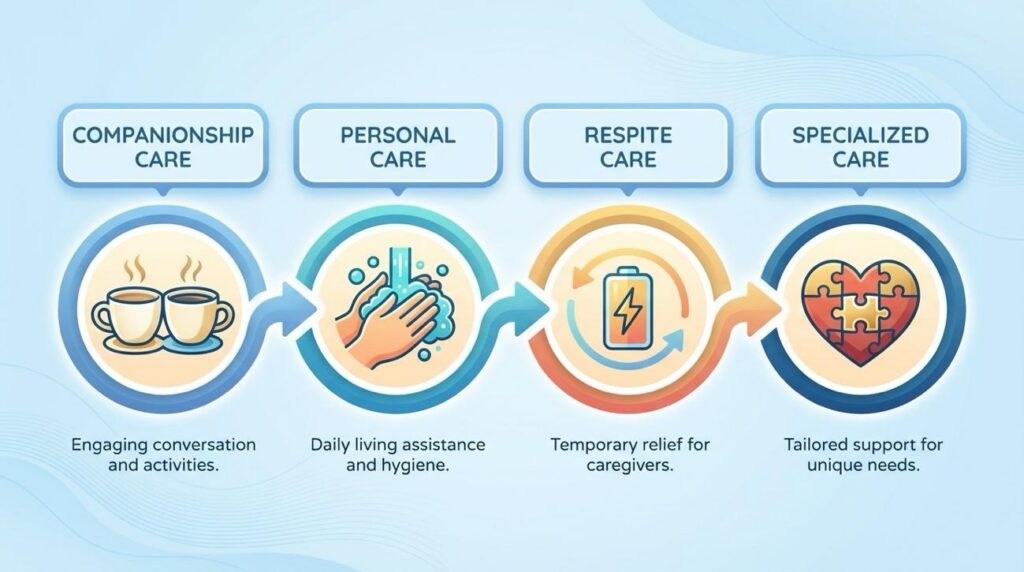
Types of In-Home Care Services Available
Modern in-home care is highly customizable. It is not an “all or nothing” decision.
- Companionship Care: Focuses on social interaction, meal preparation, and light housekeeping.
- Personal Care: Assistance with sensitive tasks like bathing, dressing, and toileting.
- Respite Care: Temporary relief for family caregivers to prevent burnout.
- Specialized Care: Tailored support for conditions like Alzheimer’s, dementia, or post-hospital recovery.
Frequently Asked Questions
Q: How do I talk to my parents about care without upsetting them?
A: Choose a calm time, not during a crisis. Use “I” statements to express your concern rather than their deficits (e.g., “I worry about your safety” vs. “You can’t take care of yourself”). Listen to their fears without interrupting and validate their feelings.
Q: What happens if my parent absolutely refuses home care?
A: If they are competent, they have the right to refuse. Continue to express love and concern, and focus on small wins – like hiring a cleaner or a grocery delivery service – to slowly introduce the idea of outside help. If safety is a major risk, consult with their family doctor for support.
Q: Is in-home care covered by the Canadian government?
A: Some publicly funded home care services are available through provincial health authorities, but coverage varies and often has waitlists. Many families supplement public care with private home care agencies to ensure consistent, reliable support. Tax credits like the Canada Caregiver Credit may also help offset costs.
Q: How can I trust a stranger in my parent’s house?
A: Reputable agencies like Comfort Keepers Tri-Cities perform rigorous background checks, including vulnerable sector screening. They also bond and insure their staff. Interviewing the agency about their vetting process is a crucial step in building trust.
Q: What is the difference between home care and a retirement home?
A: Home care brings services to your parent’s existing residence, allowing them to maintain their routine and environment. A retirement home involves moving to a facility with communal living. Home care is often preferred for those who wish to “age in place.”


