

Interactive Caregiving™ vs. Task-Based Care: Which Approach Benefits Seniors More?
Interactive Caregiving | January 23, 2026
Choosing in-home care for a loved one is one of the most significant decisions a family can make. It’s a process often filled with checklists and questions about services – meal prep, bathing assistance, transportation. But as you compare options, you’ll encounter a fundamental choice that goes far beyond any list of tasks: the choice of care philosophy.
On one side, you have task-based care, an approach focused on efficiently completing a set of duties. On the other hand, you have a more holistic philosophy like Interactive Caregiving™, which transforms those same duties into opportunities for connection, engagement, and joy.
Understanding the difference isn’t just academic; it’s the key to unlocking a higher quality of life for the person you care about.
Deconstructing Task-Based Care: The “What” Without the “Why”
Task-based care is the most common model in the home care industry. It operates like a checklist. The goal is to complete a list of assigned duties – make the bed, prepare lunch, ensure medications are taken – within a specific timeframe.
On the surface, this approach seems practical. It provides structure and ensures essential physical needs are met. However, its greatest strength is also its most profound weakness: it focuses entirely on the what while completely ignoring the why. It can inadvertently treat the senior as a series of tasks to be managed rather than a whole person with emotional, social, and cognitive needs.
This model risks leaving a senior feeling more like a patient than a person, where interactions are transactional, not relational.
The Unseen Cost of a Caregiving Checklist
When care is reduced to a checklist, we ignore one of the most critical health factors for seniors: social connection. The consequences of this oversight are staggering.
Research from leading medical journals reveals a hidden epidemic of loneliness among older adults. A recent study found that a staggering 37% of adults aged 50-80 report feeling lonely. This isn’t just a feeling; it’s a serious health risk. The National Center for Biotechnology Information (NCBI) reports that social isolation is associated with:
- A 50% increased risk of dementia
- A 32% increased risk of stroke
- A 29% increased risk of heart disease
A care model that prioritizes efficiency over engagement can inadvertently contribute to this isolation. When a caregiver is focused solely on getting tasks done, the senior is left out of the process, becoming a passive recipient of care. This passivity can accelerate both physical and cognitive decline.
Interactive Caregiving™: A Philosophy for a Fuller Life
Interactive Caregiving™ is Comfort Keepers Tri-Cities’ answer to the profound flaws of the task-based model. It’s a philosophy of care built on the principle that meaningful engagement is the foundation of well-being. This approach aligns with what geriatric specialists call “person-centered care,” the recognized gold standard that shifts the focus from merely completing tasks to enhancing an individual’s quality of life.
Instead of doing things for seniors, our caregivers do things with them.
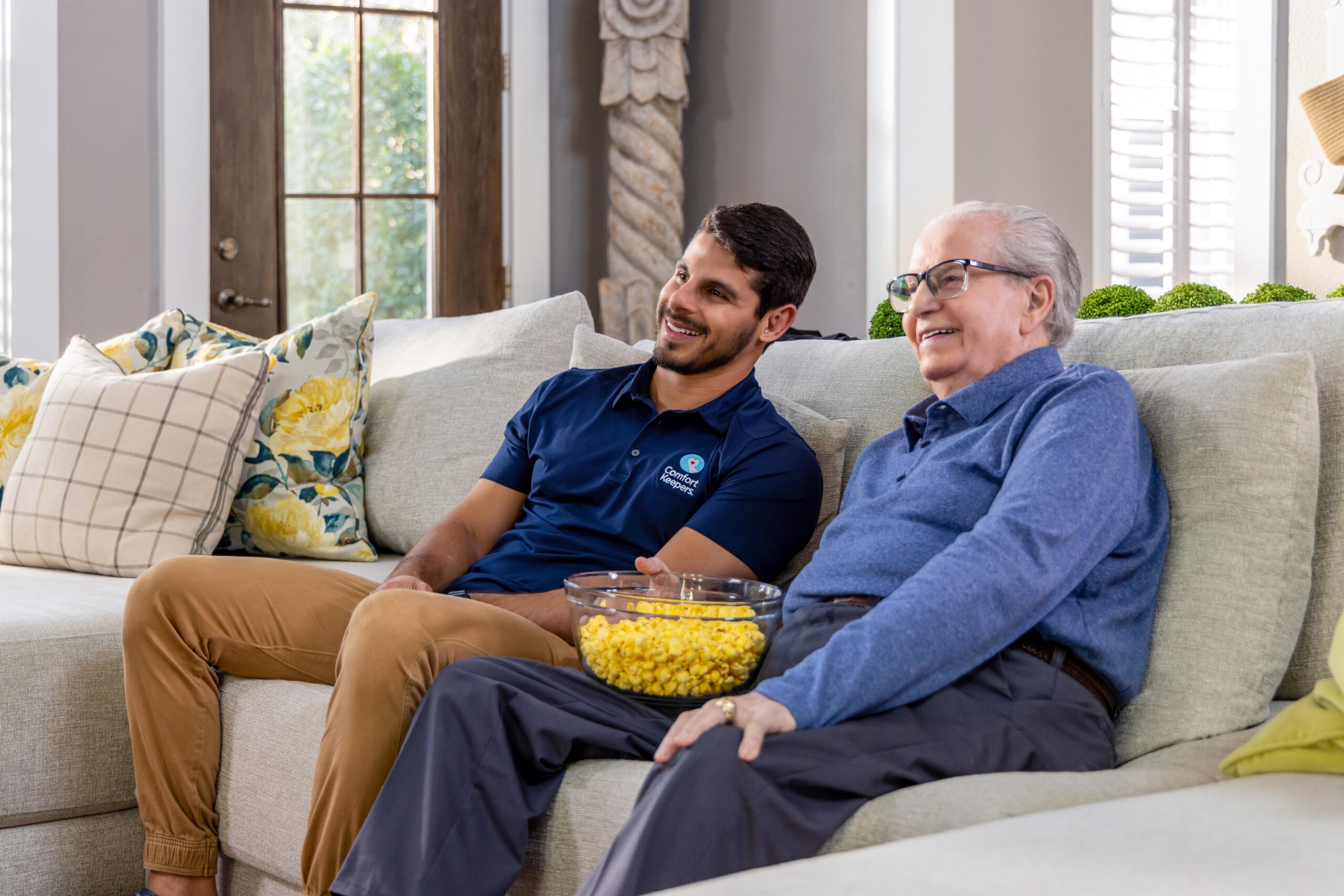
The goal is to turn everyday activities into moments that stimulate the mind, strengthen the body, and nourish the spirit. Whether it’s preparing a meal, folding laundry, or working on a puzzle, these become shared experiences that foster connection and purpose.
This philosophy transforms the role of a caregiver from a “task-doer” to a true “care partner,” someone who actively enriches a senior’s life through companionship and shared activity.
A Clearer Picture: Interactive vs. Task-Based Care
For families evaluating their options, seeing the practical differences can be clarifying. Here’s a side-by-side look at how these two philosophies play out in a senior’s daily life.
| Dimension | Task-Based Care | Interactive Caregiving™ |
| Goal of Care | Complete a list of assigned duties efficiently. | Enhance the senior’s overall quality of life (physical, mental, social, emotional). |
| Role of Caregiver | A helper who performs tasks for the senior. | A partner who empowers the senior to participate in their own life. |
| Experience for the Senior | Passive recipient of services. Often feels isolated or like a burden. | Active participant in their day. Feels connected, valued, and purposeful. |
| Measure of Success | All tasks on the checklist are completed. | The senior is safe, healthy, and genuinely happy and engaged. |
| Long-Term Impact | Can lead to loneliness, passivity, and faster cognitive/physical decline. | Promotes independence, slows decline, and fosters a sense of joy and well-being. |
The Science of Engagement: Why Interaction is a Health Strategy
The benefits of an interactive approach are not just emotional; they are clinical. A wealth of research shows that mental and social stimulation are crucial for protecting senior health. Understanding the science behind senior engagement reveals that an active mind and social connections help maintain cognitive function, improve mood, and even strengthen physical resilience.
Interactive Caregiving™ is a practical application of this science. By engaging seniors in conversation, games, hobbies, and daily chores, we are actively helping to build and maintain neural pathways, keeping their minds sharper and more resilient.
From Theory to Reality: What Interactive Caregiving™ Looks Like
The difference between these two approaches becomes crystal clear when you look at a simple, everyday task like preparing lunch.
- The Task-Based Way: A caregiver enters the kitchen alone, prepares a sandwich, places it on a plate with a glass of water, and brings it to the senior who has been sitting in another room. The task is complete.
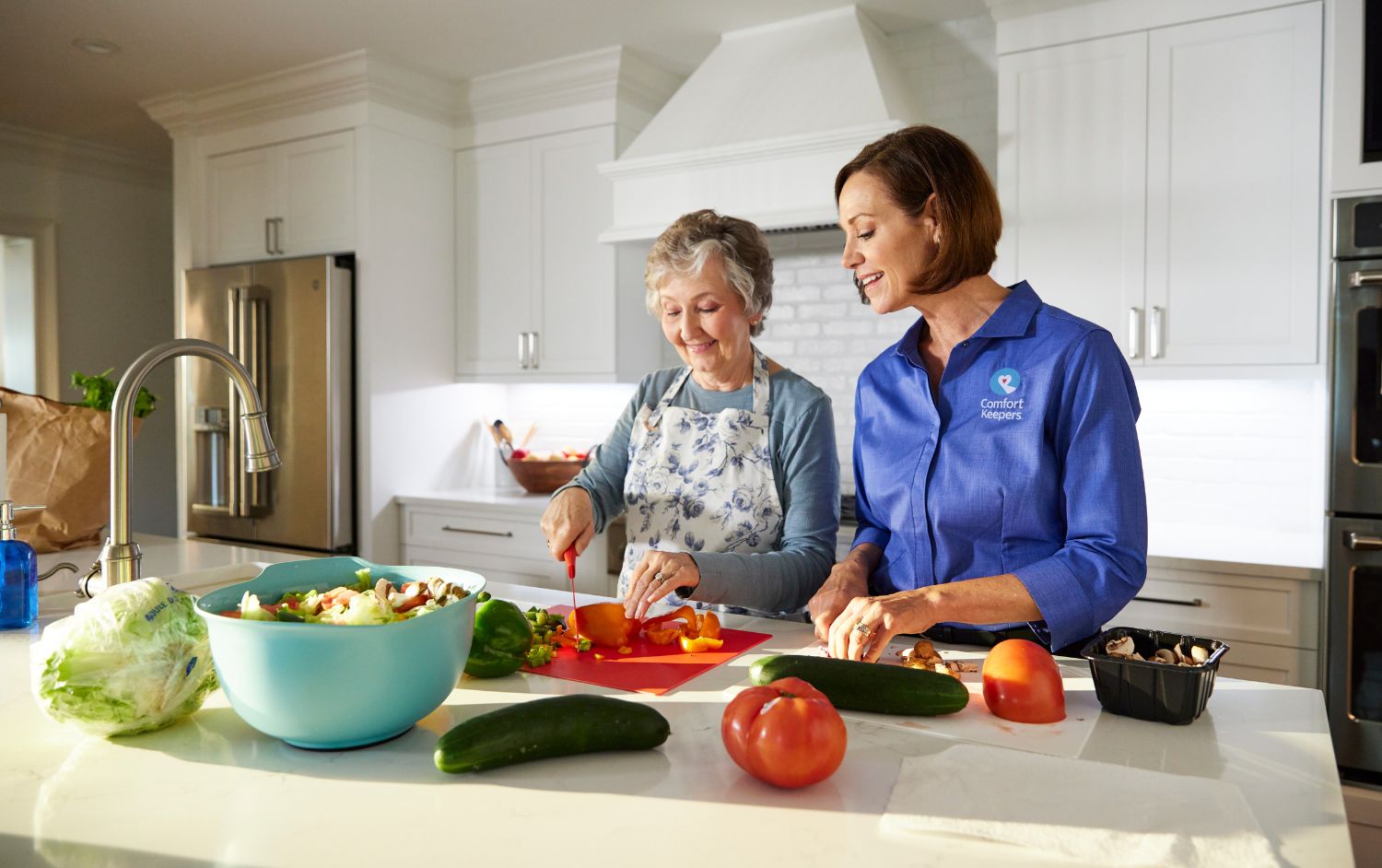
- The Interactive Caregiving™ Way: The caregiver invites the senior into the kitchen. They look through the fridge together, discussing what sounds good for lunch. The senior might help wash vegetables or set the table while the caregiver makes the sandwich. They sit down and eat together, sharing stories. The task is not just completed; it’s transformed into a moment of connection, choice, and shared activity.
This same principle applies to everything from sorting mail to going for a walk – transforming routine moments into opportunities for engagement. It’s about finding joy in the daily activities that promote senior independence and well-being.
5 Questions to Ask Any Home Care Provider
As you speak with different agencies, these questions will help you uncover their true care philosophy and move beyond the sales pitch.
- “How do you measure a ‘good day’ for my loved one?” A task-based provider will likely talk about completing the care plan. A provider focused on well-being will talk about your loved one’s mood, engagement level, and happiness.
- “Describe how your caregivers turn routine tasks into positive interactions.” Ask for specific examples. If they struggle to answer, their focus is likely on the task, not the person.
- “What kind of training do your caregivers receive in communication and engagement techniques?” This reveals if they invest in the “soft skills” that are essential for a holistic approach.
- “How is the care plan personalized beyond a list of physical needs?” Look for an approach that incorporates hobbies, interests, and personal preferences to create a truly individualized experience.
- “How do you support your caregivers in building a strong, trusting relationship with my family members?” The answer will tell you if they see the caregiver-client relationship as foundational to their service or just a means to an end.
Getting clear answers to these questions is vital for understanding the full scope of personalized care and making a choice you can feel confident about.
Choose More Than Care. Choose Connection
Ultimately, the choice between care philosophies comes down to a simple question: Do you want someone to just check boxes, or do you want someone to help your loved one live a fuller, happier, and more connected life?
While completing tasks is an important part of in-home care, it should be the starting point, not the entire goal. The right care doesn’t just manage decline – it actively cultivates well-being. By choosing a philosophy rooted in engagement and connection, you’re not just ensuring your loved one is safe. You’re giving them the opportunity to thrive.
Discover how our unique Interactive Caregiving™ approach can make a profound difference for your family. Contact Comfort Keepers Tri-Cities today for a complimentary and compassionate consultation.
Frequently Asked Questions
Q: Is Interactive Caregiving™ more expensive than standard task-based care?
A: While our rates are competitive, the focus should be on the value, not just the hourly cost. Interactive Caregiving™ is an investment in your loved one’s total well-being—physical, mental, and emotional. By actively preventing the negative health outcomes of loneliness and passivity, this approach can lead to better long-term health and potentially reduce more intensive care needs down the road. It provides a richer, more fulfilling life, and our clients find that value to be priceless.
Q: My parents are very private and aren’t used to a lot of activity. Will this approach be too much for them?
A: This is a common and important concern. The “interactive” part of our philosophy is always tailored to the individual’s personality, energy level, and preferences. For a more introverted person, engagement might mean quiet companionship, working on a puzzle together, or discussing a news article. It’s never about forcing activity; it’s about finding a comfortable level of connection that respects their personality and brings them joy.
Q: How do you train your caregivers for this specific approach?
A: All our caregivers, whom we call Comfort Keepers®, undergo extensive training that goes far beyond basic care tasks. They are trained specifically in our Interactive Caregiving™ philosophy, learning techniques for empathetic communication, activity planning, and how to turn everyday moments into opportunities for engagement. We hire for qualities like compassion and empathy, ensuring our caregivers are naturally inclined to form meaningful connections.
Q: What if my loved one really just needs help with a few specific tasks?
A: We absolutely ensure that all necessary tasks are completed to the highest standard. The difference is in how they are completed. With Interactive Caregiving™, those essential tasks – like meal preparation or light housekeeping – become the framework for positive interaction. We will always meet the required physical needs; we just believe in nurturing the whole person at the same time.
Individualized Home Care Options
Long-Term Home Care, 24 Hour Home Care & Short Term Care Options Customized for You