

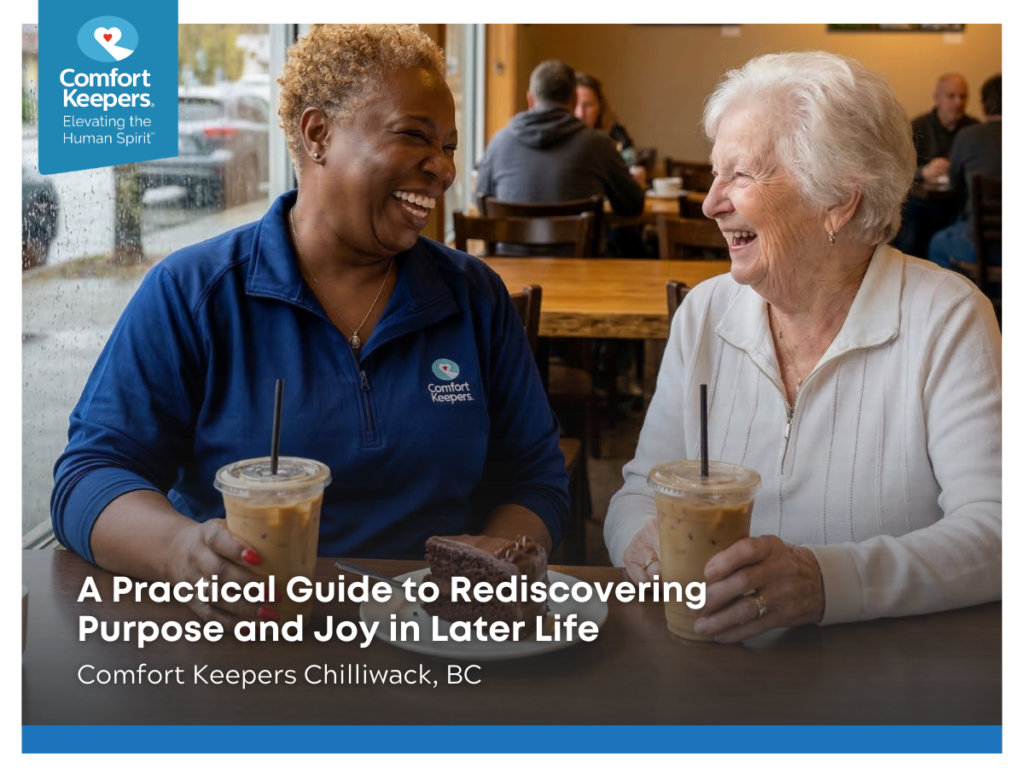
A Practical Guide to Rediscovering Purpose and Joy in Later Life
As we or our loved ones age, the conversation often turns to a simple question: “What is there to do all day?” It’s a question that quickly leads to endless lists of hobbies and activities. But these lists often miss the point. The real challenge isn’t just filling time; it’s filling it with meaning. It’s the difference between merely passing the days and living them with a sense of purpose, contribution, and joy.
For families and seniors evaluating their next steps, the goal is to find more than just a pastime. It’s about cultivating a life that remains rich, engaging, and fulfilling, even when faced with new challenges like limited mobility or cognitive changes. This guide moves beyond generic suggestions to provide a practical, evidence-based framework for discovering and nurturing purposeful living. We’ll explore the science behind why it matters so deeply and offer adaptable strategies to help you or your loved one thrive.

The Science of Purpose: Why Meaningful Engagement is Non-Negotiable
A strong sense of purpose isn’t just a pleasant feeling; it’s a powerful driver of health and longevity. The research is overwhelmingly clear: seniors who engage in meaningful activities live longer, healthier, and happier lives.
Consider the data. A strong sense of purpose has been shown to:
- Lower Dementia Risk: Purposeful seniors are 2.4 times more likely to remain free of Alzheimer’s disease.
- Slow Cognitive Decline: Engagement in stimulating activities can slow the rate of cognitive decline by up to 30%.
- Reduce Disability: It reduces the risk of developing disabilities in daily living by 13-14%.
- Increase Longevity: Individuals with a higher sense of purpose have a 15% reduced risk of death, regardless of other factors.
This profound impact is rooted in well-established psychological principles. Self-Determination Theory (SDT), for instance, explains that human beings thrive when three core needs are met: Autonomy (the feeling of control over one’s life), Competence (the feeling of being effective and skilled), and Relatedness (the feeling of connection to others). Purposeful activities are the vehicle through which seniors can meet these fundamental needs, directly combating feelings of helplessness or isolation.
Similarly, Activity Theory suggests that well-being in later life is linked to maintaining the activities and social roles that were important earlier in life, or finding meaningful replacements. It’s not about stopping; it’s about adapting.
Your Personalized Pathway to Purpose: A Discovery Framework
The most effective activities aren’t found on a list; they’re discovered from within. Before looking at what to do, it’s crucial to understand why. Use these reflective questions to help you or your loved one uncover personal drivers of purpose.
- Look Back (Legacy & Passion): What activities brought you the most joy and pride in your life? What skills did you use that made you feel competent and alive?
- Look Around (Contribution & Connection): What problems in your family or community do you wish you could help solve? Who do you enjoy spending time with, and what do you like to do together?
- Look Forward (Growth & Creativity): Is there a subject you’ve always wanted to learn? A creative skill you’ve wanted to try? A place you’ve wanted to explore, even virtually?
Answering these questions helps identify core “purpose drivers.” Most people find meaning through one or more of these domains:
- Contribution: Helping others, volunteering, mentoring.
- Creativity: Expressing oneself through art, music, writing, or crafts.
- Learning: Acquiring new knowledge or skills.
- Connection: Nurturing relationships with family, friends, and community.
- Vitality: Engaging in physical movement and connecting with nature.
Once you identify a primary driver, you can find activities that align with it, ensuring the pursuit is intrinsically motivating and deeply fulfilling.
Engaging Activities for Every Ability: Adapt and Thrive
With a purpose driver in mind, the next step is to explore activities, focusing on adaptation to ensure they are accessible, safe, and enjoyable.
Contribution & Connection
This is about strengthening social bonds and feeling like a valued part of a community. The decline in activity participation is directly correlated with an increase in depression, making this category vital.
- Remote Volunteering: Many organizations need volunteers for phone banking, letter writing, or providing “friendly visitor” calls to other isolated individuals.
- Intergenerational Mentoring: Share life experiences with younger generations through local school programs or family history projects. A simple, structured conversation can provide immense value to a young person and reinforce a senior’s sense of legacy.
- Community Support: Help knit or crochet blankets for local shelters, assemble care packages, or participate in a community garden. Many of these tasks can be adapted for those who are seated.
Creative & Expressive Arts
Creative outlets are powerful tools for emotional processing and maintaining fine motor skills.
- Adaptive Art: Use large-grip paintbrushes, pre-sketched canvases, or digital art apps on a tablet. Clay sculpting is excellent for maintaining hand strength.
- Music Therapy: Simply listening to beloved music can improve mood and recall memories. For those who want to be more active, lightweight percussion instruments or a simple keyboard can be incredibly engaging.
- Legacy Journaling: Documenting life stories, family recipes, or personal wisdom is a profound way to create a lasting legacy. This can be done through writing, voice recording, or with the help of a professional to transcribe stories.
Lifelong Learning & Mental Stimulation
The brain, like any muscle, benefits from exercise. Engaging in novel mental challenges builds cognitive resilience.
- Online Courses: Platforms like Coursera or local library programs offer free classes on everything from history to coding.
- Adaptive Cognitive Training: Brain-training apps can improve attention and memory by dynamically adjusting their difficulty to match the user’s ability.
- Dual-Task Exercises: Combine a simple physical task with a mental one. For example, sort a deck of cards by suit while seated and marching your feet. Studies show this can boost attention and processing speed by 8-14%.
Physical & Outdoor Well-being
Movement is essential for both physical health and mental mood, yet only 27-44% of adults over 65 meet aerobic recommendations. The key is finding safe, accessible forms of movement.
- Chair Yoga & Seated Strength: Modified yoga poses and resistance band exercises can improve flexibility, circulation, and strength without the risk of falling.
- Adaptive Gardening: Raised garden beds or container gardening on a patio make planting accessible for those who cannot kneel. Even caring for indoor plants can provide a sense of purpose.
- Virtual Walks: Use a tablet or TV to explore nature trails or cities around the world from the comfort and safety of an armchair, often while using a stationary peddler.
Leveraging Technology: The Untapped Frontier of Purposeful Living
For seniors with limited mobility, technology is not a replacement for human connection but a powerful bridge to it. Groundbreaking research shows that engaging in online activities can increase the odds of a positive health status by 1.808 times, nearly on par with the benefits of physical activity.
This goes far beyond simple video calls. Consider exploring:
- Virtual Museum Tours: The Louvre, the Guggenheim, and the Smithsonian all offer immersive online tours.
- Live-Streamed Concerts & Theatre: Many venues now offer high-quality streams of their performances.
- Specialized Senior Social Networks: Platforms like Senior Planet offer communities and classes designed specifically for older adults, fostering connection around shared interests.
Helping a senior get comfortable with a tablet or computer can unlock a world of engagement, combating isolation and providing endless opportunities for learning and entertainment. Our caregivers are trained to assist with these technologies as part of our approach.
Frequently Asked Questions About Fostering Purpose
Q1. What if my loved one seems resistant to trying new things?
A1. Resistance often stems from a fear of failure or a feeling that it’s “too late” to learn something new. Start small and connect the activity to one of their core purpose drivers. Frame it as an experiment, not a commitment. Instead of saying, “You should try painting,” try, “I remember how much you loved your garden. I thought we could try painting some simple flowers together, just for fun.” The support of compassionate care can often help ease this transition.
Q2. How do we balance encouraging activity with ensuring safety?
A2. This is a critical concern. The key is adaptation. A risk assessment should be part of any new activity plan. For physical activities, this might mean having a caregiver present, using mobility aids, or choosing seated exercises. For online activities, it means ensuring cybersecurity basics are in place. The goal is to modify the environment and the activity to minimize risk while maximizing independence.
Q3. Can too much activity be a bad thing?
A3. While engagement is crucial, burnout is real. It’s important to find a rhythm that provides gentle stimulation without causing exhaustion or stress. A healthy routine includes a mix of active engagement and quiet downtime for rest and reflection. Pay attention to cues of fatigue or overstimulation and adjust the schedule accordingly.
A Richer, More Vibrant Chapter Awaits
Shifting the focus from simply “doing activities” to “living with purpose” can transform the aging experience for both seniors and their families. It’s about honouring a lifetime of interests, fostering connections, and embracing the human need to contribute and grow at every stage of life. By understanding the unique drivers of meaning for your loved one and creatively adapting activities to their abilities, you can help them write a vibrant, fulfilling, and joyful next chapter.
If you are exploring ways to build a personalized plan that nurtures purpose and well-being at home, our team can help. We begin every relationship with an in-depth understanding of the whole person – their history, their passions, and their goals – to create a care experience that truly elevates the human spirit.
The Best, Expert Senior Home Care in Chilliwack , British Columbia is Comfort Keepers®
At Comfort Keepers®, we provide personalized, compassionate in-home care services for seniors in Chilliwack, and surrounding areas.
The team at Comfort Keepers Chilliwack is proud to provide home care that keeps seniors safe. We support thousands of families each year with home care services for seniors—helping loved ones remain happy, and independent in the homes they love.
Home is The Best Place to Be for Senior Care
Providing home care can be very draining and taxing on family caretakers. That’s where we come in. With in-home assisted living as a lifestyle choice seniors can start a new, fresh take on daily living while remaining in the comfort and familiarity of home.
Comfort Keepers® Chilliwack offers professional, flexible care solutions that lighten the load for families and give everyone peace of mind—knowing their loved one is in good hands.
We offer a range of services that include elderly homecare for seniors, senior independent support, personal care services, respite care, and more.
Comfort Keepers® Chilliwack Can Help with Companion Care and Interactive Caregiving™
Our trained caregivers, or Comfort Keepers, help provide our elderly clients with personal home care to help maintain the highest possible quality of life. Caregivers deliver Interactive Caregiving™, a system of care that addresses safety, nutrition, mind, body, and activities of daily living (ADLs).
Interactive Caregiving™ is an opportunity to interact one-to-one with a senior, engage them, learn about them, and give them the gift of personalized, thoughtful attention that allows them to maintain their independence.
At Comfort Keepers® Chilliwack, we believe keeping our clients physically, mentally, emotionally and socially involved can make a difference in their well-being. .
Comfort Keepers® Chilliwack Provides Home Care and a Wide Range of In-Home Care Services for Seniors.
Are you looking for reliable home care in Chilliwack? Learn more about our unique service, which offers personal care, companionship care, palliative, and end-of-life care in Chilliwack, and surrounding areas. Contact the Comfort Keepers® Chilliwack office today, our professional staff will be happy to explain our customizable in-home care options and to schedule a free in-home consultation.