


What Happens When Seniors Start to Isolate Themselves?
When independence shifts into isolation, the consequences can be severe and rapid. Isolation is not merely a social inconvenience; it is a critical health risk that accelerates physical and cognitive decline. For many seniors in Canada, the desire to “age in place” is strong. Remaining in a familiar home offers comfort and dignity.

The Silent Risks of Senior Isolation
Isolation is often invisible until a crisis occurs. While families may worry about falls or sudden illness, the slow erosion of health due to loneliness is equally deadly.
In Canada, approximately 30% of seniors are at risk of becoming socially isolated. This isolation creates a dangerous feedback loop: as seniors withdraw, their mental and physical health deteriorates, making it even harder to reconnect. Understanding the specific risks and warning signs is the first step in protecting your loved one’s future.
What Are the Risks of Social Isolation For an Elderly Person Living Alone?
The medical community now treats social isolation as a serious health hazard. According to the National Institute on Ageing (NIA), the health impact of prolonged loneliness is comparable to smoking 15 cigarettes a day). When a senior lives alone without regular interaction, the risks multiply:
- Increased Mortality: Seniors experiencing severe loneliness face a 45% increased risk of death.
- Cardiovascular Issues: Poor social relationships are associated with a 29% increased risk of heart disease and a 32% increased risk of stroke.
- Mental Health Decline: Isolation is a primary driver of depression and anxiety in older adults. Without a companion to talk to, negative thoughts can spiral, leading to severe emotional distress.
To prevent these health risks from becoming reality, our Comfort Keepers Chilliwack team can match your loved one with a compatible companion caregiver within days.
When Does Living Alone Become Unsafe For An Elderly Person?
Living alone becomes unsafe when a senior can no longer manage their Activities of Daily Living (ADLs) or respond effectively to emergencies. In the absence of a partner or roommate, small incidents can become life-threatening.
- The “Long Lie”: If a senior falls while alone, they may remain on the floor for hours or days. This delay in help significantly decreases the chance of recovery.
- Medication Mismanagement: Without a second set of eyes, seniors may skip doses or double dose, leading to hospitalization.
- Malnutrition: Social isolation often leads to “tea and toast” syndrome, where seniors lack the motivation to cook nutritious meals for themselves, resulting in rapid weight loss and frailty.
Recognizing the Warning Signs
Family members often miss the early red flags because they happen gradually. By the time a crisis hits, the senior may have been struggling for months.
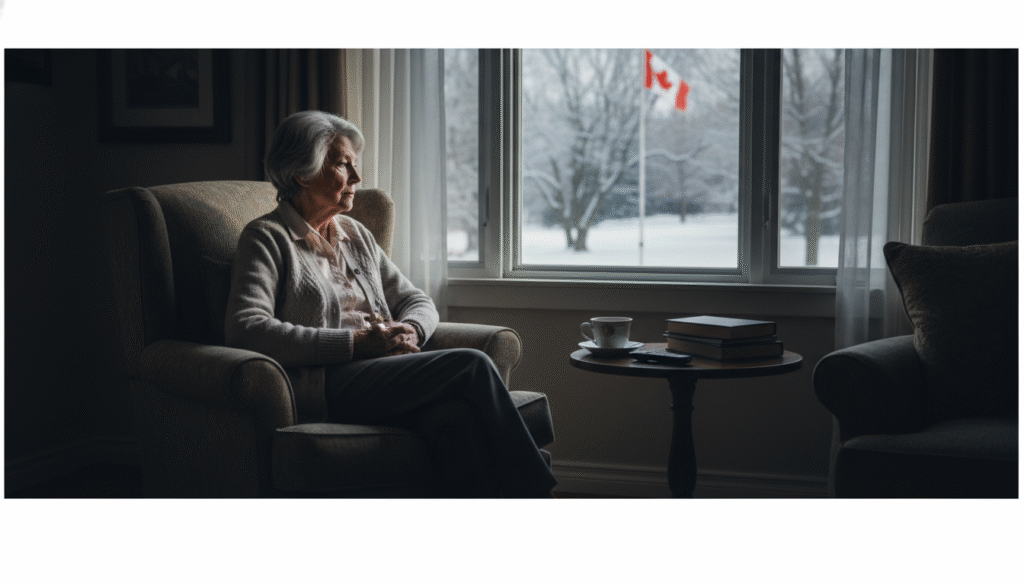
What Are The Common Signs a Senior Needs Help Living Alone?
If you visit your aging parent in Maple Ridge or Pitt Meadows and notice these changes, it is time to intervene:
- Physical Appearance: Unexplained weight loss, body odour, or wearing dirty clothes indicate a decline in self-care abilities.
- Home Environment: Stacks of unopened mail, unpaid bills, spoiled food in the fridge, or unusual clutter are clear signs they are overwhelmed.
- Social Withdrawal: A lack of interest in hobbies they once loved or a refusal to leave the house can signal depression or a fear of falling.
If you spot these signs, do not wait for a fall to happen; contact us to discuss how a few hours of weekly support can restore safety and order to their home.
What Are the Signs of Cognitive Decline in Seniors Living by Themselves?
Distinguishing between normal aging and cognitive decline is difficult when you don’t see the person every day. However, certain behaviours are distinct warnings of dementia or Alzheimer’s:
- Confusion with Time or Place: Getting lost in their own Ridge Meadows neighbourhood or confusing night and day.
- Poor Judgment: Falling for phone scams, giving away large sums of money, or dressing inappropriately for the weather (e.g., light clothing in a Canadian winter).
- Short-term Memory Loss: Repeatedly asking the same questions or forgetting that they just ate.
- Personality Changes: Increased suspicion, paranoia, or aggression towards family members.
Breaking the Cycle with Local Support
Isolation is not inevitable. With the right support system, seniors can continue to live at home safely while remaining socially engaged.
Where Can I Find Reliable In-Home Senior Care Services in Chilliwack, BC?
Finding a trustworthy caregiver is the most effective way to combat isolation. At Comfort Keepers Chilliwack, we specialize in “Interactive Caregiving” – a unique approach that focuses on doing things *with* the senior, not just *for* them.
We serve families across Maple Ridge, Pitt Meadows, Chilliwack and the surrounding areas with services designed to break the cycle of loneliness:
- Companion Care: We engage seniors in conversation, games, and hobbies to keep their minds active.
- Transportation: Our caregivers drive clients to medical appointments, grocery stores, or local community centres to ensure they remain part of the community.
- Safety Monitoring: We provide a physical presence to prevent falls and ensure medications are taken on time.
Our caregivers are local, fully vetted, and trained to handle the specific needs of Canadian seniors. To eliminate the worry of your loved one being alone, our team can deploy a personalized care plan for you within 48 hours.
Frequently Asked Questions
Q: How do I know if my parent is lonely or just enjoys their privacy?
A: Look for changes in behaviour. If a senior who used to be active suddenly stops calling friends, loses interest in hobbies, or exhibits signs of depression (sleeping too much, irritability), they are likely suffering from loneliness rather than enjoying solitude.
Q: Can home care really help with social isolation?
A: Yes. Consistent visits from a compassionate caregiver provide the social interaction seniors crave. Beyond just safety, caregivers offer friendship, conversation, and a connection to the outside world, which has been proven to improve mental health.
Q: Is it expensive to hire a companion for a senior in British Columbia?
A: Costs vary based on the level of care required. However, compared to the cost of moving to a long-term care facility, in-home companion care is often a more affordable and flexible solution that allows the senior to keep their assets and home.
Q: What is the difference between companion care and personal care?
A: Companion care focuses on emotional support, social interaction, and light housekeeping (like meal prep and transportation). Personal care involves hands-on assistance with physical tasks such as bathing, grooming, and toileting. Comfort Keepers provides both.
Q: How quickly can Comfort Keepers start services in Chilliwack?
A: We understand that care needs can arise suddenly. In many cases, we can conduct an in-home assessment and have a caregiver in place within 24 to 48 hours.
Executive Summary
- Isolation is Deadly: Social isolation increases the risk of premature death by 45% and significantly raises the likelihood of dementia and heart disease.
- Watch for Signs: Look for neglected hygiene, unpaid bills, spoiled food, and withdrawal from social activities.
- Safety First: Living alone becomes unsafe when a senior cannot manage ADLs or is at risk of the “long lie” after a fall.
- Local Help is Available: Comfort Keepers Chilliwack provides professional in-home care that ensures seniors are safe, socially engaged, and properly nourished.