



Caring for a loved one with dementia can be overwhelming. Families often struggle with questions like “Is it safe for them to live alone?” or “How do we manage memory loss, confusion, or daily care?”
At Comfort Keepers Prince George, we provide specialized dementia home care that helps seniors remain safe, comfortable, and independent right where they feel best: at home.
What Is Dementia Home Care?
Dementia home care is professional, in-home support designed for seniors living with:
- Alzheimer’s disease
- Vascular dementia
- Lewy body dementia
- Other forms of memory loss
Unlike basic home support, dementia care focuses on routine, safety, emotional reassurance, and cognitive support, all tailored to the individual.
Why Families in Prince George Choose Dementia Care at Home
Many families search for dementia home care in Prince George, Quesnel and Vanderhoof because they want to avoid or delay long-term care placement.
In-home dementia care can help by:
- Reducing confusion caused by unfamiliar environments
- Supporting daily routines that calm anxiety
- Lowering the risk of falls and wandering
- Providing companionship and emotional stability
Familiar surroundings often lead to better quality of life for seniors with dementia.
Our Dementia Home Care Services in Prince George, Quesnel and Vanderhoof area
Comfort Keepers provides personalized dementia home care plans, including:
Cognitive & Emotional Support
- Gentle reminders and structured routines
- Calm communication techniques
- Activities that stimulate memory and engagement
Daily Living Assistance
- Bathing, grooming, and dressing
- Meal preparation and hydration reminders
- Light housekeeping and laundry
Safety & Mobility Support
- Fall prevention
- Wandering prevention strategies
- Supervision for day and night
Companionship
- Meaningful conversation
- Familiar activities and hobbies
- Emotional reassurance for both seniors and families
Signs Your Loved One May Need Dementia Home Care
Families often delay seeking help. If you notice these signs, it may be time to consider professional support:
- Forgetting medications or meals
- Increased confusion or agitation
- Difficulty with personal hygiene
- Unsafe behaviors (leaving stove on, wandering)
- Caregiver burnout or exhaustion
Early dementia home care can prevent emergencies and ease stress for everyone involved.
Why Choose Comfort Keepers Prince George?
Families trust Comfort Keepers because we offer:
✔ Specially trained caregivers
✔ Personalized care plans
✔ Flexible schedules (part-time to 24/7 care)
✔ Local Prince George care team
✔ Focus on dignity, respect, and independence
Our approach goes beyond basic care—we support the whole person.
Frequently Asked Questions (FAQ)
What is the difference between dementia care and regular home care?
Dementia care includes specialized training, communication techniques, safety planning, and cognitive support tailored specifically for memory loss.
Can dementia home care delay long-term care placement?
Yes. Many families use in-home dementia care to safely keep loved ones at home longer.
Is dementia home care available 24/7 in Prince George, Quesnel and Vanderhoof?
Yes. Comfort Keepers offers flexible care schedules, including overnight and 24-hour care.
Do caregivers have dementia-specific training?
Yes. Comfort Keepers caregivers receive training focused on dementia and Alzheimer’s care.
How soon can care start?
In many cases, care can begin within days after an assessment.

Get Dementia Home Care in Prince George Today
If someone you love is living with dementia, you don’t have to navigate this journey alone.
Contact Comfort Keepers Prince George today to schedule a free in-home consultation and learn how our dementia care services can enhance safety, comfort, and peace of mind.
Call now or request care online to speak with our local care team.
Comfort Keepers® is here to assist. We provide support to loved ones at home with daily living activities, household chores, and by promoting healthy eating habits and medication adherence. Reach out to your local Comfort Keepers office to explore the various in-home care services we provide.
7 Early Signs of Alzheimer’s and Dementia Families in Prince George Shouldn’t Ignore

Alzheimer’s disease and other forms of dementia affect thousands of Canadian families every year—including many right here in the Prince George area. While some forgetfulness is a normal part of aging, certain changes in memory, behaviour, or thinking may be early warning signs of something more serious.
Recognizing these symptoms early can make a big difference in getting the right care and support for your loved one.
Here are 7 early signs of Alzheimer’s and dementia to watch for:
1. Memory Loss That Affects Daily Life
It’s normal to forget names or misplace keys occasionally. But when memory problems start to disrupt everyday life, such as forgetting important dates, repeating the same questions, or putting items in unusual places, it may signal something more serious.
2. Difficulty Planning or Solving Problems
Tasks that once felt simple, like managing household bills, following a recipe, or keeping track of medications, may suddenly become confusing or overwhelming. This can be an early sign of cognitive decline.
3. Trouble Completing Familiar Activities
Everyday routines can become difficult. Someone might struggle to drive to a familiar location, operate the coffee maker, or remember the rules to a favourite card game.
4. Confusion with Time or Place
Losing track of dates, seasons, or even where they are is common in the early stages of dementia. A loved one may feel disoriented, forgetting how they got somewhere or believing they are living in another year.
5. Changes in Communication and Language
Finding the right words, following a conversation, or expressing thoughts can become harder. A loved one may stop mid-sentence, repeat themselves often, or call objects by the wrong name.
6. Poor Judgment or Decision-Making
Declining judgment can lead to unusual choices, such as dressing inappropriately for the weather, neglecting personal hygiene, or giving away large amounts of money.
7. Withdrawing from Social Activities
A person may pull away from hobbies, community groups, or family gatherings they once enjoyed. This withdrawal is often caused by frustration, embarrassment, or confusion.
How Comfort Keepers Prince George Can Help
If you notice these changes in someone you love, it can feel overwhelming, but you don’t have to face it alone. At Comfort Keepers Prince George, our compassionate caregivers provide specialized dementia and Alzheimer’s care right in the home.
We focus on keeping seniors safe, comfortable, and engaged, while giving families the peace of mind that their loved one is in good hands.
📞 Contact Comfort Keepers Prince George today to learn how we can support your family with personalized care services.
Comfort Keepers® is here to assist. We provide support to loved ones at home with daily living activities, household chores, and by promoting healthy eating habits and medication adherence. Reach out to your local Comfort Keepers office to explore the various in-home care services we provide.
Effective Strategies for Communicating with Seniors with Dementia – part I
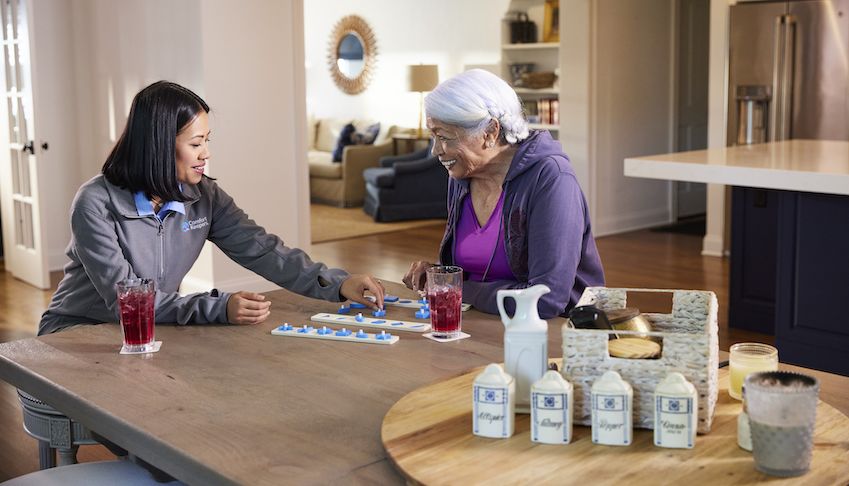
People with dementia not only have difficulty expressing thoughts and emotions but also have trouble understanding others.
Dementia, a complex ailment, defies classification as a standalone disease. Rather, it represents a collection of distressing symptoms that profoundly impact memory, cognition, and social skills, ultimately disrupting one’s everyday life. By definition, dementia signifies a breakdown in two or more brain functions, spanning from memory loss to compromised decision-making, extending to an inability to execute routine tasks like managing finances or preparing meals. In addition, Alzheimer’s disease and other types of dementia gradually erode an individual’s capacity to communicate effectively.
Difficulty with Senior Communication: Look for Clues
Changes in the ability to communicate are unique to each person with dementia. The family and/or caregiver may recognize changes such as:
- Using familiar words repeatedly
- Inventing new words to describe familiar objects
- Easily losing his or her train of thought
- Reverting to a native language
- Having difficulty organizing words logically
- Speaking less often
A Guide to Effective Communication During the Different Stages of Dementia
Stage 1: Mild Cognitive Impairment (MCI) During the early stage of Alzheimer’s or other dementias, seniors may experience mild memory loss and occasional difficulty finding the right words. Communication may still be relatively unaffected, but you should be prepared for subtle changes. Here are a few tips for effective communication during this stage:
- Use simple and straightforward language: Keep your sentences concise and avoid complex vocabulary. Use familiar terms and try to speak in a calm and reassuring tone.
- Be patient and offer support: Allow the person time to gather their thoughts and avoid rushing them. Offer gentle reminders if they struggle to find the right words. Express empathy and lend a listening ear.
- Use visual aids and gestures: Incorporate visual cues or gestures to reinforce your message. This can be helpful for individuals experiencing mild memory loss.
Stage 2: Moderate Cognitive Decline During the moderate stage of Alzheimer’s or other dementias, communication becomes more challenging. Memory loss intensifies, and individuals may struggle to communicate their needs and thoughts effectively. Here are some strategies to enhance communication during this stage:
- Maintain eye contact and be mindful of non-verbal cues: Pay attention to facial expressions and body language to better understand their emotions and needs. Maintain eye contact, as it can help establish a connection and build trust.
- Simplify choices: Avoid overwhelming the person with too many options. Instead, present choices one at a time, using visual aids if necessary. For example, when asking what they would like to eat, show them pictures of available options.
- Use reminiscence as a communication tool: Tap into the person’s long-term memory by encouraging conversations about their past. This can evoke positive emotions and stimulate dialogue.
Stage 3: Severe Cognitive Decline In the advanced stage of Alzheimer’s or other dementias, communication abilities deteriorate significantly. Individuals may struggle to understand or respond to verbal cues. However, it’s important to continue engaging with them and making efforts to communicate effectively:
- Non-verbal communication becomes crucial: Utilize touch, facial expressions, and gentle gestures to convey your emotions and intentions. Physical contact, such as holding their hand, can provide comfort and a sense of security.
- Engage through sensory stimulation: Explore activities that engage the person’s senses, such as listening to familiar music or touching textured objects. These activities can help evoke memories and provide a means of connection.
- Remain present and validate emotions: Despite the decline in communication abilities, emotions still play a significant role. Show empathy and validate their feelings through non-verbal cues, even if they struggle to express themselves verbally.
Communicating with elders during the different stages of Alzheimer’s and other dementias requires flexibility, patience, and understanding. By adjusting your approach to fit their evolving needs, you can create meaningful connections and maintain their dignity throughout their journey. Remember to always be present, compassionate, and receptive to their non-verbal cues.

Always remember to treat a person with dementia with dignity and respect. Don’t talk about them as if they are not there, or talk to them as you would to a young child, and be patient. Offer them ongoing comfort and reassurance, too. If he or she is having trouble communicating, let the person know that it’s okay. Encourage the person to continue to explain his or her thoughts, no matter what.