


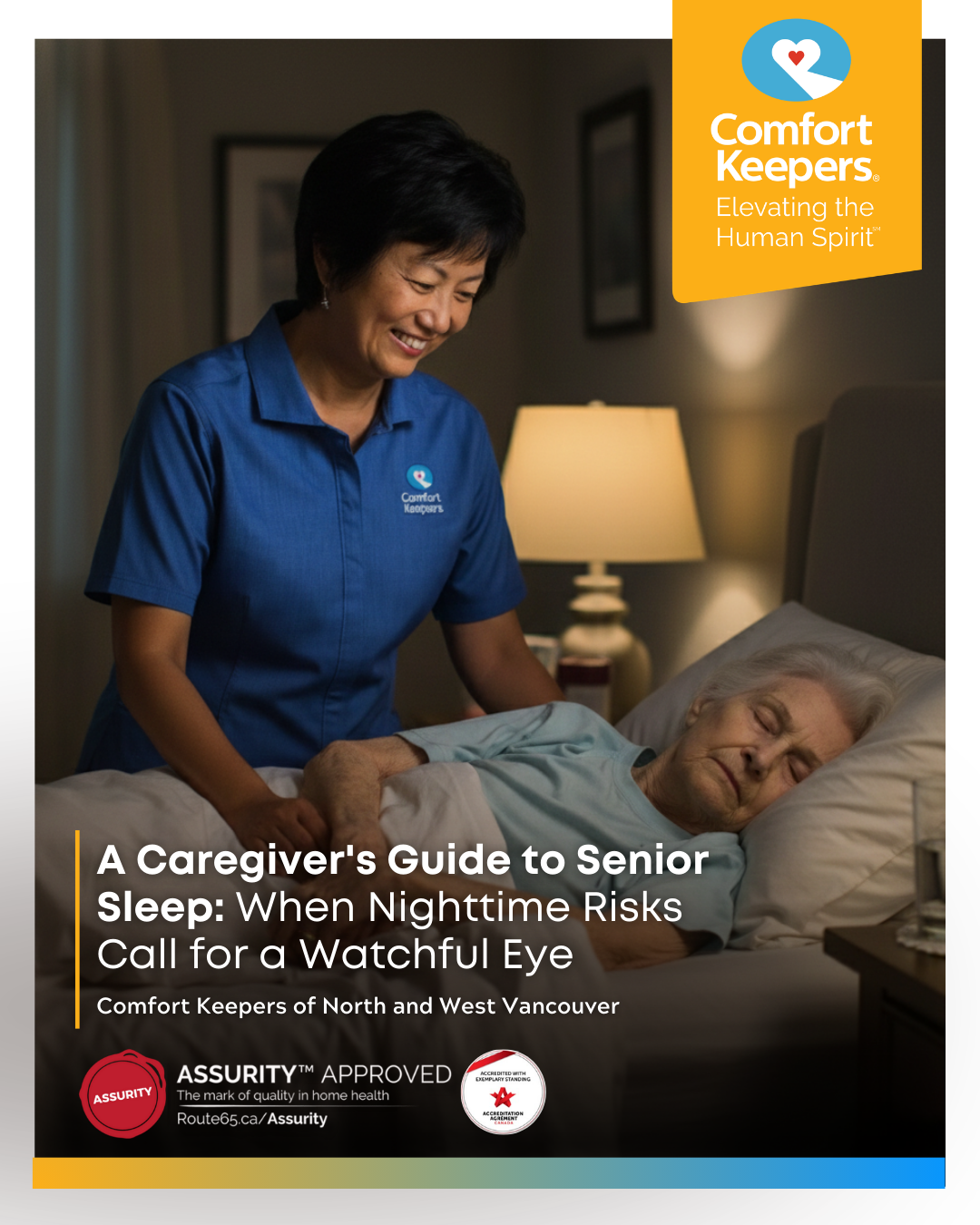
The sound of a thump in the middle of the night. It’s a noise that can jolt any family caregiver from the deepest sleep, heart pounding with a single, urgent question: Are they okay?
For many older adults, the night is no longer a time of uninterrupted rest. It can become a landscape of challenges – frequent trips to the bathroom, disorienting wake-ups, and an increased risk of falls in the dark. As a caregiver, you may find yourself wondering if these nighttime disruptions are just a normal part of aging or a sign that something more is needed.
Understanding the difference is crucial. It’s the key to preserving your loved one’s independence and ensuring their safety, transforming nighttime anxiety into peace of mind. This guide is here to help you navigate that fine line, turning confusion into clarity.

The Shifting Landscape of Sleep: What’s Normal and What’s a Red Flag?
One of the most common myths about aging is that older adults simply need less sleep. Research tells us this isn’t true. While sleep patterns certainly change, the need for restorative rest remains constant.
As we age, our internal body clock, or circadian rhythm, shifts. This can cause us to feel tired earlier in the evening and wake up earlier in the morning. We also spend less time in deep sleep and more time in lighter sleep stages, making us more susceptible to waking up during the night.
So, what’s a normal shift versus a red flag?
- Normal: Waking up once or twice during the night, but being able to fall back asleep easily. Feeling sleepy a bit earlier in the evening.
- Red Flag: Waking up three, four, or more times a night. Experiencing significant disorientation or confusion upon waking. A new pattern of daytime sleepiness that interferes with daily life.
These red flags often point to underlying issues that go beyond typical age-related changes – issues that can dramatically increase nighttime risks.
The Four Common Nighttime Disruptors and Their Hidden Dangers
When sleep becomes consistently fragmented, it’s rarely without cause. Several common conditions can turn the night into a hazardous time, directly increasing the risk of falls and injuries. Understanding them is the first step toward proactive care.
1. Nocturia: More Than Just a Nuisance
Nocturia is the medical term for waking up frequently during the night to urinate. While getting up once might be common, having to navigate a dark hallway multiple times a night is a significant risk factor for falls.
- The Hidden Danger: Each trip from bed to bathroom is a moment of vulnerability. Poor lighting, residual grogginess, and potential mobility challenges create a perfect storm for a fall. A 2025 study highlighted that nocturia is independently associated with an increased risk of falls and fractures in older adults.
- What to Watch For: Is your loved one getting up more than twice a night? Do they seem unsteady or confused when they do? Have you noticed any near-misses or unexplained bruises?
2. Obstructive Sleep Apnea (OSA): The Silent Threat
Sleep apnea is a serious condition where breathing repeatedly stops and starts during sleep. These pauses, or “apneas,” can happen hundreds of times a night, causing the brain to jolt awake to restart breathing. The person often doesn’t remember these awakenings, but their body feels the effects.
- The Hidden Danger: OSA leads to severe sleep fragmentation and oxygen deprivation, resulting in profound daytime fatigue, cognitive impairment, and morning headaches. The sudden awakenings can also cause confusion and an urgent need to get up, increasing the risk of a fall, especially if they are disoriented.
- What to Watch For: Loud, chronic snoring is a classic sign, but also listen for choking or gasping sounds during sleep. Observe if they seem excessively tired during the day despite spending a full night in bed.
3. REM Sleep Behaviour Disorder (RBD): Acting Out Dreams
In a typical sleep cycle, our bodies are essentially paralyzed during the dream phase (REM sleep). In RBD, this paralysis doesn’t happen, causing individuals to physically act out their dreams. This can involve yelling, punching, kicking, or even jumping out of bed.
- The Hidden Danger: The physical actions during an RBD episode can be violent and unpredictable, posing a serious injury risk to both the individual and their sleeping partner. Falling out of bed is a primary and immediate concern.
- What to Watch For: Any uncharacteristic or violent movements during sleep. Your loved one reports vivid, intense dreams that they feel they were a part of.
4. Restless Legs Syndrome (RLS) and General Discomfort
RLS causes an uncontrollable urge to move the legs, usually accompanied by uncomfortable sensations. This feeling is often worse at night, making it difficult to fall and stay asleep. General pain from conditions like arthritis can also lead to frequent repositioning and wakefulness.
- The Hidden Danger: The constant need to move or find a comfortable position prevents restorative sleep and can lead to frustration and fatigue. Getting out of bed to walk around and relieve symptoms introduces the same fall risks associated with nocturia.
The Tipping Point: A Framework for Deciding on Nighttime Supervision
Recognizing the risks is one thing; knowing when to act is another. How can you tell when your loved one’s sleep patterns have crossed the line from a manageable issue to a situation requiring supervision?
Use this checklist to assess the situation. The more questions you answer “yes” to, the stronger the case for considering nighttime monitoring.
The Nighttime Safety Checklist:
- Frequency: Is my loved one waking up more than twice a night on a regular basis?
- Mobility: Do they have difficulty getting in and out of bed, or are they unsteady on their feet?
- Confusion: Do they seem disoriented, confused, or agitated when they wake up at night?
- Recent Incidents: Have there been any recent falls, near-falls, or unexplained injuries?
- Wandering: Have you found them wandering the house at night, or have they ever tried to leave the home?
- Cognitive Decline: Are they living with dementia or another condition that impairs judgment and memory?
- Caregiver Burnout: Is my own sleep being consistently disrupted by listening for them, causing me stress and fatigue?
Answering “yes” to even one or two of these, particularly concerning falls or confusion, indicates that the risk level is elevated. This is the point where a conversation about adding a layer of safety becomes essential. That support can range from family help to professional, which is designed specifically to manage these risks.
Proactive Steps to a Safer Night
When supervision becomes necessary, it doesn’t mean a loss of independence. In fact, it’s a way to preserve it by preventing a life-altering injury. The goal of nighttime care is to provide support with your loved one, not just for them – a philosophy at the heart of our Interactive Caregiving approach.
This can involve:
- Assistance with Bathroom Trips: A caregiver can provide a steady arm and gentle guidance, drastically reducing fall risk.
- Comfort and Reassurance: For those with dementia who experience sundowning or nighttime confusion, a calm presence can soothe anxiety and help them get back to sleep.
- Medication Reminders: Ensuring medications are taken correctly, even in the middle of the night.
- Immediate Emergency Response: Having someone awake and alert in the home provides invaluable peace of mind.
Whether you are exploring family support or professional in-home care services, creating a safe environment is a powerful first step. This includes ensuring pathways are clear, nightlights are installed, and a bedside commode is available if the bathroom is far away.
Frequently Asked Questions About Senior Sleep & Safety
Q1. What are the most common sleep problems for older adults?
A1. The most prevalent issues include insomnia (trouble falling or staying asleep), nocturia (frequent nighttime urination), sleep apnea, Restless Legs Syndrome (RLS), and REM Sleep Behaviour Disorder (RBD). Many of these are linked to other health conditions, so it’s important to discuss them with a doctor.
Q2. How can I tell if my parent is just a ‘light sleeper’ or if there’s a real problem?
A2. The key difference is the impact. A “light sleeper” may wake easily but feels rested. A problem exists when nighttime awakenings are frequent, lead to confusion or mobility risks, and result in significant daytime fatigue that interferes with their quality of life.
Q3. What is the difference between “sleeping night care” and “waking night care”?
A3. “Sleeping night care” is when a caregiver sleeps at the home and is available to be woken a couple of times to assist if needed. “Waking night care,” often part of comprehensive 24-hour care, involves a caregiver who remains awake and alert all night. This is for individuals who wake frequently, are at high risk of falling, or have conditions that require constant monitoring.
Q4. When should I talk to a doctor?
A4. If you notice any of the red flags mentioned – especially signs of sleep apnea, RBD, or a sudden increase in nighttime confusion – it is crucial to schedule a visit with their doctor. These can be symptoms of treatable medical conditions.
Your Path to a Peaceful Night
Worrying about a loved one’s safety at night can take a heavy toll. But by understanding the real risks hidden within changing sleep patterns, you can move from a place of fear to one of empowered action.
The first step is observation. The next is a conversation with your loved one and with their doctor. When you’re ready to explore how dedicated, compassionate support can bring safety and peace of mind back to your family’s nights, we’re here to help you understand your options.
The Best Senior Home Care in North and West Vancouver is Comfort Keepers®
Our senior home care agency offers in-home care focusing on aging in place. Our services include dementia care, end-of-life care, post-surgery care, and palliative care. Comfort Keepers can assist seniors with living transition services, personal care, companionship care, and more!
Quality and Accredited Elderly Care: Happier, Healthier, and at Home with 24/7 Senior Care Opportunities!
Do you need a home care solution for yourself or a loved one? Have you been thinking about retirement homes and their alternatives as a solution? Comfort Keepers® enables seniors to maintain happy, healthy lives in the comfort of their own homes. In-home care services are available in North Vancouver, West Vancouver, and the surrounding areas.
Comfort Keepers® is a Senior Care Agency That Can Make a Difference with Interactive Caregiving™
Our in-home caregivers ensure our senior clients have the best quality of life. The Interactive Caregiving™ program ensures that a senior’s safety, nutrition, mental well-being, and everyday needs are met. This program brings joy and good health to each client’s home.
Comfort Keepers® North Vancouver and West Vancouver Can Help with In-Home Elderly Care Services!
If you are concerned about the health and well-being of a loved one we can help! Comfort Keepers offers 24-hour care and delivers top-quality and compassionate care for seniors. We are dedicated to safety technology solutions that foster independence and enhance well-being.
Locally Owned and Operated Home Health Care Agency
Our care centers around companionship for seniors. Empathetic care originates from the soul and allows us to meet our client’s requirements. The seasoned in-home caregivers employed by Comfort Keepers are carefully chosen based on their empathetic qualities.
Contact the Comfort Keepers® North Vancouver and West Vancouver office at (604) 998-8806 to learn more about our unique in-home care solutions for seniors.
Comfort Keepers is an Accredited Senior Care Agency in North and West Vancouver, BC
Accreditation is a rigorous process that involves industry experts evaluating an organization’s processes, policies, and procedures. Comfort Keepers® North and West Vancouver has been awarded Exemplary Standing by Accreditation Canada. This achievement recognizes that Comfort Keepers® meets or exceeds the stringent quality standards for Home Care companies established by Accreditation Canada.
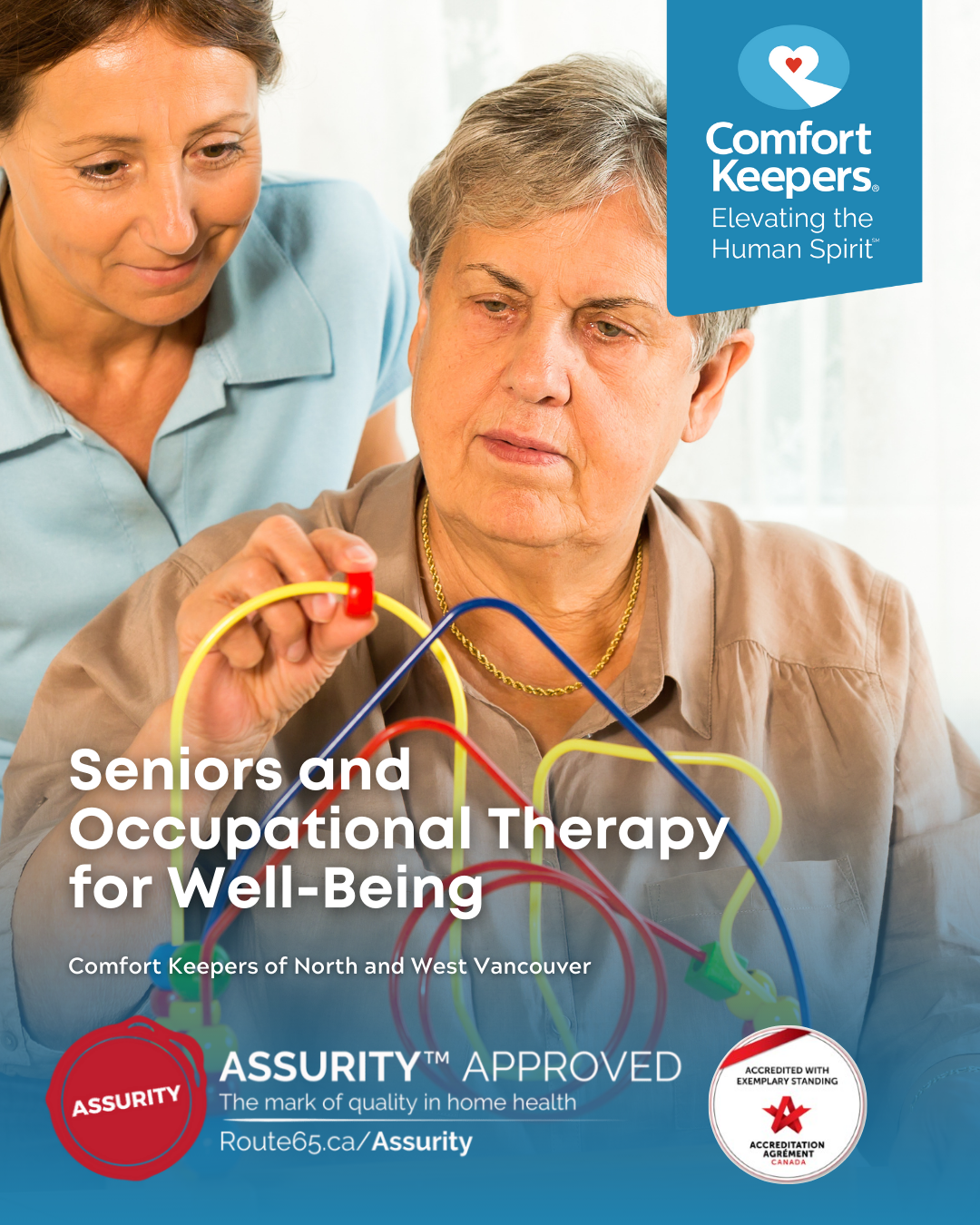
Seniors and Occupational Therapy for Well-Being
What Every Senior in North Vancouver and West Vancouver Needs to Know About Occupational Therapy
What is Senior Occupational Therapy?
Seniors and Occupational Therapy | Occupational therapy helps seniors lead independent and productive lives. This type of therapy allows seniors to recover or develop skills needed to complete daily tasks. This practice has been beneficial for seniors who feel they can no longer meet day-to-day physical and mental challenges.
FAST FACTS: Occupational therapy, as we know it today, began in the late 1800s when arts and crafts therapists were used to help patients with physical and mental illnesses.
Those who work in occupational therapy work to understand an individual’s specific needs. They assess by talking with the client, their family members, friends, and their primary doctor/physician. Therapists evaluate medical history, eating/sleeping patterns, and other behavioural patterns that can help form a thorough assessment. From there, they will develop a plan comprised of specific recommendations and techniques conducive to meeting his or her goals.
The Benefits of Occupational Therapy for Seniors
Occupational therapy supports many seniors in managing activities of daily living (ADLs), including bathing, toileting, and dressing. However, conditions such as arthritis or diabetes can make these tasks more difficult. The goal of therapy is to help seniors adapt, maintain mobility, and function independently despite physical limitations. In addition to improving physical abilities, therapists also use techniques to strengthen memory and cognitive skills, promoting overall mental and emotional well-being.
Four Tips About How Occupational Therapy Can Help Seniors:
Tip #1 – Overcoming daily challenges:
There are certain activities younger people take for granted. For seniors, these tasks may feel monumental. In fact, physical barriers can add to the overall stress a senior may feel. Therapists will work to form strategies that allow seniors to do things they used to or want to do Therapists help seniors overcome limitations or identify alternatives.
Tip #2 – Modifying the home:
Some ADLs simply can’t be completed without some form of environmental assistance. Therapists may recommend that improvements or modifications be made in the home, whether it’s the installation of railings, mats, grip bars – or any other assistive devices designed to help improve balance and stability – or modified utensils that can make eating easier. This can make a significant difference for those who may be suffering from arthritis or Parkinson’s. The benefit of a therapist helping to modify the home is really twofold: on one hand, it helps improve functionality, and on the other, it enhances the safety of the overall environment.
Tip #3 – Improving mental well-being:
As mentioned, occupational therapy does not revolve solely around improving physical well-being. If they’ve received referrals from doctors or other health care professionals to help reduce stress or anxiety, occupational therapists can incorporate relaxation exercises and techniques into a senior’s routine. Similarly, they can utilize various activities to help improve cognition, with crossword puzzles or memory games.
Tip #4 – Promoting independence:
Therapists are instructed to help improve quality of life, not just within a short period, but for a lifetime – and that begins with taking into account what challenges a senior wishes to overcome, day in and day out. The key to occupational therapy is that it represents a way of educating and showing the steps an individual can take on their own to continue meeting their goals and completing ADLs.

How Comfort Keepers® North and West Vancouver Can Help Canada’s Seniors
The goals of occupational therapy – improving quality of life and promoting independence – coincide with that of Comfort Keepers®. Occupational therapists can provide direct communication to our team, informing them of changes in a client’s behaviour or specific needs. From there, our caregivers can reinforce prescribed techniques and strategies designed to help a senior meet his or her goals and maintain independence. Contact us today to discover all of the services we provide.
The Best Senior Home Care in North and West Vancouver is Comfort Keepers®
Our senior home care agency offers in-home care focusing on aging in place. Our services include; dementia care, end-of-life care, post-surgery care, and palliative care. Comfort Keepers can assist seniors with living transition services, personal care, companionship care, and more!
Quality and Accredited Elderly Care: Happier, Healthier, and at Home with 24/7 Senior Care Opportunities!
Do you need a home care solution for yourself or a loved one? Have you been thinking about retirement homes and their alternatives as a solution? Comfort Keepers® enables seniors to maintain happy, healthy lives in the comfort of their own homes. In-home care services are available in North Vancouver, West Vancouver, and the surrounding areas.
Comfort Keepers® is a Senior Care Agency That Can Make a Difference with Interactive Caregiving™
Our in-home caregivers ensure our senior clients have the best quality of life. The Interactive Caregiving™ program ensures that a senior’s safety, nutrition, mental well-being, and everyday needs are met. This program brings joy and good health to each client’s home.
Comfort Keepers® North Vancouver and West Vancouver Can Help with In-Home Elderly Care Services!
If you are concerned about the health and well-being of a loved one we can help! Comfort Keepers offers 24-hour care and delivers top-quality and compassionate care for seniors. We are dedicated to safety technology solutions that foster independence and enhance well-being.
Locally Owned and Operated Home Health Care Agency
Our care centers around companionship for seniors. Empathetic care originates from the soul and allows us to meet our client’s requirements. The seasoned in-home caregivers employed by Comfort Keepers are carefully chosen based on their empathetic qualities.
Contact the Comfort Keepers® North Vancouver and West Vancouver office at (604) 998-8806 to learn more about our unique in-home care solutions for seniors.
Comfort Keepers is an Accredited Senior Care Agency in North and West Vancouver, BC
Comfort Keepers® North and West Vancouver accredited with Exemplary Standing with Accreditation Canada. Accreditation is an intensive process in which industry experts examine an organization’s processes, policies, and procedures against quality standards. To achieve accredited status, Comfort Keepers® met or exceeded the rigorous standards for Home Care companies, outlined by Accreditation Canada.
References:
- SeniorsMatter. “Occupational Therapists for Seniors” by Alison McIntosh. Web. 2017.
- LiveStrong. “OT Exercises for Seniors” by Ashely Miller. Web. 2014.
- TopOccupationalTherapySchool. “Occupational Therapy for Seniors – What are the Key Benefits?” Web. 2016.
- LiveScience. “What is Occupational Therapy?” by Stephanie Pappas. Web. 2014.