
Skip to content
Call Us At (604) 998-8806
Maple Leaf Maple Leaf Maple Leaf

Promoting Bone Health to North and West Vancouver’s Senior Community

Promoting Bone Health to North and West Vancouver’s Senior Community
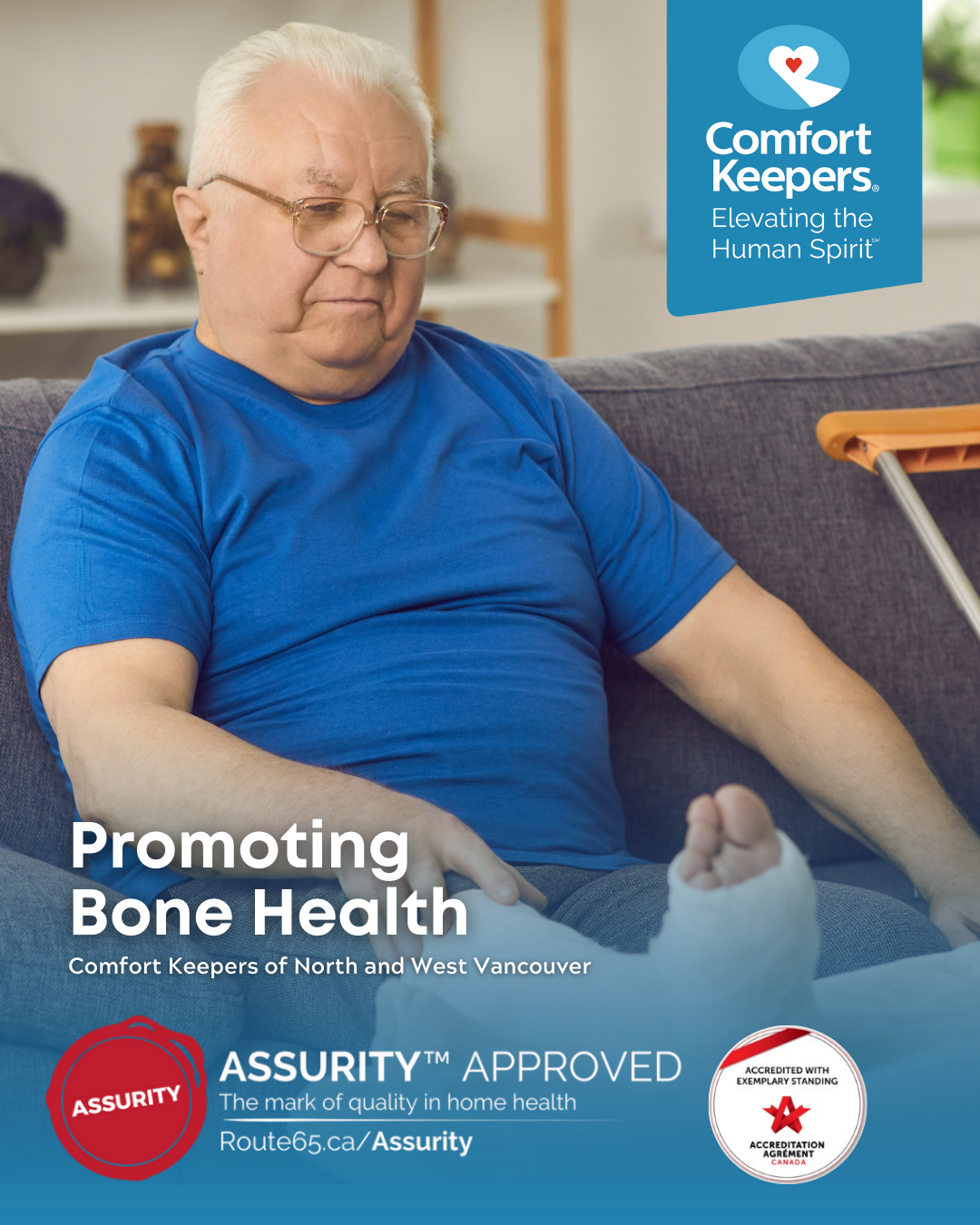
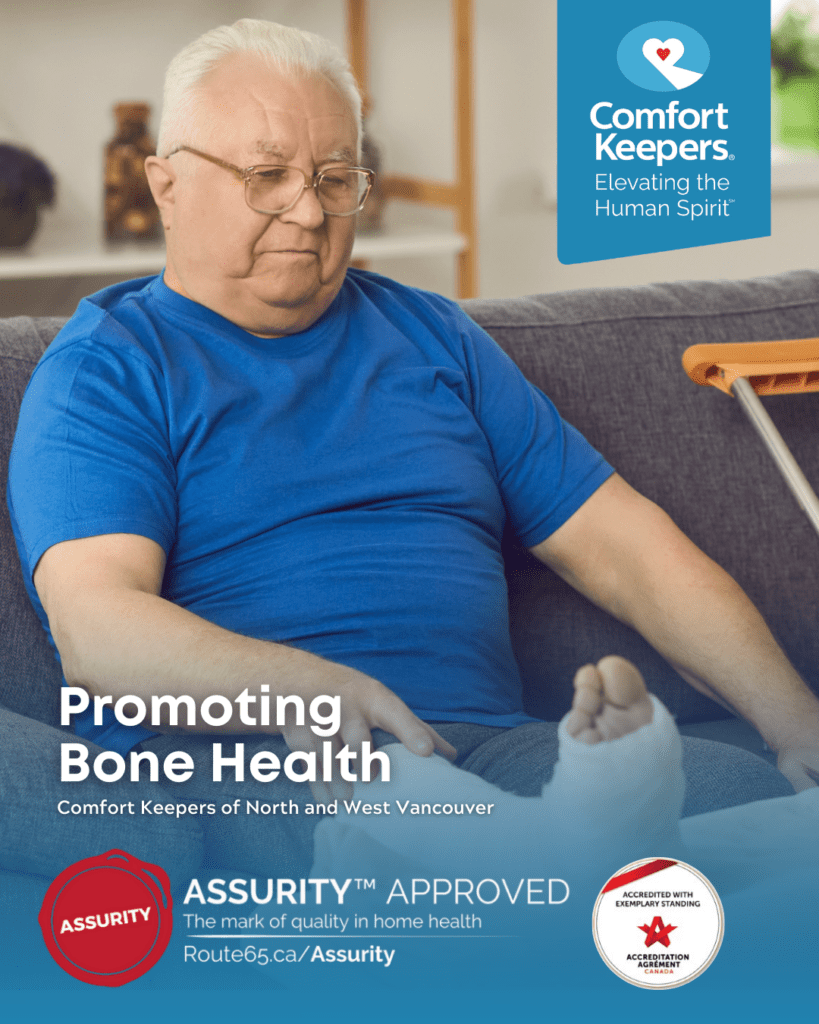
Senior male seated on couch with cast on leg and crutch beside | Promoting Bone Health | Comfort Keepers North and West Vancouver | BLOG POST

What Every Senior in North Vancouver and West Vancouver Needs to Know About Bone Health

According to the National Osteoporosis Foundation (NOF), low bone mass and osteoporosis affect 52 million Americans. It accounts for two million fractures and $19 billion in related expenses each year.

Promoting Bone Health | After the age of 50, women have a 50-percent chance of suffering an osteoporosis-related fracture. The risk increases dramatically after the first occurrence. Men 50 and over have a 25-percent chance of suffering an osteoporosis-related fracture. A variety of preventive health strategies help slow and lessen the effects of osteoporosis, a natural weakening of the bones as we age.

Osteoporosis Prevention and Treatment Options

The high physical and financial cost of osteoporosis makes prevention or treatment a top priority for seniors. Here are some leading options:

Medications Related to Bone Health

Most osteoporosis drugs block the effect of bone-destroying cells that increase in number as we get older. A compound called Denosumab helps prevent the formation of harmful cells. Declaring it one of 2009’s “Top 10 Medical Breakthroughs,” Time magazine states that two studies showed Denosumab to be effective in preventing fractures in the two largest at-risk populations for osteoporosis, postmenopausal women and men in treatment for prostate cancer. 

Other osteoporosis drugs, such as Fosamax, Boniva, Actonel, and Reclast, belong to a group of drugs called bisphosphonates. According to the Mayo Clinic, these drugs, much like the female hormone estrogen, inhibit bone breakdown, preserve bone mass and even increase bone density in the spine and hip, reducing the risk of fractures.

The drug Evista also mimics estrogen’s positive effects on bone density. Calcitonin, a hormone produced by the thyroid gland, slows bone loss. Forteo is a powerful drug that stimulates new bone growth.

Talk with your physician about these drugs, their benefits, and their side effects to help determine if any may be effective and safe for you.

Hormone Therapy for Bone Health

Estrogen therapy is generally not the first choice for maintaining bone density due to the availability of other options and the increased risk of blood clots, breast and endometrial cancer, and heart disease.

Calcium for Bone Health

The amount of calcium our bones require from food and supplements changes as we age, according to the Institute of Medicine (IOM). It rises from 210 to 270 milligrams a day during the first year of life and peaks at 1,300 milligrams from ages 9 to 18 before declining to 1,000 milligrams from ages 19 to 50 and rising to 1,200 milligrams at ages 51 and up.

Natural sources of calcium include dairy products, almonds, broccoli, spinach, cooked kale, canned salmon with bones, sardines, and soy products. Those who have trouble getting adequate calcium from their diet may consider a supplement, but the IOM recommends limiting total calcium intake to 2,500 milligrams a day. (Required calcium intake varies by individual. Always check with your doctor before taking a calcium supplement or any other nutritional supplement.) 

Vitamins for Bone Health

Vitamin D is also essential to bone health. Many people get adequate amounts of this nutrient from sunlight. But that is not always possible if you live at a high latitude, are housebound, regularly use sunscreen, or avoid the sun to reduce the risk of skin cancer. Vitamin D is available in oily fish and egg yolks. If this does not provide enough, a good alternative is a vitamin D supplement or a calcium supplement that includes vitamin D.

While calcium and vitamin D are good for your bones, cigarettes and alcohol are not. Do not smoke, and limit your alcohol consumption. Smoking increases bone loss, as it inhibits the production of estrogen and reduces the absorption of calcium in the intestine. Consumption of more than two alcoholic drinks a day decreases bone formation and reduces calcium absorption.

Physical Therapy and Exercise for Bone Health

Often used in combination with medications and other therapies, physical therapy helps improve bone strength, posture, muscle strength, and balance, thereby making falls less likely. Exercise also reduces the risk of falling. A lifetime of exercise is ideal, but you can realize the benefits no matter when you start. (However, see your doctor before you begin.) For the best overall results, combine weight-bearing exercises, such as walking, and strength training with weights.

Fall Prevention

In addition to exercise, you can reduce the risk of falls and broken bones by taking steps toward making your or your loved one’s home safer. This can start by checking for and removing hazards, such as electrical cords, area rugs, and slippery surfaces, which might cause trips or falls. Also, improve lighting inside your home and around outside areas such as pathways or sidewalks.

There are a variety of means for preventing or treating osteoporosis. Talk to your doctor and find the best way to care for your bones.

Tips to Prevent Falls in Seniors

Tip #1 – Check the ingredients:

Check over-the-counter skin care products to ensure they aren’t alcohol-based. Alcohol can irritate the skin further, so choose products that include ceramides, lipids, and hyaluronic acid – natural moisturizers that the body produces less of with age.

Tip #2 – Humidifier:

Use a humidifier in the home to help distribute moisture and prevent dry skin.

Tip #3 – No sense is good sense:

Avoid using fragrances, as they can inflame psoriasis.

Tip #4 – Omega-3 fatty acids:

With physician/dietician approval, follow a healthy diet that includes cold water fish, omega-3 fatty acids, and nuts. Also, consider adding turmeric to your diet. This natural supplement’s anti-inflammatory properties are known to help reduce psoriasis flare-ups.  

Tip #5 – Try mocktails:

Avoid alcohol. Studies have shown that alcohol is a trigger for psoriasis, and frequent consumption can even increase the chances of developing the condition.

Tip #6 – Healthy weight:

Maintain a healthy weight through exercise and – as noted above – a healthy diet. Doing so will also help to reduce the risk of other psoriasis-related health problems, such as heart disease and diabetes. Remember to consult a physician before beginning any exercise regimen.

Tip #7 – Low to no stress:

Reduce stress whenever and however possible. Like alcohol, stress is a known psoriasis trigger – but unlike alcohol, stress can be harder to avoid in day-to-day life. To help keep it at bay, consider practicing yoga, meditation, or other activities that can bring a sense of peace.

Tip #8 – Support system:

Maintain a strong support network. Late-onset psoriasis can lead to feelings of anxiety and depression, so whether it be friends, family, or an actual support group, having people to talk to about the condition can help improve emotional well-being.
A senior woman seated on a couch holding her elbow | Promoting Bone Health | Comfort Keepers North and West Vancouver

The Best Senior Home Care in North and West Vancouver is Comfort Keepers®

Our senior home care agency offers in-home care focusing on aging in place. Our services include dementia care, end-of-life care, post-surgery care, and palliative care. Comfort Keepers can assist seniors with living transition services, personal care, companionship care, and more! 

Quality and Accredited Elderly Care: Happier, Healthier, and at Home with 24/7 Senior Care Opportunities!

Do you need a home care solution for yourself or a loved one? Have you been thinking about retirement homes and their alternatives as a solution? Comfort Keepers® enables seniors to maintain happy, healthy lives in the comfort of their own homes. In-home care services are available in North Vancouver, West Vancouver, and the surrounding areas.

Comfort Keepers® is a Senior Care Agency That Can Make a Difference with Interactive Caregiving™

Our in-home caregivers ensure our senior clients have the best quality of life. The Interactive Caregiving™ program ensures that a senior’s safety, nutrition, mental well-being, and everyday needs are met. This program brings joy and good health to each client’s home.

Comfort Keepers® North Vancouver and West Vancouver Can Help with In-Home Elderly Care Services!

If you are concerned about the health and well-being of a loved one we can help! Comfort Keepers offers 24-hour care and delivers top-quality and compassionate care for seniors.  We are dedicated to safety technology solutions that foster independence and enhance well-being.

Locally Owned and Operated Home Health Care Agency

Our care centers around companionship for seniors. Empathetic care originates from the soul and allows us to meet our clients’ requirements. The seasoned in-home caregivers employed by Comfort Keepers are carefully chosen based on their empathetic qualities.  

Contact the Comfort Keepers® North Vancouver and West Vancouver office at (604) 998-8806 to learn more about our unique in-home care solutions for seniors.

Comfort Keepers is an Accredited Senior Care Agency in North and West Vancouver, BC

Accreditation is a rigorous process that involves industry experts evaluating an organization’s processes, policies, and procedures. Comfort Keepers® North and West Vancouver has been awarded Exemplary Standing by Accreditation Canada. This achievement recognizes that Comfort Keepers® meets or exceeds the stringent quality standards for Home Care companies established by Accreditation Canada.


References:

Canadian Dermatology Association. “ Psoriasis” Web. 2018.
SkinCareGuide. “Psoriasis in the Elderly.” Web. 2018.
HealthCentral. “Common Questions about Late-Onset Psoriasis” by Sarah Markel. Web. 2018.
HealthLine. “Psoriasis by the Numbers: Facts, Statistics, and You” by Ann Pietrangelo & reviewed by Debra Sullivan, PhD, MSN, RN, CNE, COI. Web. 2018.
HealthLine. “10 Ways to Treat Psoriasis at Home” by Brian Krans and Cathie Ericson & medically reviewed by Debra Sullivan, PhD, MSN, RN, CNE, COI. Web. 2018. 
WebMD. “Aging with Psoriasis” by Camille Noe Pagan. Web. 2018.
 

Maple Leaf Maple Leaf Maple Leaf

Managing Diabetes in British Columbia’s Seniors

Managing Diabetes in British Columbia’s Seniors
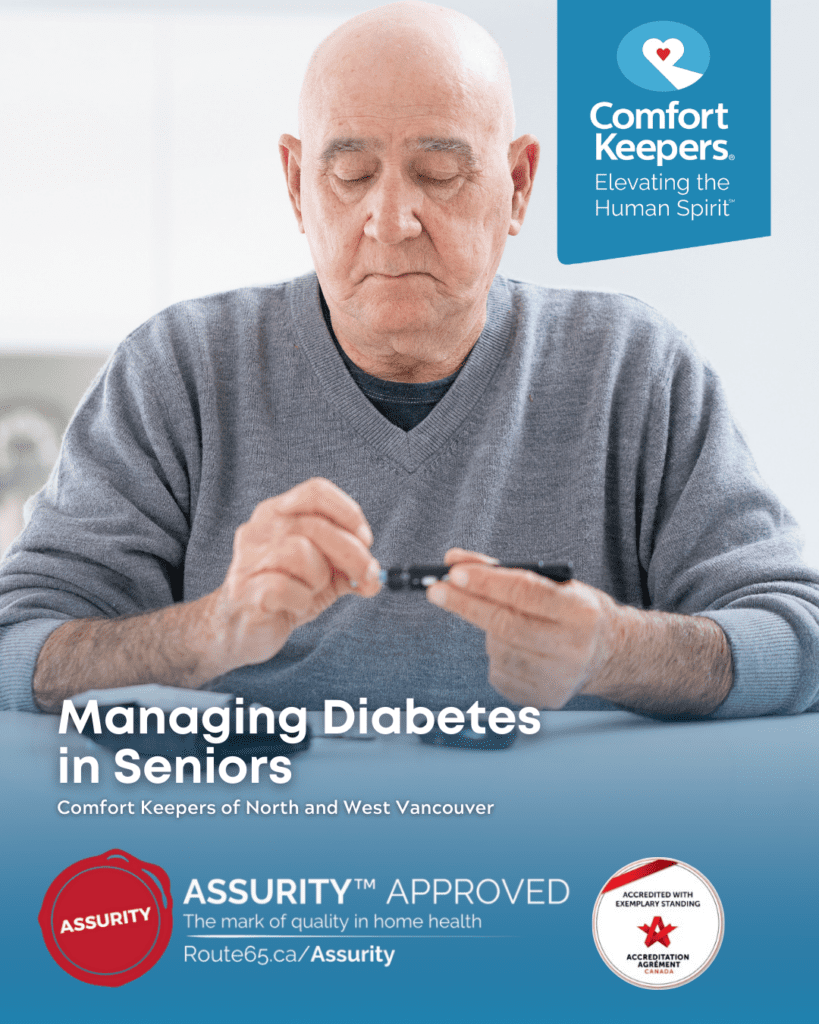
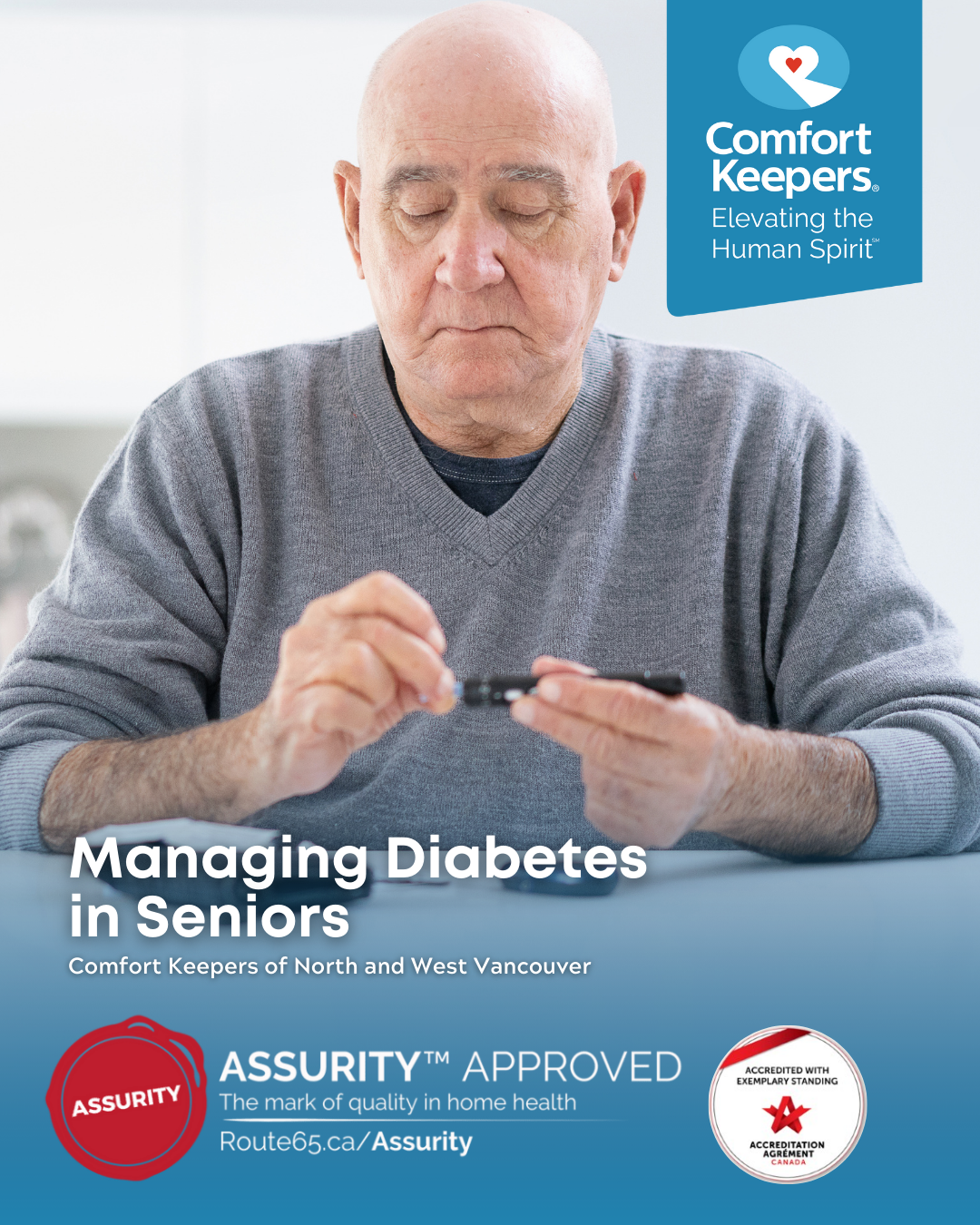
Senior male seated a table checking glucose levels | Managing Diabetes in Seniors | Comfort Keepers North Vancouver West Vancouver | BLOG POST

What Every Senior in North Vancouver and West Vancouver, BC, Needs to Know About Managing Diabetes 

What do you need to know about managing diabetes? Seniors represent almost 48% of the total number of people managing diabetes, and that number is expected to increase as the population of adults aged over 60 increases.

As you know, diabetes is a condition that prevents someone’s body from properly processing sugar, leading to elevated blood sugar levels and negative health effects as a result. While diabetes has its signs and symptoms, it can also make other conditions, like heart and kidney disease, worse.

Diabetes can be managed, but it’s often important for seniors to seek help from their care team, including their family, physician, nutritionist, and caregiver.

Five Strategies for Managing Diabetes:

#1 – Education:

There is a lot for someone to learn when they receive a diabetes diagnosis. Depending on the physician’s recommendation, a senior’s diet, exercise, medication, and treatment plan may need to change. There are new symptoms, risk factors, and medical needs that a senior may have that may complicate the disease. Seniors need to learn about their diabetes and how to treat it.

#2 – Diet:

Diet plays a huge part in diabetes management for seniors. A nutritious diet, low in sugar, is important for reducing symptoms and complications from the disease. Sugar from fruit should be avoided too, along with saturated fats. Diabetes educators can help seniors plan meals that will successfully help them maintain their health.

#3 – Exercise and activity:

Before beginning a new activity or exercise plan seek advice from a healthcare professional. The American Diabetes Association recommends 30 minutes of exercise per day, five days per week, but that level of activity isn’t always possible for some. For some, shorter periods of activity, throughout the day, can be just as helpful in managing diabetes. Seniors should always speak to their physician before starting any exercise program.

#4 – Prescribed medication is critical:

Missing a dose of medication can negatively affect seniors with diabetes. Caregivers can prompt seniors to take their medication and set up a system of reminders, whether that’s a pill box, an alarm, a checklist. In addition to prescribed medications, vaccines can also be a useful tool in diabetes management – for example, complications that are caused by the flu can be more severe for those with diabetes.

#5 – Check glucose and other levels:

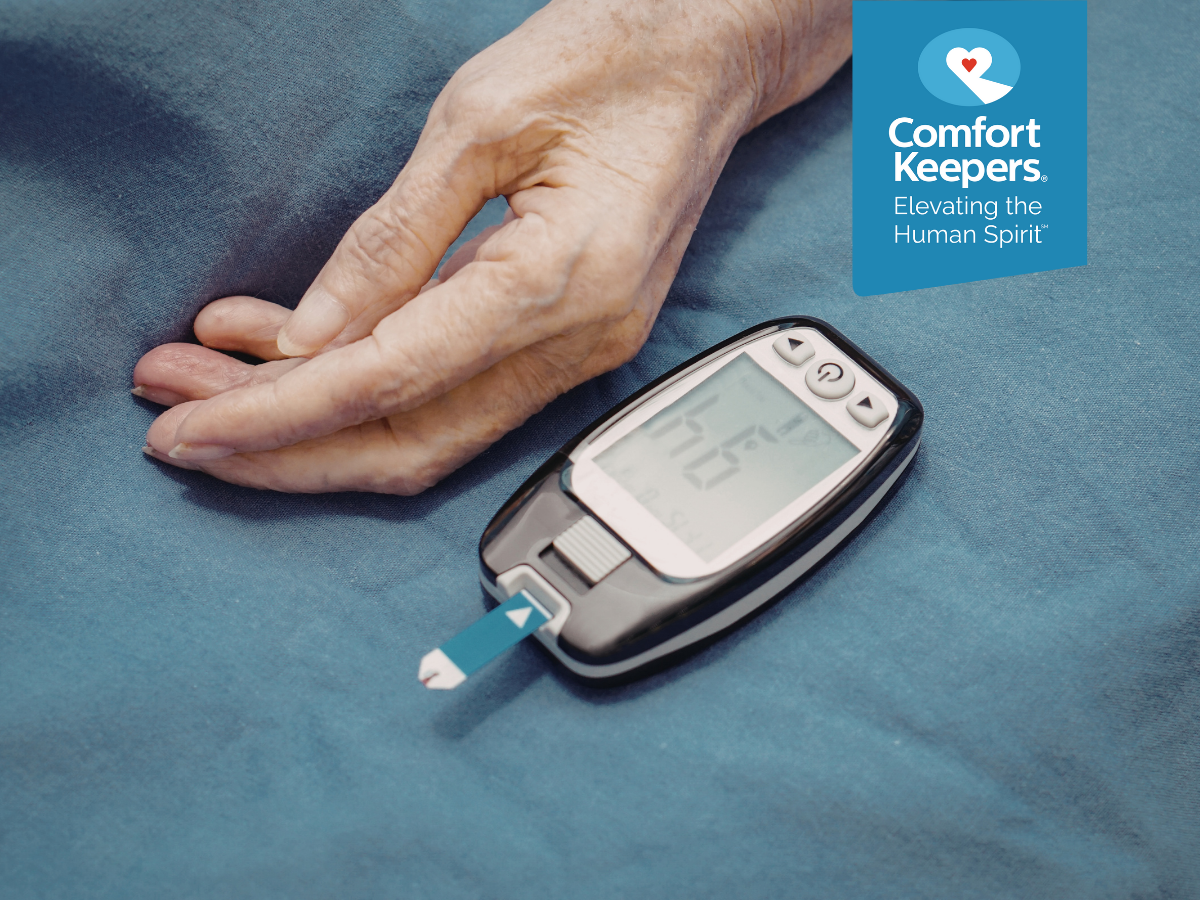
Regularly checking blood pressure and cholesterol levels can alert a physician to a possible issue. The physician can then instruct what to do and what to avoid. Most seniors with diabetes will need to keep an eye on their glucose levels. A senior hand lays next to a blood sugar monitor | Preventing Diabetes in British Columbia's Seniors | Comfort Keepers North and West Vancouver

The Best Senior Home Care in North and West Vancouver is Comfort Keepers®

Our senior home care agency offers in-home care focusing on aging in place. Our services include dementia care, end-of-life care, post-surgery care, and palliative care. Comfort Keepers can assist seniors with living transition services, personal care, companionship care, and more! 

Quality and Accredited Elderly Care: Happier, Healthier, and at Home with 24/7 Senior Care Opportunities!

Do you need a home care solution for yourself or a loved one? Have you been thinking about retirement homes and their alternatives as a solution? Comfort Keepers® enables seniors to maintain happy, healthy lives in the comfort of their own homes. In-home care services are available in North Vancouver, West Vancouver, and the surrounding areas.

Comfort Keepers® is a Senior Care Agency That Can Make a Difference with Interactive Caregiving™

Our in-home caregivers ensure our senior clients have the best quality of life. The Interactive Caregiving™ program ensures that a senior’s safety, nutrition, mental well-being, and everyday needs are met. This program brings joy and good health to each client’s home.

Comfort Keepers® North Vancouver and West Vancouver Can Help with In-Home Elderly Care Services!

Our trained caregivers offer 24-hour care and deliver compassionate, top-quality care for seniors.  We are dedicated to safety technology solutions that foster independence and enhance well-being.

Locally Owned and Operated Home Health Care Agency

We treat each client as we would a cherished family member. Our mission is to deliver excellent care services prioritizing respect and dignity, enabling seniors to maintain their independence and enjoy the best possible quality of life.

Empathetic care originates from the soul and allows us to meet client requirements. Contact Comfort Keepers® North Vancouver and West Vancouver at (604) 998-8806 to learn more about our unique in-home care solutions for seniors.

Comfort Keepers is an Accredited Senior Care Agency in North and West Vancouver, BC

Accreditation is a rigorous process that involves industry experts evaluating an organization’s processes, policies, and procedures. Comfort Keepers® North and West Vancouver has been awarded Exemplary Standing by Accreditation Canada. This achievement recognizes that Comfort Keepers® meets or exceeds the stringent quality standards for Home Care companies established by Accreditation Canada. 


References:

Diabetes Canada.  “Diabetes Statistics in Canada”. Web 2019.
Endocrine Web. “9 Ways Older People Can Manage Their Diabetes to Stay Healthier.” Web. 2015.
National Council for Aging Care. “Seniors and Diabetes: A Complete Guide.” Web.
Diabetes Forecast. “5 Ways to Help Seniors With Diabetes.” Web. 2014.
American Diabetes Association. “Older Adults.” Web.

Maple Leaf Maple Leaf Maple Leaf

Social Wellness and The Benefits for Seniors

Social Wellness and The Benefits for Seniors
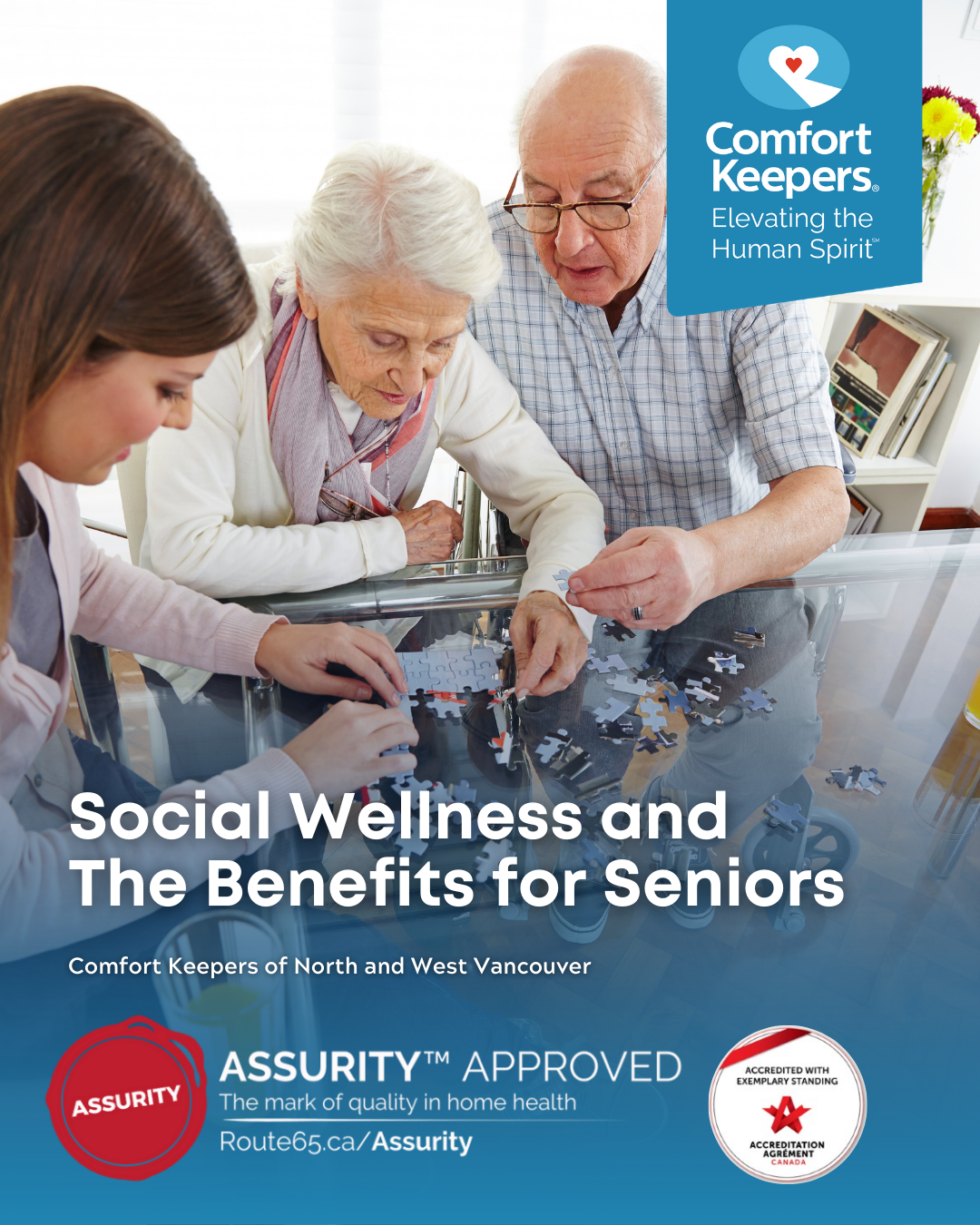
Two seniors engaged in social activity | Comfort Keepers North and West Vancouver | Social Wellness and The Benefits for Seniors | BLOG POST

What Every Senior in North Vancouver and West Vancouver Needs to Know About Social Wellness

Social Wellness Benefits Seniors | When it comes to feeling our happiest and healthiest, two of the most significant factors are undoubtedly physical and mental well-being. There’s no question that staying fit, following a healthy diet, and keeping the brain sharp, are pivotal in shaping the way we live our lives. But what about social wellness? Often described as one’s ability to communicate and maintain meaningful relationships with others, social wellness is just as vital as physical and mental wellness and requires the same level of maintenance. As we age, we must foster positive social engagement to not only safeguard against isolation but to also improve various aspects of our physical health.

According to Statistics Canada, over 50% of women, 65 and over live alone.

Social Wellness Benefits Seniors: Why Is It Important?

Let’s face it, almost every aspect of life changes as we reach our senior years. Children may move away, friends and family may pass away, and certain health conditions may make it harder to fully enjoy the things we love doing. And as these changes occur, we must talk about them.

The Benefit of a Support System

Without a support system of friends and family in place, many of life’s events can slowly begin to take their toll on us and potentially lead to a downward spiral of loneliness, isolation, and even major depression. But by nurturing current relationships and taking steps to build new ones, seniors can create a reliable network that allows them to learn new skills, view things from different perspectives, and see how others effectively manage the challenges of aging.

Though it may go without saying, maintaining social wellness brings about several other health benefits as well. Not only can it help strengthen our immune system, but it can lead to better sleep and increased productivity. Studies also show that increased socialization can enhance our cognitive abilities and even reduce our risk of Alzheimer’s and dementia. One study showed that socially active seniors had a 70% lower rate of cognitive decline than those who were less socialized.

What Can Seniors Do?

One of the barriers some seniors may face is that they may not know what opportunities are available to them. That’s why we’ve put together a list of some of the ways seniors can begin to build and maintain their social connections:

  • Volunteer, or become involved in community efforts and activities.
  • Join a senior center, and make connections with like-minded individuals.
  • Continue learning through online courses or those offered by universities and community colleges.
  • Find a new hobby or interest, or revisit old ones.
  • Invite a friend or friend over for coffee or tea.
  • Take a part-time job.
  • Offer assistance to someone in the family.
  • Join an exercise group or class.
  • Reach out to those at a church, synagogue, temple, or other place of worship to sign up for upcoming events.
  • Utilize social media to stay connected with friends and families (near and far).

The Best Senior Home Care in North and West Vancouver is Comfort Keepers®

Our senior home care agency offers in-home care focusing on aging in place. Our services include dementia care, end-of-life care, post-surgery care, and palliative care. Comfort Keepers can assist seniors with living transition services, personal care, companionship care, and more! 

Quality and Accredited Elderly Care: Happier, Healthier, and at Home with 24/7 Senior Care Opportunities!

Do you need a home care solution for yourself or a loved one? Have you been thinking about retirement homes and their alternatives as a solution? Comfort Keepers® enables seniors to maintain happy, healthy lives in the comfort of their own homes. In-home care services are available in North Vancouver, West Vancouver, and the surrounding areas.

Comfort Keepers® is a Senior Care Agency That Can Make a Difference with Interactive Caregiving™

Our in-home caregivers ensure our senior clients have the best quality of life. The Interactive Caregiving™ program ensures that a senior’s safety, nutrition, mental well-being, and everyday needs are met. This program brings joy and good health to each client’s home.

Comfort Keepers® North Vancouver and West Vancouver Can Help with In-Home Elderly Care Services!

If you are concerned about the health and well-being of a loved one we can help! Comfort Keepers offers 24-hour care and delivers top-quality and compassionate care for seniors.  We are dedicated to safety technology solutions that foster independence and enhance well-being.

Locally Owned and Operated Home Health Care Agency

Our care centers around companionship for seniors. Empathetic care originates from the soul and allows us to meet our client’s requirements. The seasoned in-home caregivers employed by Comfort Keepers are carefully chosen based on their empathetic qualities.  

Contact the Comfort Keepers® North Vancouver and West Vancouver office at (604) 998-8806 to learn more about our unique in-home care solutions for seniors.

Comfort Keepers is an Accredited Senior Care Agency in North and West Vancouver, BC

Accreditation is a rigorous process that involves industry experts evaluating an organization’s processes, policies, and procedures. Comfort Keepers® North and West Vancouver has been awarded Exemplary Standing by Accreditation Canada. This achievement recognizes that Comfort Keepers® meets or exceeds the stringent quality standards for Home Care companies established by Accreditation Canada. 


References:

Psychology Today. “The Health Benefits of Socializing” by Angela K. Troyer Ph.D. C. Psych. Web. 2018.

Everyday Health. “How to Stay Socially Engaged as You Age” by Krisha McCoy. Web. 2018.

How Stuff Works – Health. “Top 5 Ways for the Aging to Remain Socially Engaged” Web. 2018.