Supporting Individuals with Alzheimer’s and Other Chronic Conditions in Oshawa and Durham Region
Currently, over 5 million Americans aged 65 and older are living with Alzheimer’s Disease (AD), as reported by the Alzheimer’s Association. This progressive disease harms brain cells and leads to significant challenges in memory, thinking, and behaviour. These issues can disrupt work, family dynamics, and social interactions, ultimately impacting even the simplest daily tasks. Moreover, Alzheimer’s can hinder individuals’ abilities to make informed decisions about their health, particularly when managing other chronic conditions.
Common Chronic Conditions in Individuals with Alzheimer’s
Individuals with Alzheimer’s often experience the same health issues as many older adults. Nearly all (95%) people with dementia have at least one additional chronic health condition. Research indicates that certain medical issues may be linked to Alzheimer’s. Common conditions include heart disease, diabetes, stroke, and arthritis, alongside infections. Additionally, they may face challenges such as Parkinson’s disease, COPD, anemia, chronic skin ulcers, osteoporosis, thyroid disorders, sleep disturbances, and anxiety.
Managing Care
Due to challenges with memory, judgment, and reasoning, individuals with dementia are unable to effectively manage their own care. They may struggle to adhere to prescribed medication and dietary guidelines, and often do not recognize when their symptoms escalate. Consequently, the concept of self-management, which is crucial for those with chronic illnesses, is not applicable for individuals with dementia.
As a caregiver, it’s essential to monitor for health issues, just as you would for any older adult in your care. Remember that a greater number and severity of health problems can complicate the individual’s ability to manage any single issue effectively.
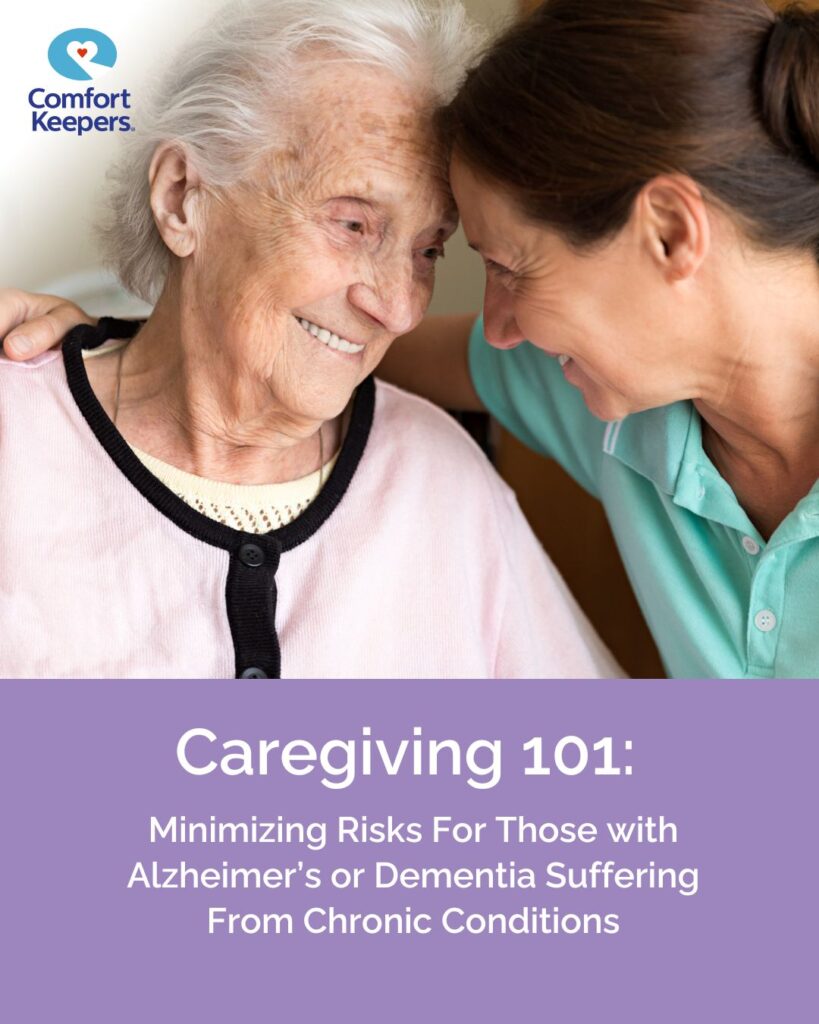



Actions Caregivers Can Take to Minimize Risks
Caring for someone with Alzheimer’s or other dementias can be challenging, but there are proactive steps you can take to ensure their safety and comfort. By keeping an eye out for changes in their condition and by focusing on safety, nutrition, physical activity, and rest, you can make a significant difference in their quality of life.
- Make the Living Space Safer
Preventing falls is crucial for individuals affected by Alzheimer’s. Consider installing grab bars in the bathroom, using a shower bench, opting for carpeting instead of hard flooring, and removing anything that could cause injury, like sharp-edged furniture. - Encourage a Nutritious Diet
A healthy diet is essential for anyone, especially for those with Alzheimer’s who may also have other medical needs. Stock up on nutritious foods like fruits, vegetables, and whole grains. Choose foods that are both appealing and easy to prepare, such as pre-made salads or ready-to-eat portions. If possible, prepare meals yourself or involve someone who can help. - Promote Daily Movement
Some individuals with Alzheimer’s may have mobility issues due to conditions like arthritis or partial paralysis. While physical activity can become more challenging, there are still ways to encourage movement. Options like a stationary bike, soft balls for gentle exercises, or stretching bands can be beneficial. Simply taking a walk together, if they are able, can also be a great way to stay active. - Address Sleep Challenges
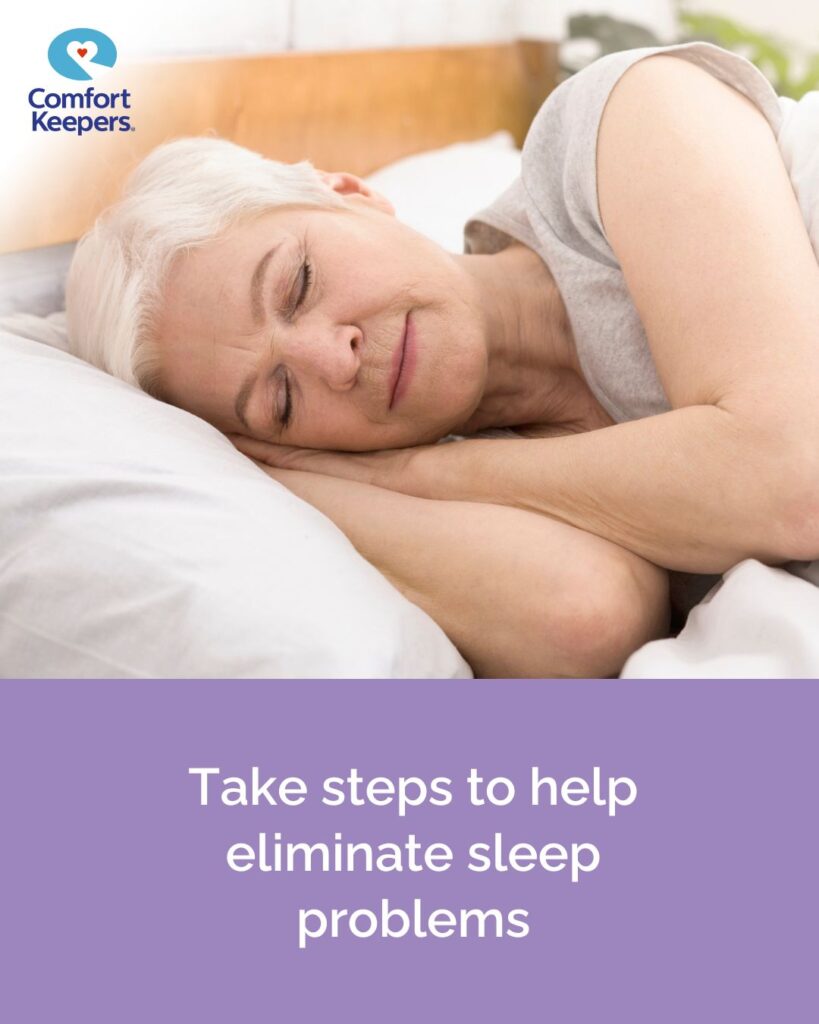
Sleep can be elusive for seniors with Alzheimer’s. To foster a restful environment, establish regular routines for meals, bedtime, and waking up. Encourage morning sunlight exposure and routine physical activity, avoiding any exercise in the evening. Ensure the bedroom is comfortable and designated for sleep, not for activities like watching TV. If sleep difficulties persist, consult with a doctor to verify that medications are not contributing to the problem. - Be Observant
Always be attentive, as those suffering from Alzheimer’s may struggle to express when they’re unwell. Pay close attention to their expressions for signs of pain or discomfort, and encourage them to point to areas of distress if they find it hard to communicate. Watch for sudden behavioural changes, such as increased agitation or withdrawal. - It’s important to recognize that relying on someone with Alzheimer’s to accurately recall symptoms, detail medication schedules, or reflect on their behaviour may not always be possible. Your observations and attentiveness can help fill in those gaps.
References:
“Alzheimer’s Disease and Chronic Health Conditions: The Real Challenge for 21st Century Medicare.” Alzheimer’s Association. Web. 2015.
Caring for a person with Alzheimer’s Disease: Your Easy-To-Use Guide from the National Institute on Aging. National Institutes of Health (NIH). Web brochure. 2015.
Oshawa Comfort Keepers® is here to assist you.
Our compassionate in-home caregivers are specially trained to provide support to family members living with Alzheimer’s and various types of dementia. Contact our Comfort Keepers® office to discover how we can assist your loved one with our comprehensive services.