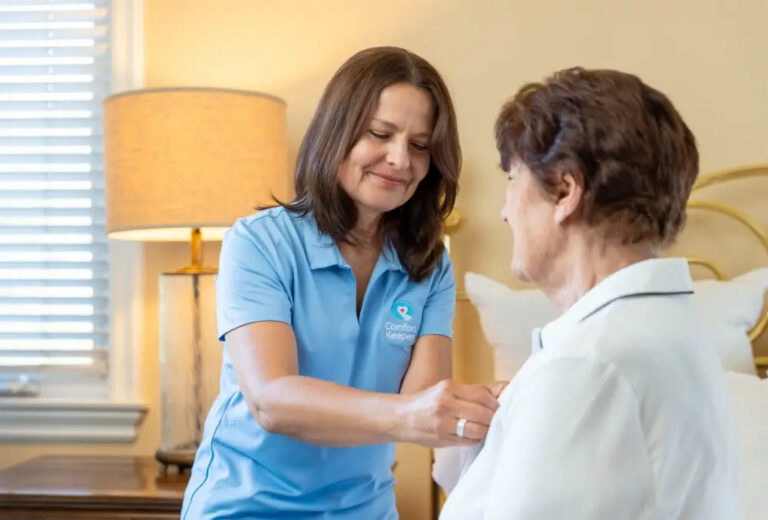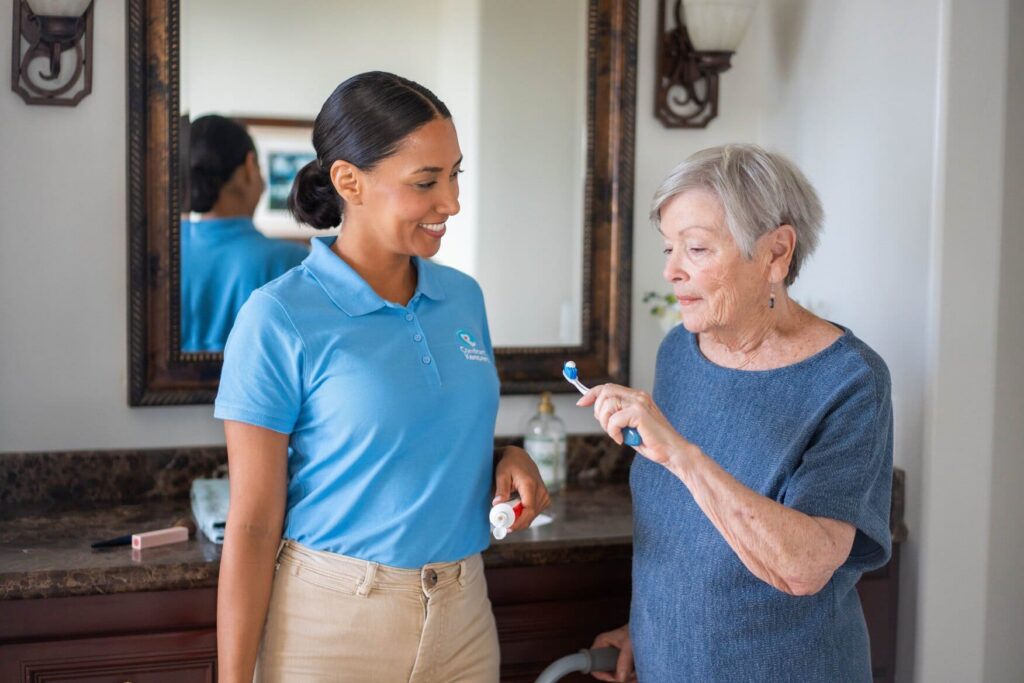
Oral Health in Older Adults: Why Dental Care Becomes More Important as We Age
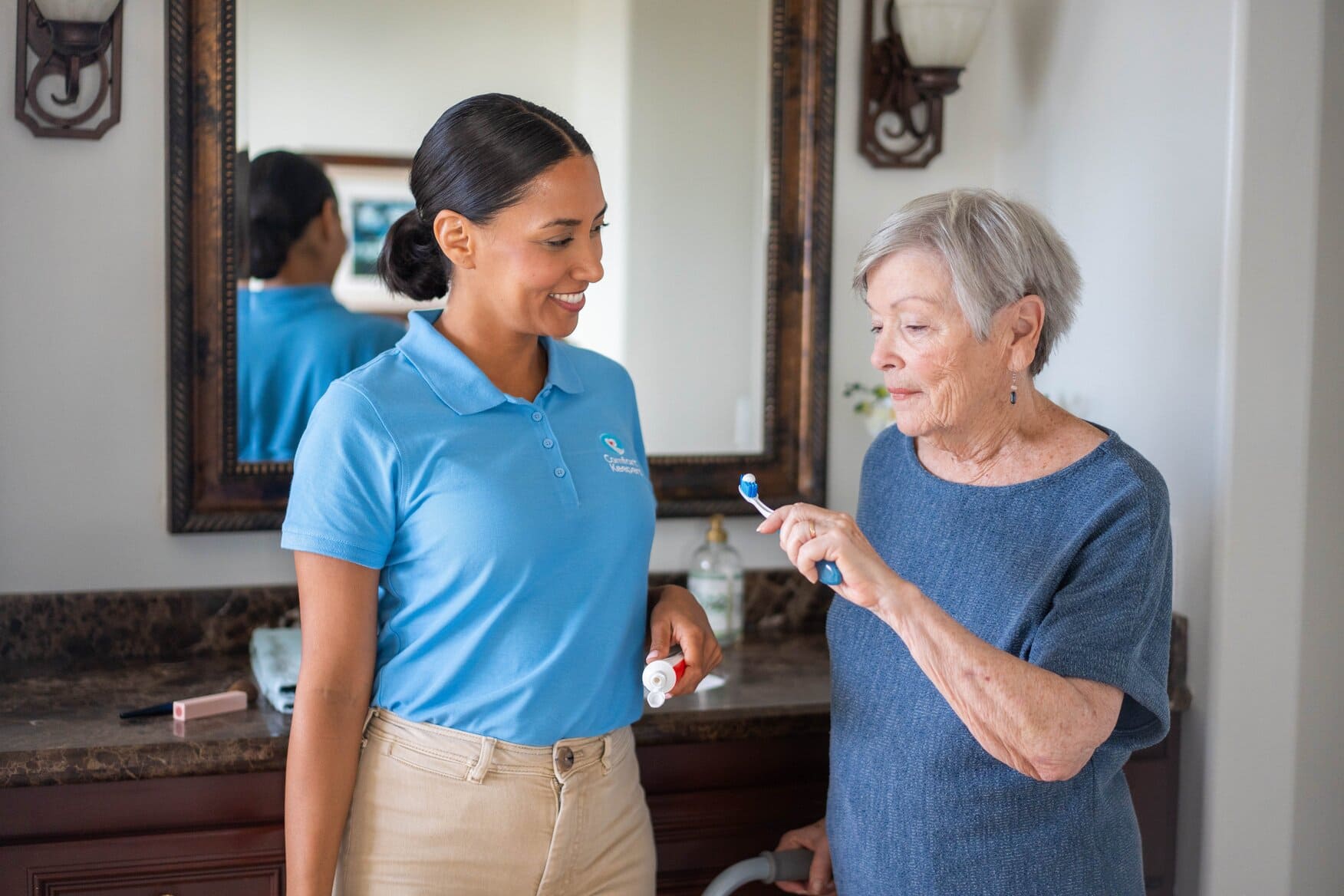
As we age, taking care of our teeth and gums remains an important part of maintaining overall health and quality of life. Aging does not automatically mean losing one’s natural teeth, but older adults may experience changes that make maintaining good oral health more challenging. Dry mouth, gum disease, tooth decay, changes in manual dexterity, medications, and other health conditions can all affect oral health.
At Comfort Keepers® In-Home Senior Care Ottawa and Kanata, we’ve noticed that in families caring for an elderly parent, dental care can sometimes be an overlooked aspect of daily care. An older adult may have difficulty brushing and flossing independently, may forget their oral hygiene routine, may experience discomfort without mentioning it, or may have trouble attending regular dental appointments. Understanding these challenges can help families recognize when an older adult may need additional support.
Why Oral Health Becomes More Important With Age (Oral Health in Older Adults)
Oral health affects much more than the appearance of a person’s smile. Healthy teeth and gums make it easier to chew and enjoy nutritious foods, communicate comfortably, and maintain social interactions. Poor oral health can contribute to pain, difficulty eating, infections, and a lower quality of life.
Older adults may also experience changes that increase their risk of dental problems. For example, receding gums can expose tooth roots, making them more vulnerable to decay. Dry mouth is also common among older adults and can increase the risk of cavities and oral infections. Medications are one of the most common causes of dry mouth, although dehydration and certain treatments or medical conditions can also contribute to it.
These changes make consistent dental care for seniors especially important. Regular brushing, cleaning between the teeth, dental checkups, and paying attention to changes in the mouth can help identify problems before they become more serious.
Tooth Loss in Older Adults
Tooth loss in elderly adults is not an inevitable consequence of aging. However, the risk of tooth loss can increase when conditions such as untreated cavities or advanced periodontal disease are allowed to progress. Periodontitis, for example, can damage the gums and bone that support the teeth, eventually causing teeth to become loose and fall out.
Tooth loss can affect everyday life in several ways. Missing teeth can make it harder to chew certain foods and can affect how a person speaks or feels about their appearance. For some older adults, these changes may lead them to avoid certain foods or social situations.
Replacing missing teeth with dentures, bridges, or dental implants may be appropriate depending on each person’s situation. Dentures and implants also require regular care, and dentures should be checked periodically to ensure they remain comfortable and fit properly.
The important point for families is that tooth loss should not simply be considered a normal part of aging. When an older adult has loose teeth, persistent mouth pain, bleeding gums, difficulty chewing, or problems with dentures, a dental professional should evaluate the situation.
Common Challenges With Dental Care for Seniors
One of the biggest challenges with oral health in older adults is that maintaining a routine can become physically or cognitively difficult. Arthritis or reduced hand strength, for example, can make it harder to hold a toothbrush or use traditional dental floss. An electric toothbrush, a toothbrush with a larger handle, or an adapted flossing tool may make daily oral hygiene easier for people with limited dexterity.
Cognitive changes can create additional challenges. Older adults living with dementia may forget to brush their teeth, have difficulty recognizing discomfort, or need assistance with denture care and other aspects of oral hygiene. They may also face barriers to receiving professional dental care, including transportation difficulties or anxiety about dental treatments.
For a family member, noticing these changes can be an important indication that an older adult needs more help with daily routines.
The Importance of Daily Dental Care
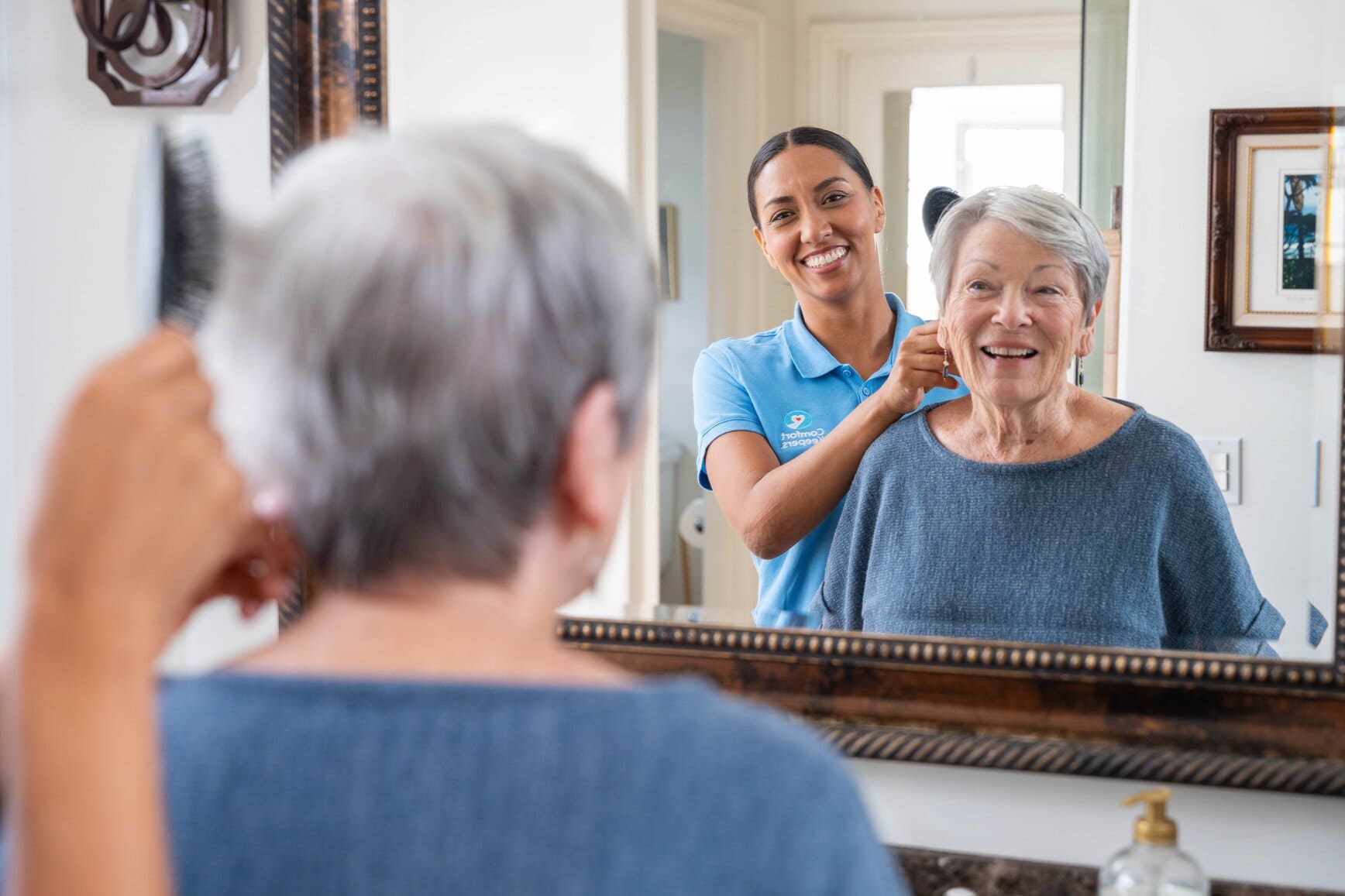
Good dental care for seniors begins with consistent daily habits. In general, older adults should continue brushing their teeth with fluoride toothpaste and cleaning between their teeth regularly. It is also important to check the mouth for changes such as swollen or bleeding gums, loose teeth, persistent pain, sores, or changes in the appearance of the tongue.
Regular dental visits remain important even when an older adult has few or no natural teeth. Dentures need proper cleaning and periodic assessment, while dental implants also require appropriate daily care. A dental professional can identify problems that may not be obvious to an older adult or their family.
It is also important to pay attention to dry mouth. When saliva production decreases, the mouth can become more vulnerable to cavities and infections. If an older adult frequently complains of dry mouth or has difficulty swallowing or eating because of it, discussing the issue with a healthcare or dental professional can help determine the appropriate approach.
How Family Caregivers Can Support Oral Health in Older Adults
Family members can play an important role in helping an aging parent maintain good oral hygiene. Sometimes the support needed is simply reminding them about appointments, helping organize them, or making sure the necessary oral hygiene products are available at home.
In other situations, an older adult may need practical help with daily routines. This can be especially relevant when reduced mobility, arthritis, memory problems, or other limitations make personal care more difficult.
A caregiver can help an older adult maintain their usual routine while respecting their independence and preferences. The goal is not to take over unnecessarily, but to provide the right level of support so that important aspects of daily care are not neglected.
For families in Ottawa, in-home senior care can also provide practical support that helps older adults remain safely and comfortably at home. For seniors living in Ottawa and nearby communities such as Kanata, having reliable support at home can make it easier to maintain important daily routines. Depending on each person’s needs and care plan, assistance with personal routines, companionship, transportation, meal preparation, and other everyday activities can help families manage some of the challenges that can come with aging.
When Should an Older Adult See a Dentist?
Certain changes should not be ignored. Persistent tooth or mouth pain, bleeding or swollen gums, loose teeth, difficulty chewing, persistent bad breath, changes in the fit of dentures, or sores and unusual patches in the mouth may be reasons to see a dentist.
Families should also pay attention when an older adult who previously maintained good oral hygiene suddenly begins avoiding brushing their teeth, eating less, refusing certain foods, or showing changes in their behavior around mealtimes. These changes do not necessarily indicate a dental problem, but they may be worth discussing with a healthcare or dental professional.
Supporting Healthy Aging From the Comfort of Home
Maintaining good oral health is essential to helping older adults stay healthy, comfortable, and independent in their own homes. With consistent dental care and the right level of daily support, older adults can protect their oral health while continuing to enjoy the routines and activities that matter to them.
At Comfort Keepers® In-Home Senior Care Ottawa and Kanata, we are very aware of this, which is why our in-home caregivers conduct regular check-ups to ensure everything is in order, while also encouraging open communication so your loved one feels comfortable reporting any discomfort they may be experiencing. Are you interested in in-home care for seniors? Contact us!