



Deciding when an elderly individual should not live alone is crucial for their safety and well-being. Elderly individuals should not live alone when they exhibit signs of physical decline, cognitive impairment, frequent falls, poor self-care, isolation, or difficulty managing daily activities. These indicators pose significant risks to their health and safety.
Key Warning Signs
1. Physical Limitations
- Frequent Falls: If an older person frequently falls or struggles with mobility, it’s unsafe to live alone. These falls are often a leading cause of injury and emergency room visits.
- ADL Challenges: Difficulty with activities like bathing, dressing, or cooking suggests compromised independence.
- Neglected Hygiene: Signs like an unkempt appearance or dirty clothes indicate declining self-care.
2. Cognitive Decline
- Memory Issues: Forgetting medications or appointments, especially due to conditions like dementia, can be dangerous.
- Confusion and Wandering: This is particularly risky for those with Alzheimer’s, making living alone unsafe.
- Poor Judgment: Choices that reflect an inability to recognize danger can compromise safety.
3. Social and Emotional Well-being
- Isolation: Living alone can lead to loneliness and depression, which further impacts health.
- Reduced Socialization: A lack of interaction with family or friends can worsen mental decline.
4. Health Management Risks
- Medication Errors: Mistakes with medications heighten the risk of adverse health events.
- Poor Nutrition: Issues like weight loss due to inability to cook or shop for groceries are concerning.
5. Other Hazards
- Home Safety Concerns: Conditions like clutter or poor lighting increase injury risks.
- Exploitation Risks: Seniors are vulnerable to fraud when isolated.
Situations When Living Alone Is Unsuitable
- Progressive Dementia or Alzheimer’s: As cognitive capabilities diminish, the risks increase, necessitating specialized care.
- Impaired Mobility/Post-Hospitalization: Need for continuous supervision arises after surgery or severe illness.
- Serious Medical Conditions: Chronic illnesses often require assisted living or nursing care.
Taking Action
- Periodic Assessment: Family should regularly observe changes and seek evaluations.
- Promoting Safety: Installing features like grab bars or emergency response systems can help, but they don’t replace needed care.
- Transitioning Care: Early recognition helps smoothly transition to suitable living arrangements.
Example Scenarios
- An elderly person who recently fell twice, forgets medication, and loses weight should not live alone.
- Someone with early-stage Alzheimer’s may manage initially, but certain behaviors demand care facility placement.
Summary
While independent living suits some seniors, physical, cognitive, social, or health challenges mean the elderly should transition to supportive living arrangements to maintain their well-being.
Ready to get started with professional care support? Contact Comfort Keepers Tri-Cities for a free consultation to discuss how we can help create a care routine that fits your family’s unique schedule and budget. Our experienced team understands the challenges BC families face and can help you develop a sustainable care plan.
Keeping Minds Bright: Simple Joys for Seniors at Home

Have you ever noticed your loved one seems a little quieter than usual, perhaps staring blankly, or struggling to remember a recent conversation? It’s a common worry for many families. We all want our seniors to stay engaged, vibrant, and connected to the world around them. While physical health often takes center stage, the health of the mind is just as crucial for a fulfilling later life.
Imagine a warm, sunny afternoon. Instead of quiet boredom, your loved one is animated, sharing stories prompted by an old photo album or laughing over a simple riddle. These aren’t just pleasant moments; they’re vital sparks for their brain, keeping their mind sharp and spirits high. The good news? Keeping a senior’s mind active at home doesn’t require complex gadgets or expensive programs. Often, the most powerful tools are right at your fingertips – simple activities that weave into daily life and bring genuine joy.

The Amazing Power of an Active Mind: More Than Just Memory
When we talk about keeping the mind active, we’re delving into something called cognitive stimulation. Think of it as a workout for the brain! Just like your muscles get stronger with exercise, your brain benefits from regular mental challenges. It’s about engaging different parts of the brain to improve memory, problem-solving skills, attention, and even language abilities.
One of the biggest misconceptions is that significant memory loss is just a normal part of aging. While some cognitive changes are natural, persistent or severe memory issues and difficulty performing daily tasks are not. The Alzheimer’s Society clarifies that while some cognitive decline can be normal, it’s important to understand the difference between typical age-related changes and more serious conditions like dementia.
But here’s the real “aha!” moment: your brain has an incredible superpower called cognitive reserve. Imagine your brain is a city, and cognitive reserve is the number of roads and backup routes it has. The more you learn and engage your mind throughout life, the more roads you build. This extra network helps your brain function better and even cope if some of those roads get blocked by age-related changes or conditions. Research from institutions like Harvard Medical School and the NIH emphasizes that building cognitive reserves can significantly delay the onset of symptoms even if underlying brain changes are present. Every new activity, every new conversation, adds another road to that amazing city.
The benefits go far beyond just “improving memory.” An active mind contributes to:
- Elevated Mood: Combats boredom, loneliness, and feelings of isolation, which can often lead to depression.
- Increased Purpose: Engaging in meaningful activities gives seniors a sense of accomplishment and value.
- Stronger Social Connections: Many cognitive activities are inherently social, fostering bonding with family and caregivers.
- Greater Independence: A sharper mind often translates to better decision-making and the ability to manage daily tasks.
Easy Ways to Spark Joy and Keep the Brain Engaged
Ready to start building those cognitive roads? Here are some simple, at-home ideas that tap into different areas of the brain, making it fun and accessible for everyone.
Memory & Recall Boosters
These activities help keep those memory pathways well-trodden and vibrant.
- Photo Album Journeys: Sit together and flip through old photo albums. Ask open-ended questions like, “Who is this person?” “What was happening here?” “What do you remember about that day?” This isn’t just about names; it’s about invoking stories and emotions.
- “Remember When…” Stories: Start a sentence like, “Remember when we used to go to…” and encourage your loved one to finish the story or share their memories. This gentle recall is less about testing and more about shared connection.
- Simple Card Games: Games like “Go Fish,” “Old Maid,” or even a simple matching game can stimulate memory and attention without being overwhelming.
Problem-Solving & Logic Fun
These activities challenge the brain to think critically and strategize.
- Jigsaw Puzzles: Start with puzzles with larger pieces (50-100 pieces) and clear images. The act of finding, rotating, and placing pieces works on visual-spatial skills and problem-solving.
- Riddles & Brain Teasers: A quick online search can yield countless simple riddles that are fun to solve together.
- Board Games: Classic games like checkers, dominoes, or even simple bingo can be fantastic for strategic thinking and decision-making.
Language & Verbal Adventures
Engaging with words keeps communication skills sharp and expands vocabulary.
- Read Aloud: Take turns reading from a newspaper, a favorite book, or a magazine. Discuss the articles or story afterward.
- Word Games: Crossword puzzles (even beginner levels), word searches, or a game of Scrabble (even if you just focus on spelling words with available letters) are excellent.
- Learn a Few New Words: Pick a “word of the day” from a dictionary or an app like Duolingo (as recommended by A Place for Mom for learning new skills). Discuss its meaning and try to use it in conversation.
Creative & Expressive Arts
Artistic endeavors tap into different neural networks, fostering self-expression and fine motor skills.
- Colouring Books: Adult colouring books with intricate designs or simpler children’s colouring books can be incredibly soothing and engaging.
- Simple Drawing: Provide paper and pencils, and suggest drawing a familiar object, a pet, or a scene from memory.
- Listen to or Play Music: Put on their favorite music and encourage singing along or tapping their feet. If they used to play an instrument, even gently touching it or recalling tunes can be stimulating.
Movement with a Mental Twist
Physical activity isn’t just for the body; it’s a powerful brain booster! The Mayo Clinic and Harvard Medical School consistently highlight that physical activity increases blood flow to the brain, which helps keep memory sharp and supports overall cognitive function.
- Chair Yoga or Gentle Dance: Follow along with online videos designed for seniors. The sequences and coordination required provide both physical and mental stimulation.
- Gardening: Even small container gardening on a patio or windowsill involves planning, gentle movement, and sensory engagement.
- Sequence Exercises: Create a simple sequence of movements (e.g., “touch your nose, clap twice, raise your hands”) and ask them to repeat it.
Social Connection & Purpose
Isolation is a significant risk factor for cognitive decline. Engaging with others is paramount.
- Family Discussions: Dedicate time for open conversations about current events, family news, or even planning a simple meal together.
- Virtual Visits: Use video calls to connect with distant family and friends. Seeing faces and hearing voices make the interaction richer.
- Light “Volunteering”: Could they call a friend who might be lonely? Help sort old photos for a family project? Offer advice on a topic they’re knowledgeable about? Giving seniors a sense of purpose is incredibly powerful.
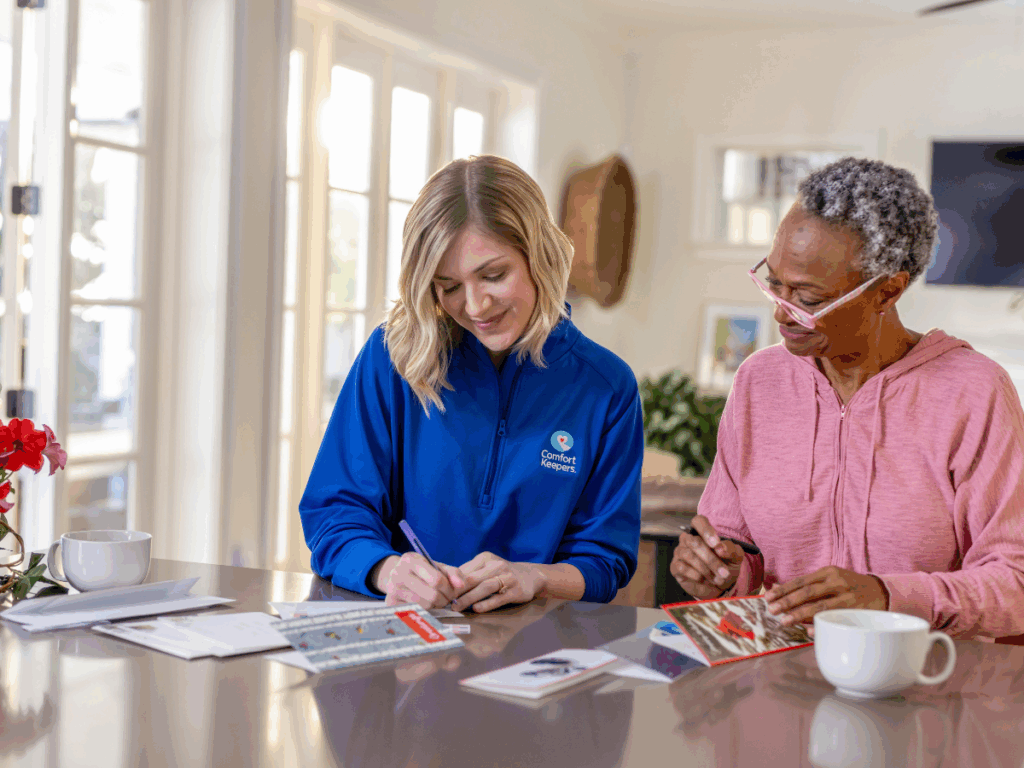
Making it Stick: Tips for Caregivers
As a caregiver, you’re the engine behind these wonderful activities. We understand it’s not always easy, and sometimes seniors may resist. Here are a few tips to help you succeed:
- Start Small and Keep it Fun: Don’t force activities. Introduce them gently. If your loved one seems frustrated or uninterested, try something else or take a break. The goal is enjoyment, not perfection.
- Tailor to Their Interests and Abilities: What did they enjoy throughout their life? A former carpenter might enjoy sorting tools or a simple building kit. A history buff might love documentaries or discussing historical events.
- Adapt as Needed: If a puzzle is too hard, remove some pieces or offer more clues. If reading is difficult, read to them. The key is to meet them where they are.
- Integrate Technology: Devices like the GrandPad are designed specifically for seniors, offering easy access to video calls, games, photos, and music, keeping them connected and entertained.
- Be Patient and Positive: Your encouragement can make all the difference. Celebrate small victories and focus on the shared experience.
When to Seek Professional Guidance
While these at-home activities are incredibly beneficial, it’s important to know when to seek professional advice. If you notice significant or rapid changes in memory, judgment, language, or daily functioning that interfere with independence, it’s time to consult a doctor. They can help determine the cause and recommend appropriate next steps. Resources like the Alzheimer’s Society can also provide valuable information and support.
Sometimes, families need an extra hand to ensure their loved ones receive consistent, engaging care. In-home care services, like those offered by Comfort Keepers Tricities, can provide professional caregivers trained in cognitive engagement techniques, offering both mental stimulation and companionship.
Your Questions Answered: FAQs about Senior Mental Activity
Q: What exactly is “cognitive stimulation?”
A: Cognitive stimulation refers to engaging the brain through various activities designed to exercise different mental functions like memory, problem-solving, language, and attention. It’s like a brain workout to keep it sharp and responsive.
Q: How do I know if an activity is actually “working” or helping?
A: Look for signs of engagement, enjoyment, and sustained attention. You might notice small improvements in memory recall, quicker processing, or simply a brighter mood and increased conversation. Even if there aren’t dramatic cognitive changes, the social and emotional benefits are significant indicators of success.
Q: What if my loved one resists doing activities?
A: Don’t push too hard. Try different types of activities, or frame them as a casual conversation or shared pastime rather than a “brain exercise.” Involve them in choosing the activity. Sometimes, trying at a different time of day when they are more alert can help. Patience and flexibility are key.
Q: Are brain training apps effective for seniors?
A: While apps can be a fun way to engage the mind, research on their long-term effectiveness in preventing cognitive decline is mixed. However, they can certainly help with specific skills like memory or attention in the short term and provide enjoyable mental engagement. Combined with other activities and social interaction, they can be a good part of a holistic approach.
Q: How much time should we spend on these activities each day?
A: There’s no magic number. Even short, consistent bursts of mental activity (15-30 minutes, a few times a day) are beneficial. The goal is regular engagement, not exhausting marathon sessions. Listen to your loved one’s cues and adjust accordingly.
Next Steps: Keep Learning and Connecting
Keeping a senior’s mind active at home is a journey filled with opportunities for connection, joy, and meaningful engagement. By understanding the power of cognitive stimulation and embracing these easy, at-home activities, you can help your loved one maintain their independence, enhance their quality of life, and keep their spirit vibrant.
Ready to make a personalized plan? Check out: How to Choose the Right In-Home Senior Care Agency in Tri-Cities: A Checklist for Families. It is a comprehensive guide to integrating these ideas into daily life. Remember, every little bit of engagement makes a big difference.
The Best, Expert Senior Home Care in Tri-Cities, British Columbia is Comfort Keepers® Coquitlam
At Comfort Keepers®, we provide personalized, compassionate in-home care services for seniors in Tri-Cities of Coquitlam, Port Coquitlam (PoCo), Port Moody, Anmore, and Belcarra, BC.
We proudly support thousands of families each year with home health care services—helping loved ones remain safe, happy, and independent in the homes they love.
Elderly Care at Home: Home is The Best Place to Be
Providing care for an aging parent or loved one can be both fulfilling and incredibly demanding, especially for family members balancing careers and busy households. That’s where we come in.
Comfort Keepers® Tri-Cities offers professional, flexible care solutions that lighten the load for families and give everyone peace of mind—knowing their loved one is in good hands.
We offer a range of services that include companionship care for seniors, personal care services, non-medical homecare and Tri-Cities respite care.
Comfort Keepers® Tri-Cities Can Help with Companion Care and Interactive Caregiving™
At Comfort Keepers® Coquitlam, we believe in more than just meeting physical needs. The team at Comfort Keepers® elevates the human spirit. Trained caregivers build meaningful relationships, bring joy into everyday moments, and provide support that goes beyond routine care.
Our senior homecare caregivers help provide our elderly clients with personal home care to help maintain the highest possible quality of life. Caregivers deliver Interactive Caregiving™, a system of care that addresses safety, nutrition, mind, body, and activities of daily living (ADLs).
Comfort Keepers® Tri-Cities Provides Home Care and a Wide Range of In-Home Care Services for Seniors.
Are you looking for reliable home care in the Tri-Cities of Coquitlam, Port Coquitlam (PoCo), Port Moody, Anmore, and Belcarra?
Learn more about our unique service, which offers personal care, companionship care, palliative and end-of-life care.
Contact the Comfort Keepers® Tri-Cities office today to schedule a free in-home consultation. Let us show you how our care can make a meaningful difference in your loved one’s life.
Understanding the Support Elderly Individuals Need

Elderly individuals often require a combination of practical, emotional, medical, and social support to maintain a high quality of life. The kind of support an elderly person requires can vary, but there are several key areas of need that are commonly recognized.
1. Assistance with Activities of Daily Living (ADLs)
Elderly people may need assistance with personal care tasks. These include:
- Bathing, dressing, and grooming
- Using the toilet
- Eating and meal preparation
- Mobility: Moving around the house comfortably, and safely getting in and out of chairs or bed
Help from caregivers or personalized home care can be instrumental in maintaining a senior’s hygiene, health, and dignity.
2. Medical and Health Care Support
Aging often brings increased health challenges, necessitating regular medical attention and support in areas like:
- Managing medications: This includes reminders and organizing medicines to ensure adherence
- Doctor’s appointments: Assistance with scheduling and transportation
- Chronic disease management: Support for conditions such as diabetes or heart disease
- Skilled nursing care for those needing advanced medical attention
You might wonder about the role of family members in managing these needs. Often, they become key partners in coordinating these tasks.
3. Home Safety and Modifications
Creating a safe and accessible environment is crucial:
- Removing tripping hazards
- Installing grab bars in bathrooms
- Improving lighting
- Providing mobility aids like canes or walkers
These improvements can significantly reduce the risk of falls.
4. Social and Emotional Support
Elderly individuals benefit from strong social connections and emotional backing. Consider:
- Companionship: Regular visits from friends or volunteers
- Social interactions: Engaging in activities through senior centers or local clubs
- Support for mental health: Recognizing signs of depression or cognitive changes
This brings up another point – how can caregivers best support elderly mental health?
5. Financial and Legal Support
Managing finances can become a challenge with age:
- Assistance with managing money
- Navigating benefits: Understanding programs like Old Age Security or pensions
- Legal planning: Preparing a power of attorney or will
Families should take proactive steps to address these aspects.
Key Takeaways and Steps You Can Take
- Assess needs regularly: Understand and evaluate changing circumstances.
- Develop a comprehensive care plan: Involve healthcare professionals and family.
- Leverage resources: Utilize community programs and services designed to aid seniors.
- Uphold respect and independence: Respect seniors’ involvement in their care decisions.
Ultimately, the aim is to provide a multidisciplinary support system that evolves as needs change, enabling seniors to age gracefully and independently. Contact Comfort Keepers Tri-Cities for a list of support services for you or a loved one.
Evaluating In-Home Dementia Care: What Questions to Ask Agencies in the Tri-Cities?
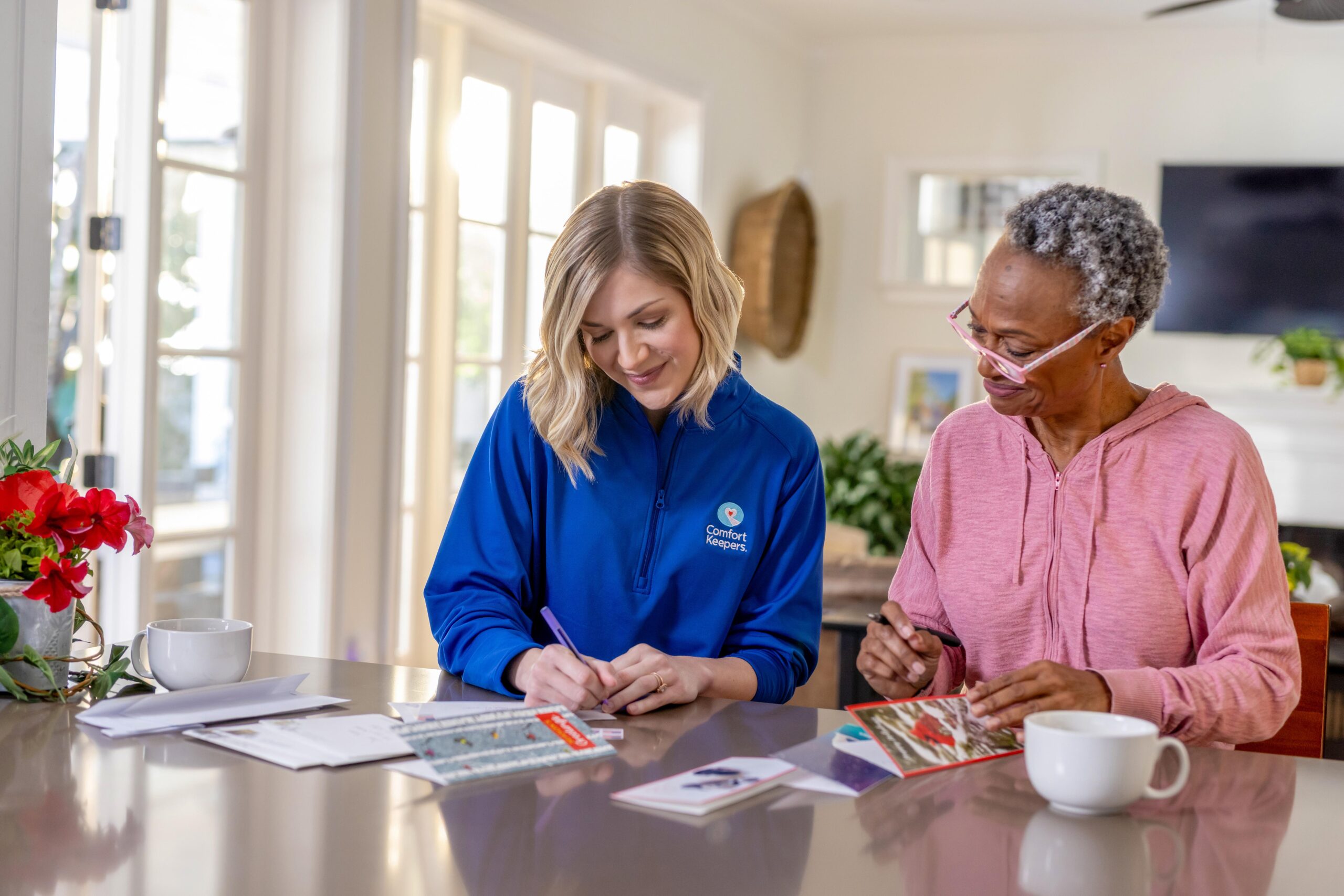
Choosing an in-home care provider for a loved one with dementia is one of the most important decisions a family can make. It’s a journey filled with complex emotions and high stakes. You’re not just hiring a service; you’re inviting someone into your home to care for a person you cherish, someone whose needs are unique and constantly evolving.
You’re likely feeling overwhelmed by the options and unsure of how to tell the good from the truly exceptional. The standard checklists you find online often feel generic and fall short of addressing the specific nuances of dementia care.
This guide is different. We’re moving beyond the basic questions to give you a comprehensive framework for evaluation. We’ll explore what a good answer sounds like, backed by current research and best practices, so you can feel confident and empowered in your choice. In a region like ours where the need for quality dementia care is growing, having the right questions is your first step toward peace of mind.

Part 1: The Foundation – Questions About an Agency’s Philosophy
Before diving into the specifics of caregiving, you need to understand the agency’s operational integrity and its core beliefs about dementia care. These questions establish a baseline of professionalism and trust.
How do you vet, train, and supervise your caregivers?
This is more than a simple background check. A top-tier agency invests heavily in its people.
What to ask:
- “Are your caregivers employees of the agency or independent contractors? Are they certified and insured?”
- “What does your background screening process include?”
- “How do you provide ongoing supervision and performance reviews for your caregivers?”
Why it matters:
An agency that employs its caregivers (rather than using contractors) has greater control over quality and training. Insurance and bonding protect your family from liability. Regular supervision ensures that the care plan is being followed correctly and that caregivers feel supported, which reduces turnover.
What is your agency’s specific philosophy on dementia care?
Dementia is not a one-size-fits-all condition. The agency’s answer will reveal whether they see the person or just the diagnosis.
What to ask:
- “How do you approach creating a personalized care plan for someone with cognitive decline?”
- “How do you prioritize dignity, independence, and quality of life?”
Why it matters: Look for an answer that emphasizes a holistic, person-centered approach. Leading agencies focus on what a client can do, not what they can’t. They’ll talk about creating routines, engaging in familiar activities, and fostering moments of joy. This philosophy is the foundation of compassionate care and directly impacts your loved one’s well-being. For example, an approach like Interactive Caregiving™ focuses on involving the client in their own care to elevate their sense of purpose and independence.
How do you communicate with families?
Clear, consistent communication is non-negotiable. You are a partner in this care journey.
What to ask:
- “What is your protocol for regular updates on my loved one’s condition and activities?”
- “Who is my primary point of contact at the agency?”
- “How do you handle communication in case of an emergency or a sudden change in health?”
Why it matters: You need a transparent system. Whether it’s a shared digital portal, regular phone calls, or detailed notes left in the home, you should feel informed and connected. A dedicated client care manager ensures you always have a direct line to someone who knows your family’s situation intimately.
Part 2: The Heart of the Matter – Questions About the Caregivers
The caregiver will be the most important person in this equation. Their training, experience, and temperament are critical to success.
What specific training do your caregivers receive for Alzheimer’s and dementia?
General caregiving experience is not enough. Dementia care requires specialized skills and a deep understanding of the condition’s progression.
What to ask:
- “Do your caregivers complete specialized training programs focused on dementia care? Can you describe them?”
- “Is this training ongoing to keep them updated on the latest techniques?”
- “How do you train them to manage challenging behaviors like agitation, confusion, or sundowning?”
Why it matters: Proper training equips caregivers with techniques for effective communication, de-escalation, and redirection. It teaches them to understand that challenging behaviors are often a form of communication, not a personal affront. An agency that invests in continuous education demonstrates a commitment to excellence. You want to hear about methods that prioritize empathy and patience over medication or restraint.
How do you foster engagement and mental stimulation?
A great caregiver does more than just assist with daily tasks; they enrich your loved one’s life. As research from sources like Provider Magazine highlights, personalized therapies and engagement are becoming central to modern dementia care.
What to ask:
- “What methods do you use to keep clients mentally and socially engaged?”
- “Can you give me examples of activities you might do with my loved one, based on their life history and interests?”
Why it matters: The best care plans are built around the individual. An agency should ask about your loved one’s past profession, hobbies, and passions. They might suggest creating a memory box, listening to favorite music, or working on a simple puzzle together. This interactive approach helps support cognitive function and provides a powerful sense of purpose and connection.
How do you ensure caregiver continuity?
Consistency is crucial for a person with dementia. A constant rotation of new faces can cause confusion and distress.
What to ask:
- “What is your strategy for assigning caregivers to ensure a consistent team?”
- “What is your caregiver turnover rate?”
- “How do you introduce a new caregiver if the primary one is unavailable?”
Why it matters: A stable, familiar caregiver builds trust and a deep understanding of your loved one’s routines and preferences. A low turnover rate often indicates that an agency values and supports its employees, which translates to better care for your family. A good agency will have a thoughtful process for introductions, ensuring a smooth transition when a substitute is needed.
Part 3: The Future of Care – Questions About Innovation
The field of dementia care is evolving. A forward-thinking agency embraces new tools and methodologies to improve safety and quality of life.
What technology do you use to enhance safety and communication?
Technology should support, not replace, the human element of care.
What to ask:
- “Do you offer personal emergency response systems (PERS) or other safety monitoring devices?”
- “Do you use any tools to help my loved one connect with family, like senior-friendly tablets?”
Why it matters: According to McKnight’s Senior Living, technology is playing an increasingly important role in senior care. Tools like automatic fall detectors or medication reminders provide an extra layer of security. Communication platforms like a GrandPad can combat loneliness and isolation by making it easy for seniors to video call family, view photos, and stay connected.

Part 4: The Unseen Details – Questions About Safety
Often overlooked, these logistical questions are critical for ensuring your loved one’s physical safety and well-being. The IHI’s report on Patient Safety in the Home underscores the importance of robust protocols in a home setting.
What are your protocols for medication management and emergencies?
What to ask:
- “How do your caregivers handle medication reminders versus administration?”
- “What is your procedure if my loved one has a fall or a medical emergency?”
- “How do you coordinate with emergency services and inform the family?”
Why it matters: There are strict regulations around medication. Caregivers can typically provide reminders, but only licensed nurses can administer medication. Understanding this distinction is vital. The agency must have a clear, documented emergency plan that every caregiver knows by heart.
Making Your Decision with Confidence
As you interview agencies in Coquitlam, Port Moody, and across the Tri-Cities, listen for more than just the answers. Listen for the empathy in their voice. Do they ask thoughtful questions about your loved one? Do they sound like a partner who will walk alongside you on this journey?
The right agency won’t just provide a service; they will provide a support system for your entire family. Their caregivers will be expertly trained not only in the clinical aspects of dementia but also in the art of providing compassionate, dignified, and joyful care. They will embrace an interactive philosophy that elevates your loved one’s spirit, helping them live safely and comfortably in the one place they want to be most: home.
Frequently Asked Questions
What’s the difference between companionship and specialized dementia care?
While both services aim to improve quality of life, specialized Alzheimer’s and dementia care involves caregivers with specific training to handle the complexities of cognitive decline. This includes managing behaviors, creating safe environments, and using techniques to support memory and cognitive function, which go far beyond standard companionship.
How quickly can in-home care services begin?
This varies by agency, but a well-organized provider can typically conduct an in-home assessment and create a care plan within a few days. The goal is to be responsive to your family’s needs while ensuring the caregiver match and care plan are thoughtfully prepared.
What if my loved one is resistant to having a caregiver in their home?
This is a very common concern. The best agencies handle this with patience and a gradual approach. It often starts with introducing the caregiver for short periods, focusing on shared activities your loved one enjoys. An experienced caregiver knows how to build trust and rapport, framing their presence as a helping hand or a friend, rather than an intrusion.
Ready to take the next step? A conversation with a care coordinator can help clarify your needs and provide personalized guidance. Contact Comfort Keepers Tri-Cities today for a no-obligation consultation and let us help you find the peace of mind you deserve.
The Best, Expert Senior Home Care in Tri-Cities, British Columbia is Comfort Keepers® Coquitlam
At Comfort Keepers®, we provide personalized, compassionate in-home care services for seniors in Tri-Cities of Coquitlam, Port Coquitlam (PoCo), Port Moody, Anmore, and Belcarra, BC.
We proudly support thousands of families each year with home health care services—helping loved ones remain safe, happy, and independent in the homes they love.
Elderly Care at Home: Home is The Best Place to Be
Providing care for an aging parent or loved one can be both fulfilling and incredibly demanding, especially for family members balancing careers and busy households. That’s where we come in.
Comfort Keepers® Tri-Cities offers professional, flexible care solutions that lighten the load for families and give everyone peace of mind—knowing their loved one is in good hands.
We offer a range of services that include companionship care for seniors, personal care services, non-medical homecare and Tri-Cities respite care.
Comfort Keepers® Tri-Cities Can Help with Companion Care and Interactive Caregiving™
At Comfort Keepers® Coquitlam, we believe in more than just meeting physical needs. The team at Comfort Keepers® elevates the human spirit. Trained caregivers build meaningful relationships, bring joy into everyday moments, and provide support that goes beyond routine care.
Our senior homecare caregivers help provide our elderly clients with personal home care to help maintain the highest possible quality of life. Caregivers deliver Interactive Caregiving™, a system of care that addresses safety, nutrition, mind, body, and activities of daily living (ADLs).
Comfort Keepers® Tri-Cities Provides Home Care and a Wide Range of In-Home Care Services for Seniors.
Are you looking for reliable home care in the Tri-Cities of Coquitlam, Port Coquitlam (PoCo), Port Moody, Anmore, and Belcarra?
Learn more about our unique service, which offers personal care, companionship care, palliative and end-of-life care.
Contact the Comfort Keepers® Tri-Cities office today to schedule a free in-home consultation. Let us show you how our care can make a meaningful difference in your loved one’s life.
What Are the Latest Aging Population Statistics for British Columbia’s Tri-Cities Region?
According to the Tri-Cities Seniors’ Action Society, the Tri-Cities region has approximately 30,400 seniors aged 65 and older, representing just 13% of the total population.
The Question Everyone’s Asking
“I’m considering relocating to the Tri-Cities area of BC for retirement, but I want to understand the current aging demographics and what the community will look like in the coming years. What are the latest statistics on the aging population in Coquitlam, Port Coquitlam, and Port Moody?”
This is one of the most frequently searched questions about British Columbia’s Tri-Cities region, and for good reason. As Canada experiences unprecedented population aging, understanding local demographic trends has become crucial for retirement planning, healthcare access, and community development decisions.
The Surprising Reality: A Younger Community in Transition
Despite Canada’s reputation as a rapidly aging nation, the Tri-Cities region presents a fascinating demographic anomaly. With approximately 250,000 residents across Coquitlam, Port Coquitlam, Port Moody, Anmore, and Belcarra, the area currently maintains a younger demographic profile compared to provincial and national averages.
Current Seniors Population: Below Average but Growing Fast
As of 2021, the Tri-Cities region has approximately 30,400 seniors aged 65 and older, representing just 13% of the total population. To put this in perspective:
- Metro Vancouver average: 17% seniors
- British Columbia provincial average: 21.4% seniors
- National Canadian average: 19.0% seniors
Sources: Statistics Canada 2021 Census, Fraser Health Community Profiles, BC Stats 2024
This means the Tri-Cities currently has a 4-8 percentage points lower concentration of seniors than broader regional, provincial, and national benchmarks.
The Demographic Shift: A 76% Increase in Just One Decade
Here’s where the story becomes remarkable. Between 2016 and 2021, the Tri-Cities added 12,401 new residents, with Coquitlam alone adding 9,341 residents – a 6.7% increase that brought the city’s population to 148,625. However, the region is experiencing dramatic growth overall, with the population having more than doubled over the past 20 years to around 250,000 residents.
The aging population is accelerating even faster than overall growth. Between 2011 and 2021, the 65+ demographic increased by an estimated 76% in the region, making it one of the fastest-growing senior populations in Metro Vancouver.
Individual City Breakdown: Where Seniors Are Concentrating
Coquitlam leads both in total population and senior growth:
- Current population: 174,248 (2024 estimate)
- Seniors aged 65+: Approximately 18,500 (10.6% of population)
- Growth trajectory: Fastest-growing city in the region
Port Coquitlam maintains steady demographics:
- Current population: 61,498
- Seniors aged 65+: Approximately 8,200 (13.3% of population)
- Character: More established suburban community
Port Moody shows unique patterns:
- Current population: 33,535
- Seniors aged 65+: Approximately 3,700 (11.1% of population)
- Despite adding 285 new housing units, the population dropped by 16 people between 2016 and 2021
The Housing Factor: Why Growth Appears Slower Than Reality
According to Andy Yan, director of the City Program at Simon Fraser University, 36% of Coquitlam condos are not owner-occupied, compared to 23% in Port Coquitlam and 31% in Port Moody. This explains why visible development doesn’t always translate to immediate population growth.
Many new developments are still awaiting occupation or serve as investment properties, creating a lag between construction and actual residency that masks the true demographic shift.
Provincial Context: BC’s Aging Acceleration
British Columbia’s senior population is projected to steadily increase from 19% in 2020 to almost 25% of all BC residents by 2041 – representing a 63% growth of senior population over 21 years. The Tri-Cities, starting from a lower baseline, is expected to experience even more dramatic proportional growth.
Future Projections: What to Expect by 2030-2041
Based on BC Stats projections and regional growth patterns, the Tri-Cities can expect:
By 2030:
- Total population: Approximately 290,000-310,000
- Seniors population: 52,000-58,000 (18-19% of total)
- Growth rate: 70-90% increase in seniors from 2021 levels
By 2041:
- Total population: Approximately 340,000-370,000
- Seniors population: 75,000-85,000 (22-23% of total)
- Alignment: Approaching provincial and national averages
By 2025, close to another 40,000 residents are expected to call the Tri-Cities home – more than half moving to Coquitlam.
Economic and Infrastructure Implications
Healthcare Infrastructure: The region will need significant expansion of:
- Family physician capacity (currently facing shortages)
- Specialized geriatric services
- Home care and assisted living facilities
- Mental health services for seniors
Transportation: Age-friendly infrastructure becomes critical:
- Enhanced public transit accessibility
- Improved walkability and cycling infrastructure
- Specialized senior transportation services
Housing: Demand will increase for:
- Accessible housing options
- Retirement communities
- Aging-in-place home modifications
- Affordable senior housing
Economic Benefits of an Aging Population
Despite challenges, the demographic shift brings opportunities:
Consumer Spending: Seniors typically have higher disposable income and spending power, driving local retail and service sectors.
Healthcare Sector Growth: Increased demand creates employment opportunities in healthcare, personal care, and specialized services.
Volunteer Economy: About half of the population speaks English as their first language with Chinese being the second most-popular, followed by Korean, Persian and Spanish, creating a diverse, multilingual senior population that enriches community volunteer programs.
Planning for Age-Friendly Communities
The Tri-Cities municipalities are proactively planning for demographic change:
Coquitlam has implemented:
- Age-friendly community action plans
- Senior community centres (Dogwood Pavilion, Glen Pine Pavilion)
- Accessible recreation programs
Port Coquitlam and Port Moody are developing:
- Enhanced senior services
- Age-friendly urban design principles
- Intergenerational programming
The Migration Factor: Who’s Moving to the Tri-Cities?
Current migration patterns show:
- Retirees from Vancouver: Seeking more affordable housing and quieter lifestyle
- Multi-generational families: Looking to share costs and care-giving duties, with COVID-19 possibly accelerating the trend
- Empty nesters: Downsizing from larger suburban properties
- New Canadians: Choosing the region for family-friendly communities
Comparison with Other Metro Vancouver Communities
The Tri-Cities’ aging trajectory differs significantly from neighboring areas:
- Richmond: 23% seniors (higher than Tri-Cities)
- Burnaby: 21% seniors (moderate growth)
- Surrey: 12% seniors (youngest major municipality)
- West Vancouver: 28% seniors (highest in region)
This positions the Tri-Cities as a “sweet spot” – not as overwhelmingly senior-focused as some communities, but offering growing amenities and services for older adults.
Key Takeaways for Potential Residents
For Current Seniors: The Tri-Cities offers a unique opportunity to be part of a growing, diverse senior community while services and infrastructure are expanding to meet demand.
For Pre-Retirees: The region provides excellent timing – infrastructure development is ahead of the demographic curve, meaning better services and facilities will be available when needed.
For Families: Multi-generational living opportunities are expanding, with communities designed to support various life stages.
Frequently Asked Questions
Q: How does the cost of living in the Tri-Cities compare for seniors?
A: The Tri-Cities offers significantly lower housing costs than Vancouver proper while maintaining access to metro amenities. Property taxes are moderate, and the region provides good value for senior-focused services. Healthcare costs remain consistent with BC provincial standards, with some private services more affordable than Vancouver.
Q: What healthcare services are currently available for seniors in the Tri-Cities?
A: The region is served by Fraser Health Authority with facilities including Eagle Ridge Hospital in Port Moody and emerging specialized senior services. However, family physician availability remains challenging regionwide. The area has several walk-in clinics, specialist referral services, and home care programs, with expansion planned to meet growing demand.
Q: How accessible is public transportation for seniors with mobility issues?
A: The Tri-Cities is well-connected via TransLink’s bus system and the West Coast Express commuter rail. HandyDART provides door-to-door service for seniors with mobility challenges. The upcoming Broadway Subway extension and potential SkyTrain expansion to Coquitlam Town Centre will further improve accessibility. Most major shopping and service areas are transit-accessible.
Q: Are there active senior communities and social opportunities?
A: Yes, the region has a growing network of senior centres, including Dogwood Pavilion and Glen Pine Pavilion in Coquitlam. Activities include fitness programs, hobby clubs, educational classes, and volunteer opportunities. The diverse population creates multicultural programming, and proximity to Metro Vancouver provides access to extensive cultural and recreational opportunities.
Q: What’s the timeline for new senior housing developments?
A: Several major developments are planned or under construction, particularly in Coquitlam Town Centre and Port Moody’s transit-oriented areas. Independent living facilities, assisted living options, and age-friendly condominiums are expected to increase supply significantly by 2026-2028. The region is actively planning to meet projected demand from the aging population.
Q: How does the climate and geography benefit seniors?
A: The Tri-Cities enjoys a moderate Pacific maritime climate with mild winters and warm summers. The region offers varied topography from waterfront areas to mountain views, with numerous parks and walking trails. Air quality is generally good, and the area provides both urban conveniences and natural recreation opportunities suitable for various activity levels.
Q: What happens if I need more intensive care as I age?
A: The region has connections to Vancouver’s major healthcare facilities within 30-45 minutes, while local services are expanding. Fraser Health operates several care facilities in the area, with more planned. The proximity to larger urban centers ensures access to specialized geriatric care, while the growing local senior population is driving investment in regional healthcare infrastructure.
Q: How do property values and investment potential look for seniors?
A: The Tri-Cities has shown consistent property value growth, making it attractive for seniors seeking stable investments. The aging demographic trend suggests continued demand for senior-friendly housing. Property values remain below Vancouver averages while offering better growth potential than many other Metro Vancouver communities. The region balances investment security with affordability for fixed-income residents.
Comfort Keepers® Tri-Cities Provides Home Care and a Wide Range of In-Home Care Services for Seniors.
Are you looking for reliable home care in the Tri-Cities of Coquitlam, Port Coquitlam (PoCo), Port Moody, Anmore, and Belcarra?
Learn more about our unique service, which offers personal care, companionship care, palliative and end-of-life care.
Contact the Comfort Keepers® Coquitlam office today to schedule a free in-home consultation. Let us show you how our care can make a meaningful difference in your loved one’s life.
Sources: Statistics Canada 2021 Census, BC Stats PEOPLE 2020 Population Projections, Fraser Health Community Profiles, Tri-Cities Chamber of Commerce Economic Profile 2024, Metro Vancouver Regional Planning Data
Last updated: August 2025
What is the Difference Between a Companion and a Caregiver?
Understanding the distinctions between a companion and a caregiver is essential for families seeking the right support for aging loved ones or individuals with special needs. While both roles play a part in enhancing well-being and independence at home, the scope of services, training requirements, and focus areas make them fundamentally different.
Key Differences at a Glance
| Aspect | Companion Care | Caregiver (Personal Care Assistant) |
| Primary Focus | Socialization, emotional well-being | Physical health, personal and medical care |
| Duties | Non-medical help & companionship | Personal care, minor medical assistance |
| Training | Minimal or no formal training required | Formal training, certifications often needed |
| Best For | Those needing social support and safety | Those requiring hands-on daily or medical help |
| Typical Tasks | Conversation, light housekeeping, errands | Bathing, dressing, medication, mobility |
What Does a Companion Do?
A companion is primarily there to provide emotional support, friendship, and non-medical assistance. Their presence helps reduce loneliness, maintain routine, and support a positive mental state. Typical activities include:
- Socializing: chatting, playing games, joining in hobbies
- Meal planning and light meal preparation
- Light housekeeping and laundry
- Running errands or accompanying the individual to appointments
- Providing transportation for non-medical outings
Who Benefits Most:
Companions are ideal for seniors or adults who are relatively independent but may feel isolated, need oversight for safety, or require a little extra help managing day-to-day tasks that don’t involve personal or medical care.
Training & Regulation:
Companion roles typically do not require formal training or certification. The most important attributes are a good personality match, patience, and the ability to provide emotional support.
What Does a Caregiver Do?
A caregiver (sometimes called a personal care assistant or home health aide) provides hands-on assistance with personal care and may perform certain health-related tasks.
They are often trained or certified to handle:
- Bathing, dressing, grooming, and toileting
- Feeding, mobility assistance, and transferring
- Medication reminders or administration, monitoring vital signs
- Assisting with prescribed exercises or minor wound care
- Scheduling and accompanying to medical appointments
- Light housekeeping and meal preparation (may overlap with companion duties)
- Providing friendship and emotional support as needed
Who Benefits Most:
Caregivers are a better fit for people who need help with activities of daily living (ADLs), have health conditions, disabilities, or chronic illnesses that require regular monitoring or physical assistance.
Training & Regulation:
Caregivers generally must complete formal training—often a state-approved program—and may be certified or licensed (requirements vary by state). This ensures they are equipped to provide safe, effective personal and minor health care.
When to Choose a Companion vs. Caregiver
- Choose a companion if the primary needs are social engagement, a watchful eye for safety, and help with light chores, but not hands-on personal or medical care.
- Choose a caregiver if physical care, medication assistance, mobility help, or any health-related needs are present.
Situations Often Change:
Health and support needs can increase over time. Families sometimes start with a companion and transition to a caregiver as requirements become more complex.
Expert Insights
- Companions combat social isolation, which is linked to better mental health among seniors.
- Caregivers help maintain independence by supporting daily functioning and managing medical or mobility challenges, which may also help reduce hospitalizations and healthcare costs.
By matching the support role to the individual’s unique situation, families can help loved ones maintain dignity, comfort, and the highest possible quality of life at home.
How to Choose the Right In-Home Senior Care Agency in Tri-Cities: A Checklist for Families
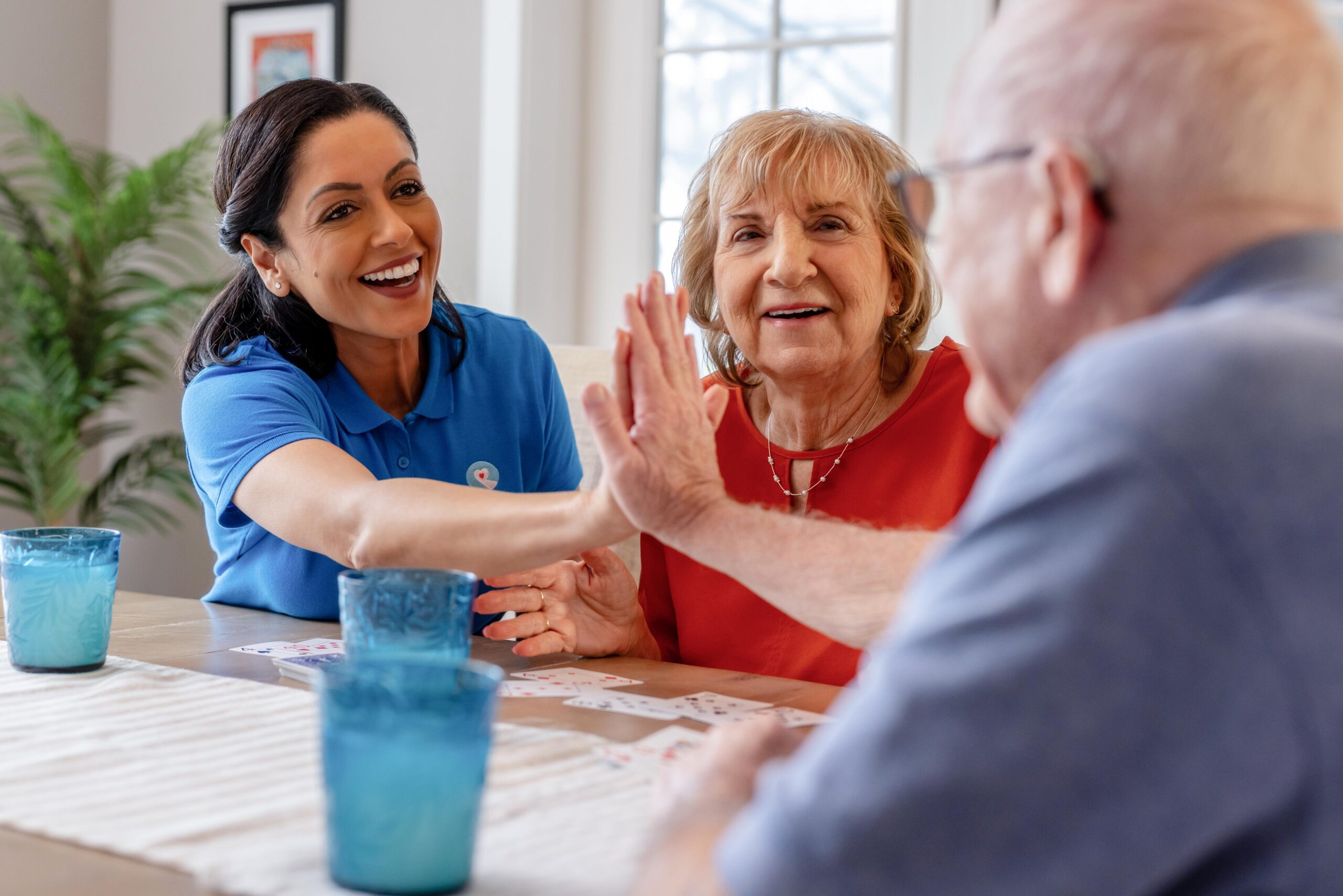
Deciding to bring in-home care into a loved one’s life is a significant choice for a family to make. It’s a journey filled with complex emotions, challenging questions, and a deep desire to do what’s best. If you’re feeling the weight of responsibility to identify in-home senior care options in Coquitlam, you are not alone. You’re trying to honour their wish to remain independent, a goal shared by over 90% of Canadian seniors who want to age in the comfort of their own homes.
But how do you turn that wish into a safe, reliable, and enriching reality? With so many options in the Tri-Cities area, it’s easy to feel overwhelmed.
This guide is designed to cut through the noise. It’s a comprehensive checklist built to give you clarity and confidence. Use it as your framework to systematically evaluate potential agencies, ask the right questions, and ultimately select a partner you can trust to care for your family member with the dignity and compassion they deserve.
The Non-Negotiables: Trust, Safety & BC Regulations
Before you even look at services, you must establish a baseline of safety and professionalism. These are the non-negotiable standards that protect your loved one and your family.

Understand the essential regulations and rigorous caregiver screening that ensure your loved one’s safety and your peace of mind.
☑️ Is the agency licensed and in good standing?
In British Columbia, agencies that provide certain personal care services must be licensed and comply with the Community Care and Assisted Living Act. This isn’t just a piece of paper; it means the agency is subject to regular inspections and must adhere to government-mandated standards for safety, care planning, and staff training. Ask for their license number and verify it with the local health authority.
☑️ Are all caregivers bonded and insured?
This is a critical layer of protection for your family. Bonding protects you from theft, while liability insurance covers accidents or injuries that could occur in the home. A professional agency will also carry WorkSafeBC coverage for its employees, which means you are not financially liable if a caregiver is injured on the job. Without this, the financial and legal risk falls squarely on you. Understanding the importance of insurance and bonding for in-home care agencies is a crucial first step.
☑️ Does the agency perform comprehensive caregiver screening?
A trustworthy agency’s screening process goes far beyond a simple interview. Demand to know their exact protocol. A truly rigorous process includes:
- A criminal record check.
- A vulnerable sector screening (this is essential, as it checks for pardoned sex offenses).
- Thorough reference checks.
- Verification of certifications and credentials.
A transparent agency will be proud to detail their caregiver background checks and screening processes, as it’s a cornerstone of their commitment to client safety.
The Care Itself: Customization and Quality of Life
Once safety is established, the focus shifts to the quality of care. The goal isn’t just to meet basic needs, but to enhance your loved one’s quality of life. Avoid one-size-fits-all solutions.
☑️ Is there a free in-home assessment with a care expert?
The process should begin with a conversation, not a sales pitch. A care coordinator should visit the home to understand your loved one’s specific needs, routines, and personality. This is your chance to see if they listen, show empathy, and demonstrate genuine expertise.
☑️ How are care plans created and updated?
A generic list of tasks is not a care plan. A proper plan is a dynamic document, customized to the individual and regularly reviewed. Ask how often they reassess needs. As your loved one’s condition changes, their care plan should evolve with them, ensuring the support they receive is always relevant.
☑️ How are caregivers matched with clients?
The relationship between a client and a caregiver is deeply personal. The best agencies invest significant effort in matching based not just on skills, but on personality, interests, and temperament. A good match can transform care from a service into a meaningful friendship.
☑️ What is the protocol if a regular caregiver is unavailable?
Life happens. Caregivers get sick or need time off. The critical question is: what’s the backup plan? A key advantage of a professional agency is a deep roster of trained staff. Ask if they guarantee a qualified backup caregiver, ensuring there are never gaps in care and you’re not left scrambling at the last minute.
The Family Experience: Communication and Peace of Mind
You can’t be there 24/7, but you still need to feel connected and confident that your loved one is thriving. Modern agencies use technology to bridge the distance and provide unparalleled peace of mind.
Our technology-driven communication and safety systems keep families connected and ensure uninterrupted care.
☑️ Is there a system for family communication and care monitoring?
Leading agencies provide a secure online portal for families. At Comfort Keepers, we use the E-RSP system, which allows you to see caregiver schedules, review notes from their visits, and communicate directly with the care team. This transparency is a game-changer, replacing worry with real-time information.
☑️ Does the agency leverage modern safety technology?
Beyond direct care, how does the agency help keep seniors safe when a caregiver isn’t present? Inquire about offerings like personal emergency response systems (PERS), medication management systems, and even senior-friendly tablets like the GrandPad that keep clients connected and engaged.
The Financials: Understanding Costs and Contracts
Cost is a significant factor for every family, but the cheapest option is rarely the best or safest. The goal is to find an agency that offers clear, transparent pricing and flexible terms.
☑️ Is the pricing structure clear and easy to understand?
You should receive a detailed breakdown of costs with no hidden fees. Be wary of agencies that are vague about their rates. Ask for the price list for different types of services and levels of care.
☑️ Are you locked into a long-term contract?
A client’s needs can change quickly. You should never be locked into a rigid, long-term contract. Look for an agency that allows you to adjust service hours, change the type of care, or cancel services with reasonable notice. Flexibility is a sign of a client-focused organization.
Your Checklist & Key Questions to Ask During Your Consultation
Trust & Safety
- Are you licensed by the local health authority in BC?
- Are your caregivers bonded and insured? Do you have WorkSafeBC coverage?
- Can you detail your full caregiver screening process, including vulnerable sector checks?
Care Quality & Customization
- Do you conduct a free, in-person assessment to create the care plan?
- How do you match caregivers to clients based on personality?
- What is your guarantee if our regular caregiver is sick or on vacation?
- How often do you review and update the care plan?
Family Communication & Technology
- Do you offer a family portal for communication and monitoring?
- What safety technology (e.g., PERS) do you offer or recommend?
Financials & Flexibility
- Can I see a detailed, transparent price list?
- What is your policy for changing or canceling services? Am I locked into a contract?
Knowing what questions you should ask during an in-home care consultation is half the battle. This list ensures you cover all the critical bases.
Why a Professional Agency is the Safest Choice for Your Family
It can be tempting to consider hiring a caregiver privately from an online ad to save money. However, the risks associated with this approach are significant.
**Choosing a licensed agency like Comfort Keepers Coquitlam ensures comprehensive protection and peace of mind compared to independent caregivers.
Comparison: Professional Agency vs Private Hire
| Feature | Professional Agency (e.g., Comfort Keepers) | Private/Independent Hire |
| Screening | Rigorous multi-step process, including vulnerable sector checks. | Responsibility falls entirely on you. |
| Insurance | Fully bonded and insured, with WorkSafe BC coverage. | You become the employer, liable for accidents and injuries. |
| Backup Care | Guaranteed. A qualified replacement is always available. | No backup. You’re on your own if they are sick or quit. |
| Oversight | Professional care managers oversee quality and resolve issues. | No oversight. You manage all scheduling and performance issues. |
| Training | Caregivers receive ongoing, specialized training. | Training and skill level are unverified. |
Partnering with a professional agency like Comfort Keepers® Coquitlam isn’t just about hiring a caregiver; it’s about investing in a comprehensive support system designed to protect your family and provide the highest quality of life for your loved one.
Taking the Next Step with Confidence in Tri-Cities, BC
Choosing the right in-home care partner is a profound act of love. By using this checklist, you can move forward not with anxiety, but with the confidence that you’ve done your due diligence. You can make an informed choice that brings safety, joy, and peace of mind to your entire family.
When you’re ready, we invite you to put us to the test. We’ll walk through this very checklist together and create a personalized plan that honours your loved one’s desire to live vibrantly and independently at home.
The Best, Expert Senior Home Care in Tri-Cities, British Columbia is Comfort Keepers® Coquitlam
At Comfort Keepers®, we provide personalized, compassionate in-home care services for seniors in Tri-Cities of Coquitlam, Port Coquitlam (PoCo), Port Moody, Anmore, and Belcarra, BC.
We proudly support thousands of families each year with home health care services—helping loved ones remain safe, happy, and independent in the homes they love.
Elderly Care at Home: Home is The Best Place to Be
Providing care for an aging parent or loved one can be both fulfilling and incredibly demanding, especially for family members balancing careers and busy households. That’s where we come in.
Comfort Keepers® Tri-Cities offers professional, flexible care solutions that lighten the load for families and give everyone peace of mind—knowing their loved one is in good hands.
We offer a range of services that include companionship care for seniors, personal care services, non-medical homecare and Tri-Cities respite care.
Comfort Keepers® Tri-Cities Can Help with Companion Care and Interactive Caregiving™
At Comfort Keepers® Coquitlam, we believe in more than just meeting physical needs. The team at Comfort Keepers® elevates the human spirit. Trained caregivers build meaningful relationships, bring joy into everyday moments, and provide support that goes beyond routine care.
Our senior homecare caregivers help provide our elderly clients with personal home care to help maintain the highest possible quality of life. Caregivers deliver Interactive Caregiving™, a system of care that addresses safety, nutrition, mind, body, and activities of daily living (ADLs).
Comfort Keepers® Tri-Cities Provides Home Care and a Wide Range of In-Home Care Services for Seniors.
Are you looking for reliable home care in the Tri-Cities of Coquitlam, Port Coquitlam (PoCo), Port Moody, Anmore, and Belcarra?
Learn more about our unique service, which offers personal care, companionship care, palliative and end-of-life care. Contact the Comfort Keepers® Coquitlam office today to schedule a free in-home consultation. Let us show you how our care can make a meaningful difference in your loved one’s life.