



How do we make inclusive holiday planning for seniors in 2025? The holidays. Just saying the word probably brings a flood of warm memories to mind. The smell of cookies baking, the sound of laughter, the warmth of family gathered under one roof. It’s a season of connection and tradition. But for many families, this picture-perfect scene can also bring a wave of stress, especially when it comes to including our aging parents or grandparents.
How do we make sure Grandma, who uses a walker, can navigate our home safely? What about Grandpa, who doesn’t drive at night anymore? We want them to be part of the magic, but we also worry about their safety and comfort.
The good news is that with a little thoughtful planning, we can create a holiday experience that isn’t just accessible, but truly joyful and inclusive for everyone – from the littlest kids to the most senior members of the family. It’s not about reinventing our traditions; it’s about adapting them so no one feels left out.
Let’s explore how.

Accommodating Seniors During the Holidays
Accommodating an aging loved one goes beyond just saving them a comfortable chair. It’s a holistic approach that considers their physical, mental, and emotional well-being. The goal is to reduce their stress and the stress of their caregivers, creating space for everyone to simply enjoy being together.
Think of it this way: the holiday hustle and bustle that energizes us can be overwhelming for an older adult. Loud noises, bright lights, and a packed schedule can lead to fatigue and anxiety. The key is to plan with their needs in mind from the very beginning. This starts by simply talking to them. Ask what parts of the holiday are most important to them. Is it the big Christmas dinner? Attending a religious service? Watching the grandchildren open presents?
By including them in the planning, you’re not just gathering information – you’re sending a powerful message: “Your presence and your preferences matter.” This emotional inclusion is the foundation of a successful holiday for the whole family.
Accessible Family Travel
For many seniors, the biggest hurdle to holiday participation is simply getting there. Concerns about long car rides, navigating busy airports, or driving after dark can lead them to decline invitations, leading to social isolation during a time meant for connection.
This is where creative and compassionate planning comes in. If you’re picking them up, build in extra time for rest stops. If they are flying, consider arranging for wheelchair assistance at the airport – it’s not a sign of weakness, but a smart way to conserve their energy for the fun parts of the visit.
For local travel, families are increasingly turning to professional transportation services. Companies like Comfort Keepers Tri-Cities specialize in senior transportation services, offering a safe, reliable, and comfortable solution. Their caregivers don’t just drive; they provide door-through-door assistance, helping your loved one get from their home all the way to their seat at your holiday table. This service can be a game-changer, reducing travel-related risks and giving everyone peace of mind. It’s a powerful tool for maintaining a senior’s independence, allowing them to participate fully without feeling like a burden.
Aging Parent Care at Christmas
Once your loved one has arrived, the next step is to ensure your home is a safe and welcoming environment. A few simple modifications can make a world of difference. It’s about seeing your home through their eyes.
Safety and Accessibility Checklist:
- Pathways: Clear hallways and walkways of clutter, loose rugs, and electrical cords. These are major tripping hazards.
- Lighting: Increase lighting, especially in hallways, staircases, bathrooms, and entryways. Motion-sensor night lights are a fantastic addition for late-night trips to the kitchen or bathroom.
- Seating: Ensure there are sturdy chairs with armrests available. This makes sitting down and standing up much easier and safer.
- The Quiet Zone: Designate a quiet room where they can retreat to if the festivities become too loud or overwhelming. A comfortable bed or recliner, a dim lamp, and a blanket can provide a perfect sanctuary for a necessary rest.
Planning the schedule itself is also a form of care. Instead of a late-night party, could you host a festive holiday brunch? Seniors often have more energy earlier in the day. Also, be mindful of the pace. Build in quiet breaks and avoid back-to-back activities. A little downtime can help them recharge and stay engaged for longer.
Inclusive Holiday Planning for Seniors
True inclusion is about more than physical safety; it’s about emotional connection. The holidays are rich with memories and traditions, and our elders are the keepers of those stories. Finding ways to actively engage them bridges generations and enriches the experience for everyone.
The table below contrasts common holiday challenges with simple, inclusive solutions:
| Common Challenge | Inclusive Solution |
|---|---|
| A senior feels left out of loud, fast-paced conversations. | Engage them in a one-on-one activity: Ask for help with a simple task like stringing popcorn garlands, sorting through old holiday photos, or telling a story about their favorite childhood holiday memory. |
| The grandkids are on their devices, and Grandpa feels disconnected. | Plan an intergenerational game: Choose board games or card games that are simple for all ages to play. The focus is on laughter and interaction, not fierce competition. |
| Grandma can no longer stand for hours to cook the big meal. | Give them an “Executive Chef” role: Have them sit at the kitchen table to peel potatoes, stir the batter, or taste-test the dishes. Their knowledge and presence are the valued ingredients. |
| The noise and chaos are overwhelming. | Create a “Memory Lane” station: Set up a quiet corner with a photo album and comfortable headphones with their favorite music. This allows for participation on their own terms. |
These strategies aren’t just nice ideas; they have real impact. Research into senior care shows that fostering these kinds of social connections is crucial for mental and emotional health, helping to prevent the loneliness and isolation that can peak during the holidays.

It Takes a Village: Support for Caregivers and Seniors
Let’s not forget the family caregivers – often the adult children squeezed between the needs of their own kids and their aging parents. The holidays can magnify their responsibilities, leading to burnout and preventing them from enjoying the season themselves.
This is where professional support can be a gift to the entire family. In-home care services can provide much-needed respite. A professional caregiver can assist with:
- Personal care and morning routines to help your loved one get ready for the day’s festivities.
- Meal preparation according to any specific dietary needs.
- Companionship and engagement before, during, or after the main family gathering.
- As mentioned, safe and reliable transportation.
By sharing the care, you ensure that both the senior and their primary family caregivers have the energy and emotional capacity to truly connect and celebrate. It’s about working as a team to make the holidays brighter for everyone.
Wrapping It All Up
The heart of the holiday season isn’t found in a perfectly decorated house or a flawless meal. It’s found in the warmth of shared moments and the comfort of knowing we belong. By taking a little extra time to plan for the needs of our aging loved ones – through thoughtful travel arrangements, simple home adjustments, and meaningful engagement – we aren’t just accommodating them. We are honouring them.
We are saying, “You are an essential part of our family’s story, and we want you here, comfortably and joyfully.” That is the greatest gift we can give one another.
If you’re feeling overwhelmed about how to make this holiday season safe and joyful for your aging loved one in the Tri-Cities area, remember you don’t have to figure it all out alone. Explore the wide range of care services available, from companionship to mobility support, or reach out directly to start a conversation about your family’s unique needs.
Contact Comfort Keepers Tri-Cities today to learn how we can help your family create a holiday season filled with comfort, joy, and connection for everyone.
The Best, Expert Senior Home Care in Tri-Cities, British Columbia is Comfort Keepers® Coquitlam
At Comfort Keepers®, we provide personalized, compassionate in-home care services for seniors in Tri-Cities of Coquitlam, Port Coquitlam (PoCo), Port Moody, Anmore, and Belcarra, BC.
We proudly support thousands of families each year with home health care services—helping loved ones remain safe, happy, and independent in the homes they love.
Elderly Care at Home: Home is The Best Place to Be
Providing care for an aging parent or loved one can be both fulfilling and incredibly demanding, especially for family members balancing careers and busy households. That’s where we come in.
Comfort Keepers® Tri-Cities offers professional, flexible care solutions that lighten the load for families and give everyone peace of mind—knowing their loved one is in good hands.
We offer a range of services that include companionship care for seniors, personal care services, non-medical homecare and Tri-Cities respite care.
Comfort Keepers® Tri-Cities Can Help with Companion Care and Interactive Caregiving™
At Comfort Keepers® Coquitlam, we believe in more than just meeting physical needs. The team at Comfort Keepers® elevates the human spirit. Trained caregivers build meaningful relationships, bring joy into everyday moments, and provide support that goes beyond routine care.
Our senior homecare caregivers help provide our elderly clients with personal home care to help maintain the highest possible quality of life. Caregivers deliver Interactive Caregiving™, a system of care that addresses safety, nutrition, mind, body, and activities of daily living (ADLs).
Comfort Keepers® Tri-Cities Provides Home Care and a Wide Range of In-Home Care Services for Seniors.
Are you looking for reliable home care in the Tri-Cities of Coquitlam, Port Coquitlam (PoCo), Port Moody, Anmore, and Belcarra?
Learn more about our unique service, which offers personal care, companionship care, palliative and end-of-life care.
Contact the Comfort Keepers® Tri-Cities office today to schedule a free in-home consultation. Let us show you how our care can make a meaningful difference in your loved one’s life.
The Silent Struggle: Why General Caregiving Falls Short for Complex Needs
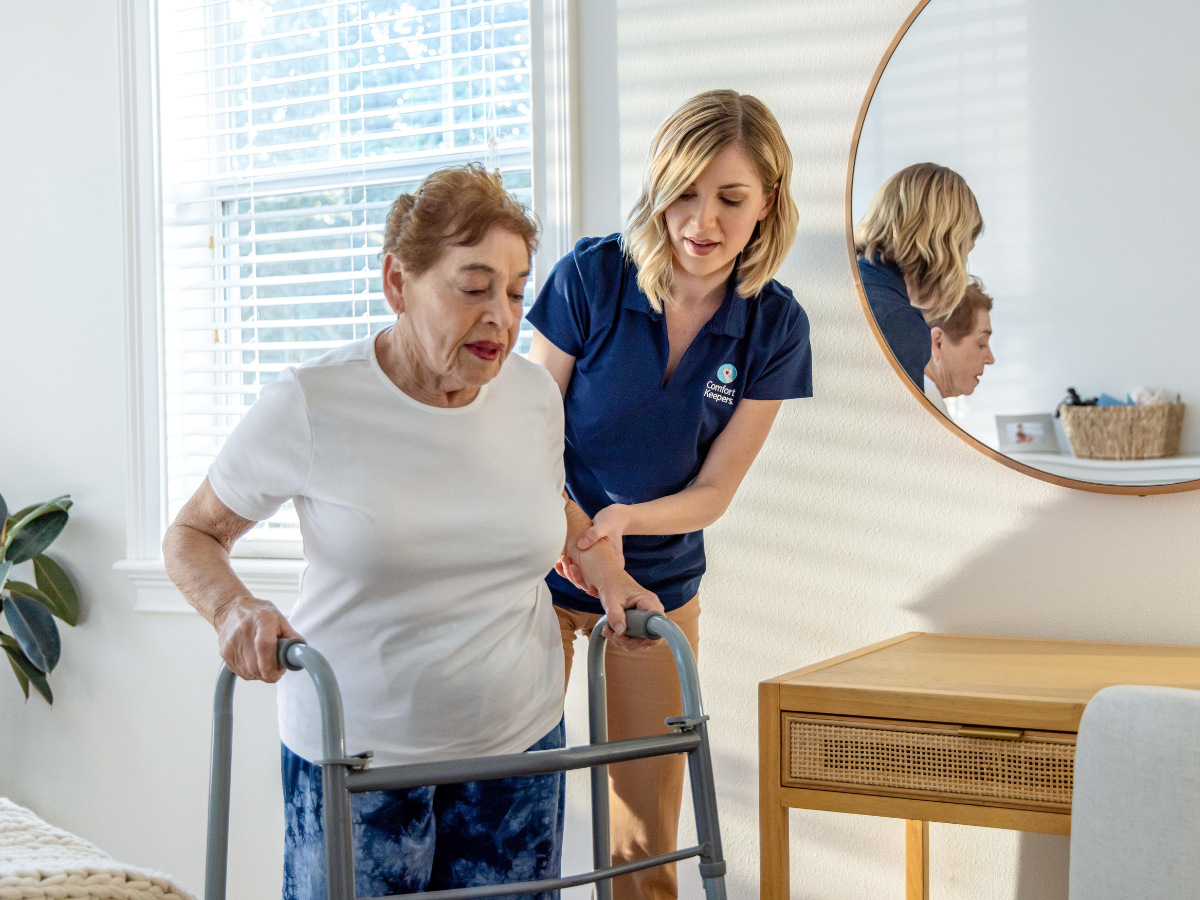
Imagine a beloved family member, vibrant and independent, now navigating the complexities of dementia, the unpredictable movements of Parkinson’s, or the daily challenge of severe mobility issues. As their needs grow, the desire to keep them comfortable and safe at home intensifies. Many families initially believe that any compassionate caregiver can provide the help needed. After all, isn’t caring simply about kindness and assistance?
While empathy is the cornerstone of all care, the truth is, not all care is created equal, especially when conditions like dementia, Parkinson’s, or severe mobility limitations are involved. These aren’t just “senior moments” or simple movement difficulties; they are complex neurological conditions that demand a specific skillset and deep understanding that goes far beyond general caregiving.
If you’ve felt a growing unease that despite a caregiver’s best intentions, something crucial might be missing, or that challenges are escalating rather than easing, you’re not alone. This is often the quiet signal that it’s time to explore specialized training. Understanding this distinction isn’t just about finding help; it’s about unlocking a higher quality of life, preserving dignity, and ensuring genuine safety for your loved one.
Decoding the Conditions: What Makes Dementia, Parkinson’s, and Mobility Issues Unique?
To truly appreciate why specialized training is essential, let’s briefly look at what makes these conditions so intricate. It’s the specific changes they bring to the brain and body that fundamentally alter how care needs to be delivered.
Dementia: More Than Just Memory Loss
Dementia, encompassing conditions like Alzheimer’s, isn’t just about forgetting names or where the keys are. It’s a progressive decline in cognitive function that impacts judgment, reasoning, communication, and behaviour. For a person with dementia:
- Communication becomes a maze: They may struggle to find words, understand complex sentences, or interpret social cues. What seems like defiance can be confusion.
- Reality shifts: Hallucinations, delusions, or a distorted sense of time and place are common.
- Behavioral changes: Agitation, wandering, repetition, or “sundowning” (increased confusion and agitation in the late afternoon/evening) are often manifestations of their cognitive struggles, not intentional defiance.
- Executive function declines: Simple tasks like dressing or eating become overwhelming multi-step processes.
Parkinson’s Disease: Beyond the Tremor
Parkinson’s is a progressive neurological disorder primarily affecting movement. It stems from a loss of dopamine-producing brain cells. While the visible tremor is often the most recognized symptom, Parkinson’s involves a much broader array of challenges:
- Motor symptoms: Rigidity (stiffness), bradykinesia (slowness of movement), postural instability (impaired balance), and “freezing of gait” (a sudden, temporary inability to move forward) are common. These make walking, standing, and even getting out of a chair incredibly difficult and risky.
- Non-motor symptoms: These can be as debilitating as motor symptoms and often include cognitive changes (including Parkinson’s-related dementia), sleep disorders, depression, anxiety, and speech difficulties (dysarthria).
- Medication timing is critical: “On-off” fluctuations related to medication schedules can dramatically change a person’s mobility and clarity throughout the day.
Severe Mobility Issues: A Spectrum of Challenges
Whether independent of, or compounded by, dementia or Parkinson’s, severe mobility issues present their own set of complex care needs. This can be due to stroke, arthritis, advanced frailty, or injury.
- Increased fall risk: Weakness, poor balance, and dizziness make every movement a potential hazard.
- Transfer difficulties: Moving from bed to chair, or to the toilet, requires precise techniques to prevent injury to both the senior and the caregiver.
- Pressure injury risk: Prolonged sitting or lying without proper repositioning can lead to painful and dangerous bedsores.
The key insight here is that these conditions alter the very blueprint of a person’s daily functioning. A general caregiver, no matter how kind, might interpret a “frozen” gait as stubbornness, or agitation as anger, leading to responses that are ineffective or even harmful.
The Hidden Risks: When Unspecialized Care Just Isn’t Enough
Relying on general caregiving skills for specialized needs can lead to a cascade of preventable problems, impacting safety, well-being, and even accelerating decline. It’s not about fault; it’s about the limits of untrained compassion.
1. Increased Safety Hazards
Without specialized training, caregivers may unintentionally put a loved one at risk.
- Falls: A general caregiver might try to rush a person with Parkinson’s, inadvertently triggering a “freezing” episode and a fall. They might not know how to safely use adaptive equipment like walkers or lifts, or how to perform proper transfer techniques.
- Medication Errors: For Parkinson’s, precise medication timing is paramount. Incorrect timing can lead to debilitating “off” periods or dyskinesia. A general caregiver might not recognize the subtle signs of medication side effects or the importance of strict adherence.
- Choking & Aspiration: For those with dementia or advanced Parkinson’s, swallowing difficulties (dysphagia) are common. An untrained caregiver might not know how to prepare appropriate food textures or recognize signs of choking, leading to serious aspiration pneumonia.
2. Accelerated Decline & Frustration
- Cognitive & Behavioral Escalation: A caregiver unfamiliar with dementia-specific communication might correct or argue with a confused senior, leading to increased agitation or withdrawal. This can escalate challenging behaviors rather than de-escalate them, contributing to emotional distress and rapid cognitive decline. (Source: Parkinson’s Foundation, “10 steps for caring for Parkinson’s dementia, adapted from Alzheimer’s Association”)
- Loss of Mobility & Independence: Without knowing specific cuing techniques for Parkinson’s or appropriate exercise encouragement, a senior’s mobility can decrease faster than necessary, leading to increased dependency and a loss of confidence.
3. Compromised Dignity & Quality of Life
When unique needs aren’t understood, a person can feel misunderstood, frustrated, and lose their sense of self. Care should foster independence and well-being, not just address basic needs. Unspecialized care often misses opportunities for engaging activities, proper communication, and respectful interactions tailored to their specific condition.
4. Caregiver Burden on Families
Families often step in, trying to bridge the gap in care, leading to immense stress and burnout. They may feel guilty, overwhelmed, and constantly worried about their loved one’s safety. This burden can be significantly lightened when truly specialized care is in place.
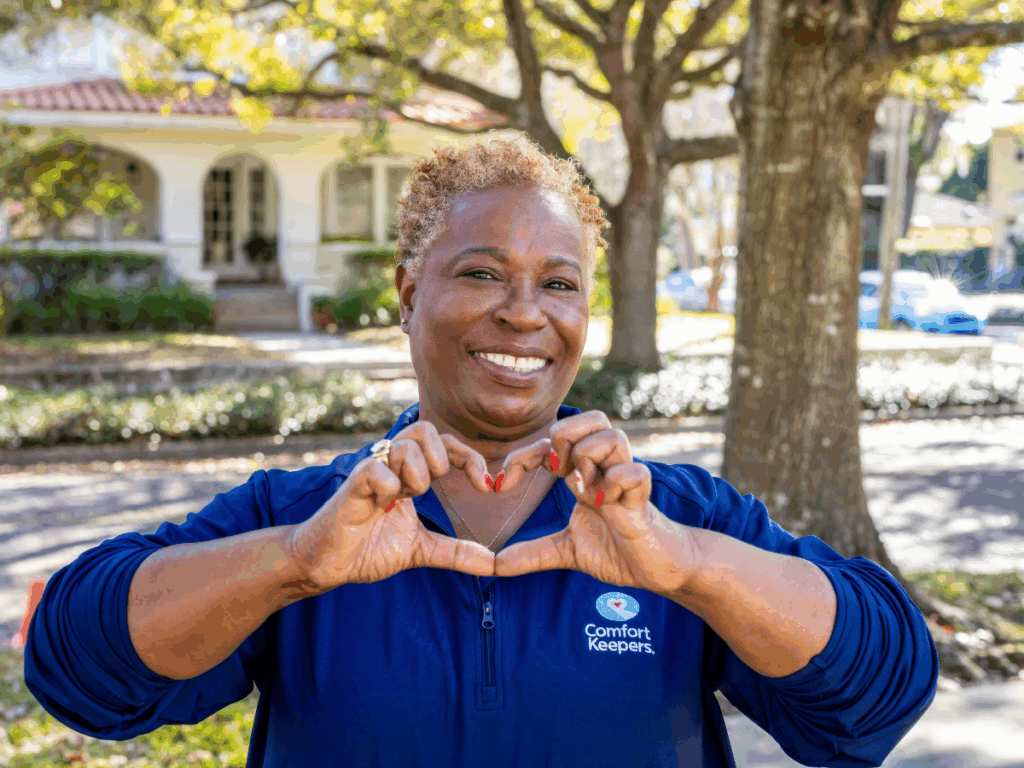
The Pillars of Specialized Training: Skills That Transform Care
Specialized caregivers aren’t just compassionate; they are equipped with a toolkit of knowledge and techniques that allow them to anticipate, adapt, and respond effectively to the nuanced challenges of dementia, Parkinson’s, and severe mobility issues. This training translates directly into improved safety, dignity, and a better quality of life.
1. Advanced Communication Strategies
- For Dementia: Specialized caregivers understand that logic often doesn’t work. They use techniques like validation, where they acknowledge the senior’s feelings and reality, even if it differs from actual reality, to reduce distress. They master redirection, gently guiding attention away from upsetting topics, and use simplified language, one-step commands, and non-verbal cues to connect. Learning these skills is paramount for effective dementia and Alzheimer’s Care.
- For Parkinson’s: They adapt to speech difficulties (dysarthria) by practicing patience, encouraging deliberate speech, and providing clear, specific verbal cues for movement.
2. Expert Mobility & Safety Protocols
This is where specialized training truly shines in preventing falls and promoting independence.
- Safe Transfer Techniques: They are skilled in advanced body mechanics, knowing precisely how to assist with transfers (bed to chair, toilet) using techniques like pivot transfers or, when necessary, safely operating adaptive equipment like Hoyer lifts, minimizing injury risk for everyone.
- Overcoming “Freezing of Gait”: For Parkinson’s, they know specific cuing techniques – visual cues (e.g., placing a foot marker), auditory cues (e.g., counting, rhythmic commands), or tactile cues – to help a person restart movement during a freezing episode, preventing falls.
- Fall Prevention: Beyond basic safety checks, they perform ongoing fall risk assessments, adapt the environment proactively, and understand how to encourage movement within safe limits.
- Pressure Injury Prevention: They know proper repositioning schedules and techniques to prevent bedsores for those with limited mobility.
3. Behavioral & Cognitive Support
Specialized caregivers are trained to see beyond the behavior to the underlying need.
- De-escalation: They can identify triggers for agitation in dementia and use calm, reassuring approaches to de-escalate situations, preventing outbursts and fostering a peaceful environment.
- Creating Structure & Routine: They understand the importance of predictable routines for reducing confusion and anxiety in dementia.
- Cognitive Engagement: They can facilitate appropriate cognitive activities, from simple memory games to engaging in familiar hobbies, tailored to the individual’s current abilities, promoting mental stimulation.
4. Medication Management Acumen
For conditions like Parkinson’s, medication timing is as crucial as the medication itself.
- Specialized caregivers understand the critical “on-off” periods, monitor for specific side effects (like dyskinesia or impulse control disorders), and diligently report changes to medical professionals.
5. Nutrition & Swallowing Care
- They are vigilant for signs of dysphagia (difficulty swallowing) and know how to prepare modified diets (e.g., pureed, thickened liquids) to prevent choking and ensure adequate nutrition.
Many of these skills are part of Comfort Keepers Tricities’ comprehensive Personal Care services, but specialized training ensures they are applied with precision and understanding of the underlying condition. This is particularly vital in Dementia and Alzheimer’s Care, where communication and behavioral support are key.
Empowering Your Search: How to Vet for Truly Specialized Caregivers
As a family, you are your loved one’s strongest advocate. Knowing what to look for and what questions to ask is paramount in securing truly specialized care. Don’t settle for vague answers; demand specificity.
Here’s a “Specialized Caregiver Vetting Checklist” to guide your conversations with agencies and individual caregivers:
Questions for the Agency:
“What specific training programs do your caregivers undergo for dementia, Parkinson’s, and severe mobility issues?”
- Look for answers that detail specific curricula, certifications (e.g., specialized dementia certifications, Parkinson’s Foundation resources), and ongoing professional development.
“How do you assess a caregiver’s proficiency in specialized techniques, such as safe transfers for clients with Parkinson’s rigidity or de-escalation for dementia agitation?”
- Look for practical assessments, not just theoretical knowledge. Do they use role-playing or supervised practice?
“Can you provide examples of how your caregivers adapt their approach when a client has co-occurring conditions, like dementia and Parkinson’s?”
- This addresses the “overlap” challenge, a critical differentiator.
“How do you ensure continuity of care, especially with complex medication schedules or evolving behavioral challenges?”
- Look for structured communication between caregivers, clear care plans, and supervisory oversight.
Questions for the Caregiver (during an interview):
“Imagine Mrs. Smith, who has advanced dementia, is repeatedly asking to go home to her childhood house. How would you respond?”
- Listen for validation and redirection techniques, not logical explanations or arguments.
“Mr. Jones, who has Parkinson’s, suddenly ‘freezes’ while walking to the bathroom. What’s the first thing you would do, and what specific cues would you use to help him restart?”
- Look for knowledge of visual/auditory cues, patience, and safety prioritization.
“Describe a time you’ve had to assist someone with severe mobility issues with a challenging transfer. What steps did you take to ensure their safety and dignity?”
- Look for details on body mechanics, communication, and use of assistive devices.
“What are some common triggers for agitation in dementia patients, and what strategies do you employ to prevent or manage them?”
- Look for understanding of environmental factors, routines, and non-pharmacological interventions.
Red Flags to Watch Out For:
- Vague Answers: “Oh, we handle all kinds of care,” or “Our caregivers are just naturally good with seniors.”
- No Specific Training: Claims of experience without any mention of formal, condition-specific training or certifications.
- Over-reliance on Medication: Suggesting that difficult behaviors can always be “fixed” with medication, rather than behavioral techniques.
- Lack of Adaptability: A rigid approach to care that doesn’t acknowledge the fluctuating nature of these conditions.
To start this journey and discuss your specific needs, consider an initial consultation with Comfort Keepers Tricities.
The Transformative Impact of Specialized Care
Choosing a specialized caregiver isn’t just a preference; it’s a profound investment in your loved one’s well-being and your family’s peace of mind. The benefits are tangible and far-reaching:
- Enhanced Safety & Fewer Incidents: Specialized caregivers significantly reduce the risk of falls, medication errors, and other complications, leading to a safer home environment and fewer hospitalizations.
- Preserved Dignity & Autonomy: By understanding the unique challenges, specialized caregivers help seniors maintain as much independence as possible, allowing them to participate actively in their lives, fostering a sense of control and self-worth.
- Improved Quality of Life: Tailored engagement, effective communication, and compassionate support lead to reduced anxiety, more positive interactions, and a richer, more comfortable daily existence. They focus on elevating the human spirit.
- Reduced Family Stress & Burnout: Knowing your loved one is in expert, capable hands provides immense relief. This support allows families to shift from being overwhelmed caregivers to cherished family members again. For families needing a break, [Respite Care] from specialized caregivers can offer invaluable support.
- Slower Progression of Decline: While these conditions are progressive, specialized care can help manage symptoms more effectively, adapt to changes, and maintain functional abilities for longer.
Frequently Asked Questions About Specialized Care
Q: What’s the main difference between general and specialized care?
A: General care focuses on basic needs and companionship, assuming relatively stable cognitive and physical abilities. Specialized care, however, involves in-depth training on specific conditions like dementia or Parkinson’s, providing caregivers with advanced techniques for communication, mobility assistance, behavioral management, and medication oversight, tailored to the unique and evolving challenges of these diseases.
Q: How do I know if my loved one needs specialized care?
A: If your loved one exhibits symptoms such as frequent falls, significant confusion or agitation, difficulty with transfers, complex medication schedules, “freezing” episodes, or if their current caregiver seems overwhelmed or unable to manage specific challenges, specialized care is likely needed.
Q: Can specialized care really make a difference for someone with advanced dementia or Parkinson’s?
A: Absolutely. While specialized care cannot cure these conditions, it dramatically improves quality of life, safety, and comfort. Specialized caregivers are trained to adapt to advanced symptoms, manage challenging behaviors with dignity, and prevent complications, often leading to reduced stress for both the individual and their family.
Q: Is specialized care more expensive?
A: Specialized care often requires higher hourly rates due to the advanced training and expertise of the caregivers. However, consider the “hidden costs” of unspecialized care, such as hospitalizations due to falls or complications, increased family stress, and a decline in quality of life. The long-term benefits and peace of mind often outweigh the direct cost difference.
Q: Where can I find more resources on specific conditions like Parkinson’s or Dementia?
A: Reputable national and local organizations such as the Parkinson’s Foundation (parkinson.org), the Alzheimer Society of Canada (alzheimer.ca), and Parkinson Society British Columbia (parkinson.bc.ca) offer extensive educational materials, support groups, and resources for families and caregivers.
Your Next Steps Towards Compassionate, Expert Care
Understanding the profound difference specialized training makes is the first, most crucial step in advocating for your loved one’s optimal well-being. This knowledge empowers you to make informed decisions and ensure they receive the dignified, expert care they truly deserve.
We encourage you to use this information to engage in deeper conversations with potential care providers. Ask the tough questions, look for specific training, and trust your instincts. The goal is not just to find “a” caregiver, but “the right” caregiver – one who is expertly equipped to meet the complex, unique needs of your family member.
Discover more about comprehensive In-Home Care options tailored to complex needs and learn how specialized training can make a world of difference for your loved one.
The Best, Expert Senior Home Care in Tri-Cities, British Columbia is Comfort Keepers® Coquitlam
At Comfort Keepers®, we provide personalized, compassionate in-home care services for seniors in Tri-Cities of Coquitlam, Port Coquitlam (PoCo), Port Moody, Anmore, and Belcarra, BC.
We proudly support thousands of families each year with home health care services—helping loved ones remain safe, happy, and independent in the homes they love.
Elderly Care at Home: Home is The Best Place to Be
Providing care for an aging parent or loved one can be both fulfilling and incredibly demanding, especially for family members balancing careers and busy households. That’s where we come in.
Comfort Keepers® Tri-Cities offers professional, flexible care solutions that lighten the load for families and give everyone peace of mind—knowing their loved one is in good hands.
We offer a range of services that include companionship care for seniors, personal care services, non-medical homecare and Tri-Cities respite care.
Comfort Keepers® Tri-Cities Can Help with Companion Care and Interactive Caregiving™
At Comfort Keepers® Coquitlam, we believe in more than just meeting physical needs. The team at Comfort Keepers® elevates the human spirit. Trained caregivers build meaningful relationships, bring joy into everyday moments, and provide support that goes beyond routine care.
Our senior homecare caregivers help provide our elderly clients with personal home care to help maintain the highest possible quality of life. Caregivers deliver Interactive Caregiving™, a system of care that addresses safety, nutrition, mind, body, and activities of daily living (ADLs).
Comfort Keepers® Tri-Cities Provides Home Care and a Wide Range of In-Home Care Services for Seniors.
Are you looking for reliable home care in the Tri-Cities of Coquitlam, Port Coquitlam (PoCo), Port Moody, Anmore, and Belcarra?
Learn more about our unique service, which offers personal care, companionship care, palliative and end-of-life care.
Contact the Comfort Keepers® Tri-Cities office today to schedule a free in-home consultation. Let us show you how our care can make a meaningful difference in your loved one’s life.
Living Alone Without Friends and Family
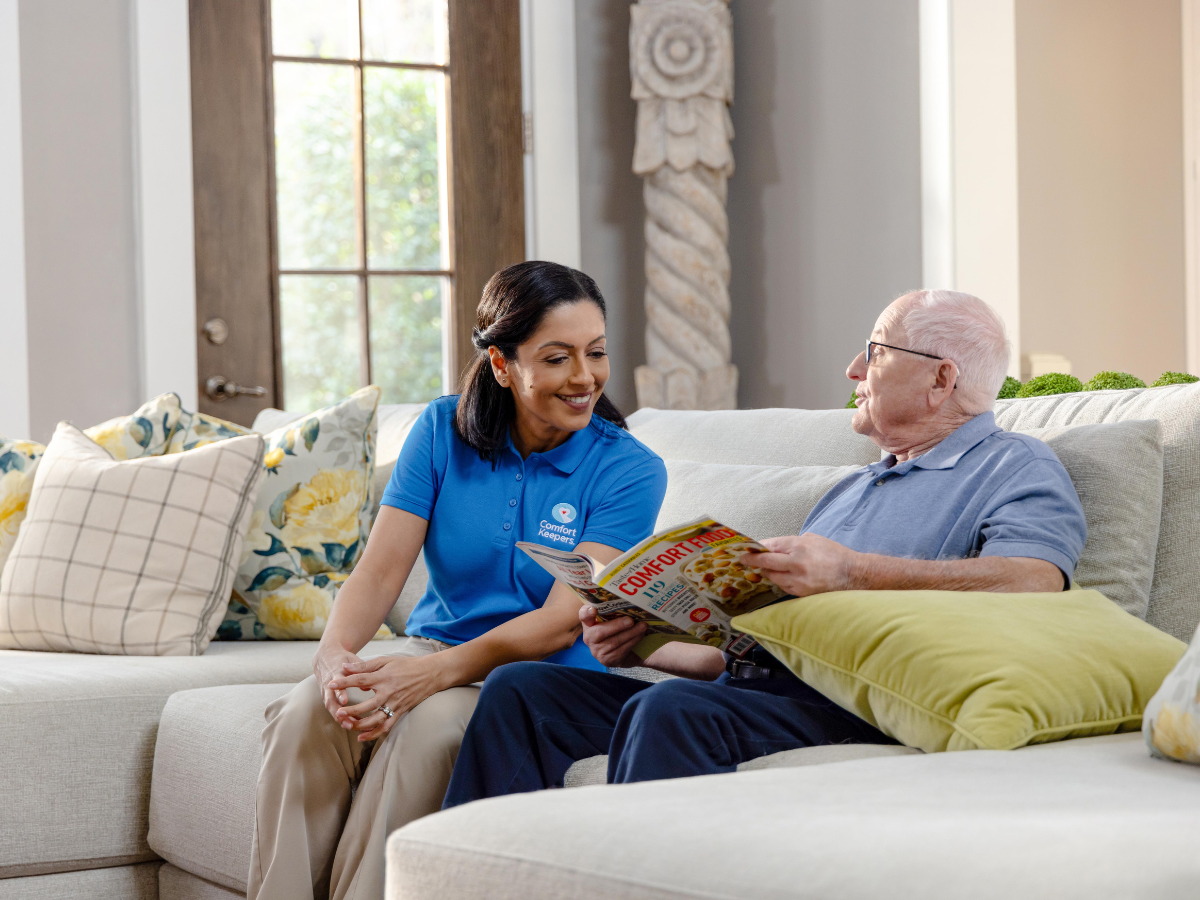
Living alone without friends and family can be a challenging experience, but it also offers a unique opportunity for personal growth and self-discovery. Whether this is due to a recent move, a life transition, or personal preference, navigating this situation requires strategies to maintain emotional well-being, build connections, and create a fulfilling life.
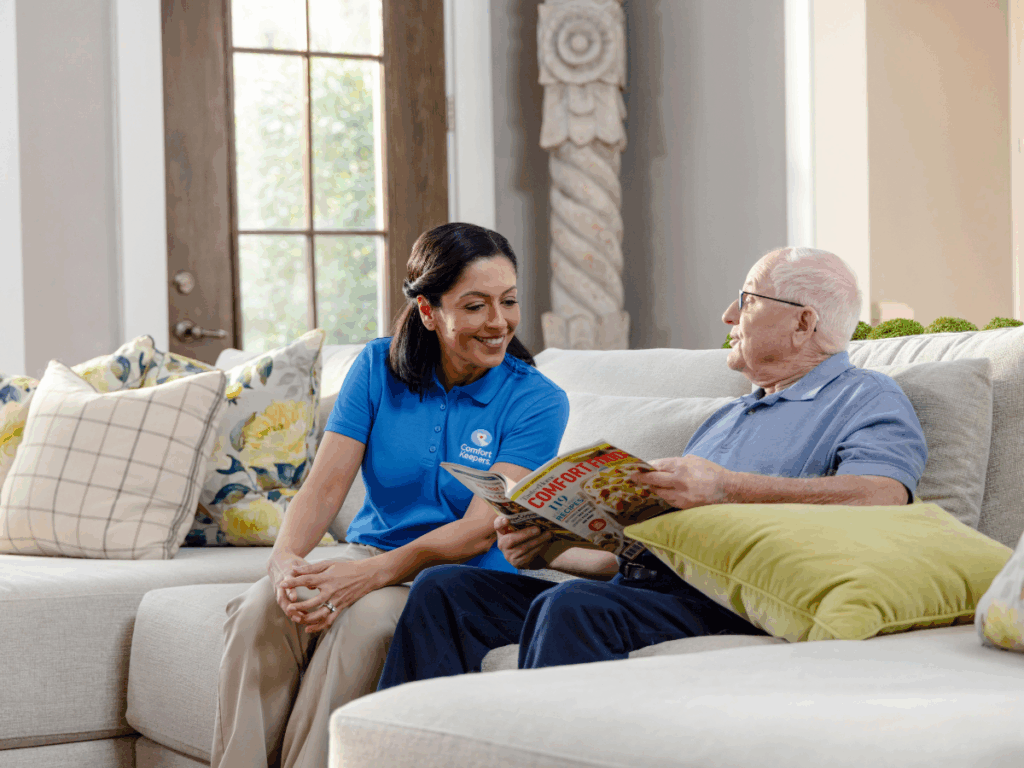
1. Create a Comfortable and Safe Living Space
Transforming your home into a sanctuary is crucial for your mental health. This involves not only arranging furniture and decorating but also ensuring that your space reflects your personality and provides comfort. Consider investing in cozy lighting, artwork, or plants to make your home feel welcoming.
- Example: Rearrange your furniture to create a cozy reading nook or hang a piece of artwork that resonates with you. This can help make your space feel more personalized and comforting.
2. Establish a Daily Routine
Developing a routine helps provide structure to your day and can make living alone feel less overwhelming. This might include activities like morning exercise, meal planning, or setting aside time for hobbies. Consistency can help establish a sense of stability.
- Tip: Start with small, achievable daily habits, such as a morning walk or a Sunday grocery run. This can help you feel more grounded and in control.
3. Stay Connected to a Support System
While you may not have immediate friends or family nearby, technology allows you to stay connected with loved ones over long distances. Use video calls, messaging apps, or social media to maintain these connections. Additionally, consider joining online communities related to your interests to expand your social network.
- Example: Schedule weekly video calls with distant friends or family members to maintain regular support and connection.
4. Engage in Local Activities and Community Participation
Joining local clubs, volunteering, or participating in community events can help you meet new people and build a sense of belonging. This not only combats loneliness but also provides opportunities to develop new skills and interests.
- Activity Suggestion: Look for local volunteer opportunities or join a book club in your area. These activities can help you meet like-minded individuals while contributing to your community.
5. Prioritize Self-Care and Mental Health
Living alone without immediate support can sometimes lead to feelings of isolation. It’s important to prioritize self-care activities such as meditation, journaling, or practicing mindfulness. These practices can help you stay grounded and manage stress.
- Resource: Consider consulting with a therapist or joining a support group if you find it difficult to cope with feelings of loneliness or isolation.
6. Explore New Hobbies and Interests
Using your solo time to explore new hobbies or interests can be incredibly fulfilling. Whether it’s painting, gardening, or learning a new language, dedicating time to something you enjoy can enrich your life and provide a sense of purpose.
- Example: Try taking an online course or joining a local art class to explore a new hobby. This can help you discover new passions and meet like-minded individuals.
7. Consider Pet Companionship
Adopting a pet can provide companionship and help alleviate feelings of loneliness. Pets can also encourage social interactions, such as meeting other pet owners in your community.
- Tip: If you’re interested in pet companionship, start by volunteering at a local animal shelter to see if pet ownership is right for you.
8. Embrace Solitude as an Opportunity for Growth
Living alone can be a transformative experience that allows for deep self-reflection and personal growth. It’s a chance to explore your thoughts, feelings, and desires without external influences. Practice self-compassion and view this time as an opportunity to develop a stronger relationship with yourself.
- Mindset Shift: View your solo time as a chance to discover new aspects of yourself and your capabilities. Focus on personal development and celebrate small victories along the way.
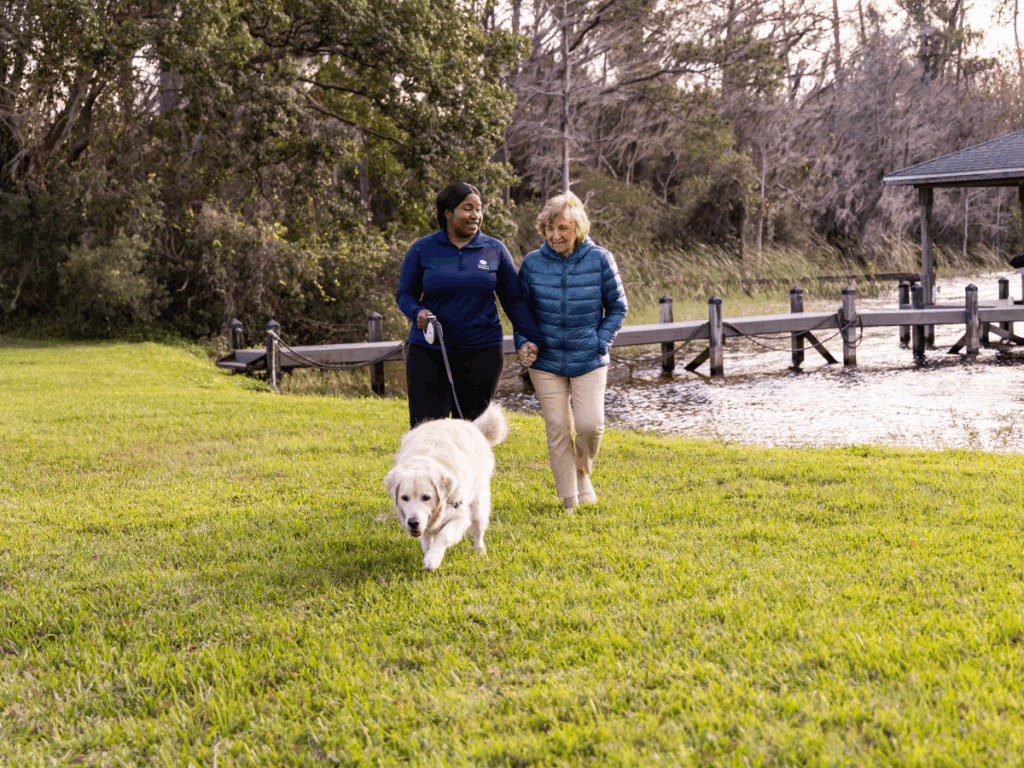
Key Things to Remember
- Comfort: Make your home a welcoming and comforting space.
- Routine: Establish a daily routine to create structure.
- Connection: Use technology and local activities to stay connected.
- Self-Care: Practice self-care and manage stress effectively.
- Growth: Embrace solitude as a chance for personal growth.
Whether you’re alone by choice or circumstance, these strategies can help you navigate the challenges and uncover the benefits of independent living.
Comfort Keepers® Tri-Cities Provides Home Care and a Wide Range of In-Home Care Services for Seniors.
Are you looking for reliable home care in the Tri-Cities of Coquitlam, Port Coquitlam (PoCo), Port Moody, Anmore, and Belcarra?
Learn more about our unique service, which offers personal care, companionship care, palliative and end-of-life care.
Contact the Comfort Keepers® Tri-Cities office today to schedule a free in-home consultation. Let us show you how our care can make a meaningful difference in your loved one’s life.
Keeping Minds Bright: Simple Joys for Seniors at Home

Have you ever noticed your loved one seems a little quieter than usual, perhaps staring blankly, or struggling to remember a recent conversation? It’s a common worry for many families. We all want our seniors to stay engaged, vibrant, and connected to the world around them. While physical health often takes center stage, the health of the mind is just as crucial for a fulfilling later life.
Imagine a warm, sunny afternoon. Instead of quiet boredom, your loved one is animated, sharing stories prompted by an old photo album or laughing over a simple riddle. These aren’t just pleasant moments; they’re vital sparks for their brain, keeping their mind sharp and spirits high. The good news? Keeping a senior’s mind active at home doesn’t require complex gadgets or expensive programs. Often, the most powerful tools are right at your fingertips – simple activities that weave into daily life and bring genuine joy.

The Amazing Power of an Active Mind: More Than Just Memory
When we talk about keeping the mind active, we’re delving into something called cognitive stimulation. Think of it as a workout for the brain! Just like your muscles get stronger with exercise, your brain benefits from regular mental challenges. It’s about engaging different parts of the brain to improve memory, problem-solving skills, attention, and even language abilities.
One of the biggest misconceptions is that significant memory loss is just a normal part of aging. While some cognitive changes are natural, persistent or severe memory issues and difficulty performing daily tasks are not. The Alzheimer’s Society clarifies that while some cognitive decline can be normal, it’s important to understand the difference between typical age-related changes and more serious conditions like dementia.
But here’s the real “aha!” moment: your brain has an incredible superpower called cognitive reserve. Imagine your brain is a city, and cognitive reserve is the number of roads and backup routes it has. The more you learn and engage your mind throughout life, the more roads you build. This extra network helps your brain function better and even cope if some of those roads get blocked by age-related changes or conditions. Research from institutions like Harvard Medical School and the NIH emphasizes that building cognitive reserves can significantly delay the onset of symptoms even if underlying brain changes are present. Every new activity, every new conversation, adds another road to that amazing city.
The benefits go far beyond just “improving memory.” An active mind contributes to:
- Elevated Mood: Combats boredom, loneliness, and feelings of isolation, which can often lead to depression.
- Increased Purpose: Engaging in meaningful activities gives seniors a sense of accomplishment and value.
- Stronger Social Connections: Many cognitive activities are inherently social, fostering bonding with family and caregivers.
- Greater Independence: A sharper mind often translates to better decision-making and the ability to manage daily tasks.
Easy Ways to Spark Joy and Keep the Brain Engaged
Ready to start building those cognitive roads? Here are some simple, at-home ideas that tap into different areas of the brain, making it fun and accessible for everyone.
Memory & Recall Boosters
These activities help keep those memory pathways well-trodden and vibrant.
- Photo Album Journeys: Sit together and flip through old photo albums. Ask open-ended questions like, “Who is this person?” “What was happening here?” “What do you remember about that day?” This isn’t just about names; it’s about invoking stories and emotions.
- “Remember When…” Stories: Start a sentence like, “Remember when we used to go to…” and encourage your loved one to finish the story or share their memories. This gentle recall is less about testing and more about shared connection.
- Simple Card Games: Games like “Go Fish,” “Old Maid,” or even a simple matching game can stimulate memory and attention without being overwhelming.
Problem-Solving & Logic Fun
These activities challenge the brain to think critically and strategize.
- Jigsaw Puzzles: Start with puzzles with larger pieces (50-100 pieces) and clear images. The act of finding, rotating, and placing pieces works on visual-spatial skills and problem-solving.
- Riddles & Brain Teasers: A quick online search can yield countless simple riddles that are fun to solve together.
- Board Games: Classic games like checkers, dominoes, or even simple bingo can be fantastic for strategic thinking and decision-making.
Language & Verbal Adventures
Engaging with words keeps communication skills sharp and expands vocabulary.
- Read Aloud: Take turns reading from a newspaper, a favorite book, or a magazine. Discuss the articles or story afterward.
- Word Games: Crossword puzzles (even beginner levels), word searches, or a game of Scrabble (even if you just focus on spelling words with available letters) are excellent.
- Learn a Few New Words: Pick a “word of the day” from a dictionary or an app like Duolingo (as recommended by A Place for Mom for learning new skills). Discuss its meaning and try to use it in conversation.
Creative & Expressive Arts
Artistic endeavors tap into different neural networks, fostering self-expression and fine motor skills.
- Colouring Books: Adult colouring books with intricate designs or simpler children’s colouring books can be incredibly soothing and engaging.
- Simple Drawing: Provide paper and pencils, and suggest drawing a familiar object, a pet, or a scene from memory.
- Listen to or Play Music: Put on their favorite music and encourage singing along or tapping their feet. If they used to play an instrument, even gently touching it or recalling tunes can be stimulating.
Movement with a Mental Twist
Physical activity isn’t just for the body; it’s a powerful brain booster! The Mayo Clinic and Harvard Medical School consistently highlight that physical activity increases blood flow to the brain, which helps keep memory sharp and supports overall cognitive function.
- Chair Yoga or Gentle Dance: Follow along with online videos designed for seniors. The sequences and coordination required provide both physical and mental stimulation.
- Gardening: Even small container gardening on a patio or windowsill involves planning, gentle movement, and sensory engagement.
- Sequence Exercises: Create a simple sequence of movements (e.g., “touch your nose, clap twice, raise your hands”) and ask them to repeat it.
Social Connection & Purpose
Isolation is a significant risk factor for cognitive decline. Engaging with others is paramount.
- Family Discussions: Dedicate time for open conversations about current events, family news, or even planning a simple meal together.
- Virtual Visits: Use video calls to connect with distant family and friends. Seeing faces and hearing voices make the interaction richer.
- Light “Volunteering”: Could they call a friend who might be lonely? Help sort old photos for a family project? Offer advice on a topic they’re knowledgeable about? Giving seniors a sense of purpose is incredibly powerful.
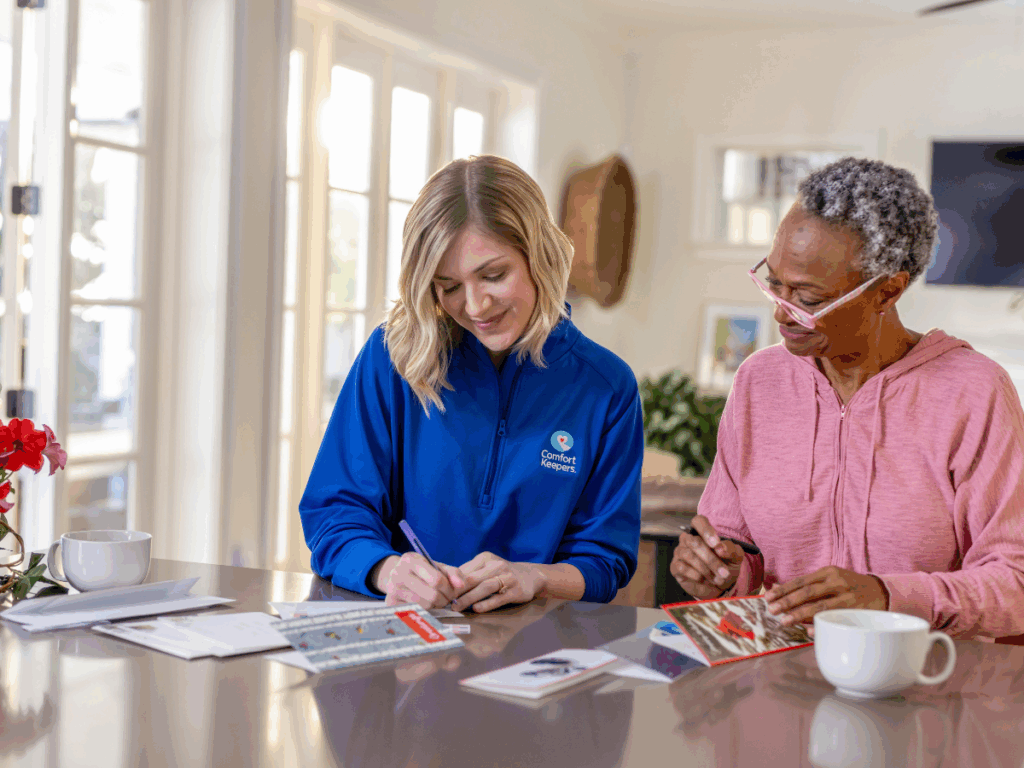
Making it Stick: Tips for Caregivers
As a caregiver, you’re the engine behind these wonderful activities. We understand it’s not always easy, and sometimes seniors may resist. Here are a few tips to help you succeed:
- Start Small and Keep it Fun: Don’t force activities. Introduce them gently. If your loved one seems frustrated or uninterested, try something else or take a break. The goal is enjoyment, not perfection.
- Tailor to Their Interests and Abilities: What did they enjoy throughout their life? A former carpenter might enjoy sorting tools or a simple building kit. A history buff might love documentaries or discussing historical events.
- Adapt as Needed: If a puzzle is too hard, remove some pieces or offer more clues. If reading is difficult, read to them. The key is to meet them where they are.
- Integrate Technology: Devices like the GrandPad are designed specifically for seniors, offering easy access to video calls, games, photos, and music, keeping them connected and entertained.
- Be Patient and Positive: Your encouragement can make all the difference. Celebrate small victories and focus on the shared experience.
When to Seek Professional Guidance
While these at-home activities are incredibly beneficial, it’s important to know when to seek professional advice. If you notice significant or rapid changes in memory, judgment, language, or daily functioning that interfere with independence, it’s time to consult a doctor. They can help determine the cause and recommend appropriate next steps. Resources like the Alzheimer’s Society can also provide valuable information and support.
Sometimes, families need an extra hand to ensure their loved ones receive consistent, engaging care. In-home care services, like those offered by Comfort Keepers Tricities, can provide professional caregivers trained in cognitive engagement techniques, offering both mental stimulation and companionship.
Your Questions Answered: FAQs about Senior Mental Activity
Q: What exactly is “cognitive stimulation?”
A: Cognitive stimulation refers to engaging the brain through various activities designed to exercise different mental functions like memory, problem-solving, language, and attention. It’s like a brain workout to keep it sharp and responsive.
Q: How do I know if an activity is actually “working” or helping?
A: Look for signs of engagement, enjoyment, and sustained attention. You might notice small improvements in memory recall, quicker processing, or simply a brighter mood and increased conversation. Even if there aren’t dramatic cognitive changes, the social and emotional benefits are significant indicators of success.
Q: What if my loved one resists doing activities?
A: Don’t push too hard. Try different types of activities, or frame them as a casual conversation or shared pastime rather than a “brain exercise.” Involve them in choosing the activity. Sometimes, trying at a different time of day when they are more alert can help. Patience and flexibility are key.
Q: Are brain training apps effective for seniors?
A: While apps can be a fun way to engage the mind, research on their long-term effectiveness in preventing cognitive decline is mixed. However, they can certainly help with specific skills like memory or attention in the short term and provide enjoyable mental engagement. Combined with other activities and social interaction, they can be a good part of a holistic approach.
Q: How much time should we spend on these activities each day?
A: There’s no magic number. Even short, consistent bursts of mental activity (15-30 minutes, a few times a day) are beneficial. The goal is regular engagement, not exhausting marathon sessions. Listen to your loved one’s cues and adjust accordingly.
Next Steps: Keep Learning and Connecting
Keeping a senior’s mind active at home is a journey filled with opportunities for connection, joy, and meaningful engagement. By understanding the power of cognitive stimulation and embracing these easy, at-home activities, you can help your loved one maintain their independence, enhance their quality of life, and keep their spirit vibrant.
Ready to make a personalized plan? Check out: How to Choose the Right In-Home Senior Care Agency in Tri-Cities: A Checklist for Families. It is a comprehensive guide to integrating these ideas into daily life. Remember, every little bit of engagement makes a big difference.
The Best, Expert Senior Home Care in Tri-Cities, British Columbia is Comfort Keepers® Coquitlam
At Comfort Keepers®, we provide personalized, compassionate in-home care services for seniors in Tri-Cities of Coquitlam, Port Coquitlam (PoCo), Port Moody, Anmore, and Belcarra, BC.
We proudly support thousands of families each year with home health care services—helping loved ones remain safe, happy, and independent in the homes they love.
Elderly Care at Home: Home is The Best Place to Be
Providing care for an aging parent or loved one can be both fulfilling and incredibly demanding, especially for family members balancing careers and busy households. That’s where we come in.
Comfort Keepers® Tri-Cities offers professional, flexible care solutions that lighten the load for families and give everyone peace of mind—knowing their loved one is in good hands.
We offer a range of services that include companionship care for seniors, personal care services, non-medical homecare and Tri-Cities respite care.
Comfort Keepers® Tri-Cities Can Help with Companion Care and Interactive Caregiving™
At Comfort Keepers® Coquitlam, we believe in more than just meeting physical needs. The team at Comfort Keepers® elevates the human spirit. Trained caregivers build meaningful relationships, bring joy into everyday moments, and provide support that goes beyond routine care.
Our senior homecare caregivers help provide our elderly clients with personal home care to help maintain the highest possible quality of life. Caregivers deliver Interactive Caregiving™, a system of care that addresses safety, nutrition, mind, body, and activities of daily living (ADLs).
Comfort Keepers® Tri-Cities Provides Home Care and a Wide Range of In-Home Care Services for Seniors.
Are you looking for reliable home care in the Tri-Cities of Coquitlam, Port Coquitlam (PoCo), Port Moody, Anmore, and Belcarra?
Learn more about our unique service, which offers personal care, companionship care, palliative and end-of-life care.
Contact the Comfort Keepers® Tri-Cities office today to schedule a free in-home consultation. Let us show you how our care can make a meaningful difference in your loved one’s life.
Understanding the Support Elderly Individuals Need

Elderly individuals often require a combination of practical, emotional, medical, and social support to maintain a high quality of life. The kind of support an elderly person requires can vary, but there are several key areas of need that are commonly recognized.
1. Assistance with Activities of Daily Living (ADLs)
Elderly people may need assistance with personal care tasks. These include:
- Bathing, dressing, and grooming
- Using the toilet
- Eating and meal preparation
- Mobility: Moving around the house comfortably, and safely getting in and out of chairs or bed
Help from caregivers or personalized home care can be instrumental in maintaining a senior’s hygiene, health, and dignity.
2. Medical and Health Care Support
Aging often brings increased health challenges, necessitating regular medical attention and support in areas like:
- Managing medications: This includes reminders and organizing medicines to ensure adherence
- Doctor’s appointments: Assistance with scheduling and transportation
- Chronic disease management: Support for conditions such as diabetes or heart disease
- Skilled nursing care for those needing advanced medical attention
You might wonder about the role of family members in managing these needs. Often, they become key partners in coordinating these tasks.
3. Home Safety and Modifications
Creating a safe and accessible environment is crucial:
- Removing tripping hazards
- Installing grab bars in bathrooms
- Improving lighting
- Providing mobility aids like canes or walkers
These improvements can significantly reduce the risk of falls.
4. Social and Emotional Support
Elderly individuals benefit from strong social connections and emotional backing. Consider:
- Companionship: Regular visits from friends or volunteers
- Social interactions: Engaging in activities through senior centers or local clubs
- Support for mental health: Recognizing signs of depression or cognitive changes
This brings up another point – how can caregivers best support elderly mental health?
5. Financial and Legal Support
Managing finances can become a challenge with age:
- Assistance with managing money
- Navigating benefits: Understanding programs like Old Age Security or pensions
- Legal planning: Preparing a power of attorney or will
Families should take proactive steps to address these aspects.
Key Takeaways and Steps You Can Take
- Assess needs regularly: Understand and evaluate changing circumstances.
- Develop a comprehensive care plan: Involve healthcare professionals and family.
- Leverage resources: Utilize community programs and services designed to aid seniors.
- Uphold respect and independence: Respect seniors’ involvement in their care decisions.
Ultimately, the aim is to provide a multidisciplinary support system that evolves as needs change, enabling seniors to age gracefully and independently. Contact Comfort Keepers Tri-Cities for a list of support services for you or a loved one.
How Loneliness Affects Senior Health: More Than Just Feeling Sad

We often think of health in terms of diet, exercise, and check-ups. We track blood pressure and cholesterol, but we rarely measure connection. Yet, a growing body of research reveals that one of the most significant threats to a senior’s health might not be found in a blood test, but in the silence of an empty home.
You may have noticed a parent or loved one seeming more withdrawn. Perhaps they dismiss it as “just feeling a bit down,” but that feeling, known as loneliness, is far more than just sadness. The World Health Organization (WHO) has highlighted a startling fact: the health impact of chronic loneliness can be equivalent to smoking 15 cigarettes a day.
This isn’t an exaggeration. It’s a serious medical red flag. Understanding why loneliness is such a powerful threat is the first step toward protecting the people we care about.
The Difference Between Being Alone and Being Lonely
Before we dive deeper, it’s crucial to understand a key distinction. The terms “social isolation” and “loneliness” are often used interchangeably, but they mean very different things.
- Social Isolation is an objective state. It’s the physical reality of having few social connections or infrequent contact with others. Someone who lives alone, has lost a spouse, or can no longer drive may be socially isolated.
- Loneliness is a subjective feeling. It’s the emotional pain of feeling disconnected, misunderstood, or that you lack meaningful relationships, regardless of how many people are around you.
An introverted senior might be socially isolated but feel perfectly content. Conversely, someone living in a busy household or retirement community can feel intensely lonely if their connections lack depth and meaning. This distinction is vital because it shows that simply filling a room with people isn’t the cure. The solution lies in fostering genuine, quality connection.
The Hidden Health Crisis: How Loneliness Physically Harms the Body
So how does a feeling – loneliness – cause tangible, physical harm? It happens through a cascade of biological responses that quietly wear the body down over time. Think of it as a silent alarm that never turns off.
#1. The Constant ‘Alarm Bell’: Chronic Stress and Inflammation
For our ancestors, the stress response (“fight or flight”) was a survival tool for escaping immediate physical danger. For a lonely senior, that same biological alarm can be triggered by the chronic threat of isolation.
This sustained stress floods the body with the hormone cortisol. While useful in short bursts, high cortisol levels over months or years lead to chronic inflammation. Researchers now link this inflammation to a host of age-related diseases. According to the CDC, prolonged loneliness significantly increases a person’s risk of:
- Heart disease by 29%
- Stroke by 32%
- Type 2 diabetes, arthritis, and other inflammatory conditions
#2. A Weakened Defence System
That same chronic stress response also weakens the immune system. The body becomes less effective at fighting off viruses and infections, which is why a lonely senior might seem to catch every cold that goes around or take longer to recover from illness.
#3. Impact on the Brain
The brain is not immune to the effects of isolation. Studies from the National Institute on Aging (NIA) show a compelling link between loneliness and cognitive decline. Socially isolated seniors have a 50% increased risk of developing dementia. Meaningful social engagement acts as a workout for the brain, while loneliness allows those cognitive “muscles” to atrophy. For those already facing memory challenges, isolation can accelerate the progression of conditions like Alzheimer’s, making specialized dementia care that includes social engagement even more critical.
#4. A Vicious Cycle of Behaviour
Loneliness changes behavior in ways that worsen health. A person feeling disconnected may think, “What’s the point of cooking a healthy meal for one?” This can lead to poor nutrition and unintended weight loss. They may sleep poorly, avoid exercise, and be less likely to manage their medications properly. This creates a downward spiral where loneliness and poor physical health feed each other. Ensuring proper senior nutrition and encouraging light activity are key interventions.
Common Myths About Loneliness in Seniors (and Why They’re Wrong)
Understanding the issue also means unlearning a few common misconceptions that can prevent us from seeing the problem clearly.
Myth 1: “It’s just a normal part of getting older.”
While life changes like retirement, loss of a spouse, and decreased mobility are more common in later life, loneliness is not a normal or acceptable part of aging. It is a treatable condition with serious consequences.
Myth 2: “My parent has family and visitors, so they can’t be lonely.”
As we’ve seen, loneliness is about the quality, not the quantity, of relationships. A senior can be surrounded by caring family but feel lonely if they believe they are a burden or if the conversations remain superficial.
Myth 3: “They say they’re fine, so I shouldn’t push it.”
Many older adults grew up in generations where discussing feelings was discouraged. Admitting to loneliness can feel like a sign of weakness or a complaint. They may say “I’m fine” to avoid worrying you, even when they are struggling internally.

A Practical Toolkit for Fostering Connection
Addressing loneliness doesn’t require a grand gesture. It starts with small, consistent actions that rebuild a sense of belonging and purpose. The goal isn’t just to fill time, but to provide meaningful companionship care that nourishes the spirit.
#1. Start with an Empathetic Conversation
Instead of asking “Are you lonely?” (which can feel accusatory), try open-ended questions:
- “I’ve been thinking about you. How have you been feeling lately?”
- “It seems like things have been quiet around here. What’s been on your mind?”
- “I miss hearing about [a hobby they used to enjoy]. Have you had any time for that?”
#2. Reconnect with a Sense of Purpose
Loneliness often stems from a feeling of no longer being needed. Help your loved one find purpose by:
- Asking for their advice: Tap into their lifetime of experience.
- Giving them a role: A simple task like folding laundry or helping with a recipe can restore a sense of contribution.
- Exploring volunteer opportunities: Many organizations need volunteers who can help from home, like making phone calls or knitting blankets.
#3. Focus on Quality Activities
It’s not about being busy; it’s about being engaged.
- Share an experience: Instead of just sitting together watching TV, try listening to their favorite music, looking through old photo albums, or working on a puzzle together.
- Get outside: Even a short walk or sitting on a park bench can do wonders for mental and physical health.
- Schedule “do-nothing” time: Just being present without an agenda can be the most powerful form of connection.
Frequently Asked Questions (FAQ)
Q: Can loneliness really be as bad for your health as smoking?
A: Yes. Major health bodies like the WHO and CDC have confirmed this based on large-scale studies. The chronic stress, inflammation, and behavioral changes caused by loneliness create a level of physiological damage comparable to that from smoking 15 cigarettes daily.
Q: How do I help an introverted senior who genuinely prefers being alone?
A: Respect their nature. The goal isn’t to turn an introvert into an extrovert. For them, one or two deep, meaningful connections are far more valuable than a large social group. Focus on quality, one-on-one time. A weekly phone call or a quiet visit can be enough to stave off loneliness without feeling overwhelming.
Q: What are the most common risk factors for social isolation?
A: Key risk factors include living alone, the recent loss of a spouse or close friends, hearing or vision loss that makes communication difficult, and lack of access to transportation.
Q: What if my loved one needs more help than I can provide?
A: Recognizing you can’t do it all is a sign of strength, not failure. Juggling your own responsibilities with caregiving is incredibly challenging. Professional in-home care can provide a crucial support system, offering everything from companionship to help with daily tasks. If you’re unsure where to start, a free in-home consultation with Comfort Keepers Tri-Cities can help you understand the options available.
Connection is the Best Medicine
Protecting the health of the seniors we love goes beyond medicine and physical safety. It requires tending to their emotional and social well-being with the same urgency.
Loneliness is not a personal failing or an irreversible part of aging; it is a treatable health condition. By understanding its profound impact and taking small, consistent steps to foster connection, you can give your loved one the most powerful medicine of all: the knowledge that they are not alone.
The Best, Expert Senior Home Care in Tri-Cities, British Columbia is Comfort Keepers® Coquitlam
At Comfort Keepers®, we provide personalized, compassionate in-home care services for seniors in Tri-Cities of Coquitlam, Port Coquitlam (PoCo), Port Moody, Anmore, and Belcarra, BC.
We proudly support thousands of families each year with home health care services—helping loved ones remain safe, happy, and independent in the homes they love.
Elderly Care at Home: Home is The Best Place to Be
Providing care for an aging parent or loved one can be both fulfilling and incredibly demanding, especially for family members balancing careers and busy households. That’s where we come in.
Comfort Keepers® Tri-Cities offers professional, flexible care solutions that lighten the load for families and give everyone peace of mind—knowing their loved one is in good hands.
We offer a range of services that include companionship care for seniors, personal care services, non-medical homecare and Tri-Cities respite care.
Comfort Keepers® Tri-Cities Can Help with Companion Care and Interactive Caregiving™
At Comfort Keepers® Coquitlam, we believe in more than just meeting physical needs. The team at Comfort Keepers® elevates the human spirit. Trained caregivers build meaningful relationships, bring joy into everyday moments, and provide support that goes beyond routine care.
Our senior homecare caregivers help provide our elderly clients with personal home care to help maintain the highest possible quality of life. Caregivers deliver Interactive Caregiving™, a system of care that addresses safety, nutrition, mind, body, and activities of daily living (ADLs).
Comfort Keepers® Tri-Cities Provides Home Care and a Wide Range of In-Home Care Services for Seniors.
Are you looking for reliable home care in the Tri-Cities of Coquitlam, Port Coquitlam (PoCo), Port Moody, Anmore, and Belcarra?
Learn more about our unique service, which offers personal care, companionship care, palliative and end-of-life care.
Contact the Comfort Keepers® Tri-Cities office today to schedule a free in-home consultation. Let us show you how our care can make a meaningful difference in your loved one’s life.
More Than a Companion: The Science of Thriving at Home with Interactive Caregiving™
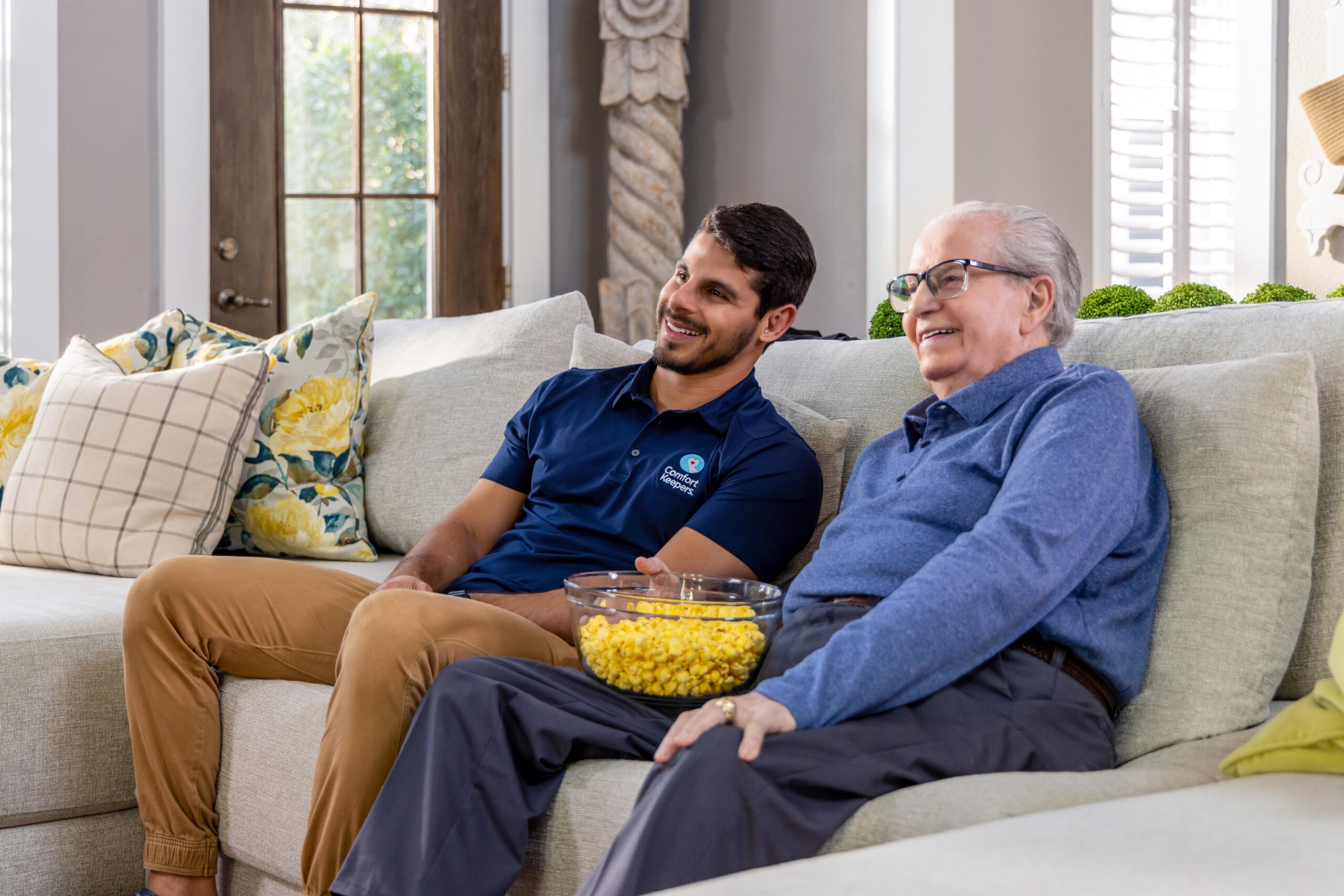
When you begin searching for in-home care in the Tri-Cities, the options can feel overwhelming and, frankly, a little cold. Most services talk about tasks: meal prep, light housekeeping, and medication reminders. But you’re not just looking for a task-doer. You need a solution that ensures your parent or loved one is not just safe, but truly living – engaged, happy, and connected.
You’re looking for more than companionship. You’re looking for a way to mitigate the fear of isolation and feel confident that your loved one is thriving, even when you can’t be there. This is precisely why we moved beyond the traditional model of care.
At Comfort Keepers Tri-Cities, our approach is built on a philosophy we call Interactive Caregiving™. It’s not just a marketing term; it’s a medically-informed methodology designed to elevate the human spirit. It’s the difference between watching life go by and actively participating in it.
Why Engagement Matters: The Undeniable Link Between Social Activity and Cognitive Health
Before we explain how our philosophy works, it’s important to understand why it’s so critical. The desire to age at home is nearly universal – a staggering 90% of seniors want to remain in their own homes as they get older. But staying at home can lead to isolation, which poses a significant risk to both mental and physical health.
This isn’t just an emotional concern; it’s a scientific reality. Groundbreaking research has established a direct link between social engagement and brain health. A study published by the National Institutes of Health (PMC/NCBI) found that seniors with rich social networks demonstrate consistently better cognitive health. This effect was even stronger than that of simply participating in scheduled activities.
It’s not just about keeping busy; it’s about meaningful connection. This is the evidence-based foundation of Interactive Caregiving™ – an approach designed to foster the very interactions that protect and enhance cognitive function.
Scientific research shows strong social connections correlate with better cognitive health – core to our Interactive Caregiving™ approach.
What is Interactive Caregiving™? Our Philosophy of ‘Doing With, Not For’
At its core, Interactive Caregiving™ transforms routine care into opportunities for connection and engagement. Instead of a caregiver performing tasks for a senior, they work with them, turning daily activities into moments that stimulate the mind, body, and spirit.
Think of it this way:
- Traditional Care: A caregiver prepares lunch and serves it while the senior waits in another room.
- Interactive Caregiving™: The caregiver and senior review recipes together, wash vegetables side-by-side, and chat at the kitchen table while eating.
This simple shift changes everything. The senior isn’t a passive recipient of care; they are an active participant in their own life. This fosters a sense of purpose, maintains dignity, and provides the mental, physical, and social stimulation proven to enhance quality of life. This philosophy is woven into all our services, from specialized dementia care to companion support.
The Four Pillars in Action: Personalized Activities for Mind, Body, and Spirit
Interactive Caregiving™ is a holistic framework that focuses on four key pillars to ensure well-rounded well-being. But we recognize that “engagement” looks different for everyone. A key part of our process is assessing a senior’s cognitive and physical abilities to create a plan that is both safe and enriching.
Here’s how we adapt activities across our four pillars for different mobility levels:
1. An Engaged Mind
Mental stimulation helps keep the mind sharp and provides a sense of accomplishment. We focus on activities to stimulate the mind and body that are enjoyable, not stressful.
- Active & Mobile: Working on a challenging jigsaw puzzle, visiting the Coquitlam Public Library, or learning to use a senior-friendly tablet like the GrandPad.
- Limited Mobility: Playing cards or board games, organizing old family photos into an album and sharing stories, or reading the newspaper aloud together.
- Bedridden/Chair-Bound: Listening to an audiobook or podcast, doing a crossword puzzle together, or simply having a thoughtful conversation about current events.
2. An Active Body
Physical activity, tailored to ability, is crucial for maintaining strength, balance, and mood.
- Active & Mobile: Taking a walk through Town Centre Park, light gardening, or attending a gentle fitness class at a local community centre in Port Coquitlam.
- Limited Mobility: Doing chair exercises, stretching to music, or folding laundry together.
- Bedridden/Chair-Bound: Performing gentle, passive range-of-motion exercises with caregiver assistance to improve circulation and prevent stiffness.
3. Proper Nutrition
A healthy diet is foundational to senior health. Our Nourish Senior Life® Program focuses on collaboration in the kitchen.
- Active & Mobile: Planning a weekly menu, grocery shopping together at a local market in Maple Ridge, and cooking a favorite meal from scratch.
- Limited Mobility: Washing vegetables, measuring ingredients, or setting the table while the caregiver handles more physically demanding tasks.
- Bedridden/Chair-Bound: Discussing food preferences and creating a shopping list, ensuring meals are not only nutritious but also something to look forward to.
4. A Safe and Secure Environment
Safety is paramount, but it can also be an opportunity for empowerment.
- Active & Mobile: Working together to identify and clear potential tripping hazards like clutter or loose rugs.
- Limited Mobility: Checking smoke detector batteries and ensuring emergency contact numbers are clearly visible and up-to-date.
- Bedridden/Chair-Bound: Ensuring the call bell is always within reach and that the bedside environment is organized for easy access to water, tissues, and the phone.
Your Questions, Answered
Evaluating care options involves tough questions. Here are some honest answers about how Interactive Caregiving™ works in practice.
Q1. How is this really different from regular companion care?
While standard companion care focuses on completing a checklist of tasks, Interactive Caregiving™ focuses on the person. The goal isn’t just to make lunch; it’s to share the experience of making lunch. This approach builds genuine relationships and actively works to improve a senior’s cognitive and emotional state, which is a key factor in preventing senior isolation. It’s the difference between maintenance and enrichment.
Q2. Does Interactive Caregiving™ work for seniors with dementia?
Absolutely. In fact, it’s especially beneficial. For an individual with Alzheimer’s or dementia, a structured routine and gentle engagement can reduce anxiety, slow cognitive decline, and provide comfort. Our caregivers are specially trained to adapt activities to the senior’s cognitive level, focusing on familiar tasks, music therapy, and simple sensory activities that provide reassurance and connection.
Q3. Can you show me what a weekly plan looks like?
Of course. Every plan is customized during our in-home consultation, but this sample gives you an idea of how we blend different activities throughout the week to support a holistic vision of health.
Our personalized weekly activity roadmap shows how Interactive Caregiving™ adapts to meet seniors’ unique needs, helping families feel confident in comprehensive care.
Meet Our Caregivers: Trained in a Philosophy, Not Just a Task List
The heart of Comfort Keepers Tricities is our caregivers. We hire for empathy and compassion, but we train for expertise. Every caregiver in our Coquitlam, PoCo, and Port Moody team is thoroughly educated in the Interactive Caregiving™ philosophy. They understand they are there not just to provide personal care, but to make a positive impact on someone’s day. They are mentors, partners, and companions dedicated to elevating the human spirit.

Discover the Difference for Your Family
Choosing in-home care is a significant decision. You need a partner you can trust – one who offers a solution that is not only reliable and safe but also deeply enriching. Interactive Caregiving™ is our commitment to providing that higher standard of care for families in our community.
If you’re ready to see how a personalized, engagement-focused approach can make a difference for your loved one, let’s talk. Schedule a free, no-obligation in-home consultation today. We’ll listen to your needs and help you build a care plan that brings more joy, purpose, and connection into your family’s life.
The Best, Expert Senior Home Care in Tri-Cities, British Columbia is Comfort Keepers® Coquitlam
At Comfort Keepers®, we provide personalized, compassionate in-home care services for seniors in Tri-Cities of Coquitlam, Port Coquitlam (PoCo), Port Moody, Anmore, and Belcarra, BC.
We proudly support thousands of families each year with home health care services—helping loved ones remain safe, happy, and independent in the homes they love.
Elderly Care at Home: Home is The Best Place to Be
Providing care for an aging parent or loved one can be both fulfilling and incredibly demanding, especially for family members balancing careers and busy households. That’s where we come in.
Comfort Keepers® Tri-Cities offers professional, flexible care solutions that lighten the load for families and give everyone peace of mind—knowing their loved one is in good hands.
We offer a range of services that include companionship care for seniors, personal care services, non-medical homecare and Tri-Cities respite care.
Comfort Keepers® Tri-Cities Can Help with Companion Care and Interactive Caregiving™
At Comfort Keepers® Coquitlam, we believe in more than just meeting physical needs. The team at Comfort Keepers® elevates the human spirit. Trained caregivers build meaningful relationships, bring joy into everyday moments, and provide support that goes beyond routine care.
Our senior homecare caregivers help provide our elderly clients with personal home care to help maintain the highest possible quality of life. Caregivers deliver Interactive Caregiving™, a system of care that addresses safety, nutrition, mind, body, and activities of daily living (ADLs).
Comfort Keepers® Tri-Cities Provides Home Care and a Wide Range of In-Home Care Services for Seniors.
Are you looking for reliable home care in the Tri-Cities of Coquitlam, Port Coquitlam (PoCo), Port Moody, Anmore, and Belcarra?
Learn more about our unique service, which offers personal care, companionship care, palliative and end-of-life care.
Contact the Comfort Keepers® Tri-Cities office today to schedule a free in-home consultation. Let us show you how our care can make a meaningful difference in your loved one’s life.
That Gut Feeling: 7 Subtle Signs Your Elderly Parent Might Need More Help at Home

It’s rarely a single, dramatic event. More often, it’s a quiet feeling that settles in over time. It’s the brief hesitation you notice in your dad’s voice on the phone, the slightly-too-old milk you find in your mom’s fridge during a visit, or a new pile of unopened mail on the counter.
You might brush it off at first. “Everyone gets a little forgetful,” you tell yourself. But the feeling persists. This is the experience for countless adult children who begin to sense a shift in their parents’ well-being. Your intuition is powerful, and it’s telling you to pay closer attention. This guide is here to help you understand what you might be seeing, separating normal aging from the subtle signs that more support may be needed.
Normal Aging vs. Gentle Warnings: Understanding the Difference
Growing older brings inevitable changes. It’s normal for your parent to take a bit longer to recall a name, to prefer a quiet night in over a loud party, or to have a few more aches and pains. These are typically gradual adjustments.
The warning signs we’re exploring here are different. They often appear as a pattern of small, uncharacteristic changes that disrupt daily life. It’s the difference between occasionally misplacing car keys and repeatedly forgetting what the keys are for. The key is to look for a cluster of changes that suggest a new struggle with everyday tasks.
The 7 Subtle Signs an Elderly Parent Needs Help at Home
Let’s explore the quiet indicators that often go unnoticed. For each one, we’ll look at what it is, what it could mean, and how you can observe it with compassion.
1. The Quietly Changing Kitchen
What it looks like: You notice multiple containers of the same food item, like four jars of mustard. You find food well past its expiration date. The fridge is either nearly empty or packed with spoiling leftovers. Your parent may have unexplained weight loss or gain, or they might be eating the same simple meal (like toast and tea) every day.
What it could mean: This isn’t just about being a “picky eater.” It can signal a range of issues:
- Physical Fatigue: Grocery shopping and cooking can become exhausting.
- Cognitive Decline: They may forget what they already have, how to cook a familiar recipe, or even that they haven’t eaten.
- Loss of Smell/Taste: This common age-related change can make food unappealing, leading to poor nutrition.
- Depression: A lack of motivation can directly impact the energy needed to prepare healthy meals.
Observation Tip: Instead of asking, “Are you eating okay?” try a more collaborative approach. Say, “I was thinking of trying a new recipe this week, would you like to make it with me?” or “Let’s go through the fridge together and make a grocery list.” This turns an interrogation into a shared activity.
2. Shifts in Personal Care and Appearance
What it looks like: Your parent, who was always so put-together, is now wearing stained clothes or the same outfit for several days. You notice changes in personal hygiene, like unkempt hair, body odour, or neglected dental care. Laundry is piling up, and the home isn’t as tidy as it used to be.
What it could mean: This is rarely about “letting themselves go.” It often points to a deeper challenge.
- Mobility Issues: Difficulty getting in and out of the shower or fear of falling can lead to avoidance.
- Depression or Apathy: A decline in mental health can sap the energy and desire for self-care.
- Cognitive Difficulties: They may lose track of when they last bathed or forget the steps involved in doing laundry.
Observation Tip: Look for the “why.” If laundry is piling up, is it because the machine is in a difficult-to-reach basement? If hygiene is slipping, is it related to a fear of the bathroom? Understanding the root cause is crucial before seeking solutions like personal care support.
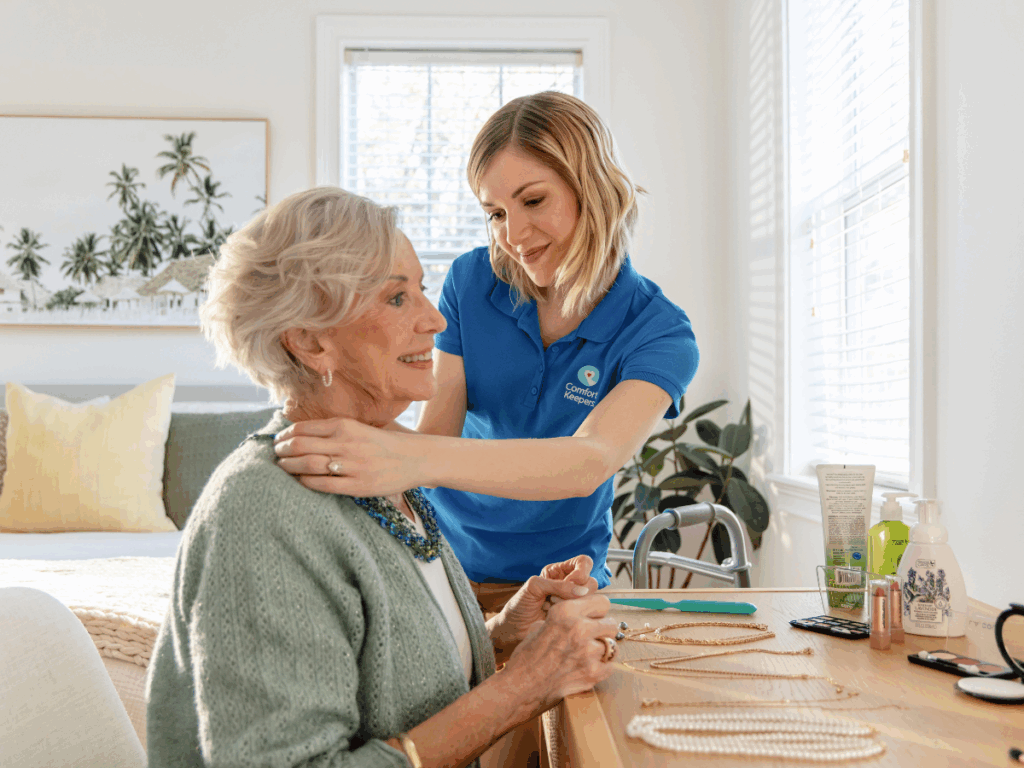
3. A New Hesitation in Their Step
What it looks like: You see small, unexplained bruises on their arms or legs. They seem to “furniture-walk,” using walls and furniture for support as they move around the house. They are newly hesitant to use stairs or walk on uneven ground.
What it could mean: While a fall is a major event, the fear of falling is a powerful and subtle predecessor.
- Muscle Weakness or Balance Issues: Age-related changes can make them feel unsteady on their feet.
- Vision Problems: Difficulty with depth perception can make navigating their own home a challenge.
- Medication Side Effects: Dizziness is a common side effect of many prescriptions.
Observation Tip: Pay attention to their footwear. Are they wearing old, unsupportive slippers? Watch how they get up from a chair. Do they need to push off with significant effort? These small details can reveal a lot about their mobility and safety.
4. The Muddled Calendar and Missed Dates
What it looks like: Your parent starts missing important appointments, like doctor’s visits or long-standing social engagements. They seem confused about the day of the week or the time of day. You might hear them repeat stories or ask the same questions within a short period.
What it could mean: This goes beyond simple forgetfulness. It can be an early indicator of cognitive challenges.
- Mild Cognitive Impairment (MCI): An intermediate stage between normal age-related cognitive decline and more serious dementia.
- Early-Stage Dementia: Difficulty with short-term memory and executive function (planning and organizing) are hallmark signs.
- Overwhelm: They may simply have too much to manage, and their system for tracking things is no longer working.
Observation Tip: Look at the calendar on their wall. Is it up to date? Check the prescription bottles. Are the pills being taken on schedule? These are tangible clues that can help you understand if they are struggling to manage their schedule. For families navigating these challenges, specialized dementia and Alzheimer’s care can provide essential support.
5. A Fading Interest in Joy
What it looks like: Hobbies that once brought joy – gardening, book club, weekly card games – are now abandoned. Your parent withdraws socially, making excuses to avoid seeing friends or family. There’s a general sense of flatness or apathy that wasn’t there before.
What it could mean: Social withdrawal is a significant red flag that should never be dismissed as just “slowing down.”
- Depression: This is one of the most common causes and is highly treatable.
- Hearing or Vision Loss: Social situations can become frustrating and isolating if they can’t follow the conversation or see faces clearly.
- Insecurity or Fear: They may be afraid of “slowing others down” or embarrassed by a new physical or cognitive limitation.
Observation Tip: Ask about their friends. A question like, “I haven’t heard you mention Carol lately, how is she doing?” can open the door to a conversation about why they aren’t connecting anymore. Sometimes, all that’s needed is a little encouragement and support, which is the heart of companionship services.
6. The Overlooked Mail and Finances
What it looks like: You find a stack of unopened mail, including bills or important letters. You see late payment notices or calls from creditors. Your parent may seem unusually secretive or stressed about money, or they might fall for a scam or make uncharacteristically poor financial decisions.
What it could mean: Managing finances requires a high level of executive function, which can be one of the first cognitive skills to decline.
- Cognitive Strain: The multi-step process of opening mail, understanding bills, writing cheques, and mailing them can become overwhelming.
- Vision Problems: They may simply be unable to read the fine print on bills and statements.
- Denial: They may be aware they are struggling but are too proud or afraid to ask for help.
Observation Tip: Offer to help in a low-pressure way. “Mom, tax season is coming up. Can I help you get your papers organized?” This frames it as a shared, normal task rather than an accusation of incompetence.
7. A Change in Their Familiar Mood
What it looks like: Your easy-going dad is now consistently irritable or angry. Your cheerful mom seems anxious or fearful for no clear reason. You notice a personality change that feels out of character and persistent.
What it could mean: Abrupt and lasting mood changes are often tied to underlying issues.
- Chronic Pain: Living with constant discomfort can understandably lead to irritability.
- Fear and Anxiety: Worrying about their health, safety, or independence can manifest as a changed disposition.
- Cognitive Changes: Some forms of dementia can present first as personality or mood shifts.
Observation Tip: Try to connect the mood change to specific situations. Do they get more irritable when it’s time to leave the house? More anxious at night? Identifying triggers can provide valuable clues to the root cause.
From Observation to Conversation: A Compassionate Roadmap
Noticing these signs is the first step. The next – talking about it – can feel like the hardest. It’s a delicate conversation that requires empathy, patience, and a plan. The goal isn’t to take over, but to open a dialogue about how they can continue living safely and happily.
Start by ruling out any treatable medical causes with their doctor. A urinary tract infection (UTI), for example, can cause sudden confusion in seniors. Once medical issues are addressed, you can approach the conversation with more clarity. A helpful framework is the “40-70 Rule,” a proactive concept suggesting that adult children around age 40 should start having gentle, forward-looking conversations with their parents, who are often around age 70, about their wishes for the future—long before a crisis hits.
What Comes Next? Building a Support System
One of the biggest misconceptions is that “needing help” means an immediate, total loss of independence. This is simply not true. Support exists on a wide spectrum, from simple services that make life easier to more comprehensive care. The goal is to add just the right amount of support to maintain independence, not take it away.
Help might look like:
- A meal delivery service to ensure good nutrition.
- Hiring a housekeeper for heavy cleaning.
- Arranging for a companion to visit a few times a week for social engagement and errands.
- Implementing an in-home care plan that assists with daily activities while fostering engagement through an Interactive Caregiving™ approach.
The first step is understanding what is truly needed. A free in-home consultation can be an invaluable, no-pressure way to have an expert assess the situation and discuss options that respect your parent’s dignity and goals.
Frequently Asked Questions
Q1. How do I start the conversation without making them feel attacked?
A: Use “I” statements and focus on your feelings and observations. Instead of “You’re not eating right,” try “I worry when I think about you having to do all the grocery shopping and cooking alone. I was wondering if we could find a way to make it easier.”
Q2. What if my parent completely refuses help?
A: This is very common. The key is patience. Start small. Suggest a solution to a single, specific problem rather than a total overhaul. Sometimes, it takes multiple conversations. If you’re concerned about their immediate safety, it may be time to consult a geriatric care manager or their doctor for guidance.
Q3. Does needing help automatically mean they have to leave their home?
A: Absolutely not. The vast majority of seniors want to age in place, and a primary goal of in-home care is to make that possible. With the right support system, from companionship to personal care, seniors can continue to live safe, happy, and independent lives in the comfort of their own homes. Exploring our services at Comfort Keepers Tricities can show you the wide range of options available.
Comfort Keepers Tri-Cities Can Help with Signs an Elderly Parent Needs Help at Home
If you have that gut feeling, don’t ignore it. Trust your instincts. The journey begins not with a confrontation, but with compassionate observation and a desire to understand. By noticing these subtle signs, you are taking the first and most important step in ensuring your parent has the support they need to thrive.
The Best, Expert Senior Home Care in Tri-Cities, British Columbia is Comfort Keepers® Coquitlam
At Comfort Keepers®, we provide personalized, compassionate in-home care services for seniors in Tri-Cities of Coquitlam, Port Coquitlam (PoCo), Port Moody, Anmore, and Belcarra, BC.
We proudly support thousands of families each year with home health care services—helping loved ones remain safe, happy, and independent in the homes they love.
Elderly Care at Home: Home is The Best Place to Be
Providing care for an aging parent or loved one can be both fulfilling and incredibly demanding, especially for family members balancing careers and busy households. That’s where we come in.
Comfort Keepers® Tri-Cities offers professional, flexible care solutions that lighten the load for families and give everyone peace of mind—knowing their loved one is in good hands.
We offer a range of services that include companionship care for seniors, personal care services, non-medical homecare and Tri-Cities respite care.
Comfort Keepers® Tri-Cities Can Help with Companion Care and Interactive Caregiving™
At Comfort Keepers® Coquitlam, we believe in more than just meeting physical needs. The team at Comfort Keepers® elevates the human spirit. Trained caregivers build meaningful relationships, bring joy into everyday moments, and provide support that goes beyond routine care.
Our senior homecare caregivers help provide our elderly clients with personal home care to help maintain the highest possible quality of life. Caregivers deliver Interactive Caregiving™, a system of care that addresses safety, nutrition, mind, body, and activities of daily living (ADLs).
Comfort Keepers® Tri-Cities Provides Home Care and a Wide Range of In-Home Care Services for Seniors.
Are you looking for reliable home care in the Tri-Cities of Coquitlam, Port Coquitlam (PoCo), Port Moody, Anmore, and Belcarra?
Learn more about our unique service, which offers personal care, companionship care, palliative and end-of-life care.
Contact the Comfort Keepers® Coquitlam office today to schedule a free in-home consultation. Let us show you how our care can make a meaningful difference in your loved one’s life.