

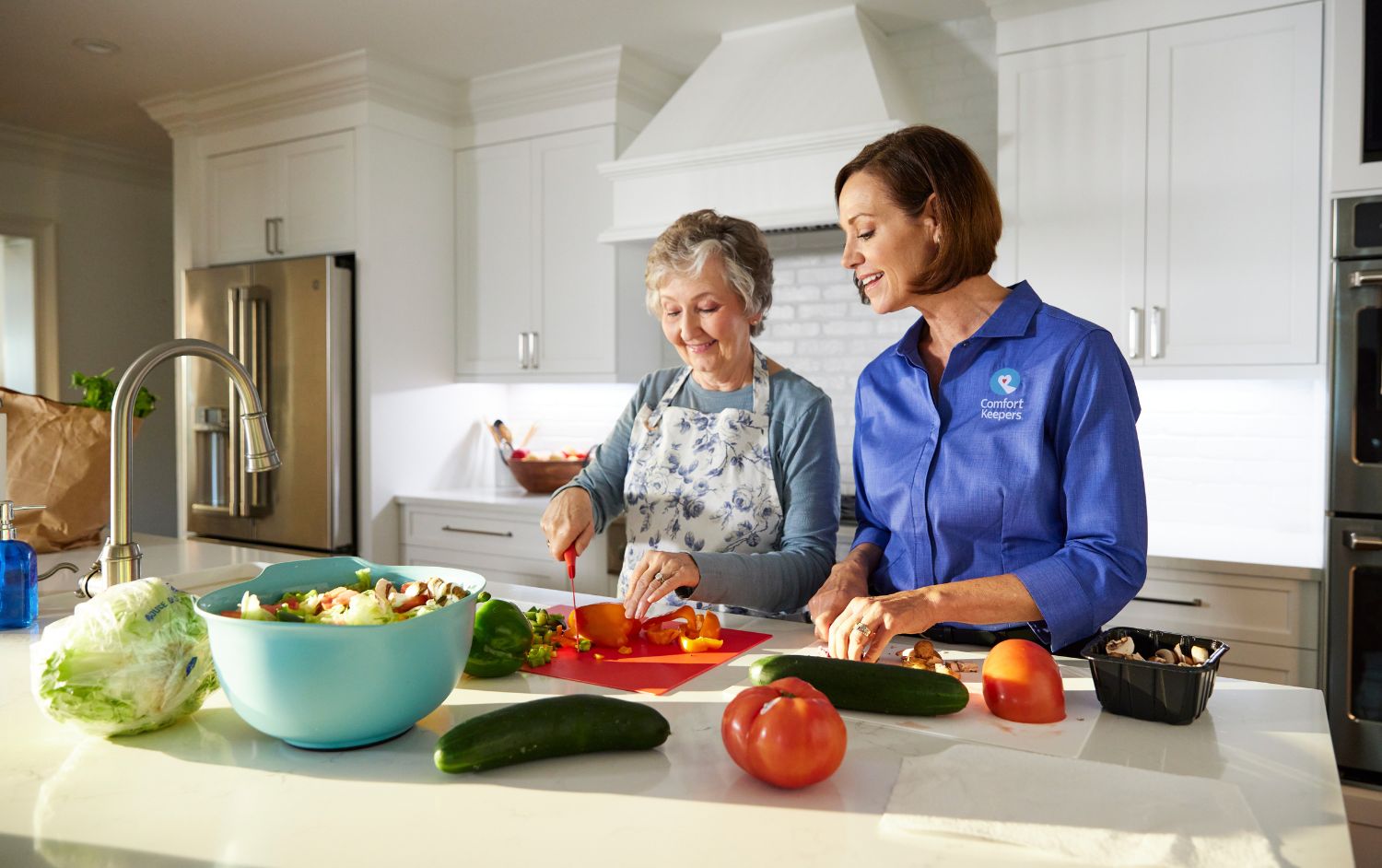

What are the benefits of professional home care vs. family caregiving for chronic conditions?
Senior In-Home Care | December 22, 2025
When managing chronic conditions, families often weigh the advantages of professional home care against those of relying solely on family caregiving.
Both approaches offer unique strengths, but the comprehensive, skilled, and coordinated support provided by professional caregivers can significantly enhance the safety, effectiveness, and sustainability of care – especially for complex, long-term health needs.
Key Benefits of Professional Home Care for Chronic Conditions
1. Clinical Expertise and Medical Support
- Advanced interventions: Professionals can monitor chronic conditions closely, recognize early signs of complications, and intervene promptly, reducing hospitalizations and emergency room visits.
2. Consistent and Structured Care
- Personalized care plans: Care is tailored to the individual’s diagnosis, lifestyle, and preferences, ensuring that medication, nutrition, and therapies align with medical requirements and patient goals.
- Reliability: Professional agencies can schedule regular, even 24/7, coverage, preventing lapses due to family emergencies or burnout.
3. Access to Multidisciplinary Services
- Therapies at home: Physical, occupational, and speech therapy can be integrated into home care, supporting rehabilitation and functional independence without requiring clinic visits.
- Comprehensive care: Professionals can coordinate with primary care providers, specialists, and community resources for holistic management.
4. Reduced Caregiver Burden and Family Stress
- Prevention of burnout: Professional care provides respite for families, reducing emotional and physical strain and helping prevent errors due to exhaustion or inexperience.
- Division of labour: Families can stay involved in supportive and emotional roles while delegating intensive medical or physical care to professionals.
5. Enhanced Patient Safety and Quality of Life
- Home environment: Patients remain in familiar settings, which reduces stress, supports emotional well-being, and preserves dignity and comfort.
- Improved health outcomes: Studies show professional home care leads to better management of conditions like diabetes, heart failure, COPD, and dementia, often resulting in fewer hospitalizations, better treatment adherence, and higher satisfaction.
6. Cost Efficiency (Under Certain Conditions)
- Flexible service levels: Families can adjust service intensity to fit needs and budgets—from a few hours a week to full-time care.
Family Caregiving: Key Strengths and Limitations
Strengths:
- Emotional closeness: Family caregivers offer intimacy, trust, and familiarity, which can be comforting and motivating for patients.
- Low direct cost: In many cases, family caregiving can save money on professional fees, especially if care needs are basic or part-time.
Challenges:
- Risk of burnout: Family caregivers often face significant time demands, emotional stress, and risk of physical exhaustion, which can compromise both their health and the patient’s care quality.
- Limited medical expertise: Family members generally lack training in managing complex conditions, medical emergencies, or intricate medication regimens, leading to increased risks of errors or missed complications.
- Inconsistency: Other life responsibilities may interfere with regular care, resulting in gaps or uneven support.
Comparative Table: Professional Home Care vs. Family Caregiving
| Aspect | Professional Home Care | Family Caregiving |
|---|---|---|
| Medical Expertise | Skilled professionals, can handle complex care | Generally limited to basic care or advice |
| Scope of Services | Medical, therapeutic, personal care, medication, emotional support | Personal support, companionship, basic ADLs |
| Consistency & Reliability | Scheduled/24/7 coverage, reduces lapses | Dependent on family’s availability |
| Impact on Family | Reduces family stress and burnout | High stress and burnout risk |
| Personal Touch | Professional, but can build rapport over time | High emotional closeness and familiarity |
| Cost | Service fees (may be offset by insurance) | Generally free (but can result in lost wages/time) |
| Patient Independence | Maximizes safety and function at home | Dependent on family’s skill/stamina |
Expert Insights and Evidence
- Professional home care has demonstrated improved patient outcomes, reduced hospitalizations, and higher satisfaction rates compared to untrained family caregiving, especially for complex needs.
- Combining both approaches is often ideal: Professional care can address clinical and technical needs while families maintain emotional bonds and support, creating a balanced, sustainable model of chronic disease management.
Actionable Guidance
- Assess care needs: For those with advanced medical needs, regular medication, or risk of sudden health changes, professional home care is generally the safer and more effective option.
- Blend services: Family involvement can be combined with professional support to optimize comfort, safety, and emotional well-being.
- Plan for flexibility: As chronic conditions progress, scheduled reviews and adjustments by professionals can keep care plans up to date and effective.
Professional home care delivers specialized, coordinated, and reliable support that goes far beyond what family caregiving alone can provide, particularly for chronic conditions requiring ongoing medical management and oversight.
Individualized Home Care Options
Long-Term Home Care, 24 Hour Home Care & Short Term Care Options Customized for You