

Seasonal Affective Disorder Prevention for Seniors in Victoria BC
Senior Health and Wellbeing | January 26, 2026
Victoria’s mild winters fool a lot of people into thinking Seasonal Affective Disorder isn’t a concern here. But those weeks of grey, overcast skies – day after day without real sunshine – create exactly the conditions that trigger SAD, and seniors face higher risk than most.
This guide covers how to recognize SAD symptoms in older adults, practical prevention strategies that work in Victoria’s unique climate, and local resources available when extra support is needed.
What is Seasonal Affective Disorder
Seniors in Victoria can reduce their risk of Seasonal Affective Disorder by maximizing daylight exposure through daily walks and sitting near windows, staying socially connected through community groups and family, maintaining consistent routines for sleep and meals, and talking with a doctor about light therapy or local support programs like CMHA Victoria. SAD is more than just feeling down during grey weather – it’s a recognized form of depression that follows a seasonal pattern, typically starting in late fall and lifting in spring.
The condition comes down to how reduced sunlight affects brain chemistry. When daylight hours shrink, the brain produces less serotonin, a chemical that regulates mood. At the same time, melatonin production increases, which can leave people feeling sluggish and tired even during waking hours. For seniors, these shifts can be particularly disruptive because they often compound other age-related changes.
Many older adults dismiss SAD symptoms as normal winter sluggishness or simply “getting older.” That’s a problem, because SAD responds well to treatment when caught early. Recognizing the difference between occasional low energy and a persistent pattern of seasonal depression helps families know when to take action.
Why Seniors in Victoria BC Face Higher SAD Risk
Victoria’s climate creates a specific challenge that might surprise people. While the city enjoys milder temperatures than most of Canada, winter brings something else: weeks of grey, overcast skies with limited sunshine. Even without snow, the persistent cloud cover blocks the natural light that helps regulate mood and energy.
On top of the weather, several age-related factors increase vulnerability to SAD:
- Reduced mobility: Joint pain, balance concerns, or chronic conditions can make it harder to get outside during the limited bright hours of winter days.
- Social isolation: Retirement often means fewer daily interactions, and winter weather can further reduce opportunities to connect with others.
- Health conditions: Chronic illness or pain can amplify depressive symptoms and make mood-boosting activities feel out of reach.
- Medication effects: Some common prescriptions affect mood regulation or energy levels, potentially worsening SAD symptoms.
One pattern worth noting: seniors often attribute their symptoms to aging rather than recognizing them as treatable. “I’m just tired because I’m getting older” becomes an explanation that delays help-seeking. Family members who understand SAD can help bridge that gap.
Recognizing SAD Symptoms in Older Adults
Catching SAD early makes a real difference in how well treatment works. The tricky part is that SAD symptoms in seniors can look different than in younger adults, and they often overlap with other health concerns. Knowing what to watch for helps both seniors and their families respond before symptoms deepen.
- Changes in sleep patterns
Sleeping far more than usual is common with SAD. Some seniors experience the opposite – lying awake despite feeling exhausted. Either pattern, when it persists for more than a couple of weeks and represents a change from normal habits, warrants attention.
- Persistent fatigue and low energy
Feeling drained even after a full night’s rest is a hallmark of SAD. Tasks that were previously manageable – cooking dinner, tidying up, running a quick errand – start feeling overwhelming. This isn’t laziness; it’s a symptom.
- Social withdrawal and isolation
Declining invitations, letting phone calls go to voicemail, losing interest in hobbies that used to bring joy – these changes often signal something deeper than winter inconvenience. The withdrawal can create a cycle where isolation worsens mood, which leads to more withdrawal.
- Appetite and weight changes
Craving carbohydrates and comfort foods is typical with SAD, and noticeable weight gain often follows. Some seniors experience the opposite: reduced appetite and unintentional weight loss. Both patterns deserve attention when they persist.
- Difficulty concentrating
Trouble following conversations, difficulty reading more than a few pages, or struggling to make simple decisions can all indicate SAD. Family members might notice a loved one seems “foggy” or has trouble keeping up during visits.
Proven Ways to Prevent SAD in Seniors
Prevention works best when several approaches combine into a consistent routine. No single method works for everyone, but layering multiple strategies typically provides stronger protection than relying on just one.
1. Maximize natural light exposure
Opening curtains first thing in the morning signals the brain that daytime has begun. Sitting near windows during daylight hours – while eating breakfast, reading, or watching television – provides passive light exposure without requiring outdoor activity.
Even on cloudy Victoria days, a brief outdoor walk during midday offers more light exposure than staying indoors. The light intensity outside, even under grey skies, far exceeds typical indoor lighting. Fifteen minutes around the block provides meaningful benefit.
2. Consider light therapy
Light therapy boxes are devices that produce bright light mimicking natural sunlight, without the UV rays. Research supports their effectiveness for SAD prevention and treatment, particularly when used in the morning shortly after waking.
Most protocols suggest 20-30 minutes of exposure each morning. However, light therapy can interact with certain eye conditions and medications, so checking with a doctor before starting makes sense – especially for seniors managing multiple health concerns.
3. Stay physically active indoors
Movement releases endorphins, the brain chemicals that boost mood and energy. For seniors, gentle options work well: chair yoga, stretching routines, or simply walking in place while watching television.
Consistency matters more than intensity here. A daily 10-minute stretching routine provides more benefit than an occasional hour-long workout. Scheduling activity at the same time each day helps it become automatic rather than something that requires willpower.
4. Maintain social connections
Regular contact with others provides emotional support and gives seniors something to look forward to. Scheduled phone calls, video chats, or in-person visits create structure during months when it’s tempting to hibernate.
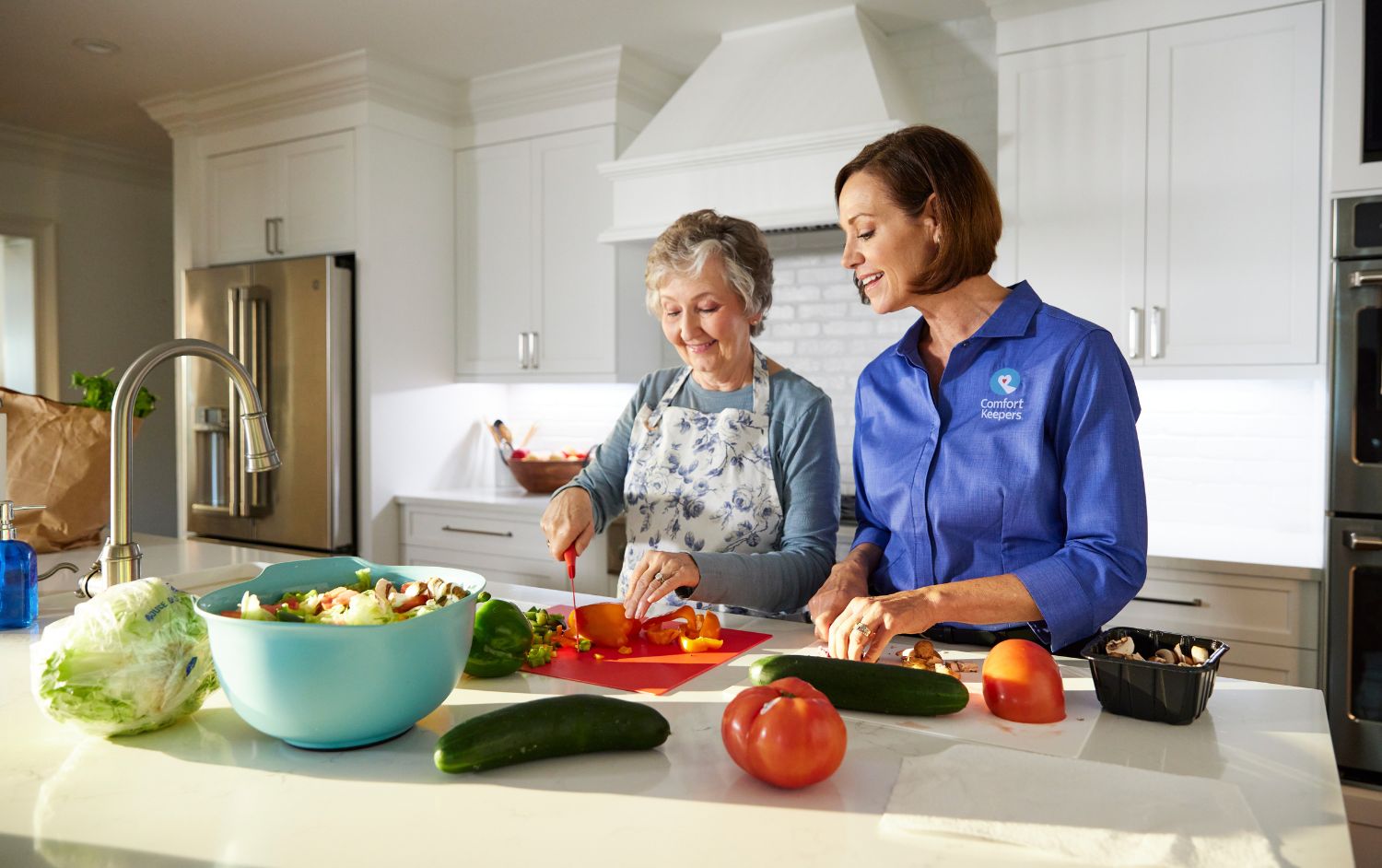
Victoria offers several community programs designed for older adults. Men’s Sheds, senior centres, and faith-based groups all provide regular interaction without requiring seniors to organize activities themselves. In-home care services like Comfort Keepers Victoria offer companion care services.
5. Monitor vitamin D levels
Vitamin D plays a role in mood regulation, and levels often drop during low-sunlight months when skin produces less of this nutrient naturally. Many seniors already have lower vitamin D levels due to reduced sun exposure and age-related changes in absorption.
A simple blood test can reveal whether supplementation might help. Rather than guessing at dosages, talking with a healthcare provider ensures appropriate amounts and avoids potential interactions with other medications.
6. Establish consistent daily routines
Waking and sleeping at the same times each day supports the body’s circadian rhythm – the internal clock that regulates mood, energy, and sleep. Scheduling meals, activities, and rest at predictable times provides structure that helps stabilize mood.
This predictability becomes especially valuable during winter when external cues like daylight become less reliable. A written daily schedule can serve as both a reminder and a gentle accountability tool for seniors living alone.
Victoria BC Resources for Senior Mental Health
Local resources provide professional support and community connection specifically designed for older adults in the region. Knowing what’s available makes it easier to reach out when help is needed.
Calling 310-6789 (no area code needed) connects callers to trained support staff around the clock. The line provides immediate help during difficult moments and guidance on next steps for ongoing support.
The Canadian Mental Health Association’s Victoria office offers counseling, support groups, and educational resources. Their website includes specific information about SAD and depression tailored to residents, along with referral pathways for those seeking professional help.
Local Senior Day Programs
The Seniors’ Support Network, provided by Island Community Mental Health Association, offers activity-based programs for adults 65 and older experiencing mental health challenges. The programs focus on decreasing social isolation while building coping skills through structured group activities.
The regional health authority offers mental health assessments and referrals for older adults. A family doctor can provide referrals, or seniors and their families can contact Island Health directly to learn about available services.
When to Seek Professional Help for Seasonal Depression
While prevention strategies help many seniors manage SAD symptoms, some situations call for professional support. Recognizing warning signs helps ensure timely access to appropriate care.
Signs that indicate professional help is needed:
- Symptoms lasting more than two weeks: Persistent low mood that doesn’t improve with self-care strategies deserves medical attention.
- Thoughts of self-harm: Any mention of hopelessness, feeling like a burden, or not wanting to continue living requires immediate professional response.
- Inability to perform daily activities: Neglecting personal hygiene, skipping meals, or forgetting medications signals that symptoms have progressed beyond what self-management can address.
- Significant personality changes: When family members notice drastic shifts in behavior, outlook, or engagement, outside support often helps.
Seeking help reflects wisdom, not weakness. Family members can play a valuable role by helping seniors schedule appointments, providing transportation, or simply offering encouragement to reach out.
Supporting Seniors Through Victoria’s Grey Months
Family members and caregivers often notice changes before seniors themselves recognize a problem. Staying connected and attentive during winter months can make a meaningful difference in catching SAD early.
Practical ways to support an aging loved one:
- Check in regularly: Brief daily calls or texts create connection without feeling burdensome. Even a quick “thinking of you” message matters.
- Encourage outdoor time together: Accompanying seniors on walks or errands removes barriers and provides both light exposure and social interaction.
- Watch for warning signs: Knowing what changes to look for – withdrawal, sleep changes, appetite shifts – enables early intervention.
- Help access resources: Assisting with booking appointments, researching programs, or arranging transportation removes obstacles that might otherwise prevent seniors from getting support.
Frequently Asked Questions About SAD in Seniors
Q; How long does Seasonal Affective Disorder typically last?
A: SAD symptoms usually begin in late fall and continue through winter, lifting naturally as daylight increases in spring. Most people experience relief by April or May, though the exact timing varies based on individual factors and symptom severity during winter months.
Q: Can Seasonal Affective Disorder be completely prevented?
A: Complete prevention isn’t always possible, particularly for those with previous SAD episodes or strong family history. However, consistent use of light therapy, physical activity, social engagement, and daily routines can significantly reduce symptom severity – sometimes to the point where symptoms become barely noticeable.
Q: What is the difference between SAD and early dementia symptoms?
A: SAD typically follows a seasonal pattern and improves with increased light exposure or when spring arrives. Dementia symptoms persist year-round and progressively worsen regardless of season. When there’s uncertainty about which condition might be present, a healthcare provider can conduct assessments to clarify the situation.
Q: Are there SAD support groups for seniors in Victoria, BC?
A: CMHA Victoria and the Seniors’ Support Network offer group programs and peer support options designed for older adults experiencing mental health challenges. These programs provide both professional guidance and connection with others facing similar experiences.
Q: Does Seasonal Affective Disorder get worse as people age?
A: SAD doesn’t automatically worsen with age. However, factors common in later life – reduced mobility, social isolation, chronic health conditions, and certain medications – can make seniors more vulnerable to its effects. Proactive prevention becomes increasingly valuable as risk factors accumulate.
Individualized Home Care Options
Long-Term Home Care, 24 Hour Home Care & Short Term Care Options Customized for You