



Modifying Food Habits for Health and Independence
Modifying Food Habits for Health and Independence – For adults who want to age in their own homes, following good eating practices can play a critical role in ensuring their later years are enjoyable and independent. Unfortunately, for many people, years of poor choices begin to catch up with them as they enter their senior years, and the result is an increased risk of chronic diseases, disability, reduced mobility, and cognitive impairment. The good news is that it is never too late for older individuals to modify their nutritional habits and decrease or reverse their risk for many preventable diseases and impairments. All they need is a little motivation.
Although the overall nutritional needs of older adults are the same as those for younger adults, their caloric needs are reduced and their ability to absorb nutrients can be affected by physical changes. This means they need a nutrient-dense diet to obtain sufficient nutrition without risking weight gain. Many older adults eat more calories than are necessary, which has a significant health impact. In 2010 more than one third of older adults were obese (compared to only 19% in 2002 and 12% in 1990), and that percentage is expected to rise as the senior population increases. At the other end of the spectrum, some older adults, especially the very old, have an inadequate nutritional intake, which can lead to frailty, osteoporosis, falls, and hip fractures.
Fast Facts
Unhealthy diets also contribute to four of the ten leading causes of death: coronary heart disease, some types of cancer, stroke, and type 2 diabetes.
Many older adults understand the recommendations for healthy eating, but struggle with motivation to change. One study showed that those who are just beginning to think of making changes can be more greatly motivated when shown the specific benefits they would receive from changing their eating habits. For those who were more ready to change, a how-to approach demonstrating techniques for reaching their goals had a greater impact. In general, the best results come from tailoring the approach to individuals’ specific motivation, risks, and behaviors.
Studies also show that connecting with and supporting older individuals as they make modifications to their diets can make a difference. Physician counseling has an impact, but family and friends can motivate senior adults even more, especially since family and friends can better take into account seniors’ ethnic and cultural backgrounds. This is especially important when you consider that food and eating habits can be closely connected with a person’s identity.
Related Article: Top 10 Foods for a Healthy Heart
For older adults who are not eating enough, simply ensuring that they have company during meals can make a significant difference. When people eat alone, they are less likely to cook for themselves, and they tend to eat less. Having regular reminders of what to eat and when can help improve seniors’ nutritional intake. When family and friends are not available, older adults can benefit from an in-home caregiver who can help them with meal planning and preparation, support them in their efforts, and provide company during meal times. Professional caregivers can also help keep track of what the senior is eating and let the family know if there is a concern.
Overall, changing eating habits can positively impact senior adults by lowering their risk of chronic disease, improving cognitive functioning, reducing disability rates, and lowering medical costs.
Comfort Keepers® Can Help
Comfort Keepers can help. Our caregivers can provide wellness support, remind clients to take medication, provide transportation to scheduled appointments, and support physician-prescribed exercise regimens and diets. As part of an individualized care plan, caregivers can let a senior’s care team know if there are changes in behavior or physical characteristics. Our goal is to see that clients have the means to find the joy and happiness in each day, regardless of age or acuity.
To learn more about our in-home care services, contact your the Comfort Keepers Orangeville location today.
Bonus Article: What to Expect with Home Care
References
Center for the Advancement of Health. (March 2006). A new vision of aging: Helping older adults make healthier choices. Issue Briefing No. 2.
http://www.ncoa.org/improve-health/center-for-healthy-aging/content-library/NewVisionAging_HealthierChoices.pdf.
Culross, B. (2008). Gerontology update: Nutrition: Meeting the needs of the elderly. ARN Network. Retrieved from http://www.rehabnurse.org/pdf/GeriatricsNutrition.pdf.
Fakhouri TH, Ogden CL, Carroll MD, et al. (2012). Prevalence of obesity among older adults in the United States, 2007-2010. NCHS data brief, no 106, National Center for Health Statistics. http://www.cdc.gov/nchs/data/databriefs/db106.htm.
Locher, J.L. and Sharkey, J.R. (April 9, 2009). An ecological perspective on older adult eating behavior. In C.W. Bales and C. S. Ritchie (Eds.). Handbook of clinical nutrition. (pp. 3-17). New York, NY: Humana Press.
Winter Health Risks for Seniors
Winter Health Risks for Seniors
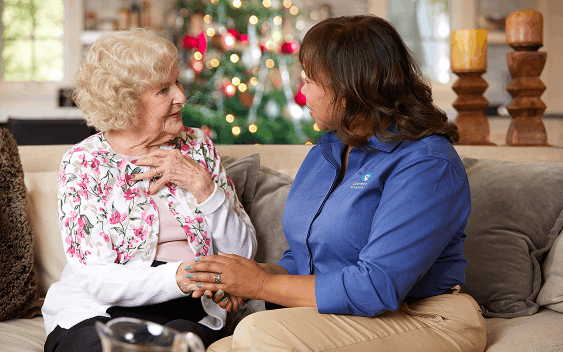
Winter Health Risks for Seniors – Spending time with loved ones, enjoying nature and participating in activities can improve quality of life for seniors. However, cold winter weather can create a barrier to many senior’s regular schedules. And, it’s not just snow and ice that make winter a difficult season for seniors – additional factors include post-holiday isolation, illness, and the physical effect of cold weather.
Knowing what to look for, and creating a strategy for combatting winter health risks, can help seniors maintain positive mental health and physical wellness.
Some Winter Health Risk Factors for Seniors to consider include:
Winter blues – Cold air and gloomy skies can make anyone feel less cheerful during the winter months. However, depression can have an outsized effect on seniors and their long-term mental health. Creating opportunities for socialization and finding joyful moments isn’t just for fun – it can help foster critical connection and combat loneliness. There are a variety of uplifting activities that can be enjoyed during the winter months. These include movie nights, reminiscing by the fire, and getting outside on a rare sunny day.
Winter illness – There are a variety of ways that seniors can be physically affected by the winter season.
-
- Pneumonia: Pneumonia is an infection that can be dangerous for seniors due to lung issues that come with age, weakened immune systems and conditions that make pneumonia more severe. Older adults should talk to their doctor about healthy lifestyle changes and vaccines that can help.
- Joint pain: Joint pain can be more common for seniors in cold conditions – whether they suffer from arthritis or not. Dressing in layers, regulating temperature inside and stretching exercises can help. A healthcare professional can also suggest exercise, medication or other coping strategies.
- Heart issues: Heart attacks and high blood pressure are more common in winter because cold snaps increase blood pressure and strain on the heart. The heart must work harder to maintain body heat, while falling temperatures may cause an unhealthy rise in high blood pressure, especially in seniors
- Winter safety – Being mindful of winter safety issues is important for seniors and their families. Cold weather can be more dangerous for those with some health conditions, like Parkinson’s disease, diabetes or thyroid problems. Seniors should talk to their doctor to learn more. Other types of accidents or injuries can be avoided through education too. Examples include being mindful about fall risks, monitoring carbon dioxide levels and preventing hypothermia.
Related Article: Seniors and the Road to Quality Sleep
Winter Health Risks for Seniors | Comfort Keepers® Can Help
Our goal is to provide uplifting in-home care that benefits seniors and their families. The individualized care plans we create for our clients consider physical goals as well as non-physical mental health needs. Our caregivers can provide companionship or transportation to community events, and support physician-prescribed exercise regimens, provide companionship and help to families that want to stay connected through technology. We strive to elevate the human spirit through quality, compassionate, joyful care.
To learn more about our in-home care services, contact your Orangeville Comfort Keepers location today.
Bonus Article: In-Home Care
References
Medical Alert. “How to Avoid the Winter Blues or Seasonal Affective Disorder.” Web. 2020.
American Lung Association. “Lung Health and Diseases: Learn About Pneumonia.” Web. 2018.
U.S. News. 10 Ways to Avoid Winter Joint Pain. Web. 2015.
American Heart Association. “Cold Weather and Cardiovascular Disease.” Web. 2015.
National Institute on Aging. “Cold Weather Safety for Older Adults.” Web. 2018.
Making Sure Seniors are Getting Enough Vitamin C

Making Sure Seniors are Getting Enough Vitamin C
Making Sure Seniors are Getting Enough Vitamin C – For seniors, good eating habits improve physical health, which in turn has a positive effect on mental wellbeing and overall quality of life. Vitamin intake is often an important part of maintaining a healthy diet and getting the necessary nutrients.
As seniors age, vitamin deficiencies can occur for many reasons, such as skipped meals, medications interfering with the absorption of vitamins or certain health issues.
The recommended daily dose of this vitamin is 90 milligrams for men and 75 milligrams for a woman.
One vitamin that can greatly play a role in the quality of life of seniors is vitamin C. While usually associated with colds, this vitamin plays a part in keeping older adults healthy all around.
Benefits include:
- Fights off colds: Vitamin C reduces the duration and severity of some illnesses
- Immunity boost: Assists in the formation of white blood cells, which help fight off infection
- Supports healthy joints: Helps form collagen, which helps hold skin, ligaments and cartilage together
- Builds strong blood vessels: Helps keeps blood vessel walls strong and resistant to damage
When people age, the need for vitamin C only increases as they become more susceptible to illness and disease. Making Sure Seniors are Getting Enough Vitamin C, whether it is to prevent macular degeneration, heart disease, osteoporosis or cancer, vitamin C has a vital role.
Seniors that want to ensure that they are getting enough of this crucial vitamin on a regular basis should talk to a healthcare professional. Typically, avoiding vitamin C deficiency is possible with a healthy diet, but some older adults find that a supplement can be beneficial.
Foods rich in vitamin C are citrus fruits, bell peppers, tomatoes, Brussels sprouts, broccoli and cantaloupe.
Related Article: Top 10 Foods for a Healthy Heart
Comfort Keepers® Can Help
For seniors struggling to maintain healthy eating habits, Comfort Keepers caregivers can help with meal planning, grocery shopping, meal preparation and support for physician-prescribed diets. Our custom care plans focus on physical and mental health and wellness activities. Our goal is to see that clients have the means to find the joy and happiness in each day, regardless of age or acuity.
To learn more about our in-home care services, contact the Comfort Keepers Orangeville location today.
Bonus Article: What To Expect with Home Care
References
Oregon State University. “Micronutrients for Older Adults.” Web. 2020.
SF Gate. “How Much Vitamin C Should Seniors Take in Addition to Multivitamins?
Malnutrition: A Serious Concern for Seniors
Malnutrition: A Serious Concern for Seniors
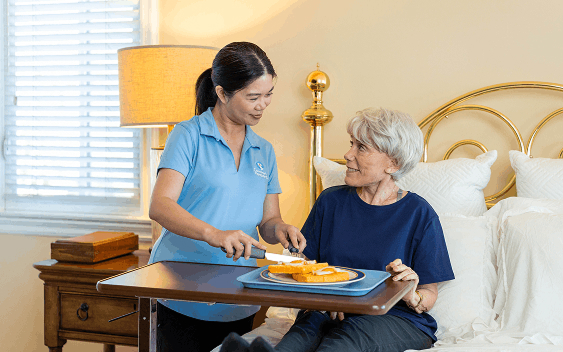
Malnutrition: A Serious Concern for Seniors – We all know that we feel better when we eat well. Good eating habits, and being mindful of healthy eating goals, can improve mental and physical health, and give us the energy we need to do the activities we love.
Unfortunately, too many seniors are not having their nutritional needs met. Changes in our bodies as we age, and changing dietary needs, can make healthy eating more difficult for older adults.
One in three hospital patients is malnourished upon admission and almost one-third of Canadian patients (31 percent) experiences declines in nutritional status while in the hospital.
The health risks associated with malnutrition can be especially concerning for seniors.
Malnutrition symptoms can include:
- Weakened immune system
- Poor wound healing
- Muscle weakness
- Weight loss
- Dental issues
If engaging in good eating habits is a struggle, there are steps anyone can take to ensure that they are getting proper nutrition. In addition to consulting a physician about diet or health concerns, family and caregivers can also try the following tactics to get the seniors they love and work with back on the right track.
Related Article: Top 10 Foods for a Healthy Heart
Strategies to avoid senior malnutrition:
- Make meals a social occasion – Sharing a meal is one of the most enjoyable ways to ensure that someone is eating well. This can look like making something healthy and delicious for others or reaching out to people that love to cook healthy food and offering them your company.
- Make healthy eating fit your budget – Good food doesn’t have to be expensive. A doctor or nutritionist can point patients to budget friendly, nutritious food options. And, maintaining a healthy lifestyle saves money on medical care in the future.
- Shop for healthy foods – Having a kitchen stocked with healthy snacks and meal options is one of the most important steps to maintaining a balanced diet.
- Encourage people to ask for help – If someone you know has concerns about their ability to plan healthy meals, shop for the groceries or if they just aren’t getting the nutrition they need, tell them to ask for help! In-home caregivers, delivery services, family, friends and medical professionals can all help older adults reach their nutrition goals.
For those concerned about their nutrition, or the eating habits of a senior loved one, speaking to a medical professional is critical.
Comfort Keepers® Can Help
For seniors struggling to maintain healthy eating habits, Comfort Keepers caregivers can help with meal planning, grocery shopping, meal preparation and support for physician-prescribed diets. Our custom care plans focus on physical and mental health and wellness activities. Our goal is to see that clients have the means to find the joy and happiness in each day, regardless of age or acuity.
To learn more about our in-home care services, contact the Comfort Keepers Orangeville location today.
Bonus Article: What To Expect with Home Care
References
Feeding America. “Facts about Senior Hunger in America.” Web.
Mayo Clinic. “Senior health: How to prevent and detect malnutrition.” Web. 2017.
Next Avenue, “Malnutrition is Affecting Too Many Older Adults.” Web. 2016.
Public Health Post. “Malnutrition in Older Adults.” Web. 2017
Healthline. “How Your Nutritional Needs Change as you Age.” Web. 2017.
Seniors and Blood Pressure Management
Seniors and Blood Pressure Management
The Silent Killer
53% of Canadians aged 60 to 79 have high blood pressure (or hypertension).
Seniors and Blood Pressure Management – It’s especially concerning considering that high blood pressure contributes significantly to the risk of health conditions that thousands face each year, such as heart attack, stroke, chronic heart failure, and kidney disease. And because those with high blood pressure tend not to have any symptoms, the disease is often referred to as the ‘silent killer.’
Blood Pressure and the Risks for Seniors
Blood pressure can increase for those of any age, but adults age 65 and older tend to be at greater risk of high blood pressure because of structural changes to the arteries. Fortunately, education around blood pressure seems to be making an impact; the Centers for Disease Control and Prevention (CDC) notes that there has been a gradual increase in the number of older adults who have received treatment for high blood pressure since 1999. The key to managing high blood pressure for these individuals was having their blood pressure checked frequently. But what exactly constitutes normal blood pressure for seniors?
What Is Considered Normal?
High blood pressure was, for many years, treated at 140/90mm Hg, but just last year, the American College of Cardiology (ACC) released new guidelines that consider 130/80 to be high. While these new guidelines were put in place to help treat high blood pressure earlier, some in the medical community feel that it may be harder to apply directly to seniors, who, as mentioned, already have higher blood pressure levels than younger adults. Treating the matter as black and white may not be realistic. For instance, lowering a senior’s blood pressure, when unnecessary, can dramatically increase seniors’ risk of falling. Conversely, one study showed that frail seniors may actually benefit from a slightly higher blood pressure level to help facilitate constant blood flow.
By ACC standards, blood pressure lower than 120/80 is still considered ideal, but physicians should consider all aspects of a senior’s wellbeing before setting out to reach this goal. Cardiovascular health is an extraordinarily important part of our overall health, but it should not be managed in a silo. Seniors should discuss the subject of their blood pressure thoroughly with a physician, keeping in mind any existing conditions and current medications. Comprehensive discussion will help lead to a better plan for either reducing the risk of high blood pressure or management of existing high blood pressure.
Managing Blood Pressure:
All seniors should obtain a blood pressure monitor for their home so that they can self-check. It’s recommended that several readings, across the span of about one week, are averaged in order to get higher level of blood pressure accuracy. If blood pressure consistently stays high, medication may be required. However, there are a number of lifestyle choices seniors can make to help reduce their risk of high blood pressure, all of which should be done with physician approval.
Lifestyle changes that support healthy blood pressure:
- Follow a balanced, heart-healthy diet, complete with fruits and vegetables, high-fiber foods, whole grains, low-fat dairy products, and nuts
- Maintain a healthy weight
- Get some form of exercise every day for at least 30 minutes
- Do not salt your food and avoid processed foods whenever possible (especially if salt-sensitive)
- Follow a consistent sleep schedule
- Limit alcohol consumption (no more than one beverage a day for women, and two for men)
- Don’t smoke, or take steps to quit
Related Article: Malnutrition: A Serious Concern for Seniors
Comfort Keepers® Can Help
The compassionate, professional caregivers of Comfort Keepers® can promote a heart-healthy lifestyle for seniors, in addition to other in-home care services, such as light housekeeping and mobility assistance. We can also provide transportation to and from the doctor’s office for any scheduled visits, and even help those recovering from any heart-related conditions. Contact the Comfort Keepers Orangeville office to learn about these services and others for seniors.
Bonus Article: What To Expect with Home Care
References:
Statistics Canada. “Health Fact Sheets:Blood pressure of adults, 2012 to 2015.” Web. 2016.
AgingCare. “High Blood Pressure: Guidelines and Treatments for Seniors. Web. 2018.
Centers for Disease Control and Prevention. “High Blood Pressure Facts.” Web. 2018.
Better Health While Aging. “6 Steps to Better High Blood Pressure Treatment for Older Adults” by Leslie Kernisan, MD
MPH. Web. 2016.
American College of Cardiology. “New ACC/AHA High Blood Pressure Guidelines Lower Definition of Hypertension”
Web. 2017.
Harvard Health Publishing. “Blood pressure goals may need to change with age” by Howard LeWine, M.D Web. 2012.
National Institute on Aging. “High Blood Pressure.” Web. 2015.