

A Senior’s Guide to Strong Bones Without Dairy
Navigating a new diagnosis of lactose intolerance or a dairy allergy later in life can feel like a map has been rewritten. Suddenly, familiar sources of comfort and nutrition, like a glass of milk or a bowl of yogurt, are off-limits. For many seniors, the first question that comes to mind is a pressing one: “How will I keep my bones strong?”
It’s a valid concern. We’ve all heard about the importance of calcium for preventing osteoporosis. But here’s the reassuring truth: a dairy-free life doesn’t mean a future with weak bones. It simply means exploring a new, vibrant, and delicious aisle of foods. Think of this not as a restriction, but as an opportunity to build a stronger, more resilient you from the inside out.
This guide is your new map. We’ll walk you through everything you need to know – from the best plant-based calcium powerhouses to the secret “booster” nutrients that help your body absorb and use that calcium effectively.
First, The Fundamentals: Understanding Your Needs
Before we dive into the foods, let’s get our bearings. Understanding the “why” and “how much” makes building your plan much easier.
Lactose Intolerance vs. Dairy Allergy: What’s the Difference?
It’s common to use these terms interchangeably, but they are quite different. Knowing which one applies to you is key.
- Lactose Intolerance: This is a digestive issue. Your body doesn’t produce enough of an enzyme called lactase, which is needed to break down lactose, the sugar in milk. This can cause discomfort like gas, bloating, and stomach cramps.
- Dairy Allergy: This is an immune system reaction to the proteins in milk (casein or whey). It can cause symptoms ranging from hives and swelling to life-threatening anaphylaxis. For those with a true allergy, avoiding all traces of dairy is critical.
Your Daily Calcium Target: The 1,200 mg Goal
According to the National Institutes of Health (NIH), adults over 70 need about 1,200 milligrams (mg) of calcium per day to maintain bone density. It might sound like a high number, but when you know where to look, it’s entirely achievable.
The Non-Dairy Calcium Pantry: Your Complete Food Guide
Welcome to your new grocery list. These foods are not only rich in calcium but also packed with other nutrients that support your overall health.
Leafy Greens (The Right Ones)
Not all greens are created equal when it comes to calcium. Some, like spinach, are high in compounds called oxalates that can limit calcium absorption. Focus on these low-oxalate superstars:
- Collard Greens: 268 mg per 1 cup, cooked
- Kale: 172 mg per 1 cup, cooked
- Bok Choy: 158 mg per 1 cup, cooked
- Broccoli Rabe: 100 mg per 1 cup, cooked
Fortified Foods
Food manufacturers often add calcium to products, making them an easy and excellent source. Always check the label for “calcium-fortified.”
- Fortified Plant Milks (Soy, Almond, Oat): 300-450 mg per 1 cup
- Fortified Orange Juice: ~350 mg per 1 cup
- Fortified Cereals: 100-1,000 mg per serving (check the label!)
- Tofu (made with calcium sulfate): Can contain up to 430 mg per half-cup. Look for “calcium sulfate” in the ingredients list.
Fish with Edible Bones
The tiny, soft bones in canned fish are an incredible source of highly absorbable calcium.
- Canned Sardines (with bones): ~325 mg per 3.75 oz can
- Canned Salmon (with bones): ~180 mg per 3 oz serving
Nuts, Seeds, and Legumes
These are perfect for snacking or adding a crunch to your meals.
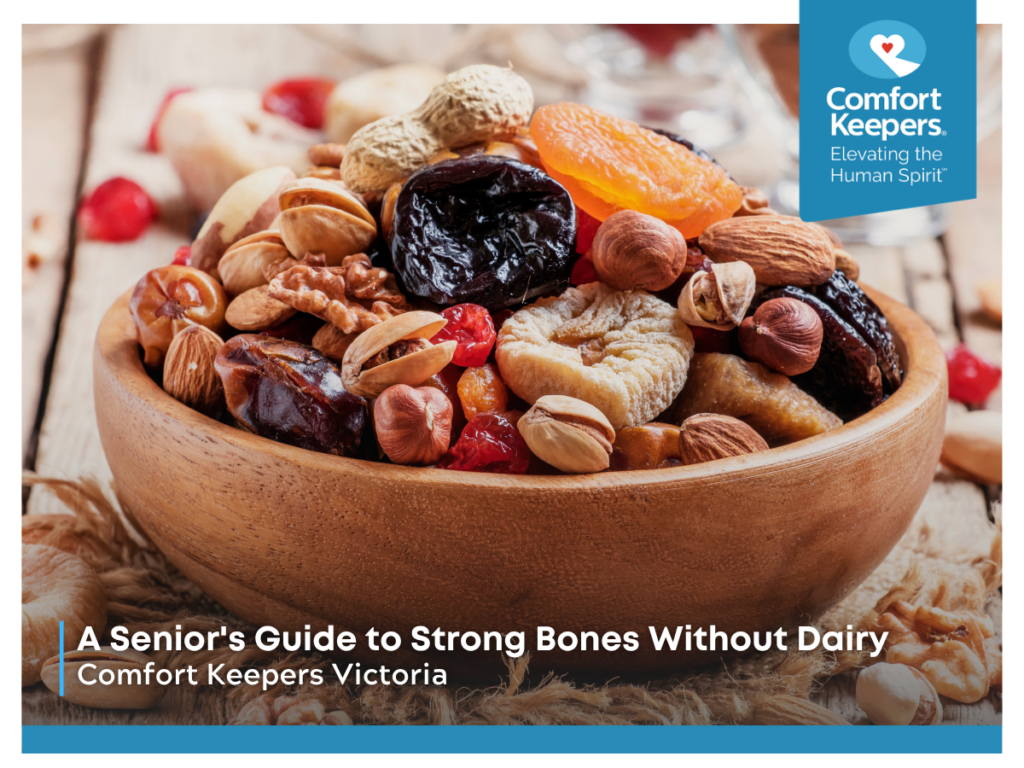
- Almonds: 75 mg per 1/4 cup
- Chia Seeds: 179 mg per 2 tablespoons
- White Beans: 161 mg per 1 cup, cooked
- Edamame: 98 mg per 1 cup, shelled
The Absorption Secret: Your Body’s “Booster” Toolkit
Here’s the “aha moment” many people miss: consuming calcium is only half the battle. You also need to ensure your body can actually absorb and use it. Think of these nutrients as the essential support crew for calcium. If you’re looking for help creating a diet that works for you, exploring in-home meal preparation services can be a great first step.
Vitamin D: The Gatekeeper
Vitamin D is arguably the most important partner for calcium. It acts like a gatekeeper, allowing calcium to be absorbed from your intestine into your bloodstream.
- Sources: Fatty fish (like salmon and mackerel), fortified foods, and sensible sun exposure. Many seniors may require a supplement; consult your doctor.
Magnesium: The Balancer
Magnesium helps convert Vitamin D into its active form and plays a role in stimulating a hormone that helps preserve bone structure.
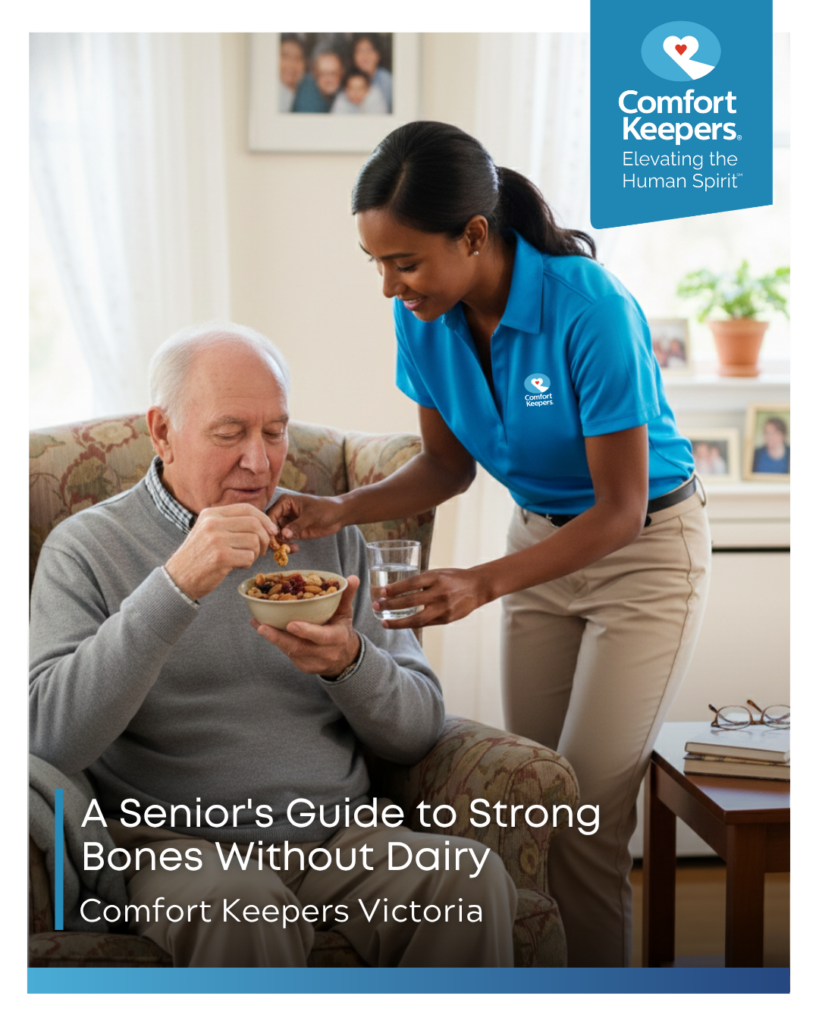
- Sources: Almonds, cashews, edamame, black beans, and whole grains.
Vitamin K2: The Traffic Cop
If Vitamin D gets calcium into the bloodstream, Vitamin K2 tells it where to go. It directs calcium into your bones and teeth and away from soft tissues like arteries.
- Sources: Fermented foods like natto (a traditional Japanese food) and certain cheeses (check for lactose content if intolerant). Supplements are also an option.
Taming the Inhibitors: Oxalates and Phytates
We mentioned oxalates (in spinach) earlier. Another compound, phytates (found in whole grains, beans, and legumes), can also reduce calcium absorption. But you don’t need to avoid these healthy foods! Simple preparation can help.
- The Fix: Soaking beans and legumes overnight before cooking and cooking leafy greens can significantly reduce their oxalate and phytate levels, unlocking more available calcium.
Putting It All Together: A Sample Bone-Healthy Day
This isn’t a strict plan, but a simple example of how easily you can reach your calcium goals.
- Breakfast (approx. 400 mg calcium): One bowl of fortified oatmeal made with fortified almond milk and topped with 2 tablespoons of chia seeds.
- Lunch (approx. 450 mg calcium): A large salad with 3 oz of canned salmon (with bones), mixed greens, and a handful of almonds.
- Dinner (approx. 350 mg calcium): A stir-fry with a half-cup of calcium-set tofu, bok choy, and broccoli rabe.
- Snack: A glass of fortified orange juice.
Daily Total: ~1,200 mg Calcium
Navigating Supplements Safely
Sometimes, diet alone isn’t enough. If your doctor recommends a supplement, keep these senior-specific tips in mind.
- Choose Citrate over Carbonate: Calcium carbonate requires strong stomach acid to be absorbed, which can decrease with age. Calcium citrate is more easily absorbed, especially for older adults.
- Don’t Overdo It: Your body can only absorb about 500 mg of calcium at a time. Split your doses throughout the day for maximum benefit.
- Check for Drug Interactions: Calcium supplements can interfere with certain medications, including some blood pressure medicines, thyroid hormones, and antibiotics. Always discuss supplements with your doctor or pharmacist. A trusted caregiver can help you manage your daily health needs, from medication reminders to personal care.
Frequently Asked Questions (FAQ)
Q1. How do I know if I’m getting enough calcium?
A1. The best way is to track your food intake for a few days to get an estimate. The most definitive measure of bone health is a bone density scan (DEXA scan) recommended by your doctor.
Q2. Are all plant milks equally good for calcium?
A2. No. Always choose a variety that is specifically fortified with calcium and, ideally, Vitamin D. The calcium content can vary dramatically between brands, so always check the nutrition label.
Q3. I’m lactose intolerant, not allergic. Can I still have any dairy?
A3. Possibly. Many people with lactose intolerance can tolerate small amounts of dairy, especially hard, aged cheeses like Parmesan and cheddar, which are naturally very low in lactose. Greek yogurt with live cultures can also be easier to digest.
Q4. What’s the best exercise for bone health?
A4. Weight-bearing exercises are fantastic. This doesn’t mean you have to lift heavy weights! Activities where you support your own body weight, like walking, dancing, and climbing stairs, are incredibly effective at signaling to your body to keep your bones strong.
Your Path to Stronger Bones Starts Today
Taking charge of your bone health without dairy is not just possible – it’s empowering. By focusing on a diverse diet rich in calcium-packed plants, fish, and fortified foods, and by paying attention to the crucial absorption boosters like Vitamins D and K2, you are building a foundation for an active, vibrant, and independent life.
Start small. Pick one new food from the list to try this week. Make one “smart swap” in your daily routine. Every step you take is a powerful investment in your future well-being. And remember, you don’t have to figure it all out alone. Discussing your dietary plan with a healthcare professional or a registered dietitian can provide personalized guidance and peace of mind. For more information on how a holistic approach can support your health goals, consider learning about customized in-home care plans.
The Best Senior Home Care Provider in Victoria, BC, is Comfort Keepers®
Firstly, if you are concerned about the health and well-being of your aging loved ones, we can help with 24-hour care. We offer senior care, post-surgery care, palliative care, personal care, senior living transition services, and much more!
Comfort Keepers® Victoria Provides In-Home Elderly Care Services
Aging in place means keeping seniors happy and healthy at home. Comfort Keepers® trained caregivers provide seniors with the highest quality of life possible. In particular, our Interactive Caregiving™ system provides care that addresses safety, nutrition, mind, body, and activities of daily living.
Comfort Keepers® Victoria In-Home Caregivers Can Help with Interactive Caregiving™
Personal and empathetic care starts in the heart and allows us to meet our clients’ needs. Our philosophy is to elevate the human spirit. Our caregivers will be there every step of the way to ensure your loved one has a better quality of life.
Senior Homecare in Victoria, BC
Our unique services offer families respite care, overnight care, personal care, companionship care, palliative care, and end-of-life care. To learn more, contact the Comfort Keepers Victoria office.
Comfort Keepers® Victoria is Proud to Provide Senior Care and Home Care Services to Keep Seniors Safe in Their Homes
If you are searching for home care near you, we can help! Comfort Keepers® Victoria can provide home care for Victoria and surrounding areas. Service territory includes Colwood, Saanich, Sidney, James Bay, and Oak Bay. Please call (778) 265-5999 and learn how your loved ones can receive compassionate, professional in-home care.