



A Closer Look at Strokes
A Closer Look at Strokes – Stroke is the third largest killer of Canadian adults, after heart disease and cancer. It’s also the primary cause of physical disabilities and is second only to Alzheimer’s disease as a cause of mental disability. While people at any age can be susceptible to suffering from a stroke, nearly three quarters of strokes occur in people over the age 65.
Women are disproportionately affected by stroke:
45% more women die of stroke than men in Canada, and because they live longer, more women are living with the effects of stroke.
Risk factors for a stroke include high blood pressure, genetics, gender, tobacco use, heart disease, diabetes, weight, age and the use of some medications.
There are three main types of stroke that can occur:
- Ischemic stroke – Most strokes fall into this category. In an ischemic stroke, arteries narrow or are blocked, reducing blood flow to the brain.
- Hemorrhagic stroke – During a hemorrhagic stroke, a blood vessel leaks or bursts, causing damage.
- Transient ischemic attack – Sometimes referred to as “mini-strokes,” this is a condition that is also caused by a narrowing of the arteries, but only causes temporary symptoms.
It’s important to note that medical attention after a stroke is critical, and time is of the essence. Anyone suffering from the symptoms of a stroke should not wait for the effects to go away or get worse. They should call 9-1-1 or visit their physician as soon as possible. Quick treatment can minimize damage and potentially save someone’s life.
Stroke Symptoms can include:
- Trouble speaking
- Confusion or trouble understanding
- Paralysis of the face, arms or legs
- Trouble seeing
- Headache
- Trouble walking
- Headache
- Vomiting
- Neck stiffness
- Dizziness
An interesting read: Top 10 Foods for a Healthy Heart
Comfort Keepers® Can Help
Whether the goal is healthy living to prevent strokes, or recovery after, Comfort Keepers can help. Our caregivers can provide wellness support, remind clients to take medication, provide transportation to scheduled appointments, and support physician-prescribed exercise regimens and diets. As part of an individualized care plan, caregivers can let a senior’s care team know if there are changes in behavior or physical characteristics. Our goal is to see that clients have the means to find the joy and happiness in each day, regardless of age or acuity.
To learn more about our in-home care services, contact your the Comfort Keepers Orangeville location today.
Bonus Article – The Comfort Keepers Difference
References
WebMD. “Top Causes of Stroke.” Web. 2017.
Mayo Clinic. “Stoke” Web.2019.
Healthline. “Massive Stroke” Web. 2018.
Center for Disease Control and Prevention. “Stroke.” Web.
Canada.com. “Stroke”. Web 2018.
Heart and Stroke Foundation. “Stroke Report 2019.” Web. 2019.
Seniors and the Road to Quality Sleep

Seniors and the Road to Quality Sleep
Quality Sleep, Not Quantity for Seniors
Seniors and the Road to Quality Sleep – The older we get, the harder it becomes to get a good night’s sleep. Beginning in our late 20s, there’s a steep decline in the amount of deep sleep we get each night – and by the time we reach 50, that amount is reduced by more than half. For older adults (65 years of age and older), getting adequate sleep can be an even greater challenge. Even if they reach the recommended 7-9 hours each night (a metric that, despite popular belief, remains constant throughout all stages of adulthood), it may not exactly be quality sleep.
Consequently, seniors may fall asleep earlier than usual, wake up in the middle of the night, or suffer from insomnia – all of which can negatively impact quality of life. In addition to making them tired and irritable, lack of sleep can lead to issues with memory and an increased risk of falling. But what makes sleep deprivation so prevalent in the senior population?
Factors that Impact Senior’s Sleep Quality:
We know that sleep plays a significant role in the regeneration of cells, but there is much about the process that remains a mystery. What is known, however, is that sleep occurs in stages and patterns – what sleep experts refer to as “sleep architecture” – which includes light sleep, deep sleep, and REM sleep. The natural process of aging shifts this architecture so that there is more time in light sleep and less in deep, which is what causes older adults to wake up frequently throughout the night. This is also why they may find themselves napping more during the day. Adding to this, as we age our body tends to manufacture less of the hormones needed to regulate sleep, such as melatonin.
Related Article: Senior Home Security Tips
This light sleep is only made worse by the increased incidence of medical conditions such as diabetes, asthma, and arthritis – just to name a few. The pain associated with these conditions can easily disrupt sleep, as can the medications needed to help manage them. Seniors may also develop sleep disorders, chief among them being Obstructive Sleep Apnea (OSA). This occurs when there’s an obstruction in the upper airway that momentarily stops the breathing process and lowers the level of oxygen in the blood. This then causes the brain to wake the body, pulling out of the sleep state. Those with OSA experience this multiple times throughout the night.
Ways to Improve Senior’s Sleep:
Although there are a number of factors that can influence a senior’s sleep quality, it’s important to remember that poor sleep is not a normal part of aging. Seniors who experience the symptoms of sleep apnea or severe insomnia should consult a physician or sleep specialist. However, seniors can also take steps on their own to regulate their sleep-wake cycle and get better rest at night.
- Set a strict schedule and go to bed at the same time every day (including weekends)
- Avoid napping throughout the day, if possible
- Follow a daily exercise regimen, with approval from a physician
- Spend time outside each day (at least 10-15 minutes) to receive some natural sunlight
- Avoid caffeine and smoking 8 hours before
- Avoid eating large meals or snacks before bed
- Limit alcoholic beverages throughout the day, but avoid completely in the hours before bed
- Make the bedroom a place exclusively for sleep, and ensure that the conditions are ideal for promoting quality sleep
Seniors and the Road to Quality Sleep | Comfort Keepers® Can Help
At Comfort Keepers®, we want to help preserve all areas of senior wellbeing. Our caregivers can help seniors follow the recommended steps that promote quality sleep and let the family know of any dramatic changes in sleep behavior. Contact a the Comfort Keepers Orangeville office today to learn more about our in-home care services.
Bonus Article: What To Expect with Home Care
References:
FamilyDoctor.org. “Sleep Changes in Older Adults.” Web. 2017.
AgingCare.com. “Do People Need Less Sleep As They Age?” by National Institutes of Health. Web. 2018.
National Sleep Foundation. “Aging and Sleep” Reviewed by Michael V. Vitiello, PhD. Web. 2009.
Malnutrition: A Serious Concern for Seniors
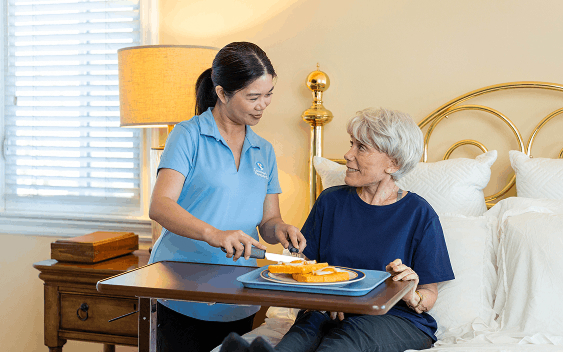
Malnutrition: A Serious Concern for Seniors
Malnutrition: A Serious Concern for Seniors – We all know that we feel better when we eat well. Good eating habits, and being mindful of healthy eating goals, can improve mental and physical health, and give us the energy we need to do the activities we love.
Unfortunately, too many seniors are not having their nutritional needs met. Changes in our bodies as we age, and changing dietary needs, can make healthy eating more difficult for older adults.
One in three hospital patients is malnourished upon admission and almost one-third of Canadian patients (31 percent) experiences declines in nutritional status while in the hospital.
The health risks associated with malnutrition can be especially concerning for seniors.
Malnutrition symptoms can include:
- Weakened immune system
- Poor wound healing
- Muscle weakness
- Weight loss
- Dental issues
If engaging in good eating habits is a struggle, there are steps anyone can take to ensure that they are getting proper nutrition. In addition to consulting a physician about diet or health concerns, family and caregivers can also try the following tactics to get the seniors they love and work with back on the right track.
Related Article: Top 10 Foods for a Healthy Heart
Strategies to avoid senior malnutrition:
- Make meals a social occasion – Sharing a meal is one of the most enjoyable ways to ensure that someone is eating well. This can look like making something healthy and delicious for others or reaching out to people that love to cook healthy food and offering them your company.
- Make healthy eating fit your budget – Good food doesn’t have to be expensive. A doctor or nutritionist can point patients to budget friendly, nutritious food options. And, maintaining a healthy lifestyle saves money on medical care in the future.
- Shop for healthy foods – Having a kitchen stocked with healthy snacks and meal options is one of the most important steps to maintaining a balanced diet.
- Encourage people to ask for help – If someone you know has concerns about their ability to plan healthy meals, shop for the groceries or if they just aren’t getting the nutrition they need, tell them to ask for help! In-home caregivers, delivery services, family, friends and medical professionals can all help older adults reach their nutrition goals.
For those concerned about their nutrition, or the eating habits of a senior loved one, speaking to a medical professional is critical.
Comfort Keepers® Can Help
For seniors struggling to maintain healthy eating habits, Comfort Keepers caregivers can help with meal planning, grocery shopping, meal preparation and support for physician-prescribed diets. Our custom care plans focus on physical and mental health and wellness activities. Our goal is to see that clients have the means to find the joy and happiness in each day, regardless of age or acuity.
To learn more about our in-home care services, contact the Comfort Keepers Orangeville location today.
Bonus Article: What To Expect with Home Care
References
Feeding America. “Facts about Senior Hunger in America.” Web.
Mayo Clinic. “Senior health: How to prevent and detect malnutrition.” Web. 2017.
Next Avenue, “Malnutrition is Affecting Too Many Older Adults.” Web. 2016.
Public Health Post. “Malnutrition in Older Adults.” Web. 2017
Healthline. “How Your Nutritional Needs Change as you Age.” Web. 2017.
Seniors and Blood Pressure Management

Seniors and Blood Pressure Management
The Silent Killer
53% of Canadians aged 60 to 79 have high blood pressure (or hypertension).
Seniors and Blood Pressure Management – It’s especially concerning considering that high blood pressure contributes significantly to the risk of health conditions that thousands face each year, such as heart attack, stroke, chronic heart failure, and kidney disease. And because those with high blood pressure tend not to have any symptoms, the disease is often referred to as the ‘silent killer.’
Blood Pressure and the Risks for Seniors
Blood pressure can increase for those of any age, but adults age 65 and older tend to be at greater risk of high blood pressure because of structural changes to the arteries. Fortunately, education around blood pressure seems to be making an impact; the Centers for Disease Control and Prevention (CDC) notes that there has been a gradual increase in the number of older adults who have received treatment for high blood pressure since 1999. The key to managing high blood pressure for these individuals was having their blood pressure checked frequently. But what exactly constitutes normal blood pressure for seniors?
What Is Considered Normal?
High blood pressure was, for many years, treated at 140/90mm Hg, but just last year, the American College of Cardiology (ACC) released new guidelines that consider 130/80 to be high. While these new guidelines were put in place to help treat high blood pressure earlier, some in the medical community feel that it may be harder to apply directly to seniors, who, as mentioned, already have higher blood pressure levels than younger adults. Treating the matter as black and white may not be realistic. For instance, lowering a senior’s blood pressure, when unnecessary, can dramatically increase seniors’ risk of falling. Conversely, one study showed that frail seniors may actually benefit from a slightly higher blood pressure level to help facilitate constant blood flow.
By ACC standards, blood pressure lower than 120/80 is still considered ideal, but physicians should consider all aspects of a senior’s wellbeing before setting out to reach this goal. Cardiovascular health is an extraordinarily important part of our overall health, but it should not be managed in a silo. Seniors should discuss the subject of their blood pressure thoroughly with a physician, keeping in mind any existing conditions and current medications. Comprehensive discussion will help lead to a better plan for either reducing the risk of high blood pressure or management of existing high blood pressure.
Managing Blood Pressure:
All seniors should obtain a blood pressure monitor for their home so that they can self-check. It’s recommended that several readings, across the span of about one week, are averaged in order to get higher level of blood pressure accuracy. If blood pressure consistently stays high, medication may be required. However, there are a number of lifestyle choices seniors can make to help reduce their risk of high blood pressure, all of which should be done with physician approval.
Lifestyle changes that support healthy blood pressure:
- Follow a balanced, heart-healthy diet, complete with fruits and vegetables, high-fiber foods, whole grains, low-fat dairy products, and nuts
- Maintain a healthy weight
- Get some form of exercise every day for at least 30 minutes
- Do not salt your food and avoid processed foods whenever possible (especially if salt-sensitive)
- Follow a consistent sleep schedule
- Limit alcohol consumption (no more than one beverage a day for women, and two for men)
- Don’t smoke, or take steps to quit
Related Article: Malnutrition: A Serious Concern for Seniors
Comfort Keepers® Can Help
The compassionate, professional caregivers of Comfort Keepers® can promote a heart-healthy lifestyle for seniors, in addition to other in-home care services, such as light housekeeping and mobility assistance. We can also provide transportation to and from the doctor’s office for any scheduled visits, and even help those recovering from any heart-related conditions. Contact the Comfort Keepers Orangeville office to learn about these services and others for seniors.
Bonus Article: What To Expect with Home Care
References:
Statistics Canada. “Health Fact Sheets:Blood pressure of adults, 2012 to 2015.” Web. 2016.
AgingCare. “High Blood Pressure: Guidelines and Treatments for Seniors. Web. 2018.
Centers for Disease Control and Prevention. “High Blood Pressure Facts.” Web. 2018.
Better Health While Aging. “6 Steps to Better High Blood Pressure Treatment for Older Adults” by Leslie Kernisan, MD
MPH. Web. 2016.
American College of Cardiology. “New ACC/AHA High Blood Pressure Guidelines Lower Definition of Hypertension”
Web. 2017.
Harvard Health Publishing. “Blood pressure goals may need to change with age” by Howard LeWine, M.D Web. 2012.
National Institute on Aging. “High Blood Pressure.” Web. 2015.