


Private Home Care vs Manitoba Home Care: What Winnipeg Families Should Know
If you are helping an older parent stay safe at home in Winnipeg, you have two kinds of home care to draw on: the publicly funded Manitoba Home Care Program, delivered here by the Winnipeg Regional Health Authority, and privately arranged home care like ours. They are not an either-or choice, and many of the families we work with use a mix of both. We are Comfort Keepers Winnipeg, a locally owned office that provides non-medical home care, and this page lays out how the two compare so you can decide what fits. About 17 percent of Manitobans were 65 or older as of July 2025, according to Statistics Canada, so these are questions a lot of local families are working through. If you would rather talk it through than read, call us at (204) 488-4600.
A note on scope: the private care we describe here is non-medical support. It complements the work of your doctor, nurse, and health-care team, and it does not replace it.
Key Takeaways
- Winnipeg families can use publicly funded Manitoba home care, privately arranged home care, or a combination of both, depending on what a person needs.
- The Manitoba Home Care Program was established in 1974 and is delivered in Winnipeg by the Winnipeg Regional Health Authority.
- Public home care starts with a referral and an assessment by a WRHA case coordinator. The Winnipeg intake line is 204-788-8330.
- Privately arranged home care is set up directly with a provider and paid for privately, and it focuses on non-medical, day-to-day support at home.
- Manitoba plans public home care in consideration of a person’s other supports, so private care can sit alongside it.
- To talk through your family’s options, call Comfort Keepers Winnipeg at (204) 488-4600.
Private Home Care vs Manitoba Home Care at a Glance
If you want the short version, here is how publicly funded Manitoba home care and privately arranged home care compare across the questions families ask about most. Each row is explained in more detail further down the page.
| What families compare | Publicly funded Manitoba Home Care (WRHA) | Privately arranged home care (e.g., Comfort Keepers Winnipeg) |
| How it is funded | Publicly funded by Manitoba. The province describes its services as provided free of charge, with a fee for a few specific services. | Paid for privately by the family, or through a private funding source such as veterans’ benefits. |
| How you access it | A referral (from you, a loved one, a doctor, or a health-care worker) and an assessment by a WRHA case coordinator. The Winnipeg intake line is 204-788-8330. | Arranged directly with the provider, usually starting with a free in-home conversation. |
| Who builds the care plan | A WRHA case coordinator, together with the client and family. | You and our team, together. |
| Type of support | Health services and help with daily living, including nursing and therapy. | Non-medical, day-to-day support at home, with in-home nursing available for certain tasks. |
| Scheduling | Set through the assessment and care plan with your case coordinator. | Set with you. Care can begin with a few hours a week and adjust over time. |
| Caregiver matching | Arranged by the program. | We match caregivers to your family and work to keep them consistent. |
| Working with other supports | Planned in consideration of your family, community resources, and other programs. | Designed to fit alongside public services and family support. |
How Manitoba’s Public Home Care System Works
The Manitoba Home Care Program is the province’s publicly funded home care program. It was established in 1974, it is delivered in Winnipeg by the Winnipeg Regional Health Authority (WRHA), and it is built around an assessment of what each person needs to stay safely at home. The province describes it as designed to help you live with dignity in your own home for as long as safely possible.
Who Delivers Public Home Care in Winnipeg
Manitoba funds and sets the program provincewide, and five regional health authorities deliver it in their areas. For Winnipeg residents, that is the WRHA, which accepts referrals, completes assessments, and arranges the services in each care plan.
What the Public Program Can Include
The public program can include both health services and help with everyday living. The WRHA lists services such as nursing care, personal care and hygiene, help with meals and medications, household support, and respite for family caregivers, along with occupational and physiotherapy assessment, adult day programs, and specialty programs such as palliative and stroke care. Because it includes skilled health services like nursing and therapy, the public program covers ground that non-medical private care does not.
How Families Start Public Home Care
To begin, a person can be referred by a doctor, a health-care worker, or a loved one, or can contact the WRHA directly. A case coordinator then meets with the person and, where appropriate, the family, completes an assessment, and the care plan is decided together. In Winnipeg, the home care intake line is 204-788-8330. Manitoba has long described its home care services as provided free of charge, though a few specific services, such as facility-based respite and adult day programs, carry a fee.

Figure 1. How public home care starts in Winnipeg.
What Private Home Care Can Provide
Private home care is arranged directly between a family and a provider, and paid for privately. It focuses on non-medical, day-to-day support that helps an older adult stay safe and comfortable at home. Manitoba Health does not license private home care companies; we meet the same business licensing and labour standards as any other Manitoba business. And because home care is not an insured benefit under the Canada Health Act, families can arrange and pay for it directly.
What We Mean by Non-Medical Home Care
Non-medical home care is hands-on help with everyday living rather than clinical treatment. Our home care services include personal care such as bathing, grooming, dressing, and mobility, companion care, light housekeeping, meal preparation, and errands and local transportation. We also provide respite care for family caregivers, dementia and Alzheimer’s support, post-hospital transition support, and 24-hour care. All of it is meant to sit alongside the work of a person’s health-care team, not to stand in for it.
How Private Home Care Is Arranged and Paid For
Families arrange private care directly with us, on their own schedule, and pay for it privately. We start with a free in-home conversation, then build a plan that can begin with a few hours a week and change as needs do. Some families also draw on private funding sources. Veterans and their families, for example, may qualify for annual tax-free funding through Veterans Affairs Canada’s Veterans Independence Program, which can go toward services such as housekeeping, meal preparation, and personal care. We support veterans through our Veterans Programme.
What each kind of support commonly includes
| Publicly funded Manitoba Home Care (WRHA) | Privately arranged home care (Comfort Keepers Winnipeg) |
| Health services
• Nursing care and treatment support • Occupational and physiotherapy assessment • Specialty programs such as palliative and stroke care |
Health services
• Focus is non-medical support • In-home nursing available for certain tasks |
| Personal care and daily living
• Personal care and hygiene • Help with meals and medications • Household support |
Personal care and daily living
• Personal care (bathing, grooming, dressing, mobility) • Companion care and light housekeeping • Meal preparation, errands, and local transportation |
| Family support and respite
• Respite and family relief • Adult day programs (a fee applies to some services) |
Family support and respite
• Respite care for family caregivers • Dementia and Alzheimer’s care |
| Around specific moments
• Hospital-to-home transition support • Home care planned around your other supports |
Around specific moments
• Post-hospital transition support • 24-hour care |
Key Differences Families Often Consider
The comparison near the top of this page lays the differences out side by side. Here is what the two that families weigh most, funding and flexibility, mean day to day.
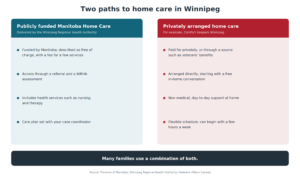
Figure 2. Two paths to home care in Winnipeg, and how they can work together.
Funding and Cost
The practical difference is who you pay and how the hours are set. With the public program, the services in your assessed care plan are arranged and covered through the WRHA, so you are not billed for them. With private care, you pay us directly, and that is what lets you decide how many hours you want and when.
Flexibility, Scheduling, and Caregiver Continuity
Families often come to us for private care when they want to set the schedule themselves, keep a consistent caregiver over time, or add companionship that fits a person’s routine. A private plan with us is built around exactly that: your timing, consistent caregiver matching, and help that fits the day’s routine.
Can Public and Private Home Care Be Used Together?
Yes. Many families use a combination, and the public program is planned with that reality in mind. Manitoba states that home care is provided based on assessed need and in consideration of other resources available to the individual, including families, community resources, and other programs. In practice, that means private care can add hours, companionship, or specific help that a family arranges directly, alongside publicly funded services and family support. Official sources do not spell out paying privately for extra hours on top of public service, so for anything about your public services, your WRHA case coordinator is the right person to ask.
H3: Self and Family Managed Care, an Official Option
Manitoba’s Self and Family Managed Care is part of the public program, and it is the clearest official bridge between the two approaches. It lets a client or a family manager arrange services themselves using assessed funding: you can employ your own staff or engage a personal care agency, while staying eligible for the program’s professional services such as nursing and therapy. If that sounds like it could fit, ask your WRHA case coordinator whether it is an option for your family.
Questions to Ask Before Choosing Support
A few practical questions make the choice clearer, whichever direction you lean:
- What does my parent actually need help with day to day, and is any of it clinical? Clinical needs point toward the health services in the public program or a nurse; daily-living needs are where non-medical private care fits.
- How do I start an assessment with the WRHA, and what will it cover? This sets the public baseline before you decide whether to add anything private.
- If we add private care, what schedule and caregiver continuity can we expect? Ask any provider how they match caregivers and handle changes over time.
- How would private care work alongside services already in place? Knowing who does what keeps the supports from overlapping or leaving gaps.
- What funding might apply, such as veterans’ benefits? It can change what private care costs your family.
How Comfort Keepers Winnipeg Can Help
We are a locally owned, non-medical home care office in Winnipeg, at 806 Osborne Street, serving Winnipeg and the surrounding Manitoba area. Our job is to make the day to day easier for your family, working around whatever public services and family help are already in place. When you call, you reach our local team, not a national line.
Discuss your family’s care needs. Call us at (204) 488-4600 and we will help you sort out what fits, including how private care can work with any publicly funded support already in place.
References
Province of Manitoba. Home Care Services in Manitoba. Manitoba Health.
Province of Manitoba. Home Care Program. Manitoba Health, Better Health.
Province of Manitoba. Your Guide to Home Care Services in Manitoba (PDF). Manitoba Health.
Province of Manitoba. Province Celebrates 40 Years of Home Care. News release, 2014.
Winnipeg Regional Health Authority. Home Care.
Winnipeg Regional Health Authority. Self and Family Managed Care.
Statistics Canada. Canada’s population estimates: Age and gender, July 1, 2025. The Daily, 2025.
Veterans Affairs Canada. Veterans Independence Program.
Author
This article was written by Debbie Bell, C.I.M., Owner of Comfort Keepers Winnipeg, who has led the local office since 2014. Debbie studied nursing at the University of Manitoba and worked as a health care aide with the Winnipeg Regional Health Authority before building a home care office that helps families arrange non-medical support at home, often alongside publicly funded care.
Frequently Asked Questions
Is Manitoba’s Home Care Program free?
The publicly funded services in your assessed care plan are provided at no charge to you, which is how Manitoba describes the program, although a few services such as facility respite and adult day programs carry a fee. Home care also sits outside the Canada Health Act, so any private care you arrange yourself is separate and paid privately.
Does private home care include nursing or medical care?
Our focus is non-medical, day-to-day support. We do also offer in-home nursing for certain tasks, but skilled health care is largely the domain of the public program and your own health-care team. If a need is clinical, we will point you toward the right support rather than stretch beyond what we do well.
Will using private home care affect my parent’s public home care?
Private care is arranged separately from WRHA Home Care. Your WRHA case coordinator continues to determine your publicly funded services based on assessed need and the other supports available to you, and can reassess them if your circumstances change. We simply add the extra help you have chosen to arrange privately.
Can veterans get help paying for home care?
Possibly, and it is worth checking before you pay privately. Veterans Affairs Canada’s Veterans Independence Program can provide annual tax-free funding toward home support for those who qualify. Contact Veterans Affairs Canada to confirm eligibility, and we can arrange care through our Veterans Programme.
What is the difference between home care and moving to a care home?
Home care supports a person in their own home, whether that help is publicly funded, privately arranged, or both. A care home moves the person into a facility. Many families use home care specifically to help a parent stay in their own home longer.