


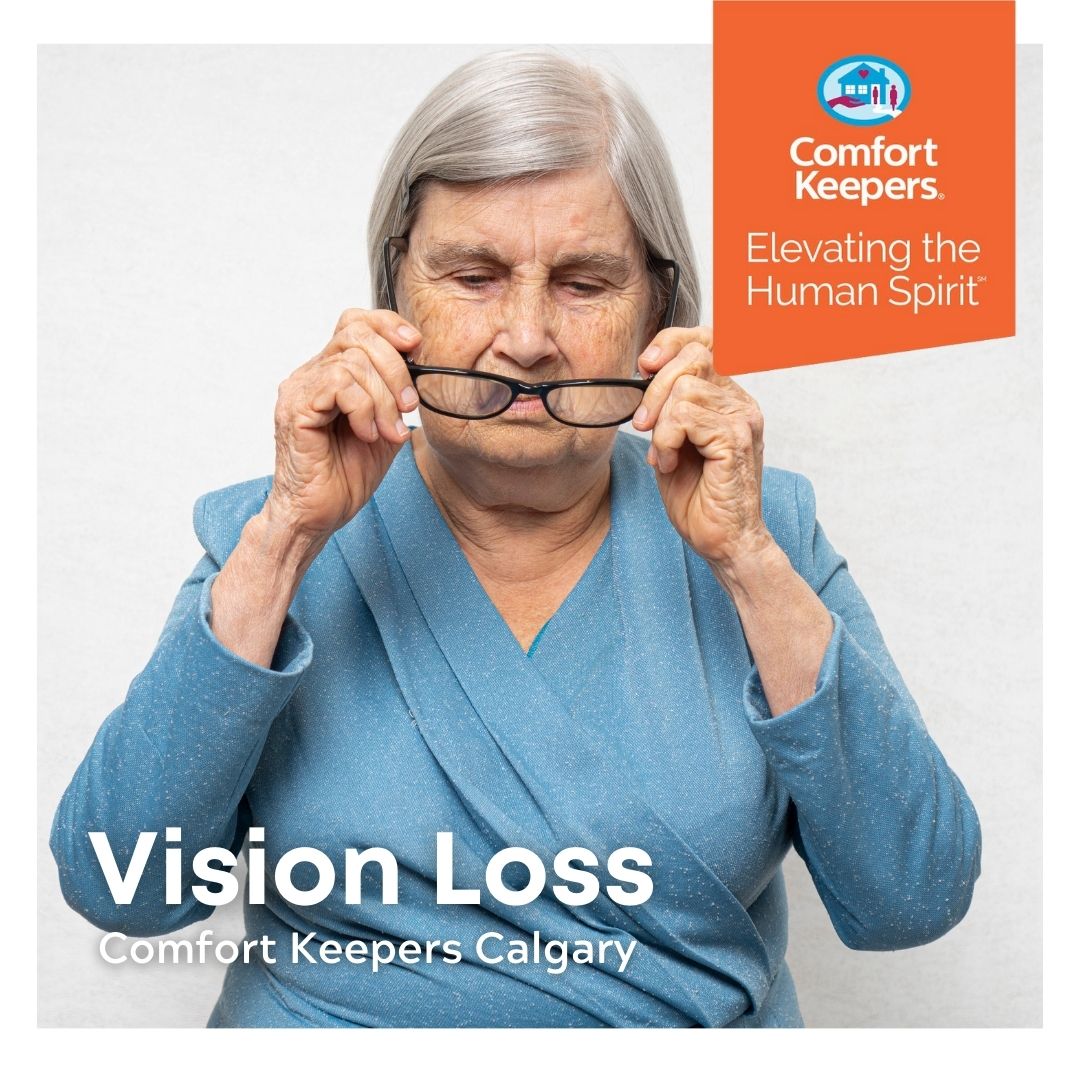
Vision Loss
Vision Loss – Losing your vision can feel a little like the world is closing in on you. For many seniors with vision loss, this feeling is often actualized with a diminished ability to engage in daily activities, such as preparing a meal or using the telephone, that most of us take for granted. Vision loss is a major contributor to disability, the loss of independence, and reduced quality of life. While the chance of vision loss increases with age, and there is the misconception that it should be taken as a normal part of aging, it is not any less traumatic for the older individual than it would be for a younger person. It may, in fact, be the most traumatic health problem many seniors face. The psychosocial effects of vision loss in seniors can have detrimental consequences.
Fast Facts about Vision Loss
Getting regular, comprehensive eye exams to identify disease early can help prevent or diminish 50% of all vision problems, yet many older people do not get the recommended eye care.
Studies have shown…
Numerous studies have shown that seniors with vision loss experience greater difficulty with daily activities than those who suffer from other chronic conditions. Senior adults with vision loss also report a greater number of chronic conditions, such as diabetes, heart disease, and stroke than those who do not have vision difficulties. This can be attributed to a poorer diet as low-vision seniors are four times more likely to have difficulty preparing meals than their normal-vision counterparts. This may also be directly linked to the fact that low-vision seniors are less likely to be physically active. (Only 59.6% of low-vision seniors report activity compared to 70.2% of normal-vision seniors.) This is not surprising when you consider that compared to normal-vision seniors, low-vision seniors are more than three times more likely to find it difficult to get outside and are three times as likely to have difficulties walking.
As a result, visually impaired seniors have noticeably higher levels of depression and anxiety than seniors with other chronic conditions. Because of their visual impairment, they may tend to isolate more and stop engaging in activities that they once enjoyed. Researchers have discovered that it is actually these higher levels of depression and anxiety that contribute to the seniors’ difficulty performing everyday tasks more so than their visual disability. As visually impaired seniors become more depressed because of their vision loss, they begin to have more medical problems, creating a vicious cycle where the depression creates a worsening physical state and the worsening physical state increases depression.
Related Article: What You Can Do About Cataracts
The good news is that with support and therapy designed to help visually impaired seniors regain their independence, this cycle can be broken. Doctors can prescribe rehabilitation that will allow seniors to learn to cope with and manage their vision loss so that they can remain active participants in their communities. Family, friends, and caregivers can also help these seniors with many activities, such as meal preparation and transportation to events, appointments, and gatherings, so that their isolation is limited and they can carry on with their daily lives. By staying active and social low-vision seniors can reduce their chances of suffering from depression, which then decreases their overall risks of developing additional chronic conditions.
You can find suggestions on the Canadian National Institute for the Blind (CNIB) website that people with low vision can follow to make life a little bit easier.
Comfort Keepers® Can Help
Our goal is to provide uplifting in-home care that benefits seniors and their families. The individualized care plans we create for our clients consider physical goals as well as non-physical mental health needs. Our caregivers can provide companionship and support physician-prescribed exercise regimens, provide transportation to appointments and help to families that want to stay connected through technology. We strive to elevate the human spirit through quality, compassionate, joyful care.
To learn more about our in-home care services, contact the Comfort Keepers Calgary location today.
Bonus Article – The Comfort Keeper Difference
References
Casten, R.J. and Rovner, B.W. (November 01, 2006). Vision loss and depression in the elderly. Psychiatric Times. Retrieved from http://www.psychiatrictimes.com/articles/vision-loss-and-depression-elderly.
Centers for Disease Control and Prevention. (2011). The state of vision, aging, and public health in America. Retrieved from http://www.cdc.gov/visionhealth/pdf/vision_brief.pdf.
Kempen, G.I.J.M., Ballemans, J., Ranchor, A.V., van Rens, G.H.M.B., and Zijlstra, G.A.R. (November 17, 2011). The impact of low vision on activities of daily living, symptoms of depression, feelings of anxiety and social support in community-living older adults seeking vision rehabilitation services. Qual Life Res, 21, 1405–1411. doi: 10.1007/s11136-011-0061-y. Retrieved from http://www.ncbi.nlm.nih.gov/pmc/articles/PMC3438403/.
Unite for Sight. (n.d.). Module 10: Eye disease and mental health. http://www.uniteforsight.org/community-eye-health-course/module11#_ftn5.
Why Routine Eye Exams are Crucial to Senior Health
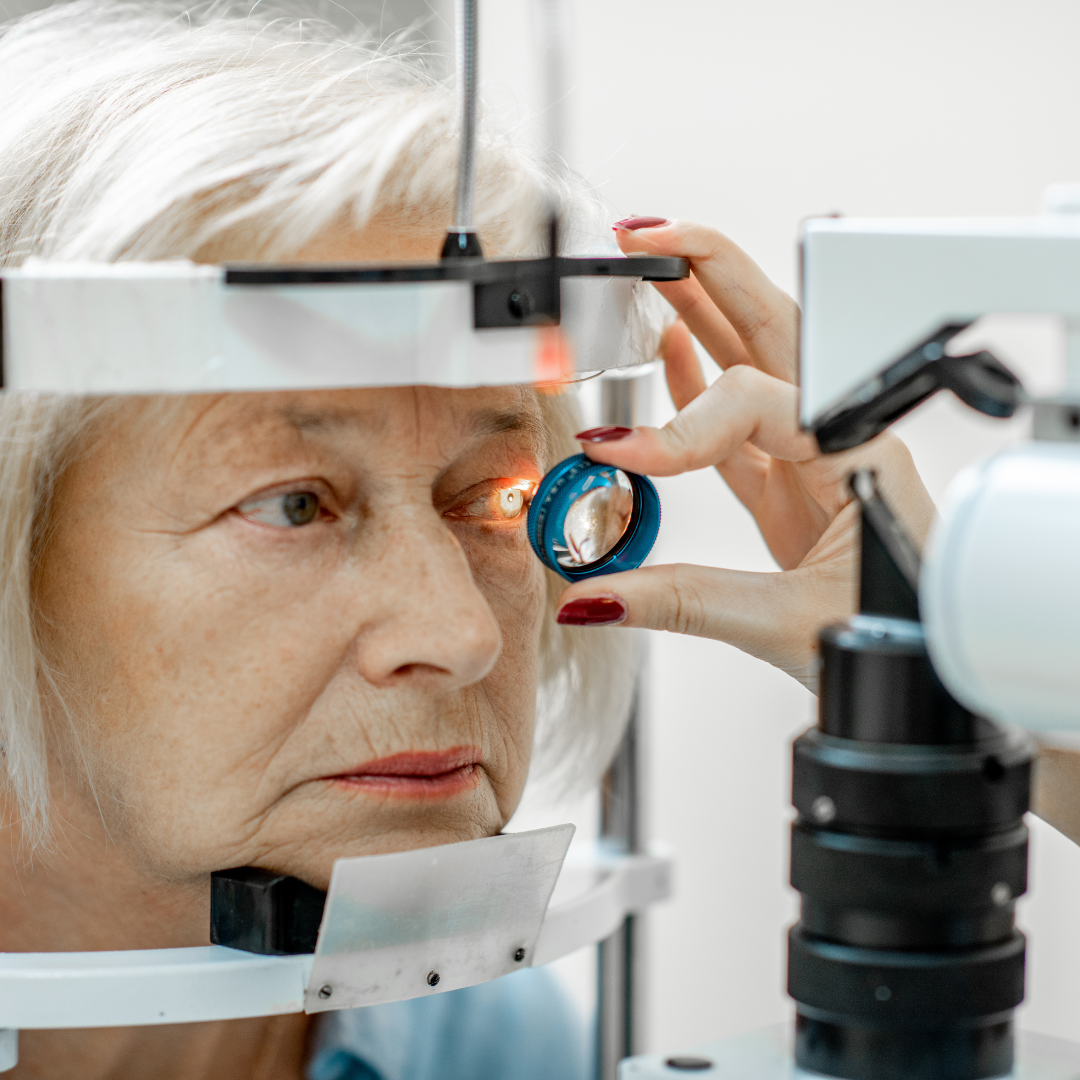
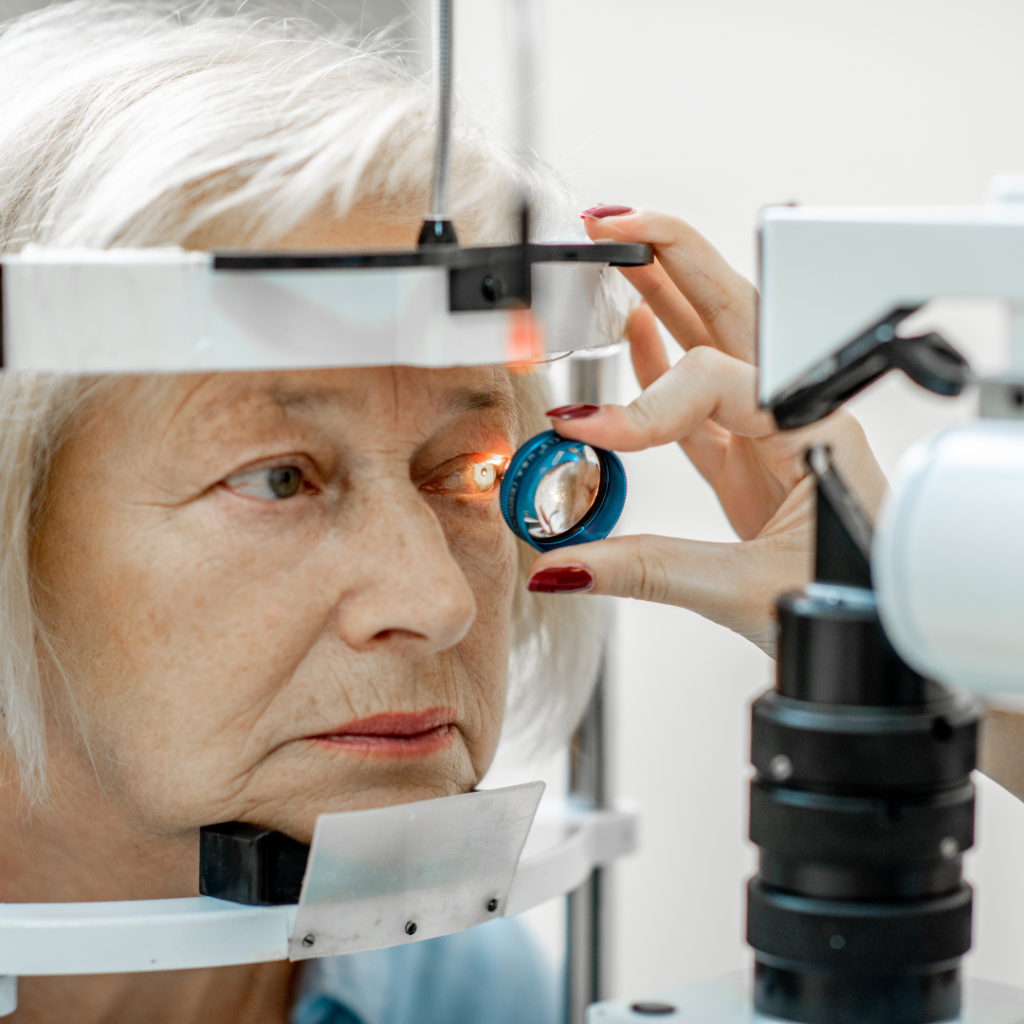
Why Routine Eye Exams are Crucial to Senior Health
Routine eye exams can help seniors in Calgary, AB detect eye diseases early on.
Regular eye exams are an important part of senior care. But, why are routine eye exams crucial to senior health? Adults over the age of 60 are at a greater risk of developing certain eye diseases that can permanently affect their vision.
Seniors in Calgary, AB should visit their optometrist for a comprehensive dilated eye exam, which is needed to detect eye diseases. When eye diseases are discovered early on, treatment can help prevent permanent vision loss. For this reason, routine eye exams should be a part of every senior care plan.
Age-related eye problems often have early warning signs, and seniors should see their optometrists if they notice any changes to their vision. However, many eye diseases do not present any symptoms early on. Because they often develop painlessly, seniors have no idea they have the disease until it’s already progressed to a later stage.
Some of the most common vision disorders that affect seniors include:
- Cataracts: Cause cloudy or opaque patches in areas of the eyes that are normally clear. Depending on the location and size, cataracts can interfere with normal vision. They typically affect both eyes, but one eye is often worse than the other.
- Age-Related Macular Degeneration, or AMD: Affects the macula, which is what allows you to see fine details and colors. AMD causes central vision loss, but your peripheral vision remains intact. The disease makes it difficult or impossible to read, watch TV, drive, or even recognize faces.
- Glaucoma: A group of eye disorders in which optic nerve damage has caused vision loss. Older adults and people with a family history of glaucoma are at a greater risk of developing the disease. Peripheral vision may be impacted.
- Dry Eyes: Makes it more difficult for the eyes to produce tears.
- Diabetic Retinopathy: Occurs in people with diabetes and is the result of progressive damage to the blood vessels that nourish the retina.
- Retinal Detachment: The tearing or separation of the retina from its underlying tissue. Advanced health problems or trauma to the head or eye can cause retinal detachment.
Eye Exams Can Reveal Other Health Problems
When regular eye exams are part of a senior care plan, older adults are often able to learn other things about their health. Many chronic health conditions affect the eyes and present symptoms that only your eye doctor can pick up on, such as:
- Autoimmune disorders
- Diabetes
- Hypertension
- Cancer
- Thyroid disease
- High cholesterol
- Mental health
- Tumors
- Aneurysm
- Vitamin A deficiency
- Multiple sclerosis
Comfort Keepers® Calgary Can Help
At Comfort Keepers®, we create individual care plans for every client. These plans include wellness goals that consider physical, mental and emotional health. Our caregivers can help support physician-prescribed diet and exercise plans, provide medication reminders, provide transportation to appointments and help seniors engage in the activities they love the most. And, our caregivers can help senior stay connected with loved ones through video chats, phone calls and care updates. We believe that every senior should experience the best in life.
Contact the Comfort Keepers Calgary office to learn more about how we can help maintain safety, comfort, and happiness in the home.
Vision Loss in Seniors


Seniors in Calgary, AB with vision impairment may feel depressed, anxious and unable to engage in their daily activities. The home care services offered by Comfort Keepers can help.
Vision loss in seniors is one of the most traumatic health issues seniors face. Vision impairment makes it more difficult to prepare meals, go for walks, or even use the telephone. Many seniors with vision loss feel as if they are unable to engage in the daily activities they love.
Vision impairment is a major contributor to disability and a primary reason why families seek home care for their senior loved one. Many older adults experience diminished quality of life and loss of independence as a result of their vision loss.
Vision Loss Creates a Vicious Cycle
Research shows that seniors with vision loss have greater difficulty engaging in daily activities than those with other chronic conditions. Older adults with vision loss also tend to have a greater number of chronic conditions, such as heart disease, diabetes and stroke. This may be attributed to the fact that seniors with diminished eyesight tend to have poorer diets and are less physically active. Poor eyesight makes it difficult or impossible to safely prepare meals at home. Vision loss also makes it more difficult to walk and get outdoors for exercise.
As a result of all of these effects, seniors with vision impairment tend to have higher levels of depression and anxiety. Studies have shown that the depression and anxiety associated with vision loss is more detrimental than the vision loss itself. Seniors become more depressed as their eyesight worsens, and in turn, that leads to more medical problems. It creates a vicious cycle.
Comfort Keepers® Calgary Can Help
At Comfort Keepers®, we create individual care plans for every client. These plans include wellness goals that consider physical, mental and emotional health. Our caregivers can help support physician-prescribed diet and exercise plans, provide medication reminders, provide transportation to appointments and help seniors engage in the activities they love the most. And, our caregivers can help senior stay connected with loved ones through video chats, phone calls and care updates. We believe that every senior should experience the best in life.
Contact the Comfort Keepers Calgary office to learn more about how we can help maintain safety, comfort, and happiness in the home.
Age-Related Macular Degeneration: Helping Seniors Fight This Eye Condition with Home Care

Age-Related Macular Degeneration
Age-Related Macular Degeneration | A good thing about age-related macular degeneration is that it doesn’t lead to total blindness, even if not treated. The bad thing is that it can diminish the eyesight of the seniors so much that they’re no longer capable of taking care of ordinary living tasks on their own.
The best way to battle age-related macular degeneration is to do all in your power to prevent it. This goes double for the seniors who have the family history of this condition. When it comes to prevention, it’s all about a healthy lifestyle.
To prevent this condition from occurring, people are advised to embrace the following habits:
- Eat a diet that’s rich in healthy fats
- Take vitamin and mineral supplements
- Exercise regularly
- Choose walking instead of driving when not in a hurry
- Say goodbye to smoking and excessive drinking
- Keep blood pressure levels in check
On top of everything, it’s also important to have your eyes checked on a regular basis. If diagnosed in time, this condition can be slowed down or even reversed. However, if left untreated, age-related macular degeneration can have horrific consequences on the eyesight of the sufferer.
In the cases of severe age-related macular degeneration, the patient is usually incapable of living on their own any longer. This is why many seniors suffering from this condition decide to move into a nursing home. Others ask their family members to help them out.
The problem is that neither of these two solutions is good enough. The best thing you can do for your senior is hired professional home care providers like those from Comfort Keepers. This senior home care agency offers services specially designed for age-related macular degeneration sufferers. With the help of the home care providers, the senior will be able not just to learn how to live with it, but also maybe even reverse its symptoms.
Comfort Keepers® Calgary Can Help
At Comfort Keepers®, we create individual care plans for every client. These plans include wellness goals that consider physical, mental and emotional health. Our caregivers can help support physician-prescribed diet and exercise plans, provide medication reminders, provide transportation to appointments and help seniors engage in the activities they love the most. And, our caregivers can help senior stay connected with loved ones through video chats, phone calls and care updates. We believe that every senior should experience the best in life.
Contact the Comfort Keepers Calgary office to learn more about how we can help maintain safety, comfort, and happiness in the home.
Personal Support Worker Services for Seniors with Vision Impairment
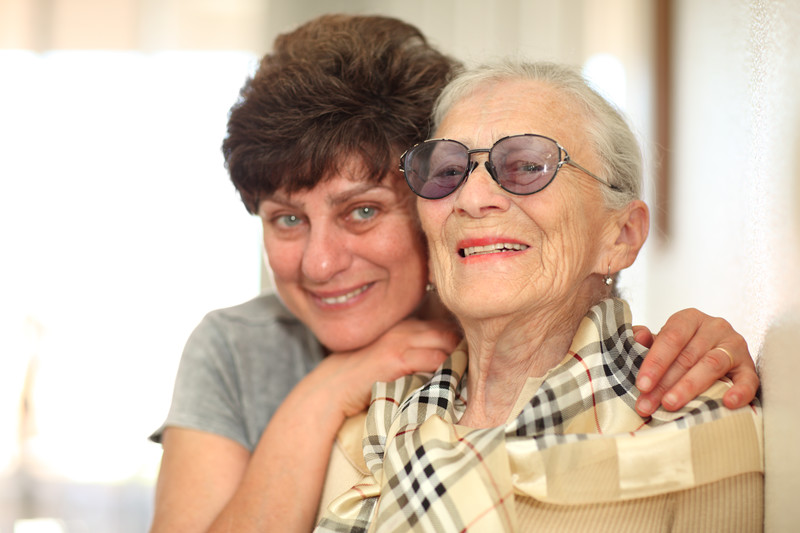
Seniors with Vision Impairment
More than 75% of seniors with vision impairment are over the age of 65 and experience some type of vision problem. Some are caused by medication, some are caused by age, and some are caused by other factors; however, all types of visual impairment can make it difficult for seniors in Calgary, AB to live alone at home safely. Seniors who experience vision problems often find that a personal support worker is a big help with tasks around the house like cleaning or cooking.
Maintaining a healthy lifestyle can also help seniors manage some eye problems like dry eyes or low vision. Getting regular exercise to increase blood flow and the flow of oxygen within the body is important. As well as eating a healthy diet high in vitamins and Omega 3 fatty acids.
Learn more about some of the most common problems seniors with vision impairment experience:
Cataracts
Cloudy areas of the eye lens that develop with age and cause poor vision are known as cataracts. Seniors with cataracts may find that things look blurry, hazy, or less colorful and will likely require glasses or contacts or cataract surgery.
Dry Eyes
When a senior does not have enough tears to lubricate and nourish their eye, they likely have dry eye. Dry eyes can be treated by adding tears, conserving tears, increasing tear production, and treating the contributing eyelid or ocular surface inflammation.
Glaucoma
Glaucoma is a group of eye diseases that damage the optic nerve. It doesn’t show any symptoms early on, but can be diagnosed through regular eye exams and can lead to vision loss or blindness. It can be treated with pills, eye drops, and surgery. A Comfort Keepers personal support worker can help your senior loved one in the Calgary area with personal care, medication management, meal preparation, light housekeeping and much more.
Low Vision
A term that refers to a visual impairment that cannot be corrected through glasses, contacts, pharmaceuticals, or surgery is known as low vision. Vision training, low vision devices, and rehabilitation can help seniors with low vision improve their life.
Are-Related Macular Degeneration
Age-Related Macular Degeneration is a condition that affects the macula, which is the center of the retina and responsible for the acute vision necessary for driving, reading, and performing other activities that require sharp or straight ahead vision. Although most people with AMD have dry AMD, wet AMD does affect a small number of seniors.
Living with impaired vision can be scary for older adults and their families who worry about their safety. A trained personal support worker or caregiver can provide the assistance and companionship your elderly loved one needs to stay safe and comfortable in their own home. Comfort Keepers can also provide reliable transportation for your family member who can no longer drive.
Comfort Keepers® Calgary Can Help
At Comfort Keepers®, we create individual care plans for every client. These plans include wellness goals that consider physical, mental and emotional health. Our caregivers can help support physician-prescribed diet and exercise plans, provide medication reminders, provide transportation to appointments and help seniors engage in the activities they love the most. And, our caregivers can help senior stay connected with loved ones through video chats, phone calls and care updates. We believe that every senior should experience the best in life.