


SEPTEMBER IS #NationalPreparednessMonth
Steps Seniors Can Take to Prepare for Natural Disasters | We often underestimate the volatility of Mother Nature, forgetting that our possessions, our homes, and even those we love can be taken away from us in the blink of an eye because of a tornado, hurricane, wildfire, flood, or any number of other natural disasters. Of course, we’ve gotten smarter and more sophisticated with the way these catastrophic events are forecasted and handled. Local officials have detailed plans for evacuations, and relief teams are at the ready to help however possible. Experience also counts for a lot. Think of how many disasters you’ve witnessed up to this point, and how the learnings from those experiences will aid you and others in any future events. Seniors, in particular, have a wealth of knowledge to pull from.
#DYK | The Red Cross delivered more food, relief items, and shelter stays in 2017 than in the last four years combined?
American Red Cross

Despite this knowledge and expertise, seniors are often those most vulnerable during natural disasters because of chronic health conditions or diminished hearing and vision. Even those in excellent health may just not be as agile as they once were. Fortunately, age-related limitations don’t have to stop seniors from being able to handle whatever Mother Nature throws their way. Below are some helpful tips that senior clients can follow – together with family caregivers – to prepare for natural disasters.
Steps Seniors Can Take to Prepare for Natural Disasters | Disaster Preparedness Tips
- Become and stay informed
- Study up on which natural disasters are likely to affect your area.
- Learn your community’s established response and evacuation plans.
- Sign up for text or email alert notifications available in your community.
- Create a supply kit that includes the following:
- Water for drinking and sanitation (1 gallon per person, per day – for at least 3 days)
- Non-perishable food (3-day supply)
- Medications (to last at least 7 days)
- First aid kit and manual
- Personal documents (ID, birth certificate, deed to home, medication list that includes dosages, etc.)
- Manual can opener
- Tools (screwdriver, wrench, pliers, etc.)
- Emergency blankets
- Personal hygiene items
- Change of clothes
- Cell phone and extra chargers
- Flashlights and extra batteries
- Battery-operated or hand crank radio
- Put a plan in place
- Determine who your emergency contacts are, and ensure that they know of community plans.
- Double check that you have a thorough list of family contacts, not only in your phone but also written down.
- Make an assessment of your home, and determine the best escape routes, considering specific factors such as limited mobility.
- Write down all plans so that you can reference them at any time.
- Check out ca. This is a nation-wide resource that connects millions of people to services for a number of situations, including emergencies and disaster situations.
Comfort Keepers® Can Help Seniors Prepare for Natural Disasters
Helping seniors and other adults feel safe and comfortable in their homes is what we prioritize at Comfort Keepers®, and part of that includes helping them feel prepared for any crises that may arise. Our caregivers can go through the above tips to ensure clients have what they need to safeguard against natural disasters. Contact the Comfort Keepers Calgary office to learn more about how we can help maintain safety, comfort, and happiness in the home.
References:
Red Cross. “Disaster Preparedness for Seniors by Seniors.” Web. 2018.
Ready.gov. “Seniors.” Web. 2018.
Take a Deep Breath: Stress Relief Techniques for Seniors in Calgary


Stress Relief Techniques for Seniors | In many ways, stress is a part of life for all of us. But for seniors, stress can have a larger affect on physical and mental wellness.
Having worries and concerns is natural, but it is more important as we get older to practice stress-reduction techniques to manage these thoughts.
The great news is that stress, and the techniques to manage it, are usually easy for most people to practice. Meditation, breathing exercises, physical movement and other tactics can help seniors continue to live the best quality of life and can even improve overall wellness.
Stress destroys cells in the hippocampus, a brain site responsible for memory storage and retrieval.
Why is it critical to manage stress for seniors?
As we continue to keep our homes and families safe during COVID-19, it’s even more important to focus on the mental health needs of our seniors when it comes to stress.
Several studies have shown that stress is linked to mental and physical problems, from anxiety and depression to hypertension and immune system complications. In fact, it’s estimated that stress increases the risk of heart disease by 40%, heart attack by 25%, and stroke by 50%. Not to mention the fact that stress can also exacerbate existing conditions – which can be very impactful for those with less efficient immune systems.
What can seniors do to manage their stress in a positive way?
Finding moments of joy and focusing on activities and hobbies that bring meaning and purpose can help seniors manage their stress. Fortunately, there are many more stress relief techniques that seniors can follow to help improve their own personal wellbeing. What senior clients use to manage their stress today can help better prepare them for any future stress.
Stress Relief Techniques for Seniors:
- Connection can help relieve stress. Seniors can call a friend or family member, have a video chat or spend time with loved ones when possible.
- Meditate at the same time every day or whenever feelings of stress or anxiety arise
- Practice deep breathing and mindfulness exercises
- Reach out to friends and family to connect and spend time together
- Follow a consistent exercise regimen and healthy diet, upon physician approval
- Journal or jot down thoughts and feelings at the end of each day – and be sure to take a moment to reflect on all the positive things that happened throughout the day
- Find a virtual volunteer opportunity to give back to the community
- Put together and execute a to-do list to increase productivity, decrease feelings of restlessness, and combat procrastination
- Join a yoga class or practice it at home (with physician approval)
- Listen to soothing or relaxing music, especially before bed
- Find a way to laugh, whether it’s by watching a funny TV show/movie or listening to a comedy album
Comfort Keepers® Calgary Can Help with Stress Relief Techniques for Seniors
At Comfort Keepers®, we have spent the last twenty years perfecting the art of helping seniors and other adults maintain their peace, happiness, and joy. To us, every moment in a senior’s life is a unique opportunity to foster positivity, going beyond daily tasks. Our approach to care is called Interactive Caregiving™, a philosophy centered around four central aspects of life: mind, body, nutrition, and safety.
What’s more, our trained caregivers are selected with one specific quality in mind: empathy. Care that is empathetic is care that starts in the heart, and it allows us to meet our clients’ exact needs.
Learn more about our unique service offering by contacting the Comfort Keepers Calgary office.
References
Healthline. “16 Simple Ways to Relieve Stress and Anxiety.” Web. 2018.
Huffington Post. “10 Health Benefits of Relaxation” by Sarah Klein. Web. 2014.
American Institute of Stress. “Improve Memory, Concentration, Productivity, and Health by Reducing Stress.” Web. 2018.
WebMD. “10 Relaxation Techniques That Zap Stress Fast.” Web. 2018.
The Positive Impact of Social Media for Seniors in Calgary

The Positive Impact of Social Media for Seniors | According to Pew Research, 59% of adults age 65 and older are online, and 46% of those adults are using social media.
Despite the myth that older people can’t manage technology because of cognitive deficits, seniors are flocking to social media at a rapid pace. In fact, Facebook, Twitter, Google+ (and Hangouts), Pinterest, and Instagram all note higher adoption rates among adults 65 and older ─ and see seniors as their fastest growing audience.
Seniors Benefit Socially, Mentally, and Physically from Social Media
Older adults who have had positive experiences on social media have reported elevated moods. An American Psychological Association (APA) study found that seniors who spend time on social media sites were more likely to participate in activities that can lead to greater health, such as cooking healthier recipes, and finding easier ways to clean and maintain their homes. The study also indicates that they have lower blood pressure and fewer instances of diabetes, and less negative health habits such as smoking, depression, or disease. This is attributed to the ability for self-education on any number of topics, and remaining in-the-know about the latest technology trends.
Social Media Keeps the Family Together
Facebook is particularly useful for linking up with loved ones. It makes for more frequent conversations and helps close the generation gap.
Sharing current photos allows seniors to see their grandchildren change and grow, and creates a closeness and involvement that may not have existed, especially if the family isn’t living close by. Video chats also are a great way to communicate in “real time”. There is also the opportunity to relive fond memories or create new ones through postings of photos and home videos.
59% of adults age 65 and older are online, and 46% of those adults are using social media.
Pew Research
Social Media and Family Peace of Mind
When a family lives apart, there can be stress and anxiety on both ends. Social media allows seniors and their families an easy way to check in as often as they wish. This is especially important if the senior is living alone and may experience ill health, a fall, or may not be eating or sleeping well, taking medications, or getting any form of exercise. Family caregivers can use social media to ask critical questions that will let them know what’s occurring in their loved one’s life.
Social Media Creates Community Engagement and a Sense of Belonging
Feeling connected is very important to any senior’s wellbeing. Social media allows the senior to make plans with others to meet up outside of the home. It also allows seniors who are unable to leave home to socialize online to combat loneliness.
Related Article: Combating Loneliness in Seniors
Shopping Online offers Convenience and Savings
Even if a senior can’t venture out of the home – due to physical limitations, inability to drive, or inclement weather, for example – he or she can always shop online and enjoy the ease of home delivery. In addition, there are lots of money-saving coupons and online sales, which can be especially convenient and sensible for those who are penny-pinchers or on a fixed income.
Some Precautions Should Be Taken
As a caregiver, you may want to monitor the senior’s activities. You may want to make sure that the loved one is not falling for phishing scams and the like. You may also want to make sure they are connecting with trustworthy people – especially if they are conversing in chat rooms and through blogs. Also watch their monetary spending – you don’t want your senior overspending on items they don’t need.
Learning How to Use Social Media
A great source for seniors – and family members – is AARP’s Social Media Education Center. There, you can find out about how to use specific (and commonly used) social media websites, apps, and blogs. Visit http://www.aarp.org/home-family/personal-technology/tek/social-media-education-center/
Comfort Keepers® caregivers also help families look after their loved ones. Our unique approach to in-home care,’ Interactive Caregiving™, can help by keeping senior clients engaged physically, mentally and emotionally while living independently at home.
References:
- SeniorCareCorner.com. “5 Benefits of Social Media for Seniors – Let’s Help Them Get Online.” by Barry Birkett. Web. 2015.
- NPR.org. “Why Are Seniors The Fastest-Growing Demographic On Social Media?” Web. 2013.
- AARP. Social Media Education Center. Web. 2015.
Comfort Keepers® Can Help
At Comfort Keepers®, we understand the importance of maintaining social wellness and offering technology solutions for the value it can bring to seniors’ lives. Our trusted caregivers not only provide meaningful companionship, but they can also help in getting seniors to and from places they need to go. We also offer technology solutions that can enhance socialization and keep seniors connected to their loved ones. For more information about Comfort Keepers’ services, reach out to the Calgary, Alberta office today.
If you liked this article; The Positive Impact of Social Media for Seniors, here a couple more suggestions:
Combating Loneliness in Seniors
How Senior Home Care Services Improve Our Mental Health
Social Wellness and Its Benefits to Seniors
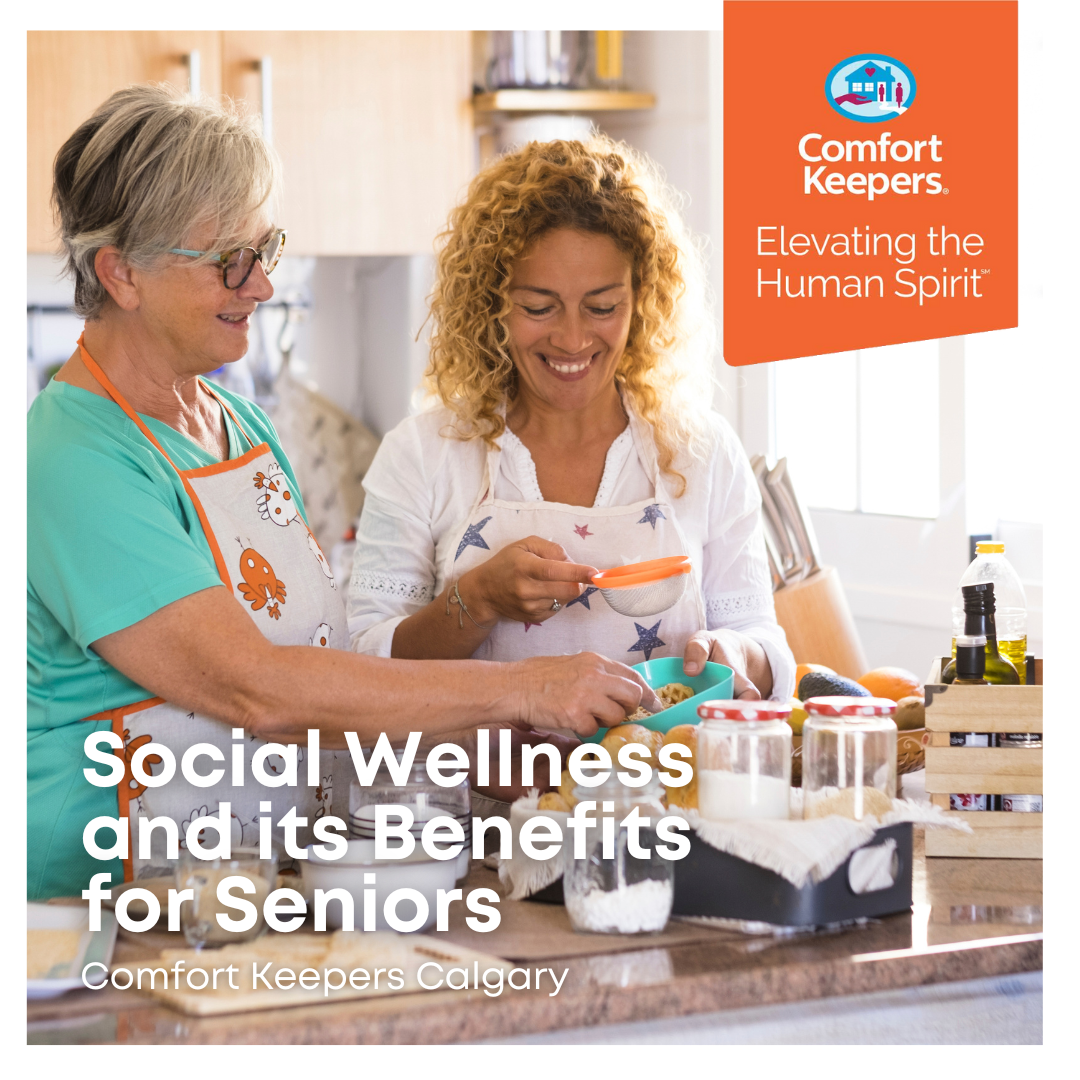
Social Wellness is a big piece of the puzzle
Social wellness and it benefits to seniors | When it comes to feeling our happiest and healthiest, two of the most significant factors are undoubtedly physical and mental wellbeing. There’s no question that staying fit, following a healthy diet, and keeping the brain sharp, are pivotal in shaping the way we live our lives.
But what about social wellness? Often described as one’s ability to communicate and maintain meaningful relationships with others, social wellness is just as vital as physical and mental wellness, and requires the same level of maintenance. As we age, it’s especially important that we foster positive social engagement to not only safeguard against isolation, but to also improve various aspects of our physical health.
According to Statistics Canada, over 24.6% of the Canadian population, 65 and over live alone.
Canada’s Guide to Retirement Living and Care
Why Is Social Wellness for Seniors Important?
Let’s face it, almost every aspect of life changes as we reach our senior years. Children may move away, friends and family may pass away, and certain health conditions may make it harder to fully enjoy the things we love doing. And as these changes occur, it’s important that we talk about them. Without a support system of friends and family in place, many of life’s events can slowly begin to take their toll on us and potentially lead to a downward spiral of loneliness, isolation, and even major depression. But by nurturing current relationships and taking steps to build new ones, seniors can create a reliable network that allows them to learn new skills, view things from different perspectives, and see how others effectively manage the challenges of aging.
Did You Know?: Socially active seniors had a 70% lower rate of cognitive decline than those who were less socialized.
Though it may go without saying, maintaining social wellness brings about a number of other health benefits as well. Not only can it help strengthen our immune system, but it can lead to better sleep and increased productivity. Studies also show that increased socialization can enhance our cognitive abilities and even reduce our risk of Alzheimer’s and dementia. In fact, one study showed that socially active seniors had a 70% lower rate of cognitive decline than those who were less socialized.
What Can Seniors Do to Improve their Social Wellness?
One of the barriers some seniors may face is that they may not know what opportunities are available to them. That’s why we’ve put together a list of some of the ways seniors can begin to build and maintain their social connections:
- Volunteer, or become involved in community efforts and activities.
- Join a senior center, and make connections with like-minded individuals.
- Continue learning through online courses or those offered by universities and community colleges.
- Find a new hobby or interest, or revisit old ones.
- Invite a friend or friends over for coffee or tea.
- Take a part-time job.
- Offer assistance to someone in the family.
- Join an exercise group or class.
- Reach out to those at a church, synagogue, temple, or other place of worship to sign up for upcoming events.
- Utilize social media to stay connected with friends and families (near and far).
Have you Heard about The National Day of Joy? | Social Wellness and Its Benefits to Seniors
On Wednesday June 29, 2022 celebrate the #NationalDayofJoy with Comfort Keepers Calgary!
No matter who we are, where we are, our age, or what we went through, one thing is universally true: we all could use more joy in our lives!
On the last Wednesday of June, simply take some time and do something that brings joy to yourself or others. If you feel inspired to share your joy stories with the world, post your Day of Joy activity on social media using #NationalDayofJoy. We can’t wait to see what you’re up to!
https://www.comfortkeepers.com/dayofjoy
Comfort Keepers® Can Help
At Comfort Keepers®, we understand the importance of maintaining social wellness and the value it can bring to seniors’ lives. Our trusted caregivers not only provide meaningful companionship, but they can also help in getting seniors to and from places they need to go. Whether it’s a trip to the senior center to visit friends, or to the local college for a weekly class, we’ll be there to help. We also offer technology solutions that can enhance socialization and keep seniors connected to their loved ones. For more information about Comfort Keepers’ services, reach out to the Calgary, Alberta office today.
References:
Psychology Today. “The Health Benefits of Socializing” by Angela K. Troyer Ph.D. C. Psych. Web. 2018.
Everyday Health. “How to Stay Socially Engaged as You Age” by Krisha McCoy. Web. 2018.
How Stuff Works – Health. “Top 5 Ways for the Aging to Remain Socially Engaged” Web. 2018.
Keeping the Senior Mind Healthy & Active

Keeping The Senior Mind Healthy & Active | While decreased mental capabilities are a normal part of aging, it is important to keep in mind that healthy lifestyle choices can prevent memory loss and other cognitive issues. At Comfort Keepers Calgary, we have a vast experience helping older adults adopt and maintain healthy, mind-boosting routines that do wonders for both their cognitive health and mood.
Mental Benefits of Physical Activity for Seniors
Most people know that physical activity plays an important role in human health, keeping our bodies in good shape and condition. However, not too many folks are aware that exercising also comes with plenty of benefits for the mind. For example, medical professionals believe that engaging in physical activity on a regular basis can even prevent dementia! According to a study that followed women over 65 determined that those who walked more during the day were healthier and less likely to experience a diminishment in their mental abilities.
#DYK – According to a study that followed women over 65 determined that those who walked more during the day were healthier and less likely to experience a diminishment in their mental abilities.
Understanding the benefits of physical activity, at Comfort Keepers Calgary, we encourage seniors to stay physically active and assist them with their personalized exercise routines.

Benefits of Mental Exercises for Seniors
Not many people know that mental exercises exist and that they really work. Researchers discovered that even those daily activities we perform every day, like using a computer, can keep our brains healthy for longer; slowing down the effect aging has on our mental capacities.
Comfort Keepers Calgary promote mental activity among our clients, making sure that the activities they perform bring them joy and mental engagement as well. Some of the most common activities for seniors include board games, puzzles, baking, gardening, and sewing.
#DYK – Seniors age 65 and older should get at least 2.5 hours of moderate aerobic exercise (such as brisk walking) every week.
https://familydoctor.org/exercise-seniors/
Benefits of Socializing for Seniors
Loneliness can take a serious toll on both our mental health and agility. Since socializing brings happiness to our lives and also provides opportunities for mental exercise, we make sure that our caregivers are compatible with the clients they care for so that they could develop a strong, positive bond and enjoy the experience.
Related Article: Combating Loneliness in Seniors
Keeping the Senior Mind Healthy & Active | We Help Seniors with Worsened Mental Functions
Our care providers assist and support seniors with decreased mental functions. We provide the following services:
- Medication, food, and fluid reminders
- Assistance with household tasks and chores, such as cooking and cleaning
- Transportation in the area
- Running errands
- Companionship and interaction
We have worked with many seniors diagnosed with dementia and we can ensure that your loved one leads an active, happy life at home, regardless of their condition. We offer personalized care plans that can be altered at any time and provide unparalleled flexibility in terms of scheduling care. Give us a call today to learn more about how we can help your parent!
Comfort Keepers® Can Help
Comfort Keepers can help. Our caregivers can provide wellness support, remind clients to take medication, provide transportation to scheduled appointments, and support physician-prescribed exercise regimens and diets. As part of an individualized care plan, caregivers can let a senior’s care team know if there are changes in behavior or physical characteristics. Our goal is to see that clients have the means to find the joy and happiness in each day, regardless of age or acuity.
To learn more about our in-home care services, contact your Comfort Keepers Calgary today.
Bonus Article: What to Expect with In-Home Care
Reducing the Risk of Pneumonia in Seniors

Reducing the Risk of Pneumonia in Seniors
Reducing the Risk of Pneumonia in Seniors | Pneumonia may be caused by bacteria, viruses, or fungi, and results in inflammation and decreased circulation to one or both of the lungs. As circulation to the lungs decreases, oxygen in the blood declines. While cases of pneumonia can range from mild to severe, seniors are much more susceptible to this disease than normal, healthy adults. Similarly, once they have this condition it takes them longer to recover from it, especially those who are frail who may require up to several months to return to health.
If you are a caregiver, it is essential to understand how to reduce the risk pneumonia in seniors, and spot the symptoms should they occur.
Risk Reduction Strategies for Pneumonia in Seniors
- Frequent hand washing is very important. One of the reasons pneumonia is so common among seniors is that it can quickly spread in locations where they meet, such as senior centers, places of worship, or other social gathering places. Many germs and other microbes are spread through touch, and hand washing can dramatic reduce the spread of illness. It is a good idea to remind seniors to wash their hands regularly, especially in winter. At home, post signs above wash areas/sinks to remind the senior to wash his or her hands routinely and use hand sanitizers.
- Keep up with regular dental hygiene. Remind seniors about good dental care. Pneumonia can occur from tooth and gum infections, so daily brushing and flossing ─ or keeping dentures clean ─ is a must. Germ-killing mouthwash is also helpful.
- Immunizations are key. The Mayo Clinic and the National Heart, Lung and Blood Institute both advise seniors and anyone at risk for pneumonia to get vaccinated against bacterial pneumococcal pneumonia. It’s a one-time vaccine that can prevent or reduce the severity of pneumonia. His or her doctor may also recommend a booster vaccine after five years. It’s also a good idea to vaccinate seniors against other illnesses that can lead to pneumonia, particularly influenza.
- Talk to seniors about smoking. Smoking is a major risk factor for pneumonia. It greatly increases a person’s likelihood of getting the disease because it harms the ability of the lungs to defend against infection. Quitting smoking altogether can help at-risk seniors fend against pneumonia.
- Encourage good general health. Good overall health habits are critical to preventing pneumonia in seniors and keep the immune system strong enough to fight off infection. Help them follow appropriate nutritional guidelines for seniors (and any pre-existing conditions), and encourage them to get plenty of rest and physical exercise.
Related Article: Post Hospital Care After Pneumonia
Be Familiar with the Symptoms of Pneumonia in Seniors
The incidence of pneumonia increases with age, and seniors with pneumonia complain of fewer symptoms than do younger people. That’s why it is important that you be aware of the following symptoms:
- Coughing
- Chest pain
- Chills
- Fever
- Confusion
- Fatigue
- Shortness of breath
- Delirium
- Worsening of chronic confusion
- Falls
As soon as these symptoms appear, the senior should be taken to a doctor. Pneumonia is a serious illness, so it should be treated as such and strict standards should be maintained to help him or her prevent – or cope – with it.
Bonus Article: Vaccines Can Help Prevent Pneumonia
Comfort Keepers® can help.
Our trained caregivers help provide senior clients with the highest quality of life possible to keep them happy and healthy at home. Our Interactive Caregiving™ engages clients physically, emotionally, mentally and socially ─ and provides a system of care that addresses safety, nutrition, mind, body, and activities of daily living (ADLs). Contact Comfort Keepers Calgary for more information on services provided to Seniors in Calgary, Alberta.
References:
Assisted Living Today. “Pneumonia in the Elderly – Simple Tips for Prevention and Treatment”. Web. 2015.
Oxford Journals: Clinical Infectious Diseases. “Community-Acquired Pneumonia in the Elderly” by
Thomas T. Yoshikawa. Web.
Medical News Today. “Top 10 Causes of Death in the US”. Web. 2015.
New York Times. Health Guide. “Pneumonia – Adults (Community Acquired)”. Monday, November 2, 2015.
Cold Weather Falls are Avoidable

Cold Weather Falls are Avoidable
Cold weather falls are avoidable for seniors: Each year, one in every three adults age 65 and older falls. A variety of studies have shown a high correlation between cold weather and an increase in falls among older adults, too. The chances for falls in colder weather increases significantly after age 65, and dramatically for seniors 75 years and older.
Unfortunately, other statistics about seniors and fall-related injuries are alarming as well;
- Falls are the leading cause of injury at home among Canadian 65 years and older.
- Falls accounted for 59% of all emergency visits and 79% of hospitalizations due to injury.
- Older Canadians are nine times more likely to suffer an injury from a fall leading to hospitalization and even death.
- Falls are the leading cause of injury-related death among those age 75 and older.
Once cold weather comes, seniors should be aware of their increased risk for falls. Snow and ice is a danger for anyone who ventures outdoors in winter, but it is especially unsafe for older adults for a variety of reasons:
- As seniors age, sensation in their feet may decline, especially if they have arthritis, diabetes, poor circulation, or complications from a stroke. A decrease in sensation can affect proper balance. For this reason, venturing outdoors in cold weather can cause an added risk for them.
- Seniors are more likely to be on multiple medications, which can sometimes cause side affects that make falling easier such as mild dementia or dizziness.
- Many seniors walk with an unsteady gait compared to when they were younger. Also, if seniors don’t practice good exercise habits, muscles can lose strength and elasticity, thereby leaving older adults more susceptible to falls.
Cold Weather Falls are Avoidable: Take good care year round to prevent falls in winter
Those seniors who work hard to maintain and even increase their flexibility, strength, balance and endurance are less likely to fall. Occupational therapists recommend routine exercise year round so senior adults stay healthy. Even something as simple as a healthy diet can reduce your chance of falling year round—and especially—in wintertime.
Related Article: In-Home Care Can Help Reduce Readmission
Another important healthy habit that can help prevent falls is getting routine eye exams. If you are wearing the wrong prescription eyewear, your chance of falling is much greater. Taking care of your eyes as you get older can help catch problems early such as glaucoma or cataracts. Since these and similar conditions get gradually worse, it’s easy to miss how serious they have become over time.
Finally, maintaining good relationships with your physician and pharmacist are important for year round health so side affects from medication that could lead to falls are monitored and prevented. Keep in mind that cold and flu remedies often contain ingredients that make some people drowsy.
Cold Weather Falls are Avoidable: Stick to Common Sense Adages
Perhaps the adage, ‘an ounce of prevention is worth a pound of cure’ is so popular because it’s true. The best time to get prepared for winter is long before it arrives.
Senior care experts recommend these preventive safety tips to prevent falls:
- Maintain your exercise habits as the weather starts getting colder. It’s hard to stay motivated to exercise when you’re homebound. But lots of indoor exercises can keep you fit when you can’t venture out. Stand at a counter and do knee-bends, or practice balancing on one leg (always near something you can grab if necessary). March in place, or stand up from a couch, sit down and stand again to help keep legs strong. Consult with a doctor or exercise specialist to help you develop a more complete indoor exercise program.
- If you feel fatigued stay at home. Getting out can help cure the winter blues, but know and don’t push your limits. Going out when you’re not at your best is putting yourself at risk for a dangerous fall. Consider utilizing delivery services from pharmacies or grocery stores.
- Have a safety plan. Carry a cell phone or other alert device so you can get help quickly in the event of a fall. Don’t use assistive devices without practicing at home. Rely on others. Let them know where you are, and ask yourself, “If I fell here, what would I do?” This will remove some of the panic that might set in if you do fall. Make sure outdoor light bulbs are working before winter starts. Consider adding some additional light sources outside your home. Hire someone ahead of time to shovel snow and salt your sidewalks.
- Wear the right clothing. You might be used to getting dressed up for church and other favorite activities, but in the winter, stick to rubber-soled shoes with a non-skid surface. Bundle up but make sure you can move easily and see in all directions. Do some light stretching before you venture out; it will make you physically more able to prevent a fall.
- Don’t assume anything. Blacktop may look just wet, but cold weather causes black ice to form fast. Don’t be tempted to think you can make a quick trip to the mailbox in your indoor shoes. Sometimes grassy areas can be less slick than road surfaces.
- Look for products that could keep you safe. You can find ideas by visiting websites, at orthopedic stores and through your visiting nurse or physician. Shoe chains are an example. These products fit on the bottom of shoes, adding traction for walking outdoors in snow and ice.
Unfortunately some studies indicate that falls among seniors are on the rise. Keeping all these tips and information in mind can help prevent you from being among those senior adults who sustain an injury by falling in winter.
Comfort Keepers®Can Help
Maintaining senior health and wellbeing is a priority for the team at Comfort Keepers®. Our caregivers can assist in providing seniors with transportation to and from the doctor’s office or clinics to receive their vaccinations. In addition, caregivers can also work to promote a healthy lifestyle by supporting physician-recommended diet and exercise plans, as well as medication reminders. Contact your the Comfort Keepers Calgary office today to learn more.
Bonus Article: The Comfort Keepers Difference
—
References
“Cold Weather Tips for Seniors,” by Chase Patton, an Appalachian Agency for Senior Citizens news article, www.aasc.org.
“Monday Top Tips: Stay Safe this Holiday Season; Tips to Prevent Falls in Winter Weather, by Rupali Joshi for Hospital for Special Surgery, www.hss.edu.
“Falls Prevention: A practical guide for preventing falls,” by the editors of the Cornwall Council, www.cornwall.gov.uk.
“4 Simple Steps to Prevent Falling: Improve Your Body Balance with Exercise,” About.com Senior Living
“Trauma and Falls in the Elderly,” by Miriam T. Ashkenasy, M.D. and Todd C. Rothenhaus, M.D., for the Emergency Medicine Clinics of North America, www.emed.theclinics.com.
In-Home Care Can Help Reduce Readmission

In-Home Care Can Help Reduce Readmission
In-Home Care Can Help Reduce Readmission – With hospitals facing penalties for high rates of readmissions for specific diseases, doctors and other medical personnel are seeking ways to reduce the chance that seniors land back in the hospital after an initial stay. New research shows 1 in 12 patients are back in an inpatient bed within 30 days of being discharged from a Canadian hospital. Kathleen Morris, director of health system analysis and emerging issues at the Canadian Institute for Health Information (CIHI), said unplanned readmissions cost the health system an estimated $1.8 billion over an 11-month period. There are many reasons seniors may need to be readmitted to the hospital, but those that have garnered the greatest interest are preventable causes.
Fast Facts
Many hospital readmissions can be avoided if patients, families, caregivers, and hospital staff prepare for the patient’s day of discharge well in advance.
In-Home Caregivers Can Help Reduce Hospital Readmission after Discharge
Research indicates that caregivers are critical in helping seniors overcome some of the main preventable causes for returning to the hospital. Consider the following:
- Many seniors are unable to appropriately follow prescribed medication schedules. When you consider that, on average, seniors with chronic conditions fill 50 different prescriptions annually, it is not difficult to imagine how someone could get confused about the new medicines prescribed by hospital medical staff. Caregivers can not only remind seniors to take medications as prescribed, but they can also help seniors keep a list of those medications and their dosages so the information is readily available when the older adult visits the doctor.
- Failing to follow up with the family care physician after a hospital discharge is also a main reason for hospital readmissions. A full two-thirds of patients readmitted to the hospital would have avoided that trip if they had seen their physicians within two weeks for follow up. The reasons for not following up vary but can include transportation difficulties and forgetting to make or keep appointments. Hospital staff can aid the senior by setting up appointments for the individual before discharge, and caregivers can help ensure that the senior gets to those appointments on time.
- Having a discharge plan for the senior before he or she leaves the hospital can be crucial for recovery, but when a person is ill, it is difficult to focus on critical information. Caregivers can make an impact when armed with the senior’s discharge plan. They can help the senior follow the plan and notify the family or other approved individuals when there are problems or changes with the senior. They can also help explain the information or ensure that the appropriate persons are notified if the older individual has questions about his or her course of treatment. This takes the stress off of the senior so he or she can focus on recovery.
Related Article: Post Hospital Care After Pneumonia
While some seniors may have family and friends to help them once they leave the hospital, many do not. In these cases hospital staff often take measures to ensure the senior has the assistance of a professional caregiver before the senior leaves the hospital. Even those who have the assistance of friends and family can benefit from a professional caregiver during those times that family caregivers are unavailable.
Comfort Keepers®Can Help
Maintaining senior health and wellbeing is a priority for the team at Comfort Keepers®. Our caregivers can assist in providing seniors with transportation to and from the doctor’s office or clinics to receive their vaccinations. In addition, caregivers can also work to promote a healthy lifestyle by supporting physician-recommended diet and exercise plans, as well as medication reminders. Contact your the Comfort Keepers Calgary office today to learn more.
Bonus Article: The Comfort Keepers Difference
References
American Hospital Association. (September 2011). Examining the drivers of readmissions and reducing unnecessary readmissions for better patient care 2011 AHA Policy Research. Retrieved from http://www.aha.org/research/policy/2011.shtml.
Robert Wood Johnson Foundation. (February 2013). Ten things you should know about care transitions. Retrieved from http://www.rwjf.org/content/dam/farm/toolkits/toolkits/2013/rwjf404086.