


How to Reduce Social Isolation in Older Adults: A Guide for Families
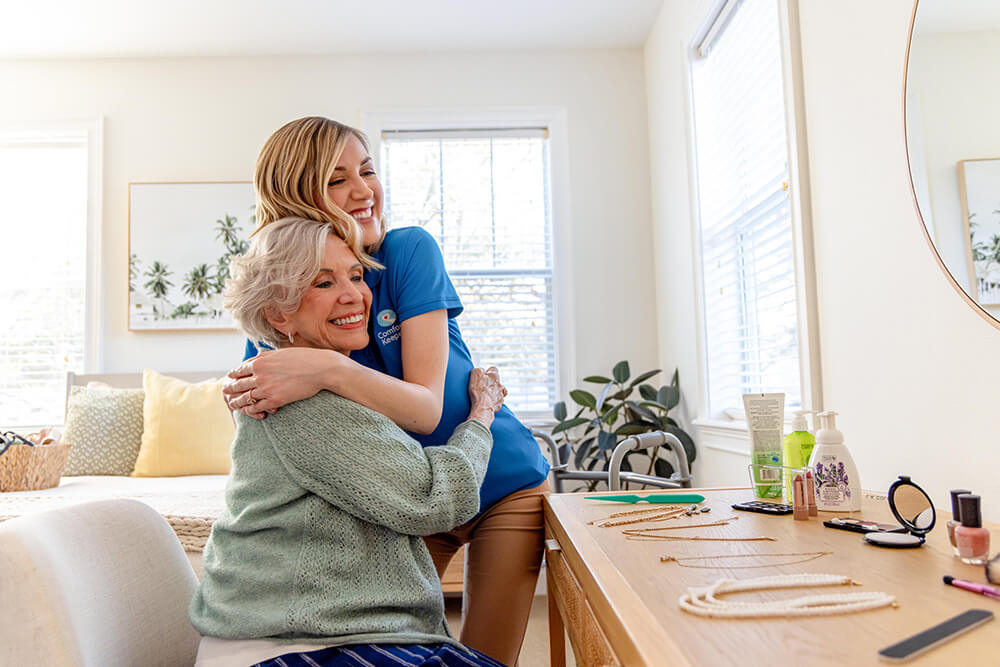
At Comfort Keepers® In-Home Senior Care Ottawa And Kanata, we have noticed that social isolation in older adults is not a trait of an introverted personality, but rather a change that can be associated with various illnesses common to this stage of life
The problem of social isolation among older adults in Canada
The World Health Organization estimates that approximately one in four older adults is socially isolated, but what many people are unaware of is the impact this has on the health of our loved ones, as cognitive decline accelerates, hospital readmission rates skyrocket, and depression becomes more difficult to treat, not because the medications stop working, but because the patient has stopped believing that anyone is waiting for them to get better.
However, most families discover isolation too late. Not because they weren’t paying attention, but because the person who is isolating themselves doesn’t know how to communicate it.
At Comfort Keepers® In-Home Senior Care Ottawa And Kanata, our goal is to provide our patients with all the physical and emotional tools they need to enjoy a dignified old age.
What causes social isolation?
Broadly speaking, social isolation in older people is due to the changes they experience when they reach this stage of life: retirement, loss of their spouses, empty nest syndrome, among other causes. It is important for them to find new reasons to live.
What isolation really looks like
It is important to start from the premise that not everyone expresses their emotional difficulties in the same way, but there are certain signs that often appear, such as constant mood swings, neglect of personal hygiene and eating habits, abandonment of activities they previously enjoyed, etc. A notable consequence of isolation is memory deterioration.
These are not signs of laziness or deterioration in executive function. They are signs that the reward for effort has disappeared. Questions arise such as: Why cook for one? Why walk to the mailbox if no one writes?
The instinct is to suggest activities such as joining a book club, volunteering, or calling a friend. But if your father can’t hear well enough to follow a conversation in a crowded room, the book club becomes another reminder of what he has lost. If your mother is afraid of falling on the street, “get out more” sounds insensitive.
An effective intervention begins by matching the solution to the specific barrier—not the generic barrier, but the real one.
How can you help an older adult who is socially isolated?
Expert caregivers from Comfort Keepers® In-Home Senior Care Ottawa And Kanata who prioritize social integration
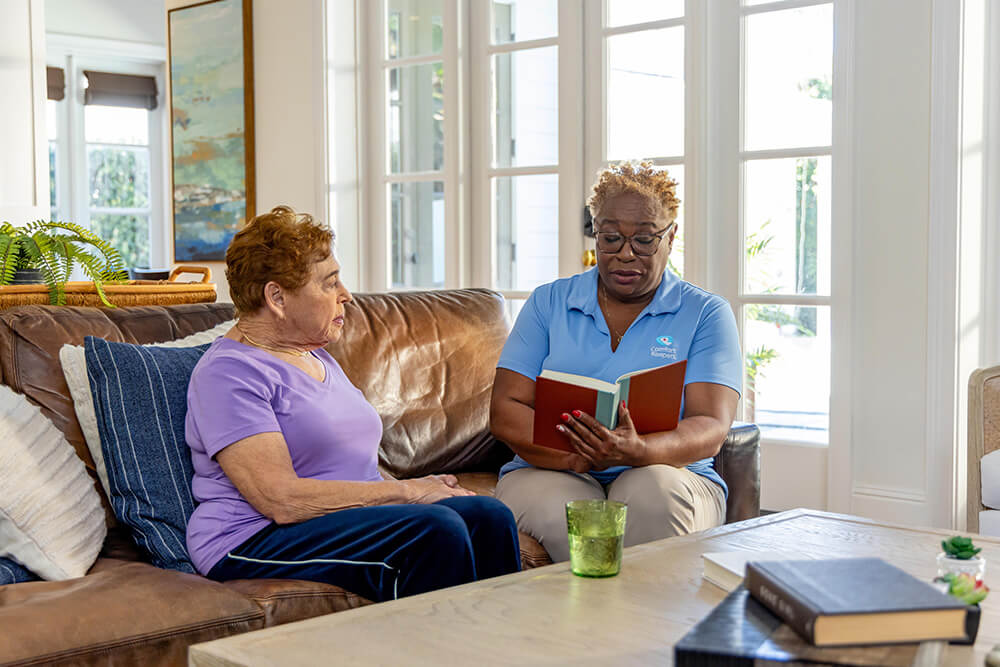
Many attempts to help fail because they require the isolated person to initiate contact. They must call, sign up, and introduce themselves to others. Each step is an obstacle for a mind that is tired.
Successful interventions reverse this dynamic. Contact comes to them, on a fixed schedule, without requiring reciprocal effort.
A home caregiver for seniors who arrives every day at 9 a.m. provides something more valuable than help: predictability. The older adult knows that every morning, someone will come. The day takes shape. There is a reason to shower, to make tea, to be ready at the window.
That is why professional companionship is effective even for seniors who are initially resistant.
Be aware of generational differences
Requests for older adults to “learn how to make video calls on Zoom” or “get on Facebook” often fail because the learning curve is too steep for a generation that did not have access to these technological advances at an early age.
A good alternative is digital photo frames that can be remotely uploaded by family members. Keeping them connected to memories that make them happy can be a good grounding force, and you avoid tedious logins. Our loved one simply glances at a continuous slideshow of grandchildren, vacations, and family pets.
The frame itself becomes an icebreaker. The home caregiver who lives with the older adult asks about the photo, and the older adult narrates. Memory is exercised through the natural act of telling someone a story.
Purposeful activities
It is assumed that the goal is to keep older adults busy with activities such as bingo, crafts, or singing together. These activities fill time but do not restore purpose.
Purpose comes from feeling part of something bigger, being responsible for something that requires attention.
A garden, even a small one, requires daily supervision. A cat needs to be fed. A regular volunteer shift at a food bank or church requires responsibility.
The activity itself matters less; what matters is that they feel at all times that their presence is still important to society.
When to Seek Professional Support
Families often wait too long to seek help because they cannot agree on what constitutes “sufficient” deterioration.
One sibling sees a parent who is managing. Another sibling sees the same parent and notices unopened mail, expired milk, and the television blaring in an empty room.
There is no objective threshold. But there is a useful question: Does this person go more than five consecutive days a week without having any meaningful conversation?
A meaningful conversation is not “How are you?” in the supermarket checkout line. It is an exchange that requires memory, empathy, and response. It is someone asking about the past and listening to the answer. It is being known.
If the answer is yes, the isolation has already progressed beyond what family members can resolve with weekly visits and phone calls. The interval between contacts is too wide. Isolation is reestablished between each visit.
Professional support bridges that gap. A home caregiver who visits your loved one during the week and engages with them in meaningful ways prevents isolation from setting in again.
At Comfort Keepers® In-Home Senior Care Ottawa And Kanata, our expert caregivers understand the importance of preventing social isolation in seniors. Contact us to create a senior care plan tailored to your family’s needs.