


Loneliness at the Holidays: How to Support an Isolated Senior in Victoria, BC
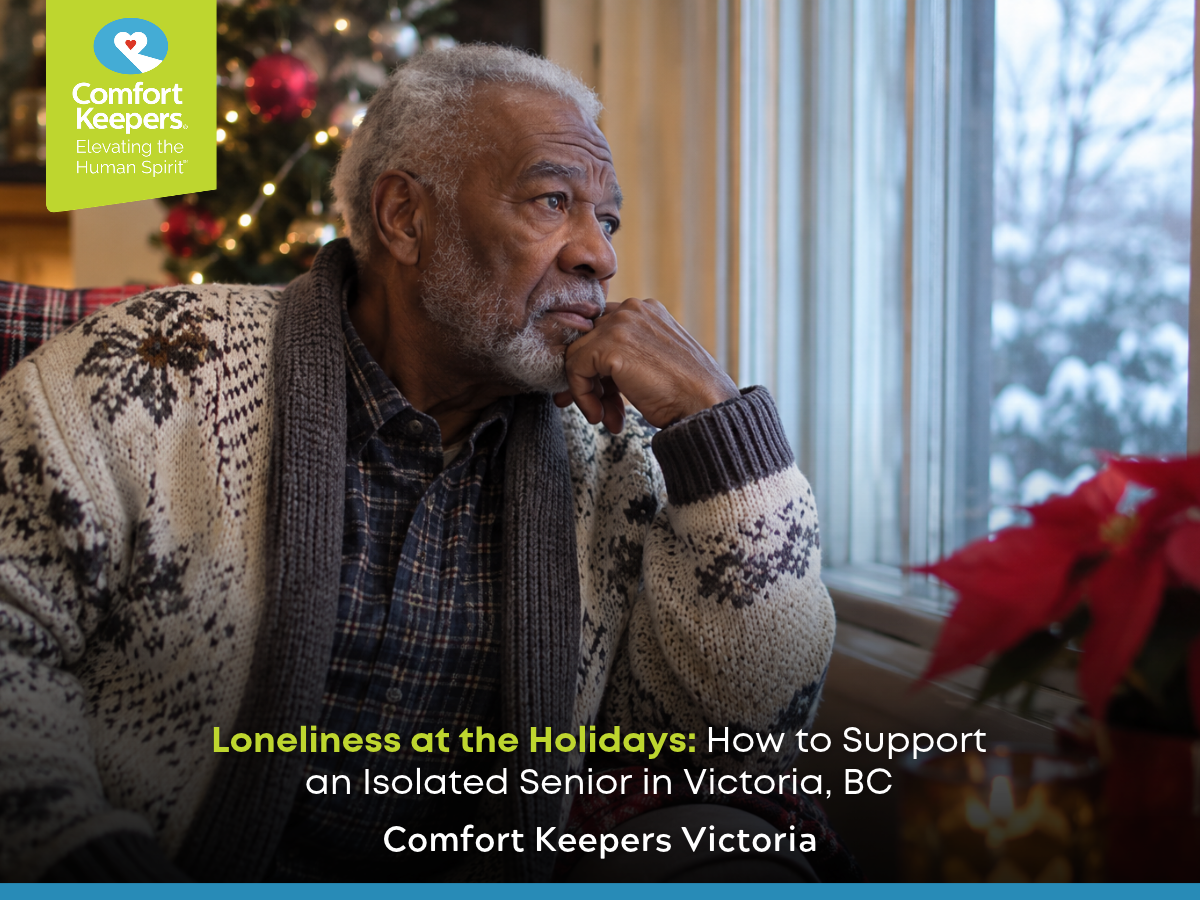
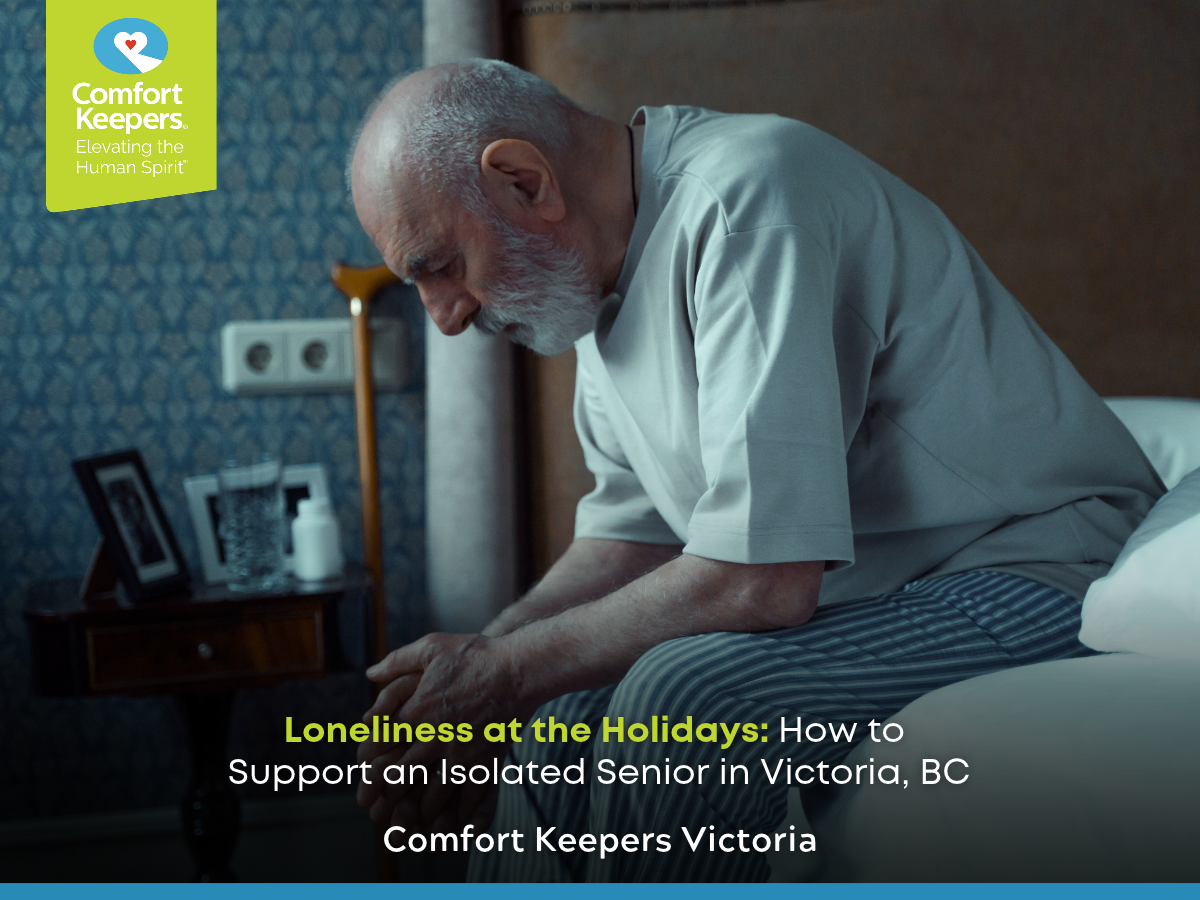
Holiday loneliness in seniors is the deep sense of isolation an older adult feels when the season highlights who is missing, who lives far away, or what they can no longer do. In Victoria, early darkness and wet weather make it even harder to get out and connect. This guide shows families how to spot the signs, what to say, and which local supports can help before December arrives.
What Is Holiday Loneliness in Seniors?
Holiday loneliness is the gap between the connection a senior wants and the connection they have from November through early January. It affects seniors who live alone, but also those who live with a spouse or in a care setting and still feel unseen. It is more than being alone, and it is not a harmless or normal part of aging.
Loneliness matters because it can affect sleep, appetite, mood, and willingness to take part in daily life. A parent who seems quiet or tired at the holidays may be coping with more than they say. Noticing early gives your family time to respond.
TL;DR
- Holiday loneliness is common and treatable. It often grows from grief, reduced mobility, and fewer invitations, and small, steady contact can ease it.
- Victoria winters raise the risk. Early sunsets, rain, and slippery sidewalks keep many older adults indoors for days at a time.
- Loneliness and depression can look alike. Weeks of low mood, poor sleep, and loss of appetite deserve a call to the family doctor.
- Small, steady, specific plans work best. A set weekly call or coffee visit beats a vague offer to check in.
- Companion care adds regular human contact. A caregiver can share meals, activities, and conversation when family cannot be there.
Why the Holidays Hit Older Adults Harder in Victoria
Three common factors explain why December can feel heavier for older adults than for the rest of the family.
1. Grief Comes Back Into Focus
Holiday traditions often revolve around people who are no longer here. The first holiday after losing a spouse, sibling, or close friend can feel especially heavy, and later years can bring the same ache. Small rituals, such as setting the table or hearing a favourite song, can bring grief to the surface.
2. Getting Out of the House Gets Harder
By mid-December in Victoria, the sun sets before 4:30 p.m., and wet leaves and rain make sidewalks risky. Many seniors stop driving after dark or give up driving altogether. When getting out takes planning, help, or courage, one week at home can become two.
3. Hearing, Vision, and Memory Changes Make Gatherings Tiring
Noisy dinners are hard to follow with hearing loss, and dim rooms make faces difficult to see. Seniors with memory changes may feel anxious in crowded or unfamiliar settings. Some choose to stay home rather than feel left out, which deepens isolation.
Loneliness or Depression? Signs to Watch For
Loneliness and depression overlap, but depression needs medical attention. Use this table as a starting point, and share any concerns with your parent’s family doctor.
| What You Notice | More Often Loneliness | Possible Depression, Talk to a Doctor |
|---|---|---|
| Mood | Sad or wistful, but brightens with company | Low mood most days, even during good moments |
| Sleep | Restless on lonely evenings | Sleeping far too much or too little for weeks |
| Appetite | Skips meals when eating alone | Ongoing loss of interest in food and weight loss |
| Interest | Enjoys activities when someone joins in | Loses interest in hobbies and people once loved |
| Outlook | Misses people and wants contact | Expresses hopelessness or feeling like a burden |
If your parent talks about not wanting to live, take it seriously. Stay with them and call 9-1-1 or the 9-8-8 Suicide Crisis Helpline right away.
What to Say When a Parent Insists They Are Fine
Many seniors do not want to be a burden, so they say they are fine. Pushing harder usually backfires. A better approach is to lower the stakes and make connection routine.
Framework: Small, Steady, Specific
The Small, Steady, Specific framework turns good intentions into a plan a senior can accept.
Step 1: Start Small
Offer a 20-minute visit or a short call rather than a long outing. Small requests are easier to accept and less likely to feel like a favour.
Step 2: Keep It Steady
Pick a regular time, such as Sunday at 4 p.m. Predictable contact gives your parent something to look forward to between visits.
Step 3: Be Specific
Say that you are bringing soup on Thursday and will look at old photos together, instead of telling your parent to call if they need anything. Specific plans are easier to accept than open offers.
Making Calls and Visits Work With Hearing, Vision, or Memory Changes
- Reduce background noise. Turn off the television and choose a quiet room so your parent can follow the conversation.
- Face your parent and speak slowly. Clear lips and expressions help with hearing loss, and good lighting helps with vision.
- Keep gatherings short and small. Two or three people for an hour is often easier than a large dinner.
- Use familiar routines. Old photos, favourite music, and baking together can comfort someone with memory changes.
- Set up video calls ahead of time. Help with the phone or tablet beforehand so technology is not a barrier.
Holiday Support Options in Victoria
Most families combine several kinds of support. This table compares common options so you can match them to your parent’s needs. To find community meals and events, call 2-1-1 or your local recreation centre.
| Option | What It Offers | Effort for Family | Best For |
|---|---|---|---|
| Seniors’ centres and community programs | Group meals, activities, and holiday events | Moderate: needs transportation and encouragement | Mobile seniors who enjoy groups |
| Neighbours and friendly visitors | Occasional visits, calls, and check-ins | Low to moderate: needs coordination | Seniors who value casual, familiar contact |
| Faith and community groups | Services, volunteer visits, and social events | Low: one call to a congregation or club | Seniors with existing community ties |
| Family calls and video chats | Regular emotional connection | Low: scheduling time | Seniors comfortable with phones or tablets |
| In-home companion care | One-on-one visits for meals, activities, outings, and conversation | Low once arranged | Seniors who live alone or struggle to get out |
How Companion Care Helps an Isolated Senior
Companion care from Comfort Keepers Victoria gives seniors regular, friendly company in their own home. Caregivers share meals, play games, look through photos, run light errands, and join seniors on walks or outings. Our Interactive Caregiving approach focuses on keeping seniors engaged in activities they enjoy, rather than simply doing tasks for them.
Families who want more than companionship can also arrange in-home care that includes personal care, meal preparation, and household help. Many families start with a few visits a week over the holidays and adjust from there. To talk through what would suit your parent, contact Comfort Keepers Victoria or call (778) 265-5999.
Common Mistakes to Avoid
- Waiting for your parent to ask. Many seniors will not, so reach out first and keep reaching out.
- Relying on one big gesture. A single holiday visit helps less than steady contact in January and February, when loneliness often continues.
- Dismissing sadness as normal. Persistent low mood is worth a conversation with a doctor.
- Planning only around your schedule. Ask what time of day your parent feels best and build around it.
Frequently Asked Questions
Why do seniors get lonely during the holidays?
Seniors get lonely during the holidays because the season highlights loss, distance, and limited mobility. Grief for a spouse or friend often returns, family may live far away, and winter weather in Victoria makes outings harder. Hearing, vision, and memory changes can also make gatherings tiring, so some seniors stay home.
How can I tell if my elderly parent is lonely or depressed?
Loneliness usually eases when your parent has good company, while depression lingers even during enjoyable moments. Watch for weeks of low mood, poor sleep, loss of appetite, and loss of interest in hobbies. If you notice these signs, speak with your parent’s family doctor.
What can I do if my parent refuses help or company?
Start with small, specific, and regular plans instead of open offers. A short weekly visit or a call at a set time is easier to accept than a big change. If your parent still resists, ask what would make company feel useful to them, such as help with a project or a familiar hobby.
What are good holiday activities for seniors at home?
Baking favourite recipes, looking through photos, listening to music, writing cards, and video calling relatives are all good options. Choose short activities that match your parent’s energy and abilities. Doing the activity together matters more than the activity itself.
How can in-home companion care help a lonely senior in Victoria?
A companion caregiver visits on a regular schedule to share meals, activities, conversation, and outings. This steady contact helps seniors who live alone or struggle to get out in winter weather. Comfort Keepers Victoria can arrange visits for a few hours a week or more, depending on need.
When should I call for help right away?
Call 9-1-1 or the 9-8-8 Suicide Crisis Helpline immediately if your parent talks about ending their life or not wanting to live. Contact the family doctor if low mood, poor sleep, or loss of appetite last more than two weeks. Sudden confusion or a major change in behaviour also needs prompt medical attention.
Action Steps
- Schedule a standing call or visit this week at a time your parent prefers, so contact becomes routine.
- Ask about grief and traditions, and invite your parent to share memories of the people they miss.
- Check hearing aids, glasses, and devices before holiday calls so connecting is easy.
- Line up local activities, such as a seniors’ centre meal or a neighbour visit, before the busiest weeks.
- Watch for signs of depression, and share concerns with your parent’s doctor.
- Contact Comfort Keepers Victoria at (778) 265-5999 to discuss companion care for the holiday season.
Holiday loneliness in seniors is common, treatable, and often missed, and families who offer small, steady, specific connection, and who know when to involve a doctor or in-home companion care, help older adults in Victoria feel seen all winter.